 Skip to content










Your heart pounds as you push through a workout, and you glance at your watch, but do you really know what that number means? Many of us track our heart rate during exercise, yet few understand which heart rate zone they're in or how each level can affect fitness, endurance, and fat-burning efficiency.
The 5 heart rate zones provide a framework for adjusting your training intensity to match your goals. They can be a practical guide for anyone looking to train more effectively. In this guide, we'll break down what each zone does, how to calculate it, and how to find your heart rate training zone. Let's get started.
What Are Heart Rate Zones?
Think of heart rate zones as a simple 1-to-5 scale that tells you exactly how hard your heart is working during exercise. More precisely, a heart rate zone is a range of beats per minute (BPM) that reflects the level of effort your body is putting into an activity.
There are typically 5 heart rate zones, numbered from 1 to 5, with each zone representing a different exercise intensity, ranging from very light effort to maximum exertion. What determines which zone you're in? Your workout heart rate zones are based on percentages of your maximum heart rate (the highest number of times your heart can beat in 60 seconds). As your heart rate climbs, so does your zone number.
Each zone offers different benefits for your body. Lower zones focus on recovery and fat burning, while higher zones build speed, strength, and peak performance. Understanding these heart rate zones helps you train with purpose, so every workout actually moves you closer to your goal.
The 5 Heart Rate Zones Explained
Each of the 5 heart rate zones feels distinct and serves a unique purpose. Zone 1 supports recovery, while Zone 5 pushes max effort. In between, you'll find fat-burning, aerobic conditioning, and threshold work. The zone you train in determines your workout's effect — so let's explore each one.
Zone 1: Recovery Zone
Zone 1 is the lowest of the 5 heart rate zones, typically falling between 50–60% of your maximum heart rate. It represents very light activity — the kind of effort that feels easy, relaxed, and completely sustainable. In this zone 1 heart rate range, your breathing remains effortless, and you can hold a full conversation without any difficulty.
Think of Zone 1 as your body's "active recovery" gear. It's not about pushing limits or breaking a heavy sweat — it's about keeping your body moving at a gentle pace. This zone one heart rate zone is commonly used for warming up before harder exercise, cooling down afterward, or staying active on rest days.
Common Exercises in Zone 1
Because Zone 1 is very low intensity, almost any activity can be done in this range as long as you keep the effort easy. Examples include:
- Brisk walking or hiking
- Light cycling at a slow, relaxed pace
- Gentle swimming
- Very easy jogging or recovery runs
- Yoga, Pilates, stretching, or mobility work
- Light household activities like gardening or cleaning

Benefits of Zone 1 Training
Though it may feel like you're barely working, spending time in this heart rate zone offers several important benefits:
- Promotes blood flow and circulation — Light activity encourages blood to move through your muscles, delivering oxygen and nutrients while clearing metabolic waste.
- Supports recovery — Zone 1 helps your body bounce back after intense workouts by reducing muscle soreness and clearing lactate buildup.
- Builds aerobic efficiency — Even at this low intensity, your body learns to burn fat as a primary fuel source.
- Improves overall cardiovascular health — Regular Zone 1 activity can help lower blood pressure, reduce cholesterol, and decrease body fat over time.
- Prepares your body for harder efforts — A proper warm-up in Zone 1 gently raises your heart rate and gets your muscles ready for higher-intensity work.
Who Should Use Zone 1?
Zone 1 is safe and beneficial for nearly everyone. It's an excellent starting point if you're new to exercise, returning from a break, or simply looking for low-impact movement. Because the intensity is so light, there are no specific groups who should avoid this zone entirely.
That said, if you have any preexisting heart conditions, injuries, or health concerns, it's always wise to check with your doctor before beginning any exercise program. Zone 1 may be very gentle, but your safety always comes first.
Zone 2: Fat Burning Zone
Zone 2 is the second of the 5 heart rate zones, typically falling between 60–70% of your maximum heart rate. It represents moderate-intensity aerobic exercise — the kind of effort that feels steady, comfortable, and sustainable for extended periods.
In this Zone 2 heart rate range, your breathing is elevated but controlled, and you can still carry on a light conversation, though you might need to pause briefly now and then to catch your breath. You're working harder than in Zone 1, but you don't feel like you're pushing it. This zone two heart rate is often called the "fat-burning zone" because your body primarily uses fat as fuel at this intensity.
Many experts consider Zone 2 the sweet spot for building a strong aerobic foundation. In fact, endurance athletes often follow the 80/20 rule — spending about 80% of their training time in this heart rate zone and only 20% at higher intensities. As one exercise physiologist puts it, "Zone 2 training allows the body to switch from one source of fuel to another".
To learn more, please read: What Is Zone 2 Cardio? Benefits, Basics & How to Get Started
Common Exercises in Zone 2
Almost any cardio activity can be done in Zone 2 as long as you keep the effort moderate and controlled. Examples include:
- Brisk walking
- Light jogging
- Easy cycling
- Steady swimming
- Elliptical or rowing machine
- Dancing or light aerobics

Benefits of Zone 2 Training
Though it may feel too easy at first, Heart rate zone 2 delivers powerful, science-backed benefits:
- Efficient fat burning — In this zone, a higher proportion of the calories you burn comes from fat compared to higher intensities. It's an effective approach for long-term, sustainable fat loss.
- Builds aerobic endurance — Heart rate zone 2 strengthens your aerobic base, making higher-intensity exercise feel easier over time.
- Improves heart health — Regular Zone 2 exercise helps lower blood pressure, improve cholesterol levels, and reduce the risk of cardiovascular disease.
- Enhances metabolic health — It improves glucose sensitivity and can help manage conditions like metabolic syndrome and type 2 diabetes.
- Supports mitochondrial function — Heart rate zone 2 stimulates the creation and efficiency of mitochondria — the energy-producing structures in your cells.
- Low injury risk — Because the intensity is moderate, Zone 2 puts less stress on your joints and reduces the likelihood of overtraining injuries.
- Accessible and sustainable — It's a less daunting way to start a fitness routine and much easier to stick with than high-intensity work.
Who Should Use Zone 2 — And Who Should Be Cautious
Zone 2 works well for a wide range of people. If you're new to exercise, it's a good place to start because the intensity is manageable without putting too much stress on your body. For more experienced athletes, Zone 2 can help build aerobic endurance and provide a lower-intensity option between harder training sessions. People who need to keep exercise intensity low may also benefit from this type of cardio. For most healthy adults, Zone 2 is comfortable enough to use regularly and can make up a significant part of a balanced training routine.
However, caution is advised for certain individuals. If you have heart disease, unexplained chest pain, a history of fainting, severe shortness of breath, uncontrolled high blood pressure, significant lung disease, or insulin-treated diabetes, talk to your doctor before starting a new exercise routine or making major changes to your current one. The same precaution applies if you're dealing with an active musculoskeletal injury — you'll want to address the injury before increasing your training. If you're pregnant, seek guidance from your healthcare provider about the right level of activity for you.
Zone 3: Aerobic Training Zone
Zone 3 is the middle of the 5 heart rate zones, typically falling between 70–80% of your maximum heart rate. It represents moderate-to-challenging aerobic exercise — the kind of effort that feels noticeably harder than Zone 2 but is still sustainable for extended periods.
In this Zone 3 heart rate range, your breathing becomes deeper and more forceful, and talking becomes more difficult — you might manage short sentences, but a full conversation is no longer comfortable. This aerobic heart rate zone is sometimes called the "tempo zone" or "moderate-intensity zone"—and also, somewhat controversially, the "gray zone," because it sits right between easy endurance work and high-intensity threshold training.
At this intensity, your body starts relying more on carbohydrates for fuel because they can generate energy more rapidly than fat. Zone 3 is where you begin to build real stamina and muscular endurance.
Common Exercises in Zone 3
Any cardio activity can be done in this heart rate zone. Examples include:
- Tempo runs — sustained running at a pace slightly slower than your 10K or half-marathon race pace
- Moderate cycling — a steady, challenging pace on flat or rolling terrain
- Brisk fitness classes — high-energy aerobics or spin classes
- Continuous swimming or rowing — sustained efforts at a strong, consistent pace
- Long intervals — work bouts of 5 to 20 minutes with shorter recovery periods
- Sustained climbs — running or cycling uphill at a moderate intensity
It's less about the specific activity and more about maintaining that moderate-to-challenging effort.

Benefits of Zone 3 Training
Spending time in this zone three heart rate range delivers several valuable physiological adaptations:
- Improves aerobic capacity — Zone 3 strengthens your heart and lungs, making your body more efficient at handling higher intensities
- Enhances lactate threshold — It trains your body to process and clear lactate more effectively, so you can go faster and longer before fatigue sets in
- Builds endurance and stamina — Regular heart rate zone 3 work increases your ability to sustain effort over time
- Improves race-day performance — Zone 3 often mimics actual race intensity for longer-distance events, making it highly sport-specific
- Boosts mitochondrial function — Heart rate zone 3 stimulates mitochondrial development, improving your cells' energy-producing capacity
- Efficient training stimulus — You get meaningful fitness gains in less time than lower-intensity work
Who Should Use Zone 3 — And Who Should Be Cautious
Zone 3 is especially useful for athletes seeking performance enhancement for racing, particularly those competing in events lasting about 2 to 7 hours, where you'll naturally spend significant time at this intensity. It's also valuable for anyone looking to build stamina, improve cardiovascular fitness beyond what Zone 2 offers, or add variety to a training routine.
Caution is advised for certain individuals:
- Beginners or those returning from a break may find Zone 3 too intense at first.
- People with underlying health conditions — including known heart disease, uncontrolled high blood pressure, or significant lung disease — should consult a doctor before exercising in this zone.
- Those prone to overtraining should limit Zone 3 to one or two sessions per week, as spending too much time here can lead to fatigue, burnout, and increased injury risk.
Zone 4: Threshold Zone
Zone 4 is the fourth of the 5 heart rate zones, typically falling between 80–90% of your maximum heart rate. It represents high-intensity exercise—the kind of effort that feels hard, uncomfortable, and pushes you right to your limits.
In this zone 4 heart rate range, your breathing becomes forceful and labored, and conversation becomes very difficult—you might manage a few words at most. This is the "threshold" zone, meaning you're working right at the edge of what your body can sustain.
At this intensity, your body shifts into anaerobic work, meaning it can't pull in enough oxygen to fully power your muscles, so it relies more heavily on stored glucose for fuel. As a result, lactate (often called lactic acid) begins to accumulate in your muscles faster than your body can clear it.
Common Exercises in Zone 4
Heart rate zone 4 work is typically done in short, intense bouts rather than sustained efforts, because this intensity simply can't be maintained for long. Common activities in this zone four heart rate include:
- High-intensity interval training (HIIT)
- Sprinting
- Tempo runs at threshold pace
- Heavy weightlifting and circuit training
- Spin or cycling intervals
- Boxing or kickboxing drills
The key is intensity, not duration. Heart rate zone 4 efforts typically last anywhere from 2 to 10 minutes at a time, with adequate rest between intervals.

Benefits of Zone 4 Heart Rate Training
- Raises your lactate threshold — By regularly working at this intensity, your body clears lactate more efficiently, allowing you to sustain harder efforts for longer before fatigue sets in.
- Improves anaerobic capacity — Zone 4 strengthens your body's ability to perform without relying solely on oxygen, which is crucial for high-intensity sports and activities.
- Builds speed and power — Regular threshold work translates directly to faster race times, better sprint performance, and more explosive athletic output.
- Boosts VO₂max efficiently — Research shows that HIIT protocols generating Zone 4–5 intensities can produce equivalent VO₂max improvements to substantially larger volumes of lower-intensity work.
- Enhances muscular endurance — Zone 4 training recruits fast-twitch muscle fibers and builds the kind of strength that lasts through the final minutes of a race or competition.
- Improves cardiovascular efficiency — Heart rate zone 4 forces your heart and lungs to work at near-maximal capacity, driving meaningful adaptations in your cardiovascular system.
Who Should Use Zone 4 — And Who Should Be Cautious
Zone 4 heart rate training is best suited for fit individuals who have a solid aerobic foundation, typically those who have spent significant time building their base in Zones 2 and 3. It's an essential tool for athletes training for performance goals. For generally healthy, experienced exercisers, Zone 4 is a safe and highly effective way to take your fitness to the next level when used strategically and in moderation.
However, Zone 4 is not for everyone, and caution is strongly advised for the following groups:
- Beginners or those returning from a long break should avoid Zone 4 until they've built adequate aerobic capacity in lower zones.
- Individuals with known heart disease, uncontrolled high blood pressure, or significant lung conditions
- People taking beta-blockers should be especially cautious.
- Pregnant individuals are generally advised to stay in lower intensity zones
- Anyone prone to overtraining should limit Zone 4 to one or two sessions per week.
Zone 5: Maximum Effort Zone
Zone 5 is the highest of the 5 heart rate zones, typically falling between 90–100% of your maximum heart rate. It represents all-out, maximum exertion — the kind of effort that pushes you to your absolute limit.
At this intensity, talking is not possible, and your body has exceeded its aerobic capacity. Your cardiovascular system cannot deliver oxygen to your muscles fast enough to meet demand, so your body switches to anaerobic metabolism. Think of it like a car when you put the pedal to the metal—your heart, like the car's engine, is working at full throttle.
Zone 5 efforts are sustainable for only 30 seconds to about three minutes at the absolute maximum. Anything longer, and by definition, you weren't truly in Zone 5 heart rate training.
Common Exercises in Zone 5
Zone 5 work is done in very short, intense bursts rather than sustained efforts. Common activities in this zone five heart rate include:
- Sprinting
- High-intensity interval training (HIIT)
- The final push in a race
- Power training drills
- Very short hill sprints
- Sports performance drills

Benefits of Zone 5 Training
- Increases VO₂ max — Zone 5 is one of the most powerful stimuli for improving your maximal oxygen uptake, a critical indicator of cardiovascular performance and longevity.
- Builds fast-twitch muscle fibers — This zone recruits and strengthens the muscle fibers responsible for explosive power and speed.
- Improves anaerobic capacity — Zone 5 trains your body to perform without relying on oxygen, which is essential for high-intensity sports.
- Enhances lactate tolerance — Regular Zone 5 work teaches your body to better buffer and tolerate lactate buildup.
- Improves peak power and speed — Maximum effort training translates directly to faster sprints and more explosive athletic output.
- Boosts calorie burn — Zone 5 efforts create an extended afterburn effect (EPOC), meaning you continue burning calories at an elevated rate for hours after your workout.
- Enhances insulin sensitivity — Research shows Zone 5 training can improve how your body processes glucose.
Zone 5 training, along with Zone 4, is designed to produce peak performance. But as experts put it, these benefits come with risks like overtraining, injury, and burnout, so it's crucial to respect the intensity and prioritize recovery for 48 hours.
Who Should Use Zone 5
Zone 5 is only suitable for advanced, fit individuals who have built a solid aerobic foundation in lower zones. Experts recommend that no more than 5–10 percent of your total training time should be spent at this level of intensity. Even for experienced athletes, Zone 5 should be reserved for advanced clients under close supervision and with adequate recovery planning.
How to Calculate Heart Rate Zones
Heart rate zones help you find the right range for your workout. Knowing your target heart rate makes it easier to control how hard you're exercising. The simplest way to calculate heart rate zones is the maximum heart rate percentage method. It requires only your age and basic math; no special equipment or fitness tests are needed.
Step 1: Estimate your maximum heart rate (HRmax)
Your maximum heart rate is the upper limit of what your cardiovascular system can handle during physical activity. While the most accurate way to find it is through a supervised exercise test, a reliable estimate is:
220 − your age = estimated maximum heart rate (beats per minute)
For example, if you're 35 years old:
- 220 − 35 = 185 bpm
Step 2: Multiply HRmax by each zone's percentage range
Each of the 5 heart rate zones corresponds to a specific percentage of your maximum. Multiply your HRmax by the lower and upper ends of each zone to find your personal range.
For example, if you're 35 years old in Zone 2:
- 220 − 35 = 185 bpm
- 185 bpm × 60%–70% = 111–129.5 bpm
Here's a quick reference table for each heart rate zone calculation:
| Zone | Calculation |
|---|---|
| Zone 1 | 50–60% × Max HR |
| Zone 2 | 60–70% × Max HR |
| Zone 3 | 70–80% × Max HR |
| Zone 4 | 80–90% × Max HR |
| Zone 5 | 90–100% × Max HR |
A few practical tips:
- Round your numbers to the nearest whole beat — perfection isn't necessary.
- For the most accurate results, measure your resting heart rate on a few calm mornings.
- If you take beta‑blockers or other heart‑rate‑lowering medications, consult your doctor for safe intensity guidelines.
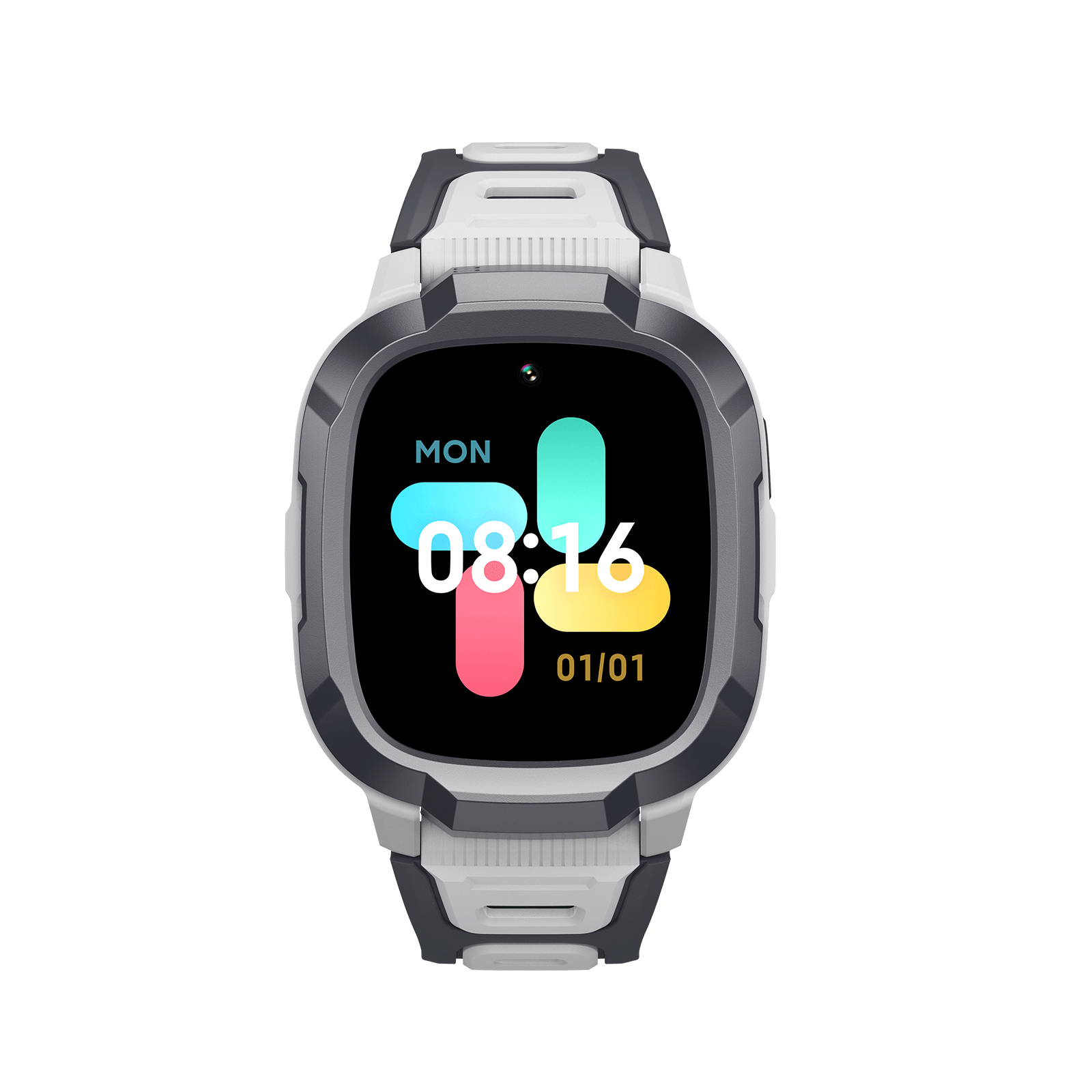
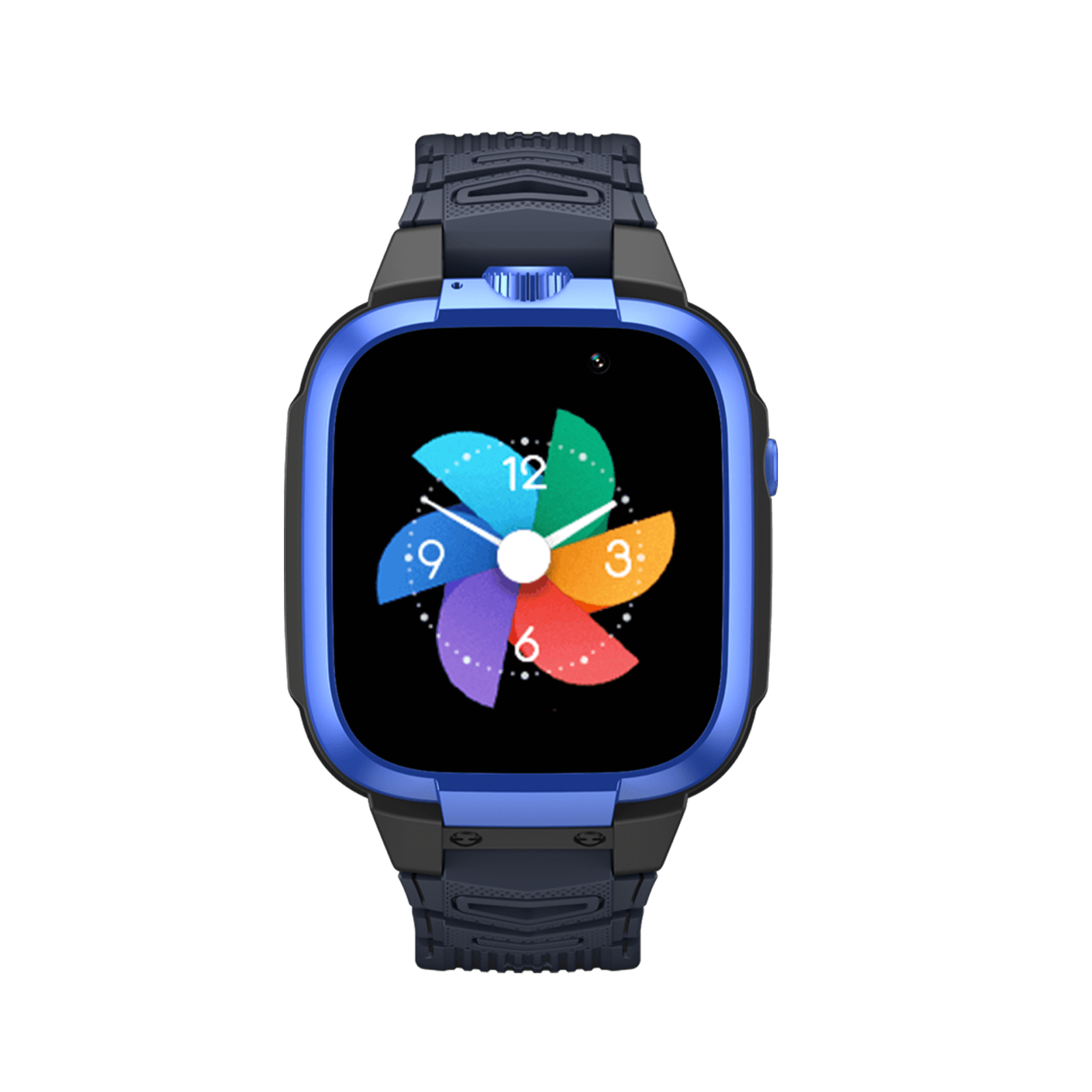
- A smartwatch can monitor your heart rate in real time, helping you stay within your target heart rate zone and work toward your fitness goals.

Conclusion
Heart rate zones are tools, not tests. They're here to guide you, not judge you. Whether you're walking, running, or cycling, start where you feel comfortable. Listen to your body and progress at your own pace. No single zone is the "best". It all depends on your goals, your fitness level, and how you feel on any given day. Use the 5 heart rate zones to make your workouts more intentional, but never forget that rest and consistency matter just as much as intensity.
FAQs About Heart Rate Zones
What should my heart rate zone be by age?
Heart rate zone chart by age for your reference:
| Age | Zone 1 | Zone 2 | Zone 3 | Zone 4 | Zone 5 |
|---|---|---|---|---|---|
| 20 | 100–120 bpm | 120–140 bpm | 140–160 bpm | 160–180 bpm | 180–200 bpm |
| 30 | 95–114 bpm | 114–133 bpm | 133–152 bpm | 152–171 bpm | 171–190 bpm |
| 35 | 92–111 bpm | 111–130 bpm | 130–148 bpm | 148–166 bpm | 166–185 bpm |
| 40 | 90–108 bpm | 108–126 bpm | 126–144 bpm | 144–162 bpm | 162–180 bpm |
| 45 | 88–105 bpm | 105–122 bpm | 122–140 bpm | 140–158 bpm | 158–175 bpm |
| 50 | 85–102 bpm | 102–119 bpm | 119–136 bpm | 136–153 bpm | 153–170 bpm |
| 55 | 82–99 bpm | 99–115 bpm | 115–132 bpm | 132–148 bpm | 148–165 bpm |
| 60 | 80–96 bpm | 96–112 bpm | 112–128 bpm | 128–144 bpm | 144–160 bpm |
| 65 | 78–93 bpm | 93–108 bpm | 108–124 bpm | 124–140 bpm | 140–155 bpm |
| 70 | 75–90 bpm | 90–105 bpm | 105–120 bpm | 120–135 bpm | 135–150 bpm |
What is a bad heart rate zone?
There is no single "bad" heart rate zone. Zone 5 (90–100% of your maximum heart rate) is generally too intense to maintain for long periods and is best reserved for short, high-intensity intervals. If your heart rate stays unusually high during light exercise or you experience symptoms such as chest pain, dizziness, or unusual shortness of breath, stop exercising and seek medical advice.
Which heart rate zone is best for longevity?
Zone 2 is often considered the best heart rate zone for supporting long-term cardiovascular fitness and endurance. It allows you to exercise at a moderate intensity that can be sustained for longer periods without excessive strain. However, a balanced training routine that includes other intensity levels can provide broader fitness benefits.
Disclaimer: This article draws from publicly available sources and is intended for general informational purposes only. The content should not be taken as a substitute for professional, medical, or fitness advice. We encourage you to independently verify any details and consult with a qualified expert before making decisions based on this information.
References:
- https://www.health.harvard.edu/exercise-and-fitness/understanding-exercise-heart-rate-zones
- https://www.nebraskamed.com/health/healthy-lifestyle/heart-and-vascular/what-to-know-about-heart-rate-zones-and-exercise
- https://www.houstonmethodist.org/blog/articles/2025/oct/how-heart-rate-zones-can-help-maximize-your-workouts/
- https://health.clevelandclinic.org/exercise-heart-rate-zones-explained
- https://share.upmc.com/2026/01/heart-rate-zones-2/
- https://www.rochesterregional.org/hub/heart-rate-zones-apple-garmin
- https://www.ideafit.com/understanding-cardio-exercise-zones/
- https://therunningchannel.com/what-is-zone-1/
- https://www.ideafit.com/cardio-exercise-zones-a-guide-for-fitness-professionals/
- https://www.runna.com/en-gb/blog/what-is-zone-5-running-the-complete-guide-to-max-effort-training
- https://www.whoop.com/us/en/thelocker/whoop-training-zones-optimal-overreaching-restoring/
- https://www.heart.org/en/healthy-living/exercise-and-physical-activity/fitness-basics/target-heart-rates

