 Skip to content






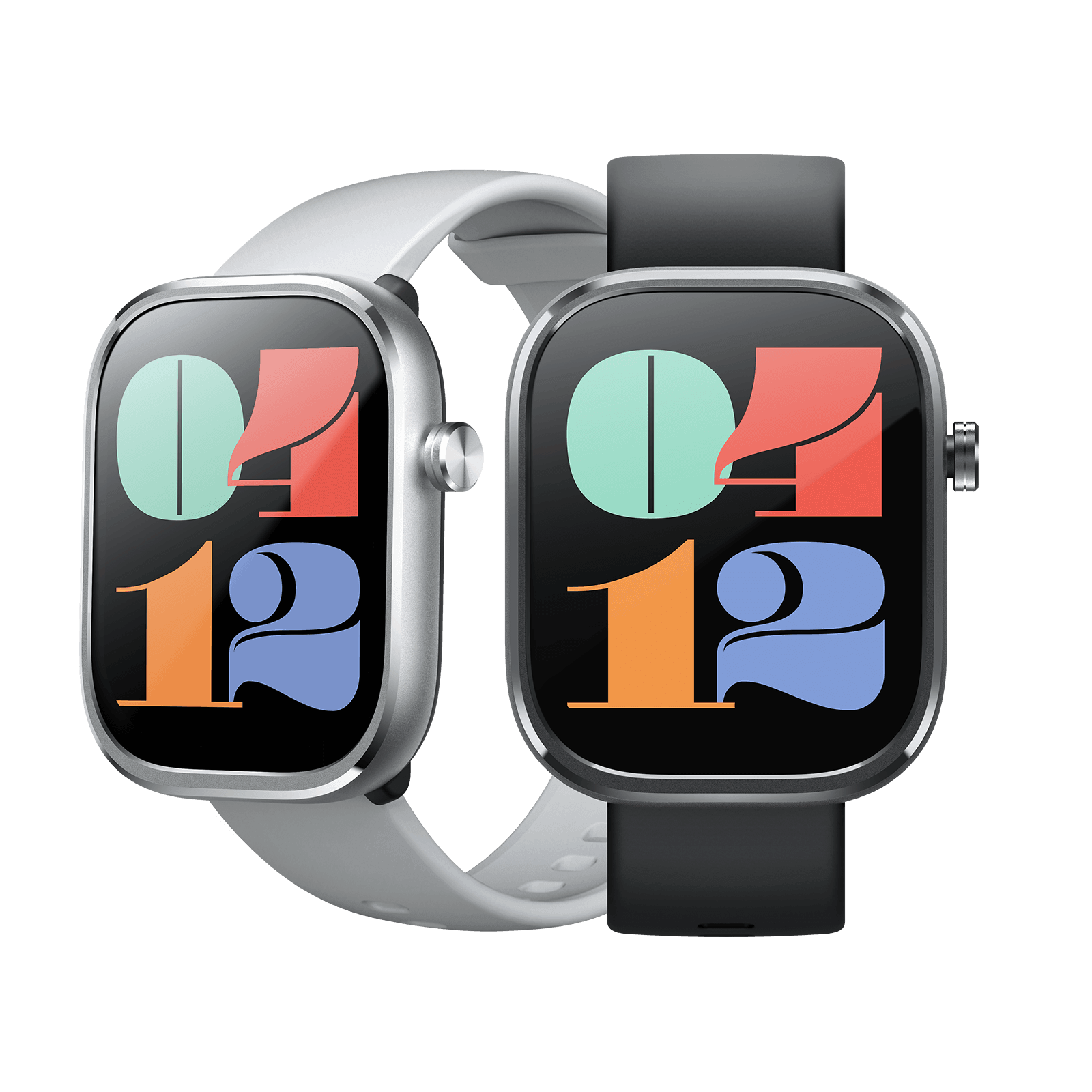
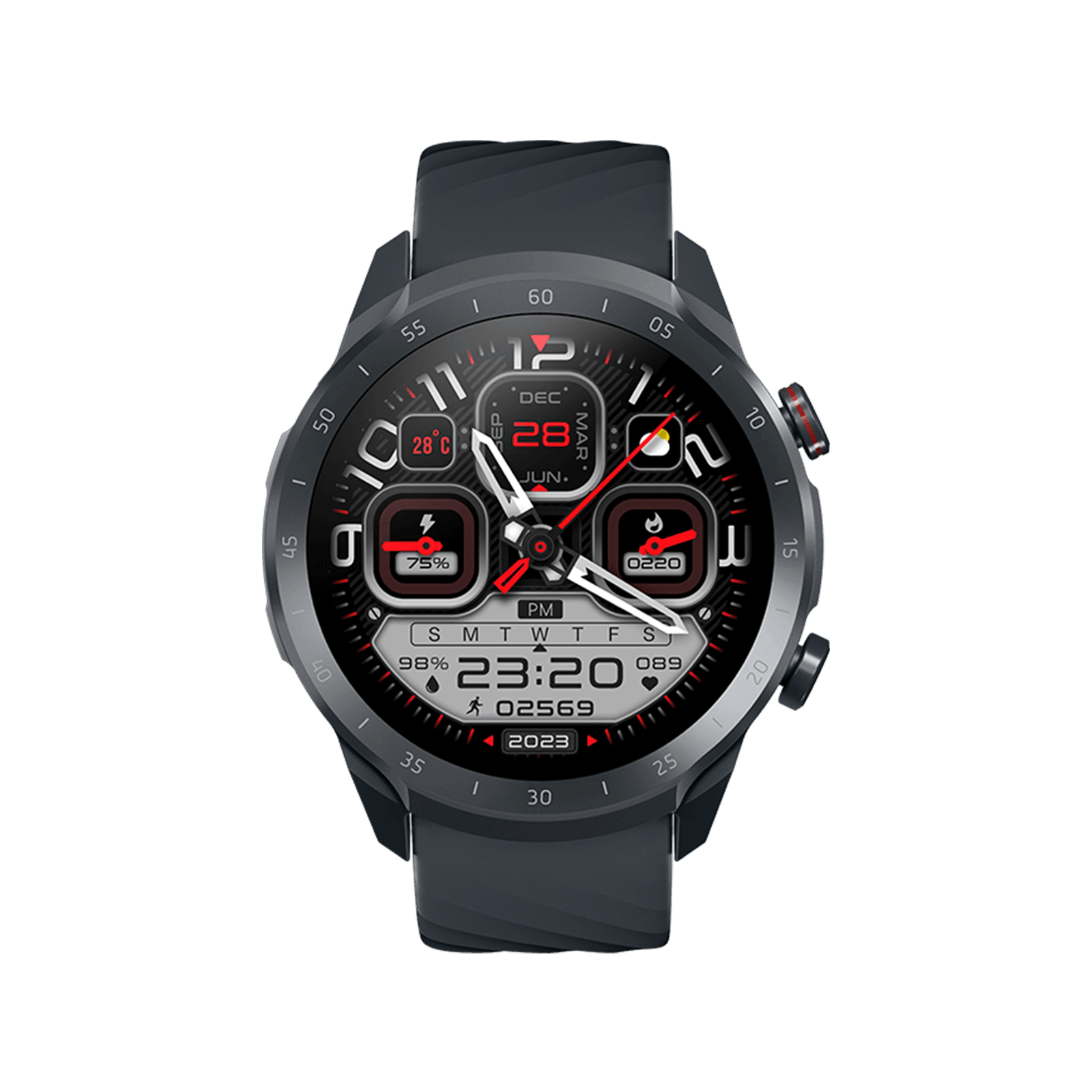
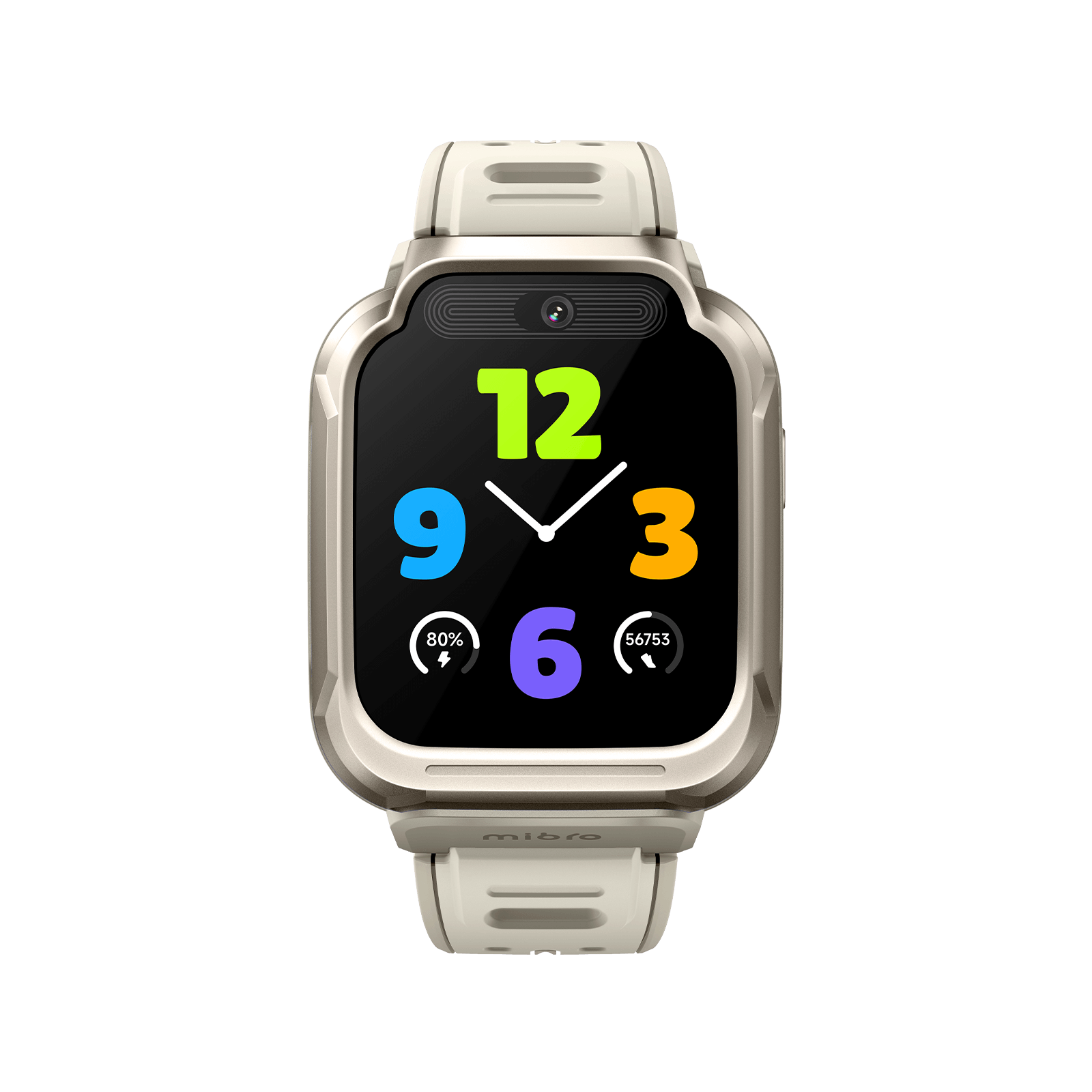
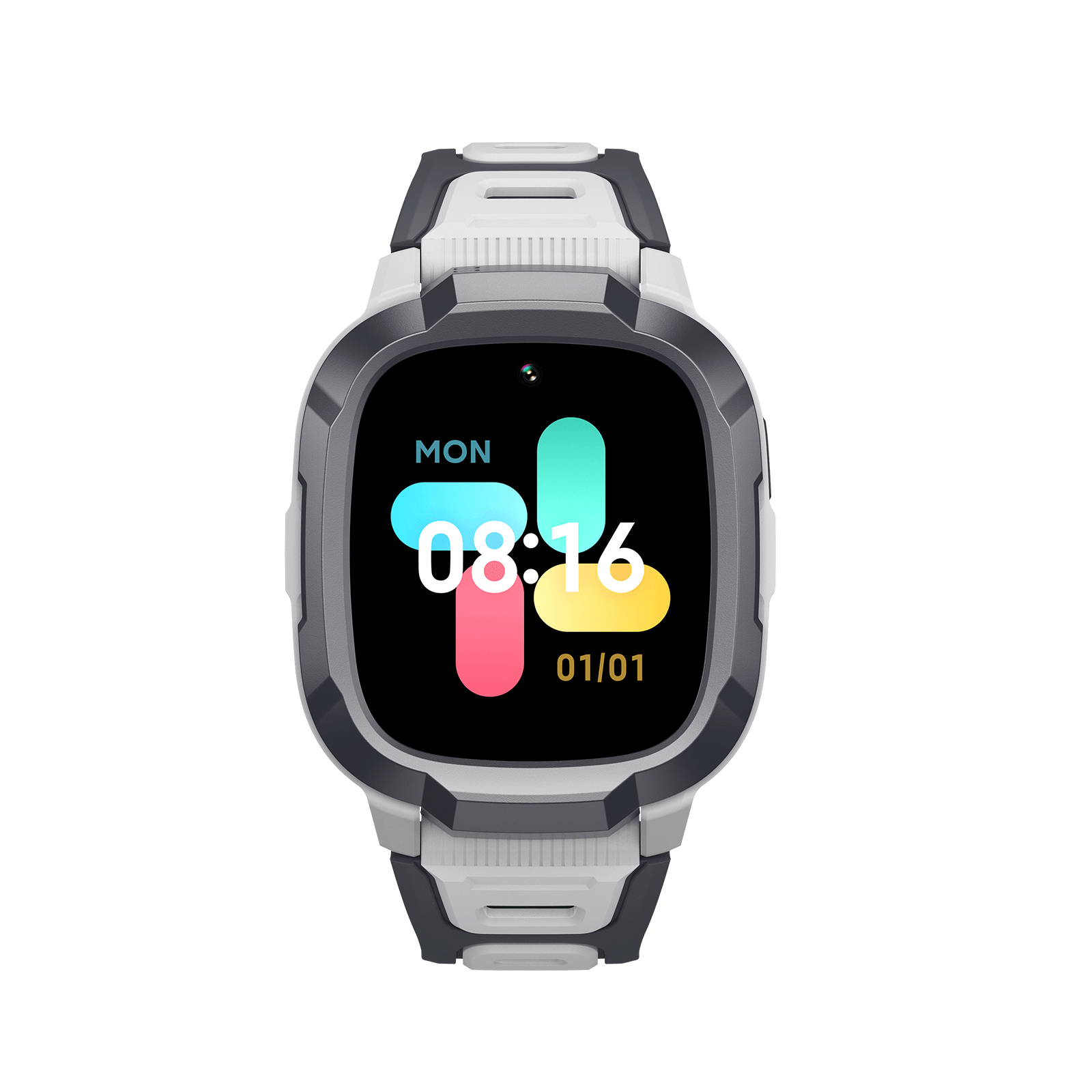





Heart rate changes constantly throughout the day — it is one of the most direct signals your body gives about how your heart is working. Yet many people only see heart rate as a number on a wearable without understanding what it means. Is 90 bpm normal? Should a lower heart rate always be better? And when do changes in heart rate matter for your health? To help you out, this guide will walk you through the heart rate definition in a simple way, interpret your body's signals, and ways to improve your heart health.
Heart rate quick takeaways:
- Normal resting heart rate (adults): 60–100 bpm
- Estimated maximum heart rate: 220 − age
- Target heart rate (moderate exercise): 50–85% of max heart rate
- How it's measured: smartwatches, manual pulses, or medical devices
Related Reading:
What Is VO2 Max? Guide to Meaning, Measurement and Improvement
Marathon Training Plan Made Easy: 10 Free Plans & Smart Options
What is Heart Rate?
Heart rate is simply the number of times your heart beats in one minute. It is one of your body's most important vital signs — a basic measure of how well your heart is working. Think of your heart as a pump. Each beat pushes blood through your blood vessels, carrying oxygen and nutrients to every part of your body. Your heart rate tells you how fast your heart is pumping at any given moment.
Tracking this number is incredibly important because it acts as an early warning system for your body. The Cleveland Clinic states that changes in your usual pulse can show how fit you are, how well you handle stress, or even if you are coming down with an illness. When you know your typical numbers, you can easily spot when something feels wrong and take action before minor issues turn into major health problems.
To fully understand your heart rate health, it helps to learn three core concepts:
- Resting heart rate: This is the number of times your heart beats per minute when you are completely calm, relaxed, and have been sitting still for at least five minutes.
- Maximum heart rate: This is the highest number of beats your heart can safely reach during the most intense physical exercise you can do.
- Heart rate zone: a specific target range of heart rates during a workout, usually expressed as a percentage of your maximum. Staying in the right heart rate zone helps you match your workouts to your personal goals, such as burning body fat or improving your running endurance.
What is a Normal Heart Rate?
A normal (resting) heart rate means your heart is beating with a steady, natural rhythm that easily meets your body's daily needs without placing undue stress on your cardiovascular system. The Mayo Clinic confirms that for the vast majority of healthy adults, a healthy or good heart rate when at rest goes from 60 to 100 beats per minute (bpm).
Your average heart rate naturally shifts as you grow older. Babies and young children have much smaller hearts that must beat very quickly to move blood through their growing bodies. As you grow into adulthood, your heart becomes larger and stronger, allowing it to pump more blood with fewer beats. Furthermore, if you are a highly active person or an athlete, your resting numbers might be significantly lower because your heart muscle is in excellent physical shape.
Here is a general normal heart rate chart for reference:
| Age | Normal resting heart rate |
|---|---|
| Birth to 4 weeks | 100 to 205 bpm |
| 4 weeks to 1 year old | 100 to 180 bpm |
| 1 to 3 years old | 98 to 140 bpm |
| 3 to 5 years old | 80 to 120 bpm |
| 5 to 12 years old | 75 to 118 bpm |
| 13 to 17 years old | 60 to 100 bpm |
| 18 and above | 60 to 100 bpm |
Factors That Affect Heart Rate
While age is a primary guide, many other daily factors can cause your pulse to rise or fall throughout the day:
- Physical Fitness Level: Regular exercise strengthens your heart. A stronger heart pumps more blood with every single contraction, which naturally lowers your daily resting pulse.
- Weather and Temperature: When the air temperature or humidity rises, the body has to push more blood to your skin to cool itself down. Because of this, your pulse may increase by 5 to 10 beats per minute.
- Body Position: Your body has to fight gravity to move blood upward. You might notice your pulse jump up for a few moments when you quickly change from lying down or sitting to a standing position.
- Emotions and Mental Stress: Feeling strong emotions like anger, anxiety, fear, or extreme excitement triggers the release of stress hormones like adrenaline, which immediately speed up your pulse.
- Dehydration: When you do not drink enough water, the total amount of blood circulating in your body drops. To make up for this, your heart must beat faster to deliver enough oxygen to your organs.
What is an Abnormal Heart Rate?
An abnormal rhythm means your heart is consistently beating too fast, too slow, or with an irregular pattern that does not match your body's physical needs. When your pulse moves far outside the standard healthy heart rate range for a long time, it usually serves as a sign that your body is struggling with an internal health problem.
High Heart Rate (Tachycardia)
A high heart rate occurs when your resting pulse stays above 100 beats per minute. Medical professionals refer to this condition as Tachycardia.
When you experience a high heart rate, you may feel a fluttering, pounding, or racing sensation in your chest. If your heart beats too quickly for long periods while you are resting, it cannot fill up with enough blood between beats. This makes the heart much less efficient and can lead to serious long-term consequences, such as chronic fatigue, frequent dizziness, or an increased risk of blood clots and heart failure.

Low Heart Rate (Bradycardia)
Conversely, a low heart rate happens when your resting pulse drops below 60 beats per minute. Doctors call this condition Bradycardia.
While a low heart rate is common and perfectly safe for elite athletes, it can be a problem for other adults. If your pulse is too low and you are not an athlete, your heart may fail to pump enough oxygen-rich blood to your brain and body. Over time, this lack of oxygen can cause severe exhaustion, brain fog, chest discomfort, and fainting spells.
Common Causes of Abnormal Heart Rate
Unusual variations in your pulse can be caused by a wide range of lifestyle choices or underlying health conditions:
- Excessive Stimulants: Consuming too much caffeine from energy drinks and coffee, or using nicotine products, forces your nervous system into overdrive and raises your pulse.
- Anemia: This condition means your blood has too few red blood cells. Because these cells carry oxygen, your heart has to pump much faster to keep your organs working.
- Thyroid Problems: Your thyroid gland controls your metabolism. An overactive thyroid speeds up your body's systems (raising your pulse), while an underactive thyroid slows everything down (lowering your pulse).
- Heart Tissue Damage: Past heart attacks, aging blood vessels, or genetic heart defects can damage the natural electrical paths that control your heartbeat.
When to Seek Medical Attention
According to Harvard Health Publishing, you should not ignore irregular heart rates. You must seek emergency medical care immediately if your abnormal pulse is accompanied by any of these severe symptoms:
- Sudden, sharp, or crushing pain or pressure in your chest.
- Unexplained shortness of breath where you cannot catch your breath while resting.
- Severe lightheadedness, dizziness, or actually fainting.
- Sudden weakness or numbness in your face, arms, or legs.
How to Measure Your Heart Rate
Heart rate measurement is a simple and effective way to monitor your cardiovascular health. Here are three ways to help you track the data.
Manual Pulse Checking Method
You can quickly measure heart rate anywhere using just your fingers and a watch. The most reliable spot to check is your wrist (the radial artery).
- Sit quietly in a comfortable chair for five minutes before you begin to ensure you get an accurate reading.
- Turn one hand so your palm is facing upward.
- Place the tips of your index and middle fingers of your other hand on your wrist, in the groove just below the base of your thumb.
- Press down lightly until you feel a clear, steady thumping sensation.
The Shortcut: Count the total number of beats you feel for exactly 15 seconds. Take that number and multiply it by 4 to get your total beats per minute.
Important Reminder: Don't use your thumb to check your pulse. Your thumb contains a strong blood vessel of its own, and you might accidentally count the pulse in your thumb instead of your wrist.

Using Wearable Devices
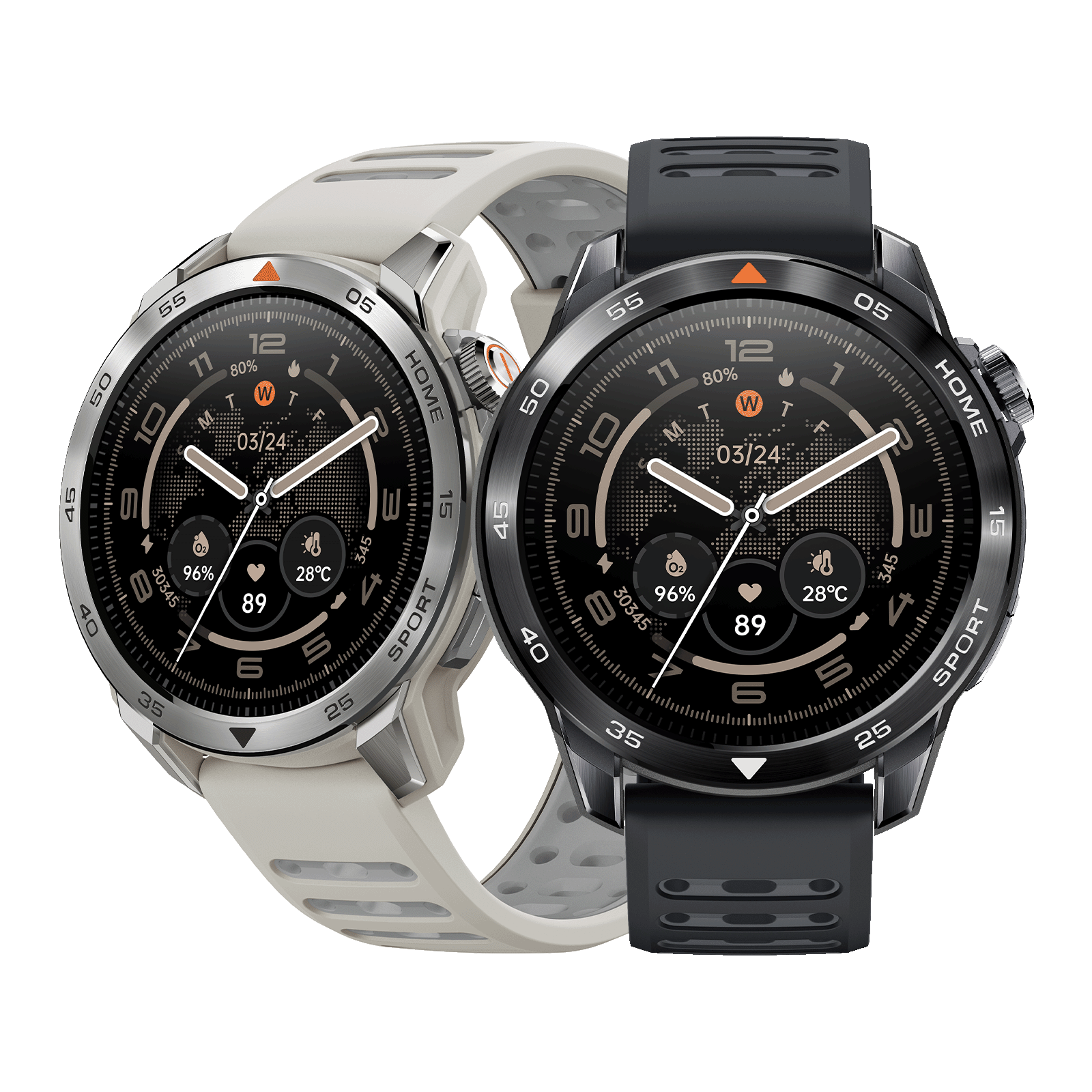
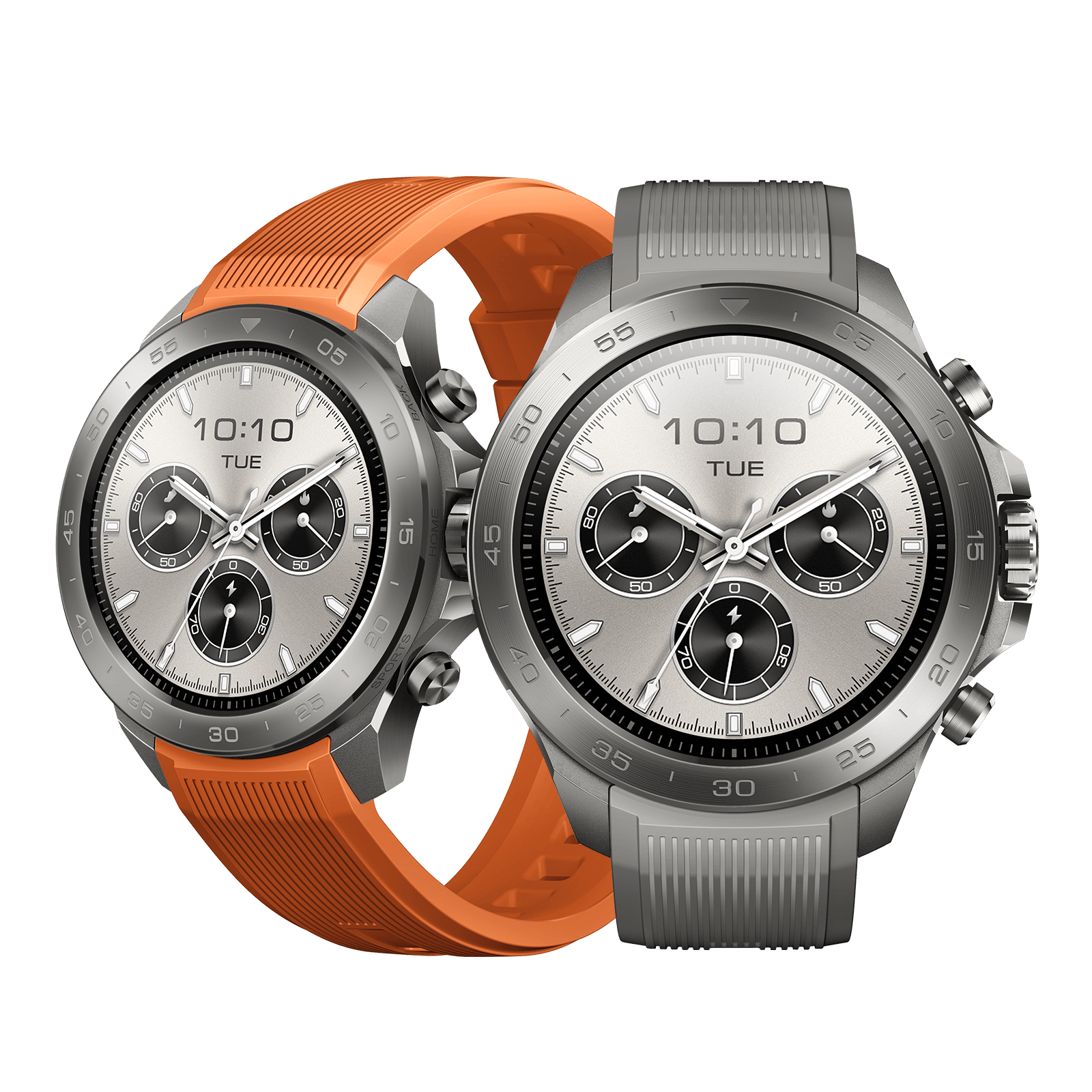
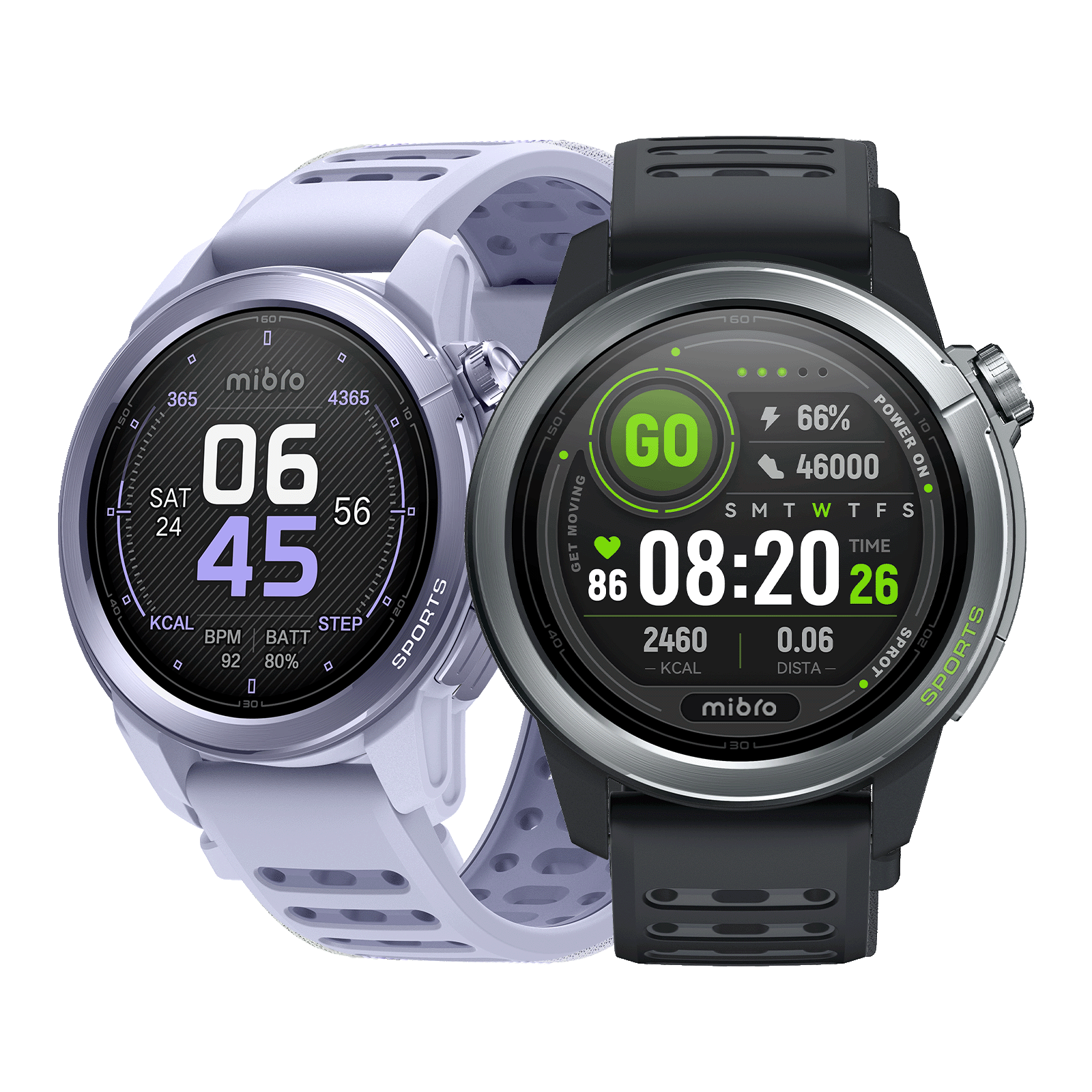
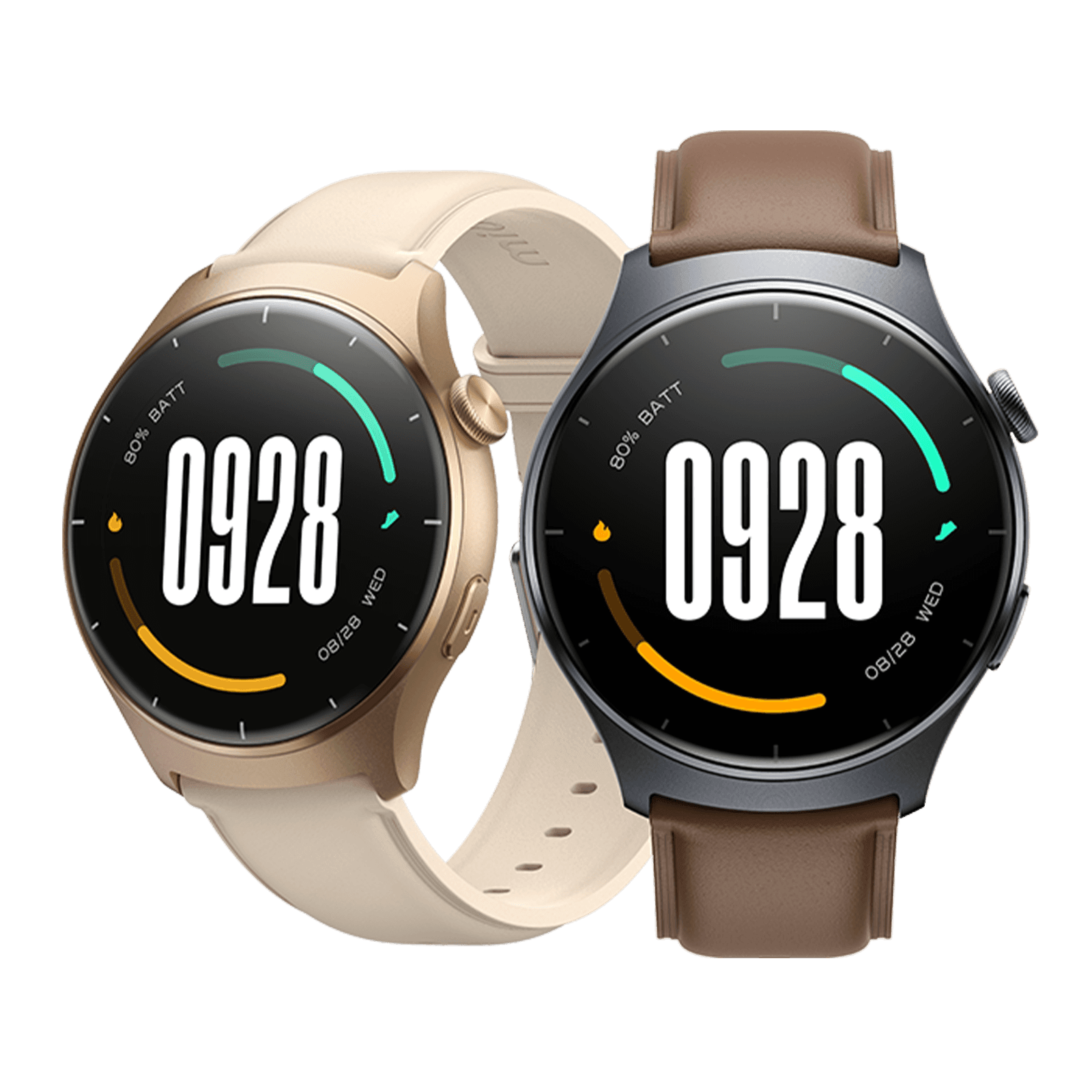
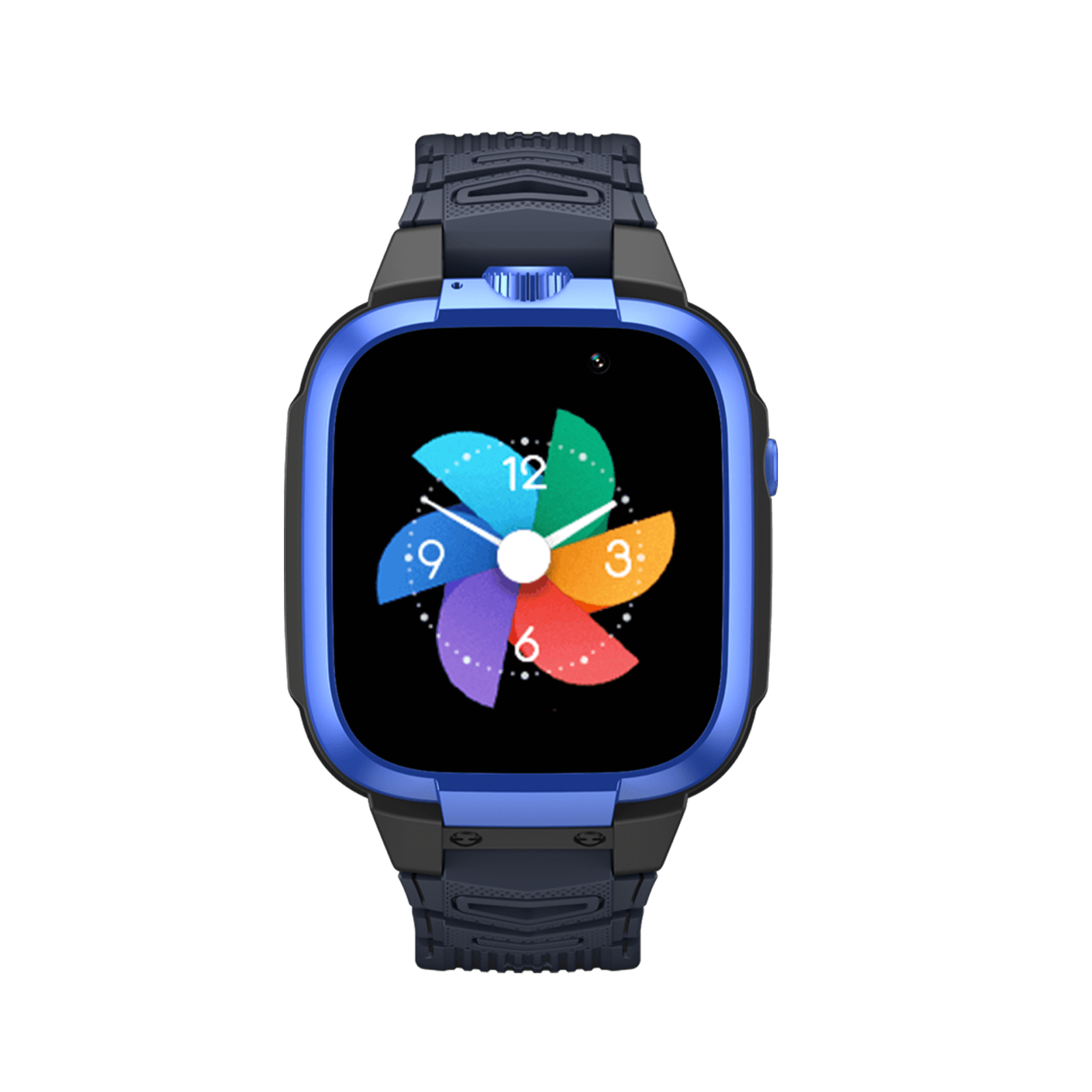
While manual checks are great, modern technology allows you to track your body automatically. Using a wearable heart rate monitor is a much more convenient way to see how your body responds to daily life without stopping to count beats. If you are looking for a reliable, user-friendly device, Mibro smartwatches offer an excellent solution.
A Mibro smartwatch is a smart heart rate monitor designed for both intense workouts and everyday use. It offers a smart 24-hour mode that monitors your pulse all day, as well as a real-time tracking mode.
Its real-time mode lets you customize high and low pulse limits tailored to your own body's unique baseline, and it will give you a helpful resting heart rate alert if your numbers go outside your safe zone. Additionally, the companion app allows you to view your health data trends by the day, week, month, or year, helping you easily see how your heart health improves over time.
Clinical Measurements
When you go to a clinic or hospital, doctors use advanced diagnostic tools. The most common test is an Electrocardiogram (ECG or EKG). According to Johns Hopkins Medicine, an EKG uses small, sticky patches attached to your chest and arms to draw a picture of the electrical signals traveling through your heart. If your doctor wants to see how your heart behaves over a longer period, they may ask you to wear a portable Holter monitor, which records your heartbeat continuously for 24 to 48 hours while you live your normal life.
How to Improve Heart Health
Committing to improving heart health is one of the most rewarding choices you can make for your long-term energy and well-being. By building a few simple habits into your daily routine, you can strengthen your heart muscle and maintain a lower, healthier resting pulse.
Eat a Heart-Healthy Diet
Focusing on what you eat is a powerful step toward improving heart health. Try to adopt a Mediterranean-style diet filled with whole foods like leafy green vegetables, berries, whole grains, nuts, and healthy fats like olive oil. These foods are packed with antioxidants and fiber that protect your blood vessels. At the same time, significantly reduce your intake of ultra-processed foods, added sugars, and excess salt, which cause high blood pressure and force your heart to work much harder.
Engage in Consistent Exercise
Regular physical movement is one of the most effective ways to improve heart health. The AHA recommends getting at least 150 minutes of moderate-intensity aerobic exercise—like brisk walking, swimming, or cycling—every single week. When you exercise regularly, you train your heart to pump more blood with less effort. Over time, this physical conditioning lowers your daily resting pulse and keeps your heart in excellent shape.
Focus on Sleep Quality and Stress Reduction
Chronic stress and poor sleep keep your body in a constant "fight or flight" mode, which elevates your pulse and damages your arteries. Aim for 7 to 9 hours of uninterrupted sleep each night to give your heart tissue time to repair itself. To manage daily stress, practice constructive relaxation techniques like deep breathing exercises, meditation, yoga, or spending quiet time outdoors in nature.
Bonus: Maximum Heart Rate & Target Heart Rate Zones
To maximize the benefits of your exercise sessions without overworking your body, you need to understand your ideal heart rate zone. To find these target zones, you must first learn how to calculate maximum heart rate. There is a classic, simple formula to calculate max heart rate:
Maximum Heart Rate = 220 − Your Age
Once you use this formula to calculate maximum heart rate, you can easily find your target zones. For moderate-intensity activities (like fast walking), your target zone is 50% to 70% of your maximum rate. For vigorous, high-intensity workouts (like running), your target zone should be 70% to 85% of your maximum rate. Exercising within these specific limits ensures you are working hard enough to strengthen your cardiovascular system while staying completely safe.
The reference table below shows the calculated values for different age groups:
| Age | Maximum heart rate (bpm) | Target heart rate (bpm) 50–75% | Target heart rate (bpm) 70–85% |
|---|---|---|---|
| 20 | 200 | 100–150 | 140–170 |
| 30 | 190 | 95–142 | 133–161 |
| 35 | 185 | 93–139 | 129–157 |
| 40 | 180 | 90–135 | 126–153 |
| 45 | 175 | 88–131 | 122–149 |
| 50 | 170 | 85–127 | 119–144 |
| 60 | 160 | 80–120 | 112–136 |
| 70 | 150 | 75–112 | 105–127 |
Final Words
Your heart rate is a wonderful, personal dashboard that tells you exactly how your body is responding to life, exercise, and stress. By learning what a normal heart rate feels like for your body, tracking your numbers with modern wearable tools, and choosing healthy habits every day, you can protect your heart for many years to come. Remember to listen to your body, stay active, and always consult a doctor if you notice sudden, unexplained changes in your pulse.
FAQs About Heart Rate
Why is my heart rate so high?
A high heart rate can be triggered by harmless everyday factors like physical exertion, drinking too much coffee, feeling stressed or anxious, dehydration, or running a temporary fever. However, if your resting pulse stays high without a clear reason, it could point to a medical issue like an overactive thyroid, anemia, or an underlying heart condition that needs to be checked by a doctor.
Why is my heart rate so low?
A low heart rate is very common and safe for athletic individuals because their regular training makes their heart muscle unusually strong and efficient. For non-athletes, a low pulse can be caused by certain prescription medications (like beta-blockers), the natural aging of the heart's electrical system, or an imbalance of minerals in the blood.
How to lower heart rate?
To lower your pulse quickly during a stressful moment, sit down comfortably, drink a cool glass of water, and take slow, deep breaths for a few minutes. For long-term improvements, focus on practical ways to improve heart health such as exercising for 150 minutes a week, eating a balanced diet low in sodium, getting enough sleep, and avoiding tobacco products.
What are 5 signs your heart is in danger?
According to major cardiovascular health authorities, five critical warning signs that mean your heart is in immediate danger and requires urgent emergency medical care are:
- Sudden pain, heavy pressure, squeezing, or fullness in the center of your chest.
- Shortness of breath that starts suddenly, even when you are sitting completely still.
- Sudden, unexplained dizziness, severe lightheadedness, or completely fainting.
- Uncomfortable pain or numbness that spreads from your chest into your jaw, neck, back, or down one or both arms.
- A sudden, chaotic racing or irregular heartbeat that is accompanied by cold sweats or sudden, extreme physical weakness.
References
- https://my.clevelandclinic.org/health/diagnostics/heart-rate
- https://www.health.harvard.edu/heart-health/what-your-heart-rate-is-telling-you
- https://www.heart.org/en/health-topics/high-blood-pressure/the-facts-about-high-blood-pressure/all-about-heart-rate-pulse
- https://www.massgeneralbrigham.org/en/about/newsroom/articles/how-to-check-your-heart-rate
- https://www.healthline.com/health/running-heart-rate
Disclaimer: All information is for general informational purposes only and based on public sources; it is not medical advice, and for any health concerns or diagnosis, please consult a qualified healthcare professional.

