 Skip to content







Whether you're training for your first 5K, preparing for a marathon, or simply trying to run more efficiently, understanding your running pace can help you train smarter and race with more control. Pace shows how long it takes you to cover a set distance, making it a practical way to track effort and progress.
Many runners confuse running pace with running speed, but they are not the same. Pace is usually expressed as min/km or min/mile, while speed is measured in km/h or mph. In this guide, you'll learn what running pace means, what counts as a good running pace, how to calculate it, how to improve it, and how to use pace charts and tools like running pace calculators, apps, and smartwatches. Let's dive in!
What is Running Pace?
Simply put, running pace means the time it takes you to cover a specific distance, usually expressed in minutes per kilometer (min/km) or minutes per mile (min/mile). For example, if you run 1 kilometer in 6 minutes, your running pace is 6:00 min/km.
A lot of runners confuse running pace with running speed, but they're actually two sides of the same coin. Running speed measures how far you go in a unit of time — like kilometers per hour (km/h) or miles per hour (mph). Running pace, on the other hand, measures how much time you need for each unit of distance. If your treadmill says you're running at 10 km/h, that works out to a running pace of roughly 6:00 min/km. In the real world, runners almost always talk in terms of pace because it tells you instantly how long a given run will take, and it makes race-day planning much easier.
But pace isn't just for races. In your daily training, knowing your running pace helps you decide exactly how fast to run your long, slow days, your intervals, and your tempo workouts. And perhaps most importantly, tracking your pace over time is one of the most direct ways to see improvement — when you notice that you're covering the same route faster than you did a month ago, that's a huge motivator to keep going.

What is a Good Running Pace
"What is a good running pace?" That's probably the #1 question every runner asks at some point. The honest answer? There is no single "good" pace.
A good running pace depends entirely on your age, gender, training background, the distance you're running, and even how you feel on that particular day. The same runner will have very different paces for a 5K versus a marathon—the longer the race, the slower the pace has to be.
Still, it helps to know what the average running pace looks like for people like you. According to a massive analysis by RunRepeat, which looked at over 35 million race results, here are the typical average running pace ranges for recreational 5K runners:
| Age Group | Men (min/mile) | Men (min/km) | Women (min/mile) | Women (min/km) |
|---|---|---|---|---|
| 20–29 | 9:30–11:00 | 5:54–6:50 | 11:00–13:00 | 6:50–8:04 |
| 30–39 | 10:00–11:30 | 6:13–7:09 | 11:30–13:30 | 7:09–8:23 |
| 40–49 | 10:15–12:00 | 6:22–7:27 | 12:00–14:00 | 7:27–8:41 |
| 50–59 | 11:00–13:00 | 6:50–8:04 | 12:30–14:30 | 7:46–9:00 |
| 60+ | 12:00–14:30 | 7:27–9:00 | 14:00–16:30 | 8:41–10:15 |
The U.S. Army Physical Fitness Test (APFT) offers another useful benchmark. In the 2‑mile run, the top 50% of male soldiers average anywhere from 8:18/mile (ages 17–21) to 10:33/mile (ages 57–61); for women, the range is about 9:51/mile to 13:03/mile over the same age span.
If you're just starting out, your good running pace will look very different, and that's perfectly fine. Studies show that first‑time 5K racers often finish in 40–46 minutes for men (roughly 12:55–14:50/mile) and 46–53 minutes for women (14:50–17:05/mile). Most beginner runners log their daily miles at paces between 12 and 15 minutes per mile. To put that in perspective, brisk walking is about 15 minutes per mile or slower—so if you're faster than that, you're definitely running.
Instead of obsessing over "Is my running pace good enough?", ask yourself a better question: "Is this pace right for what I'm trying to do today?" Your easy runs should feel easy; your tempo runs should feel "comfortably hard." A good running pace isn't something you measure against other people — it's something you measure against your own goals and your own progress.
Factors That Affect Running Pace
A whole bunch of things can change your running pace from day to day. We can group them into outside factors and internal factors.
Age is one of the biggest. Most runners hit their peak speed somewhere between 18 and 30. After about age 35, marathon pace tends to slow by roughly 0.5–0.7% per year. That decline is fairly gradual until your 50s, and it becomes more noticeable after 60.
Gender also plays a role. In any given age group, men on average run faster paces than women. You can see this reflected in everything from Boston Marathon qualifying times to world record performances.
Training background is probably the most powerful factor of all. How often you run, how many miles you log each week, and how many years you've been running all strongly correlate with faster paces. Studies have found that increasing your training frequency can significantly lower your running pace (meaning you get faster) in both 5K and 10K runners.

Weather and terrain matter a lot, too. Heat, humidity, wind, hills — all of these change how much energy it takes to run a given pace. Going uphill forces your body to work harder, so your pace naturally drops; downhill may feel easier, but uneven footing can also make you hesitate and slow down.
Your physical state on any given day is just as important. How well you recovered from yesterday's workout, how tired your legs are, whether you've eaten and hydrated properly before your run — all of these directly influence what pace you can hold. Even your sleep quality and carbohydrate intake can make a noticeable difference.
Finally, distance itself is a huge variable. Your 5K running pace will always be faster than your marathon pace—and that's not a sign of weakness; it's just basic physiology. The longer you go, the slower you have to start.
Common Running Pace Types
Not every run should feel the same. Here's a quick breakdown of the main running pace types, each with a clear purpose. They measure running pace on a numerical scale from 1 to 10 to indicate intensity. Level 1 represents the easiest pace, while level 10 represents the most challenging.
Recovery Pace — Your slowest running pace, done the day after a hard workout. Heart rate ~60% max; you can chat easily. Purpose: boost blood flow and clear metabolic waste, not to build fitness. Keep runs under 45 minutes.
Easy Pace — The "conversational" pace. Heart rate 60–75% max, effort 2–3/10. It builds aerobic base, fat‑burning efficiency, and capillary density without fatiguing you. If you can't hold a full conversation, you're going too fast.
Steady Pace — Between easy and tempo. Effort ~6–7/10; talking is possible but strained. It builds endurance for experienced runners but shouldn't replace your easy days — overdoing it hurts harder sessions later.
Tempo (Threshold) Pace — The fastest pace you can hold for about an hour. Effort ~8/10, heart rate 80–90% max. It raises your lactate threshold, letting you run faster for longer. A typical workout: 20–30 min at threshold with warm‑up and cool‑down.
Interval Pace — Short, hard repeats (e.g., 400m–1 mile) with recovery in between. Effort 8–9/10, heart rate 90–98% max. Boosts VO2 max and running economy. Never run intervals longer than 5 minutes; they should be at a pace you couldn't sustain for more than 15 minutes.
Repetition Pace — Faster than intervals, with full recovery between efforts (so you can run each rep just as fast as the first). Focuses on speed and running form, not fatigue. Used for race‑specific sharpening.
Marathon Pace — Your target race pace, about 20–40 sec/mile slower than tempo. Effort 6–7/10, heart rate 75–85% max. Long marathon‑pace runs build endurance and confidence at goal speed.

How to Calculate Running Pace
Calculating your running pace is straightforward. The basic formula is:
If you run 5 km in 25 minutes, that's 25 ÷ 5 = 5:00 min/km. Run 3 miles in 30 minutes? 30 ÷ 3 = 10:00 min/mile. That's your average running pace for that session. To flip it to speed, do speed = 60 ÷ Pace — that gives you km/h or mph.
That gives you km/h or mph. Of course, if mental math isn't your thing, there are plenty of tools to calculate running pace for you.
Online Running Pace Calculators
- CalculatorSoup — Enter your time and distance; it spits out pace, speed, and even race finish time estimates
- Marathon Handbook — Clean, straightforward, and works in both metric and imperial units
- RunHive — Supports every unit you can think of, with built‑in pace charts for quick reference
Running Pace Apps
If you prefer doing things on your phone, especially when you're actually out on the track—these apps are solid:
- Strava (iOS & Android) — More than just a tracker; it shows your per‑km/mile pace for every segment and lets you compare efforts over time
- Runkeeper (iOS & Android) — Tracks your pace in real time with audio cues, so you know exactly where you stand without looking at your screen
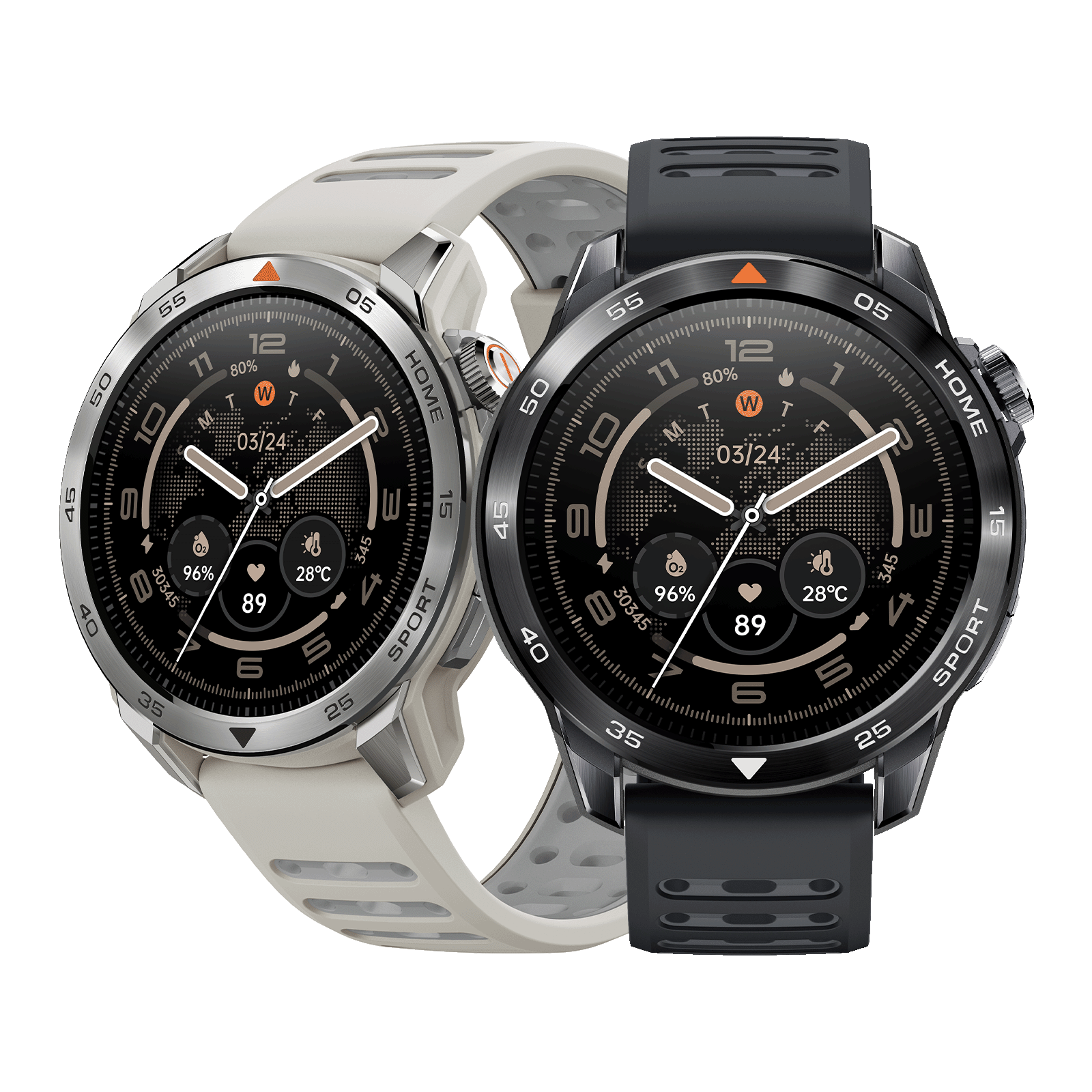
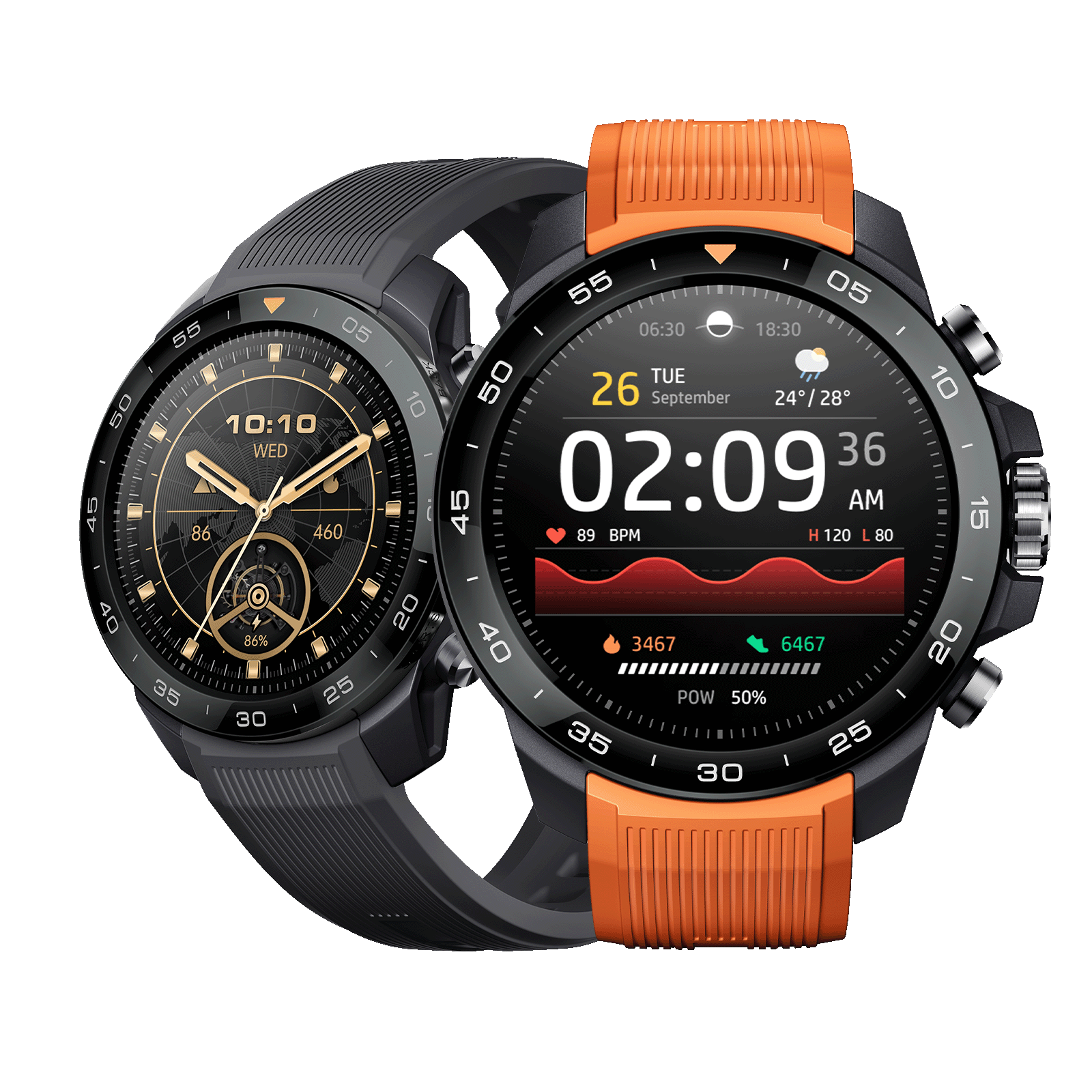
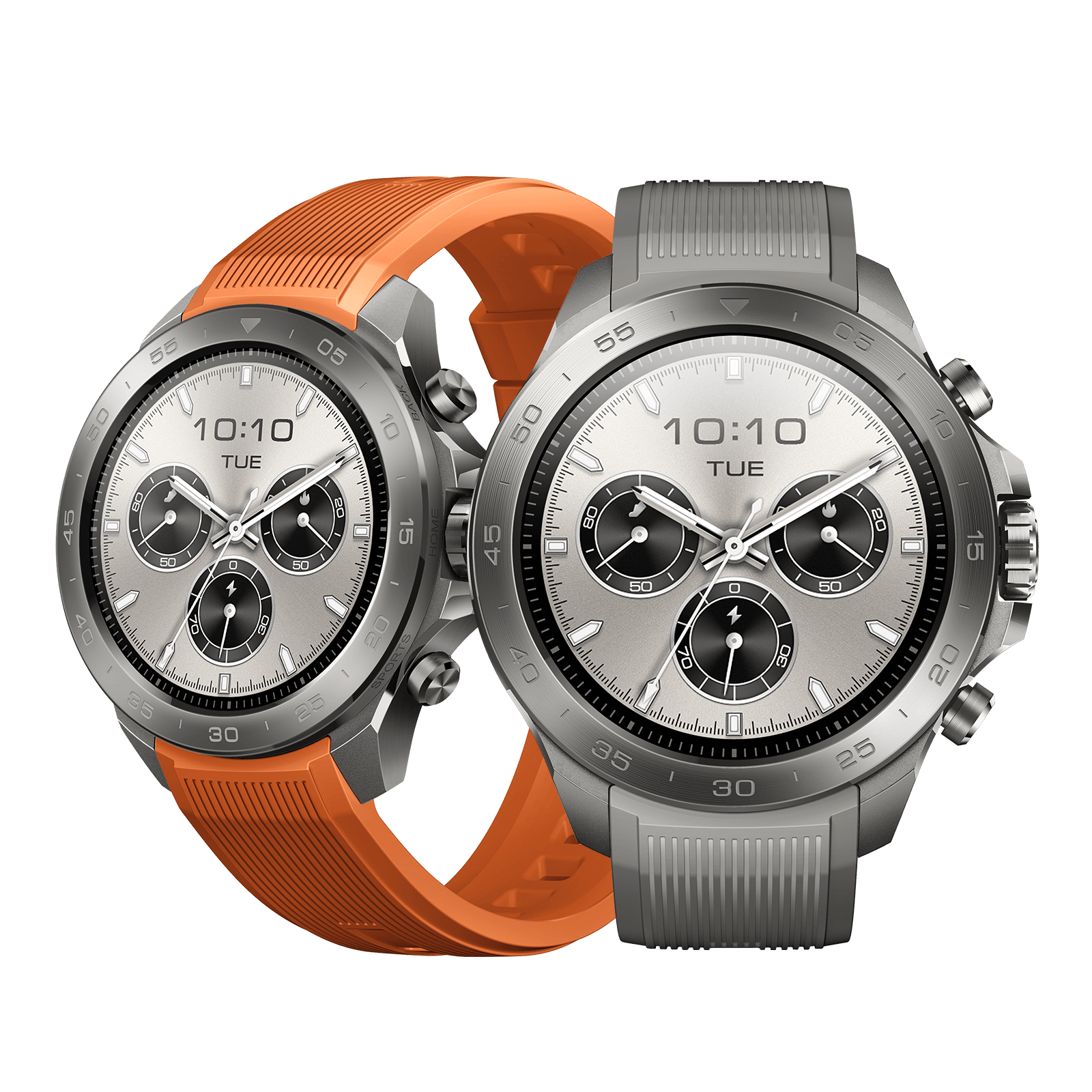
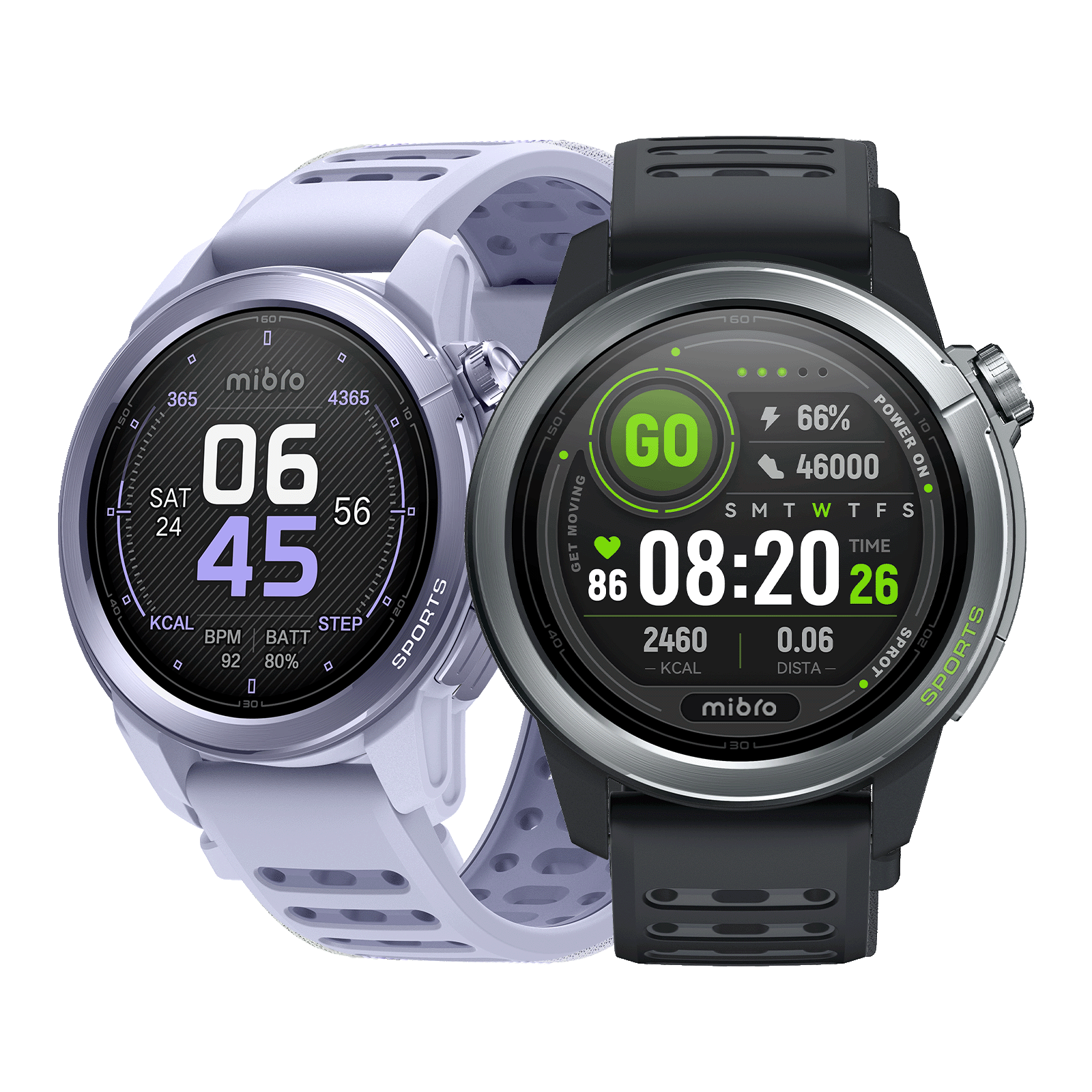
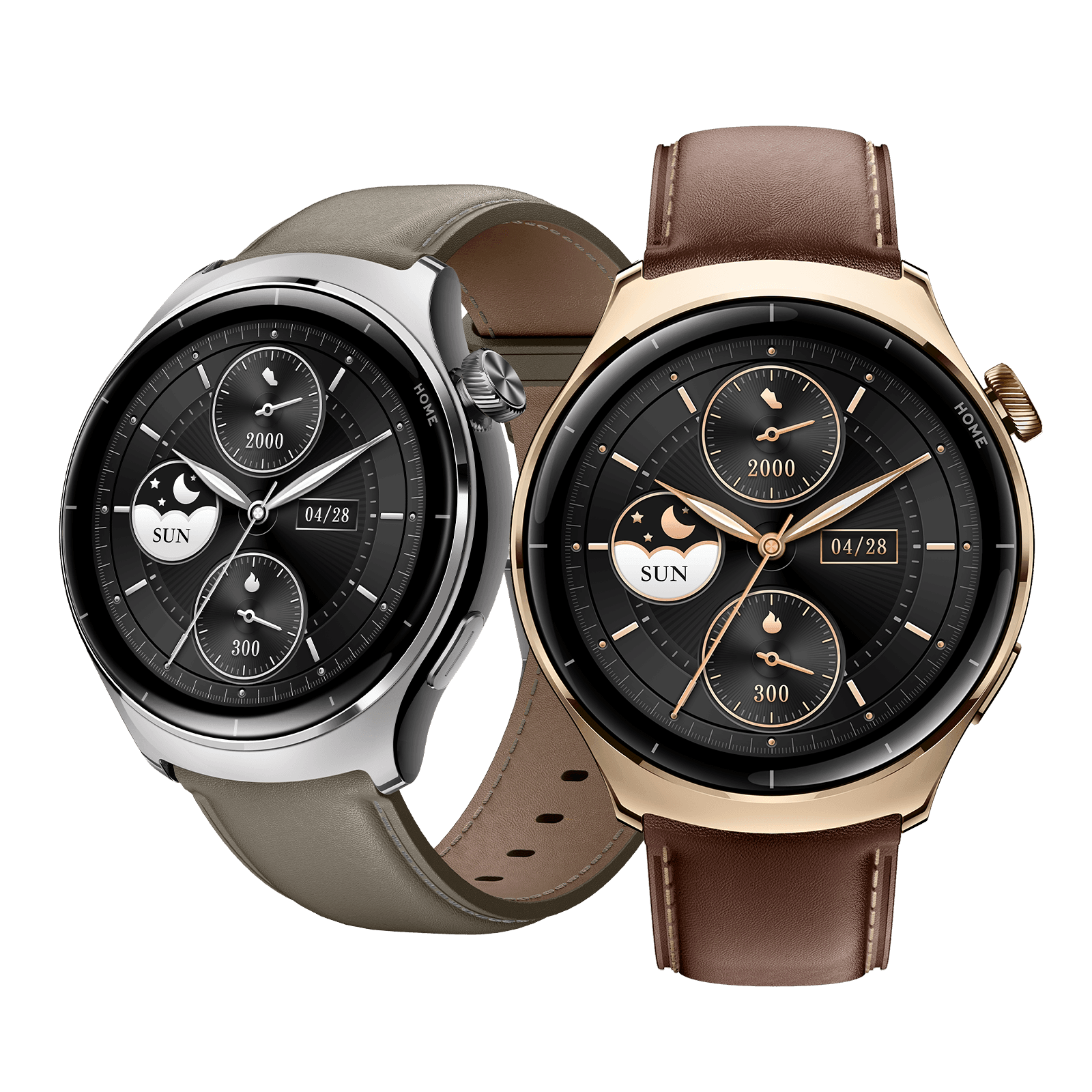
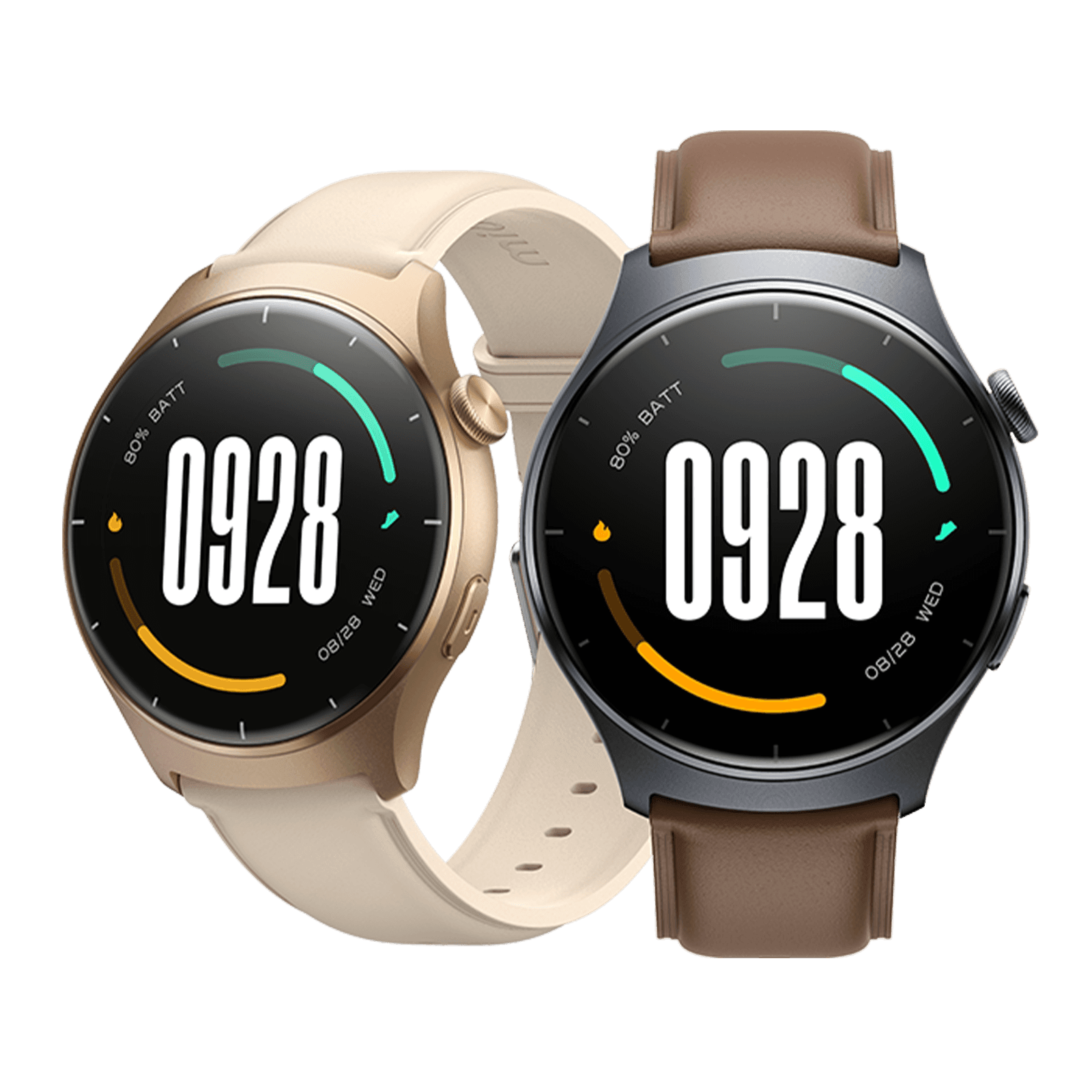
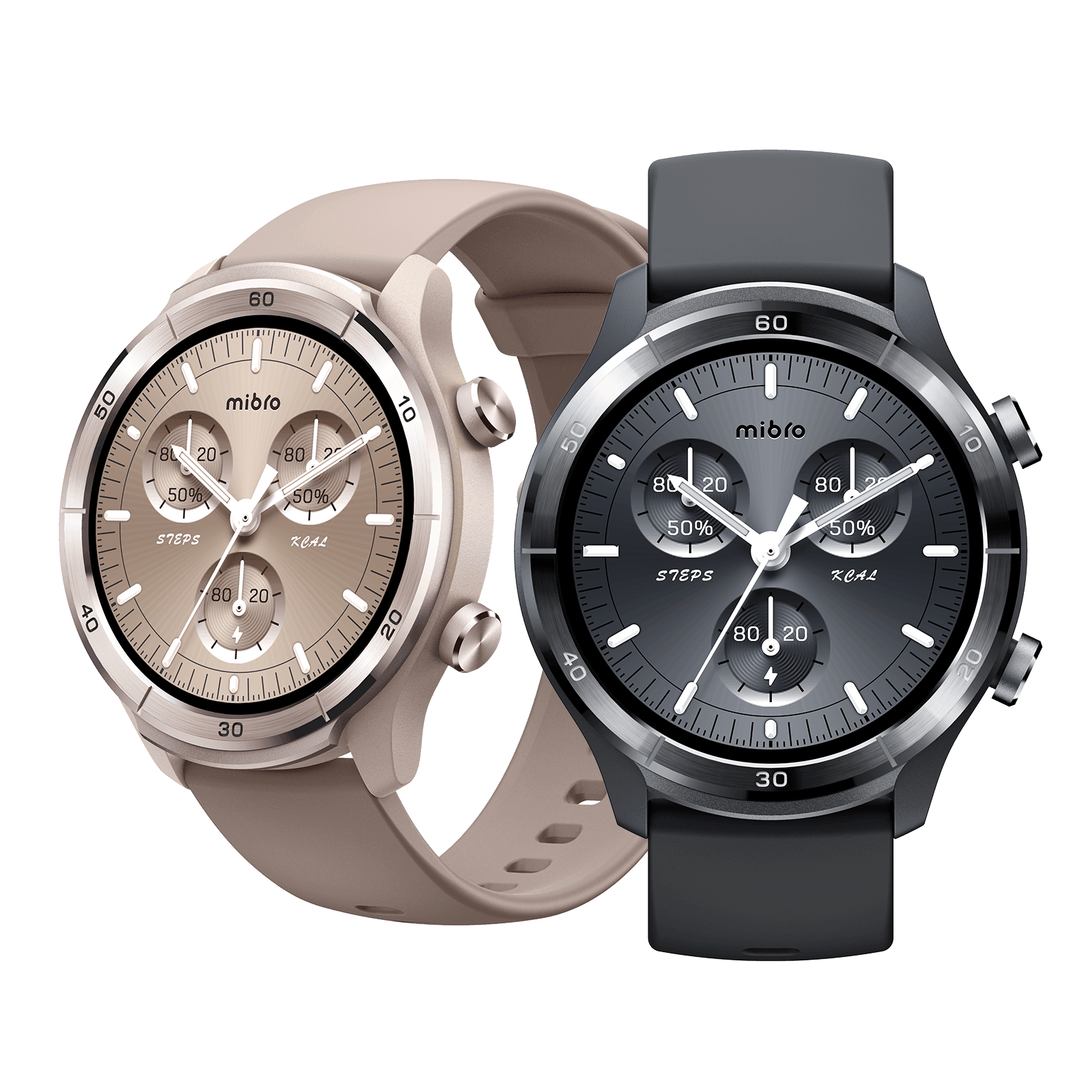
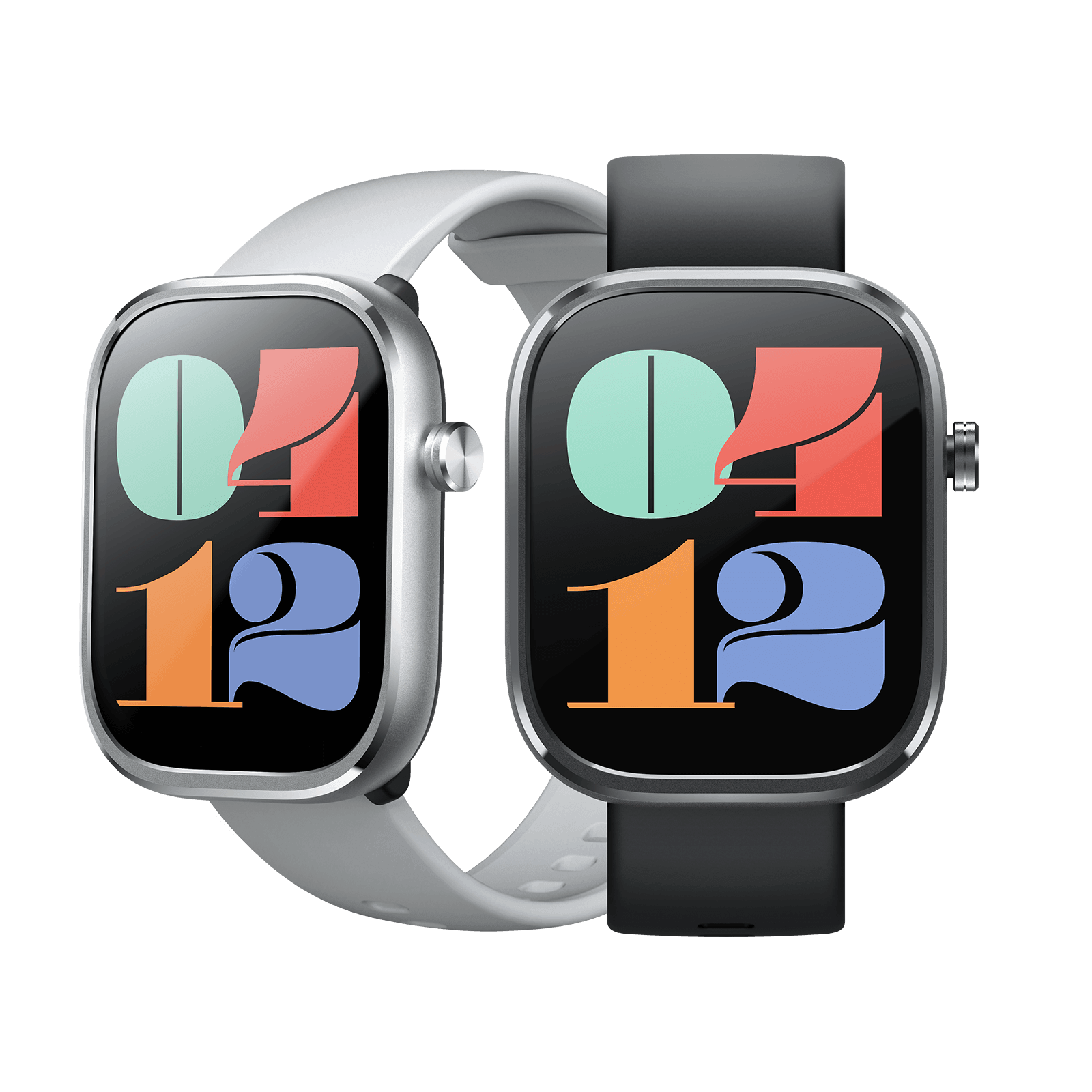
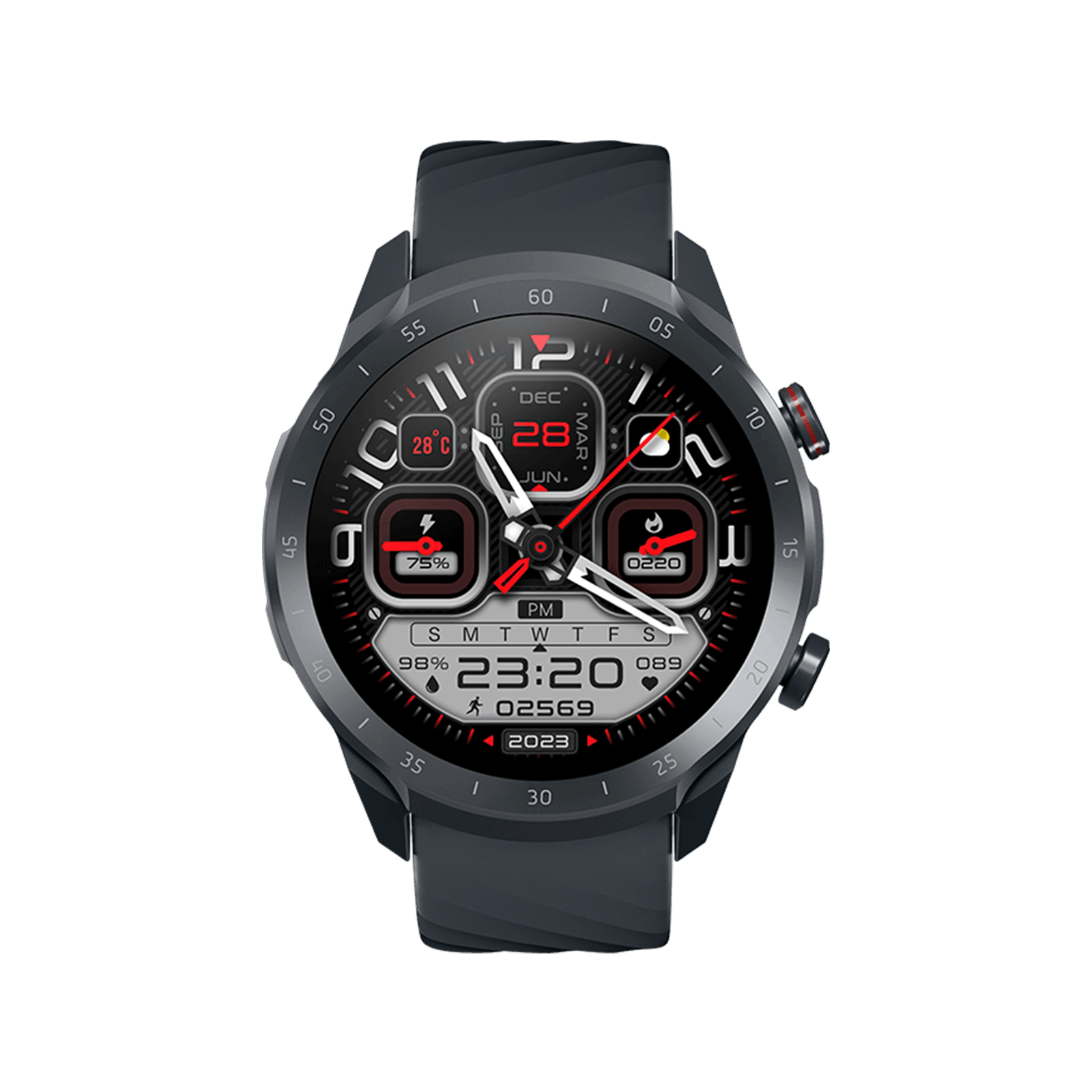
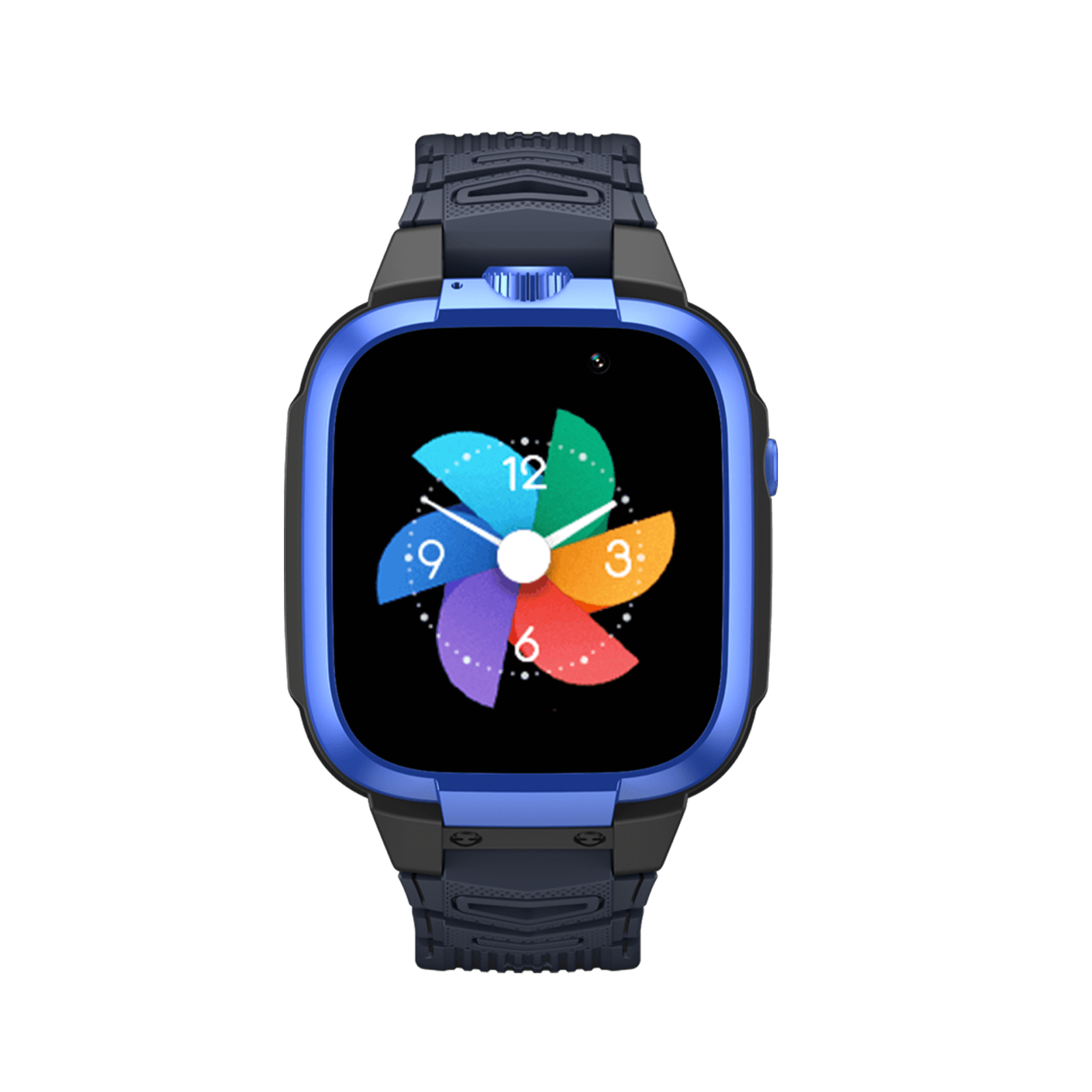
To be honest, most runners today don't manually calculate anything. They just glance at their wrist. A fitness smartwatch tracks your running pace in real time, automatically updating with every stride. No formulas, no apps to open, no fuss.
Mibro GS Explorer S
Learn More →How to Improve Running Pace
The secret of how to improve running pace isn't running harder every day — it's running smarter. Most recreational runners do the same route at the same effort week after week. To truly increase running pace, you need variety: workouts that target different systems, including your aerobic engine, your lactate threshold, your power, and your efficiency.
Interval Training
Interval training is the most direct way to improve running pace. You alternate short, fast bursts with recovery periods. This pushes your body to run at speeds you couldn't sustain continuously—boosting VO2 max (your oxygen ceiling) and teaching your muscles to work efficiently at higher speeds.
How to do it: Replace one easy run per week with intervals. A classic starter: 6 x 400m at your 5K pace, with 2 minutes of jogging recovery between each. The higher the intensity, the shorter the intervals should be. Keep hard intervals under 5 minutes—they should feel challenging but controlled.
Tempo Runs
Tempo runs target your lactate threshold—the point where fatigue starts to kick in. Run at this "comfortably hard" pace, and your body learns to clear lactate faster, so you can run faster for longer. Think of it as raising your redline.
How to do it: Warm up for 10 minutes, then run 20–30 minutes at tempo pace (about 80–90% of max effort), followed by a cool-down. You should feel in control but be unable to say more than a few words at a time. Once a week is plenty.

Long Slow Distance (LSD)
Counterintuitive but true: running slowly helps you increase running pace. Long slow distance runs build aerobic capacity—more mitochondria, better fat burning, stronger tendons and ligaments. They don't directly make you faster; they help you hold your pace longer without fading.
How to do it: Once a week, run 20–30% longer than your usual run at a fully conversational pace (Zone 2 effort). If you can't chat comfortably, you're going too fast.
Strength Training
This is the most underused tool for runners. Strength training improves running economy — how much energy you burn at a given pace — by roughly 2–8%. Stronger muscles generate more force per stride, so you use less oxygen at the same running pace.
How to do it: 2–3 sessions per week, 30–60 minutes each. Focus on compound lifts: squats, deadlifts, lunges, and explosive moves like box jumps. Place these after easy runs, not before hard sessions.

Cadence & Running Form
Cadence is your steps per minute. A quicker cadence (around 170–180 SPM for most runners) reduces overstriding, lowers impact forces, and improves running economy. It's one of the simplest ways to improve running pace without extra effort.
How to do it: Count your steps for 30 seconds and multiply by 2 to get your current cadence. Aim to increase it by 5–10%. Use a metronome app or run to music with a faster beat. Focus on shorter, quicker steps—not longer strides.
Recovery Focus
Recovery isn't lazy. Instead, it's when your body actually gets stronger. Hard days break you down; easy days build you back up. Skip recovery, and you'll plateau or get injured.
How to do it: Follow the 80/20 rule—about 80% of your weekly runs at easy effort, 20% at quality intensity. Get 7–9 hours of sleep. Take at least one full rest day per week. If your legs feel heavy or your pace is consistently off, you're probably under-recovered.
Running Pace Chart (Reference Table)
Knowing the average finish times for each race distance helps you put your own running pace into perspective. Below are separate reference tables for the four most popular distances: 5K, 10K, half marathon, and marathon.
5K Running Pace Chart
| Age Group | Men (Avg Finish) | Men (Avg Pace) | Women (Avg Finish) | Women (Avg Pace) |
|---|---|---|---|---|
| Under 20 | 7:28 | 10:07/mile (6:17/km) | 14:38 | 12:26/mile (7:43/km) |
| 20–29 | 9:19 | 10:43/mile (6:39/km) | 14:44 | 12:28/mile (7:44/km) |
| 30–39 | 10:36 | 11:08/mile (6:55/km) | 16:13 | 12:57/mile (8:02/km) |
| 40–49 | 11:24 | 11:24/mile (7:04/km) | 17:40 | 13:25/mile (8:20/km) |
| 50–59 | 12:34 | 11:46/mile (7:18/km) | 19:57 | 14:09/mile (8:47/km) |
| 60+ | 16:42 | 13:06/mile (8:08/km) | 0:41 | 15:40/mile (9:44/km) |
10K Running Pace Chart
| Age Group | Men (Avg Finish) | Men (Avg Pace) | Women (Avg Finish) | Women (Avg Pace) |
|---|---|---|---|---|
| 20s | ~48–50 min | ~7:43–8:03/mile | ~52–55 min | ~8:22–8:51/mile |
| 30s | ~50–53 min | ~8:03–8:31/mile | ~55–58 min | ~8:51–9:20/mile |
| 40s | ~53–57 min | ~8:31–9:10/mile | ~58–62 min | ~9:20–9:58/mile |
| 50s | ~57–62 min | ~9:10–9:58/mile | ~62–67 min | ~9:58–10:47/mile |
| 60s | ~62–68 min | ~9:58–10:56/mile | ~67–73 min | ~10:47–11:45/mile |
Half Marathon Running Pace Chart
| Age Group | Men (Avg Finish) | Men (Avg Pace) | Women (Avg Finish) | Women (Avg Pace) |
|---|---|---|---|---|
| 20–29 | ~1:40–1:45 | ~7:38–8:01/mile | ~1:55–2:00 | ~8:46–9:10/mile |
| 30–39 | ~1:42–1:48 | ~7:48–8:14/mile | ~1:58–2:03 | ~9:00–9:23/mile |
| 40–49 | ~1:46–1:53 | ~8:05–8:37/mile | ~2:02–2:08 | ~9:19–9:46/mile |
| 50–59 | ~1:52–2:02 | ~8:33–9:19/mile | ~2:08–2:18 | ~9:46–10:32/mile |
| 60+ | ~2:02–2:20 | ~9:19–10:41/mile | ~2:18–2:40 | ~10:32–12:12/mile |
Marathon Running Pace Chart
| Age Group | Men (Avg Finish) | Men (Avg Pace) | Women (Avg Finish) | Women (Avg Pace) |
|---|---|---|---|---|
| 18–24 | 4:15:59 | 9:46/mile (6:04/km) | 4:32:23 | 10:23/mile (6:27/km) |
| 25–29 | 4:17:11 | 9:49/mile (6:06/km) | 4:24:04 | 10:04/mile (6:15/km) |
| 30–34 | 4:15:03 | 9:44/mile (6:03/km) | 4:27:24 | 10:12/mile (6:20/km) |
| 35–39 | 4:18:45 | 9:52/mile (6:08/km) | 4:25:09 | 10:07/mile (6:17/km) |
| 40–44 | 4:24:24 | 10:05/mile (6:16/km) | 4:36:35 | 10:33/mile (6:33/km) |
| 45–49 | 4:20:59 | 9:57/mile (6:11/km) | 4:41:02 | 10:43/mile (6:39/km) |
| 50–54 | 4:29:44 | 10:17/mile (6:23/km) | 4:45:16 | 10:53/mile (6:45/km) |
| 55–59 | 4:34:11 | 10:28/mile (6:30/km) | 4:45:34 | 10:53/mile (6:45/km) |
| 60–64 | 4:37:21 | 10:35/mile (6:34/km) | 4:58:31 | 11:23/mile (7:04/km) |
| 65–69 | 4:49:44 | 11:03/mile (6:52/km) | 4:56:52 | 11:19/mile (7:02/km) |
| 70–74 | 5:09:52 | 11:49/mile (7:20/km) | 5:27:16 | 12:29/mile (7:45/km) |
These are average running paces from RunRepeat, IAAF, and major race results. They include only runners who actually show up to events. Your everyday training running pace will likely be slower, and that's completely normal. Use these charts as a rough guide, not a report card.
Disclaimer: This article draws from publicly available sources and is intended for general informational purposes only. The content should not be taken as a substitute for professional, medical, or fitness advice. We encourage you to independently verify any details and consult with a qualified expert before making decisions based on this information.
References
- https://runnersconnect.net/running-pace/
- https://www.englandathletics.org/news/simplifying-the-running-jargon-training-pace-2/
- https://www.active.com/running/articles/understanding-proper-training-pace
- https://www.salomon.com/en-us/sg/a/how-to-use-running-pace-calculation-training-competition
- https://www.puregym.com/blog/running-pace-guide/
- https://runnersconnect.net/running-pace/
- https://www.medicalnewstoday.com/articles/326263
- https://www.verywellhealth.com/average-time-to-run-a-mile-11702468
- https://marathonhandbook.com/average-running-speed/
- https://sportcoaching.com.au/how-to-run-faster-without-increasing-your-mileage/
- https://run.outsideonline.com/training/getting-started-with-interval-running/
- https://runrepeat.com/how-do-you-masure-up-the-runners-percentile-calculator
- https://www.healthline.com/health/exercise-fitness/average-5k-time

