 Skip to content

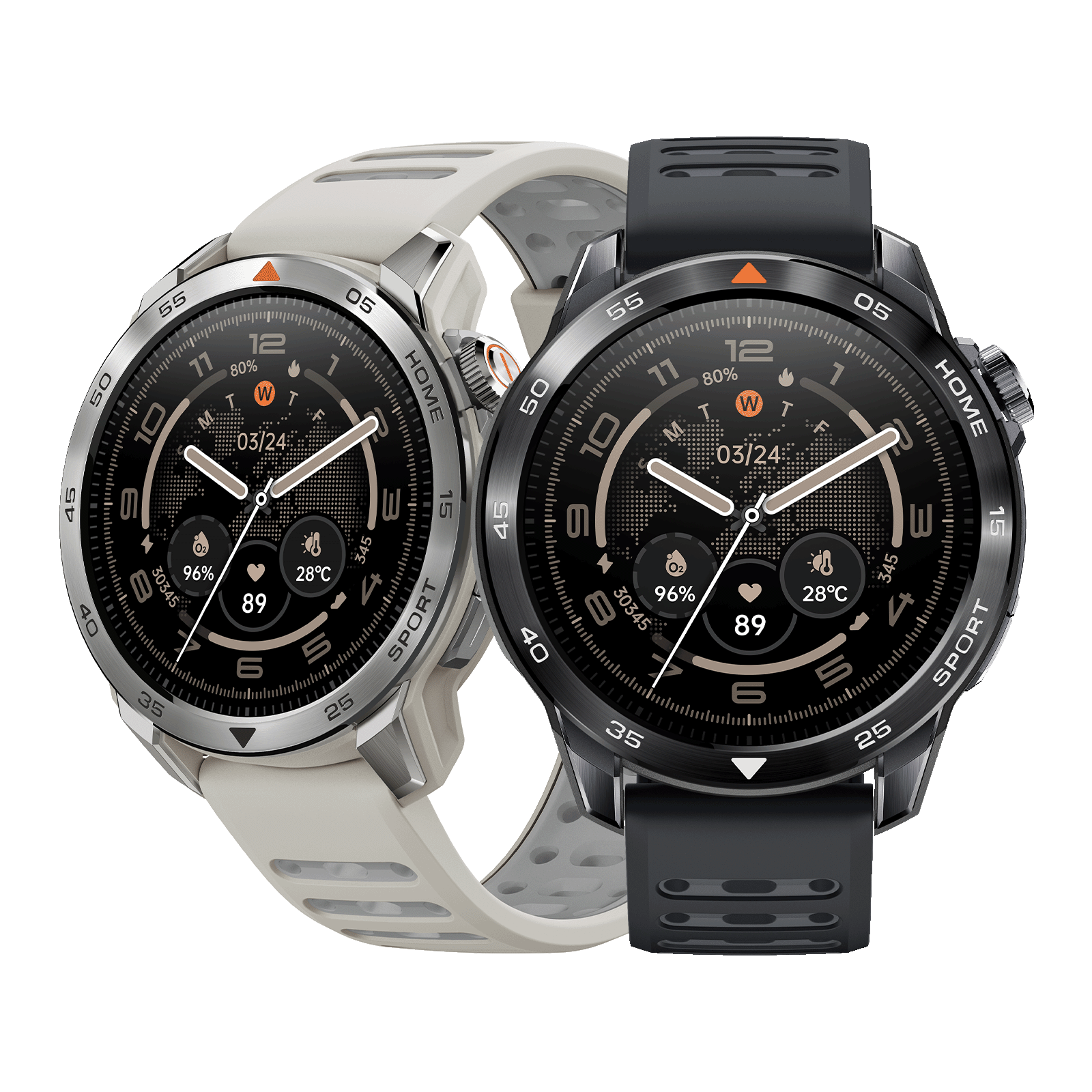
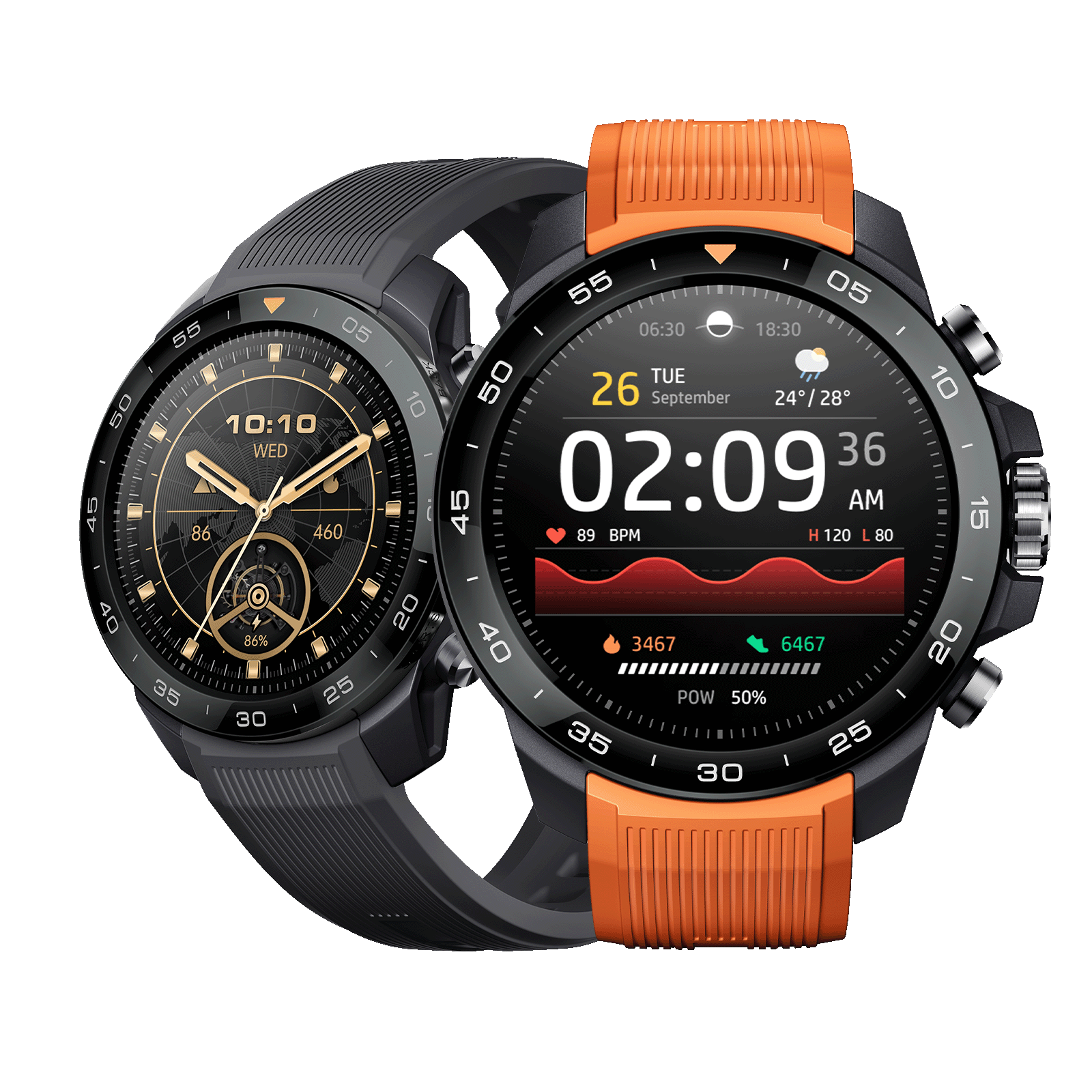
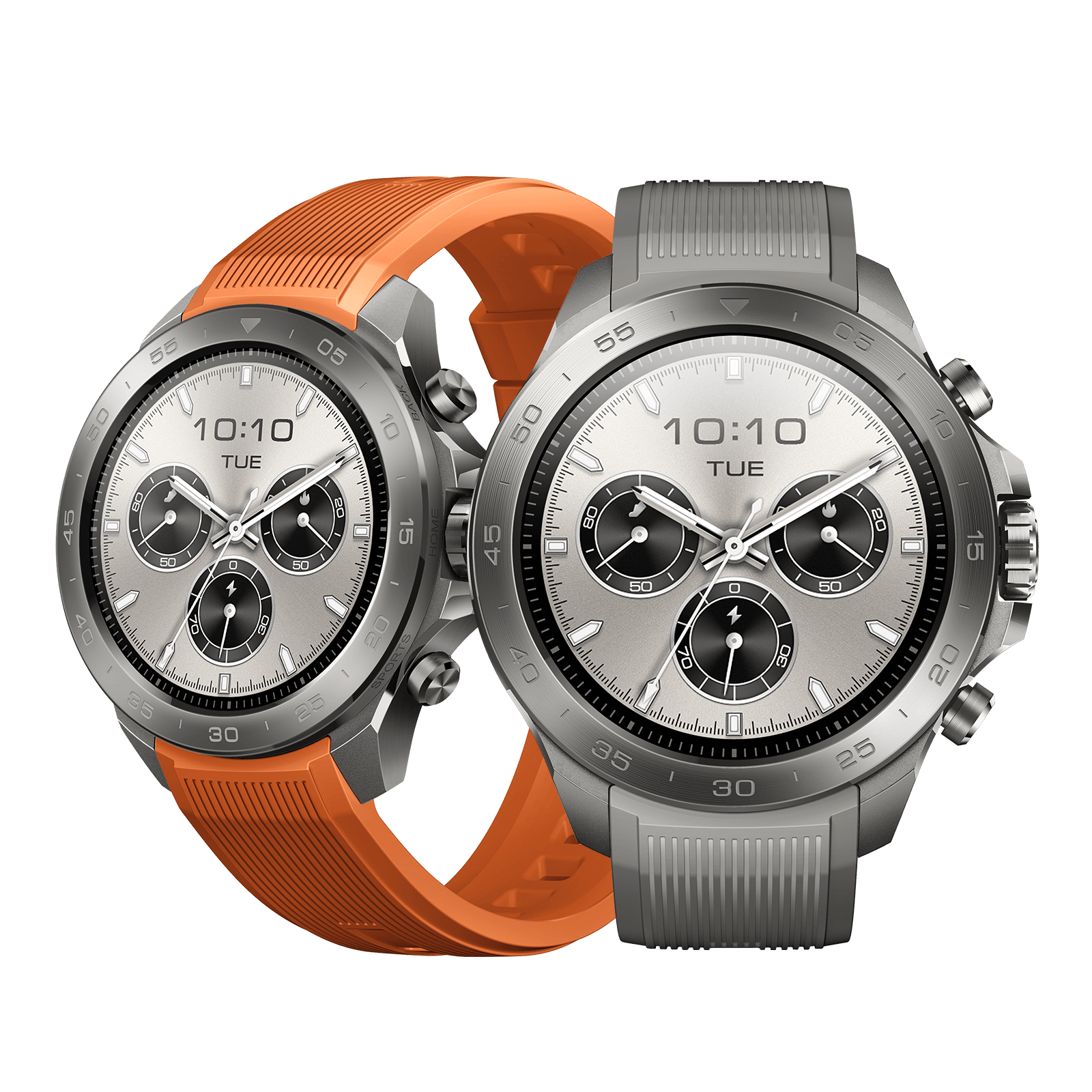
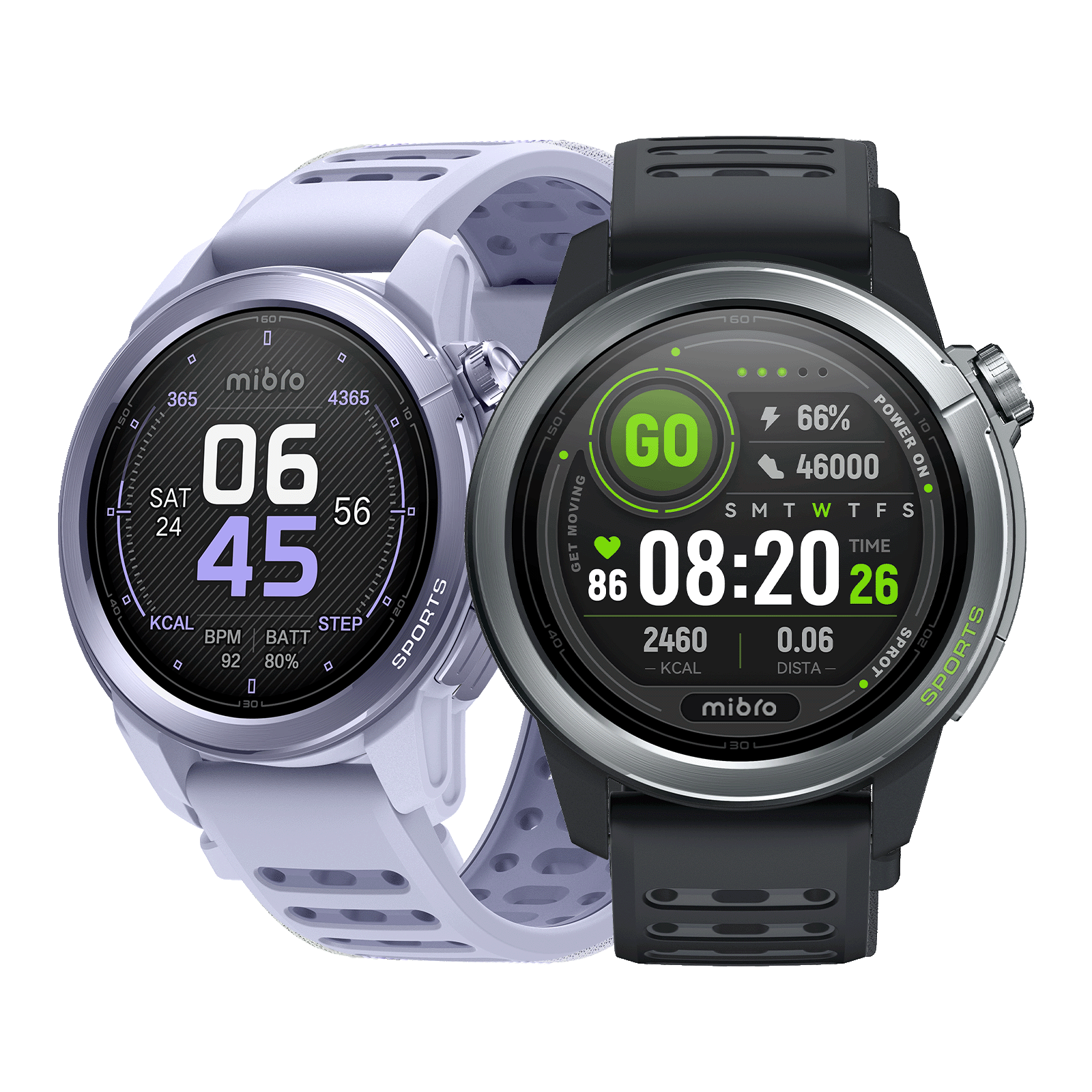











For years, fitness glorified the "no pain, no gain" approach — sweat drenched, lungs burning, heart pounding. While high-intensity training has its place, more athletes and everyday exercisers are now discovering the value of Zone 2 cardio. By keeping your heart rate within a moderate range, your body becomes more efficient at using oxygen. The benefits of Zone 2 cardio workouts even extend beyond endurance. They include better mitochondrial function, improved blood sugar control, and reduced injury risk. So whether your goal is to improve athletic performance, reduce the risk of injury and overtraining, or support long-term healthy aging, Zone 2 cardio heart rate training is a valuable addition to almost any fitness program.
You May Also Like:
What Is Zone 2 Cardio?
What is Zone 2 cardio? Zone 2 cardio is a form of steady, moderate-intensity aerobic exercise performed within Zone 2 of the five-zone heart rate training model. This system categorizes exercise intensity from light effort (Zone 1) to all-out sprinting (Zone 5).
It is called "Zone 2" because your exercise intensity falls within the second heart rate zone — typically around 60%–70% of your maximum heart rate (or approximately 65%–75% of your heart rate reserve, depending on the method used to define training zones). At this intensity, you can still hold a conversation, but your breathing becomes deeper and more noticeable. In other words, Zone 2 feels like work you could maintain for a long time, not because it's easy, but because it's not pushing you toward exhaustion.

How Zone 2 Cardio Works Inside Your Body
The magic of Zone 2 lies in how your body produces energy at this intensity. When you exercise in Zone 2, oxygen becomes the primary driver of energy production. Your body primarily burns fat for fuel rather than relying on carbohydrates or protein. This is why Zone 2 is sometimes called the "fat-burning zone".
But the benefits go much deeper inside your body. Sustained Zone 2 cardio training drives profound cellular adaptations:
- Mitochondrial biogenesis — your body builds more mitochondria (the "powerhouses" of your cells), and existing mitochondria become more efficient at producing energy.
- Enhanced fat oxidation — your muscles become better at using fat as a fuel source, sparing precious glycogen stores for when you really need them.
- Improved lactate clearance — your body becomes more efficient at clearing lactate, allowing you to sustain effort longer without fatigue.
- Greater capillary density — more tiny blood vessels deliver oxygen to working muscles.
Over time, these adaptations build what exercise scientists call your aerobic base. It's the foundation that makes all other training more effective.
Benefits of Zone 2 Cardio Training
Zone 2 cardio benefits go far beyond your body, and they can actually be felt in your daily life, from how your clothes fit to how you sleep at night.
1. Fat Burning and Better Metabolic Health
Zone 2 cardio is often called the "fat-burning zone" for good reason. At this intensity, your body primarily relies on fat for fuel rather than carbohydrates. "Training in zone 2 is a great way to burn fat while saving energy for more strenuous activity later," explains Dr. Kimberly Burbank, a sports medicine fellow at UCLA Health.
Over time, Zone 2 training enhances metabolic flexibility — your body's ability to seamlessly switch between fats and carbohydrates for energy. This is crucial because metabolic inflexibility is often linked to chronic conditions like type 2 diabetes. Regular Zone 2 work also improves insulin sensitivity, meaning your muscles need less insulin to absorb glucose from your bloodstream. Studies show that training your body to rely more on fat as a primary energy source leads to improved endurance and greater efficiency at low to medium exercise intensities.

2. Improve Cardiovascular Endurance
Zone 2 cardio heart rate training is among the most effective for building endurance. It boosts both the number and efficiency of mitochondria — the energy powerhouses inside your cells — which directly improves your body's ability to sustain longer workouts.
Zone 2 cardio training also drives central cardiovascular adaptations: increased stroke volume (more blood pumped per heartbeat), stronger and more efficient heart function, and improved oxygen-carrying capacity through enhanced red blood cell production. The heart's chambers actually enlarge, enabling it to pump more blood with each beat. A 5-week Zone 2 training program among high school soccer athletes demonstrated a statistically significant improvement in aerobic capacity, confirming that this approach effectively builds cardiovascular endurance.
3. Reduce the Risk of Chronic Diseases
Regular Zone 2 cardio exercise is a powerful tool for long-term disease prevention. Consistent training can help protect against a range of chronic health issues, including type 2 diabetes and heart disease.
One key mechanism is skeletal muscle glucose uptake — when your muscles pull sugar from the bloodstream to use for energy. With regular training, your body gets better at this process, improving insulin sensitivity and reducing diabetes risk. Zone 2 cardio also increases blood flow and helps your body produce more red blood cells, which are essential for delivering oxygen to your muscles and organs. Additionally, moderate aerobic exercise has been shown to reduce the risk of heart disease, stroke, and even certain cancers.

4. Lowers the Risk of Exercise Injuries
Research confirms that low-intensity training carries minimal risk of injury while still delivering meaningful fitness improvements. Zone 2 cardio training can be repeated daily with little risk of overtraining, making it ideal for building consistent, sustainable exercise habits. However, it's worth noting that doing these lighter workouts excessively — too long or too frequently — can increase the risk of overuse injuries like shin splints or tendinopathies over time. Moderation still matters.
5. Prevents Excessive Fatigue
Unlike high-intensity sessions that can leave you drained for the rest of the day, Zone 2 cardio builds fitness without the same fatigue cost. It improves your ability to produce energy aerobically, which directly influences how long you can work before fatigue sets in. This type of training also speeds recovery by boosting circulation, reducing soreness, and restoring mobility after hard training sessions. It enhances parasympathetic tone — the "rest and digest" branch of your nervous system — helping you recover more quickly between heavy efforts.
6. Improve Sleep Quality and Mental Health
The benefits of Zone 2 cardio extend beyond the physical — they reach into your brain and your bedtime routine. Moderate-intensity aerobic exercise has been shown to ease symptoms of anxiety and depression, reduce stress levels, and improve sleep quality. The moderate intensity also promotes the release of endorphins, reducing stress and enhancing mood. Zone 2 training supports a more relaxed state by lowering heart rate and blood pressure while promoting better digestion and immune function.
How to Know If You Are in Zone 2 Cardio
Identifying Zone 2 doesn't need a lab coat or a medical degree. There are several practical ways to tell if you're exercising in your zone 2 cardio heart rate range, from simple body awareness to handy wearable devices.
Method 1: The Talk Test
The easiest way to gauge your intensity requires zero equipment. It's called the "talk test."
Here's how it works: if you can carry on a conversation in full sentences but wouldn't want to sing a song, you're likely in Zone 2. You should be able to speak comfortably — a few words at a time before taking a breath — but you shouldn't be able to belt out your favorite tune.
Method 2: Rate of Perceived Exertion
If you prefer a numerical scale, try the Rate of Perceived Exertion. This is a widely used and reliable way to monitor and guide exercise intensity, developed by Swedish researcher Gunnar Borg. It helps you evaluate your internal comfort zone.
On the 0-to-10 modified Borg scale, here's what each number means:
| RPE Score | Verbal Rating | What It Feels Like |
|---|---|---|
| 0 | Nothing at all | No effort |
| 0.5 | Very, very weak | Barely noticeable effort |
| 1 | Very weak | Minimal effort |
| 2 | Weak | Light effort |
| 3 | Moderate | Noticeable but comfortable effort |
| 4 | Somewhat strong | Breathing deeper |
| 5 | Strong | Definitely working, but sustainable |
| 6 | Strong | Moderate intensity aerobic exercise |
| 7 | Very strong | Hard effort |
| 8 | Very strong | Pushing hard |
| 9 | Very strong | Very difficult |
| 10 | Very, very strong | Maximal effort, all-out |
For Zone 2 cardio, your RPE should fall between 3 and 4. You'll notice your breathing is deeper than normal, but it still feels comfortable and sustainable.
Method 3: Smartwatches and Fitness Trackers
If you own a smartwatch or fitness tracker, you can monitor your heart rate during workouts. Most devices display heart rate zones in real time, often using color-coded indicators.

However, it's important to understand that smartwatches typically show your current heart rate and the zone it falls into, but they don't tell you whether you're in Zone 2. You need to know your personal Zone 2 range first and compare it against the watch's reading. Here is a Zone 2 cardio heart rate chart for reference:
| Age | Est. Max HR | Zone 2 Range (60–70%) |
|---|---|---|
| 20–25 | 195–200 bpm | 117–140 bpm |
| 26–30 | 190–195 bpm | 114–137 bpm |
| 31–35 | 185–190 bpm | 111–133 bpm |
| 36–40 | 180–185 bpm | 108–130 bpm |
| 41–45 | 175–180 bpm | 105–126 bpm |
| 46–50 | 170–175 bpm | 102–123 bpm |
| 51–55 | 165–170 bpm | 99–119 bpm |
| 56–60 | 160–165 bpm | 96–116 bpm |
| 61–65 | 155–160 bpm | 93–112 bpm |
| 66–70 | 150–155 bpm | 90–109 bpm |
| 71–80 | 140–145 bpm | 84–105 bpm |
How to Calculate Your Zone 2 Heart Rate
Calculating your zone 2 cardio heart rate isn't complicated. There are a few different methods, each with its own trade-offs. So before you practice, remember to use these numbers as a starting point, not a rigid rule.
Method 1: Age-based Formula (Estimation Method)
This is the most common and easiest way to calculate zone 2 cardio heart rate. Zone 2 is defined as 60% to 70% of your maximum heart rate.
Step 1: Estimate your maximum heart rate (MHR).
The standard formula: 220 minus your age.
For example, a 40-year-old would have an estimated MHR of 180 beats per minute (220 – 40 = 180).
Step 2: Calculate your Zone 2 range.
Multiply your MHR by 0.6 (60%) and 0.7 (70%).
For a 40-year-old:
- Lower bound: 180 × 0.6 = 108 bpm
- Upper bound: 180 × 0.7 = 126 bpm
So your Zone 2 range would be 108–126 bpm.
Method 2: The Karvonen Method
If you want a more tailored calculation, the Karvonen method (also called the heart rate reserve method) factors in your resting heart rate — giving you a number that better reflects your individual fitness level.
Step 1: Find your maximum heart rate (220 – age).
Step 2: Measure your resting heart rate (RHR).
Take your pulse first thing in the morning before getting out of bed, or use a smartwatch to track it. For most people, resting heart rate falls between 60 and 100 bpm.
Step 3: Calculate your heart rate reserve (HRR).
Step 4: Calculate your Zone 2 range.
- Lower bound: (HRR × 0.6) + RHR
- Upper bound: (HRR × 0.7) + RHR
Example: A 40-year-old with a resting heart rate of 60 bpm:
- MHR = 220 − 40 = 180
- HRR = 180 − 60 = 120
- Lower bound: (120 × 0.6) + 60 = 132 bpm
- Upper bound: (120 × 0.7) + 60 = 144 bpm
So your Zone 2 cardio range would be 132–144 bpm.
Method 3: Lactate Threshold Method (Most Accurate)
Formulas are based on population averages, but your actual physiology may differ. The Lactate Threshold Heart Rate (LTHR) method finds your specific metabolic limits through a field test.
Step 1: Perform an LTHR test
Warm up, then run or cycle at the maximum sustainable effort you can maintain for 30 minutes.
Step 2: Determine your LTHR
Your average heart rate during the final 20 minutes of that test is your LTHR.
Step 3: Calculate your Zone 2 range
According to training experts, Zone 2 typically sits between 85% and 89% of your LTHR.
- Lower limit: LTHR × 0.85
- Upper limit: LTHR × 0.89
Best Zone 2 Cardio Exercises to Try
The beauty of zone 2 cardio is that it's not tied to any single machine or activity. Almost any form of movement can become a zone 2 cardio workout as long as you keep your intensity in check. Here are five zone 2 cardio training picks.
1. Incline Walking
Incline walking is low-impact, accessible, and naturally keeps you in the right heart rate range. Set a treadmill to a moderate incline — typically 8–9% — and walk at a steady pace of around 3.2 mph. You should break a sweat and breathe heavily, but still be able to hold a conversation. Beyond the zone 2 cardio benefits, incline walking also strengthens your lower body — your glutes, hamstrings, and calves all work harder to manage the gradient.
2. Cycling/Indoor Bike Training
Cycling is another excellent zone 2 cardio workout. It's easy on the joints and allows you to maintain a steady effort for extended periods. The key is to find a relaxed speed that you can comfortably maintain mile after mile. Aim for a cadence of 90–100 RPM with smooth pedaling and steady-state breathing. Experts recommend balancing high-intensity cycling sessions with 2–3 Zone 2 rides per week to build your aerobic endurance foundation.

3. Slow Running
Slow running, sometimes called "low heart rate running", is one of the most effective ways to build your aerobic base. Your pace should be two to three minutes slower per mile than your race pace. Even though it feels easy, your heart is pumping near its maximum amount of oxygenated blood with each beat, driving profound aerobic gains.
4. Lap Swimming
Swimming laps at a slow, steady pace is a fantastic zone 2 cardio exercise that's also incredibly joint-friendly. Water provides natural resistance while eliminating impact stress. Aim for a steady stroke rate, approximately 60 to 70 strokes per minute, to stay within the Zone 2 heart rate range. Zone 2 swimming can help you recover faster between harder sets and teach your body to use oxygen more efficiently.

5. Steady Rowing
Rowing, whether on the water or using an ergometer, is a full-body zone 2 cardio workout that engages your legs, core, back, and arms simultaneously. Please be aware that heart rate lags behind effort by several minutes during rowing, especially in the first 5–10 minutes. Don't try to force your heart rate up by rowing harder — stick to your target pace and let your heart rate gradually rise into the zone.
FAQs About Zone 2 Cardio
How much zone 2 cardio per week?
Aim for 2–3 Zone 2 workouts per week. As your fitness improves, gradually work up to about 150 minutes of moderate-intensity cardio each week.
If you're just getting started, prioritize consistency over duration. Try one of these schedules:
- Option A: Two 30-minute sessions plus a longer weekend walk.
- Option B: Three 30–45-minute sessions on alternate days.
- Option C: Four 20–30-minute sessions for busier weeks.
You can also combine Zone 2 with strength training by doing it on recovery days or after lifting.
How long should a zone 2 cardio workout be?
A typical Zone 2 workout lasts 30–90 minutes. Beginners can start with 20–30 minutes, 2–3 times per week, and gradually build endurance. For most people, 45–60 minutes per session provides the greatest benefits for fat burning, aerobic fitness, and mitochondrial health. Endurance athletes may extend sessions to 60–90 minutes or longer to develop a stronger aerobic base.
What are the downsides of zone 2 training?
Zone 2 cardio has several notable downsides and practical challenges:
- Time-consuming: Zone 2 requires longer sessions (usually 45–60 minutes) to build aerobic fitness, which may be hard to maintain with a busy schedule.
- Lower calorie burn: It burns fewer calories per minute than HIIT, making it less ideal for quick weight loss.
- Limited intensity gains: Zone 2 alone won't maximize speed, VO₂ max, or anaerobic performance.
- Hard for beginners: New exercisers may struggle to stay in Zone 2 without drifting into higher heart rate zones.
- Overuse risk: High training volume and repetitive movements can increase injury risk.
- Tracking challenges: Wrist trackers and basic formulas may not accurately measure your true Zone 2 range.
References
- https://www.health.com/how-zone-2-cadio-affects-body-11833425
- https://health.clevelandclinic.org/zone-2-cardio
- https://www.underarmour.com/en-us/t/playbooks/training/what-is-zone-2-cardio/
- https://www.onepeloton.com/blog/zone-2-cardio
- https://www.whoop.com/us/en/thelocker/why-zone-2-training-is-the-secret-to-unlocking-peak-performance/
- https://www.gymshark.com/blog/article/benefits-of-zone-2-cardio
- https://johpl.org/index.php/johpl/article/view/62
- https://www.derbys-fire.gov.uk/application/files/8716/1970/7784/Heart_Rate_Training.pdf
- https://sweat.com/blogs/Fitness/zone-2-cardio
- https://www.healthlinkbc.ca/living-well/physical-activity/general-information-and-tools/forms-and-tools/borg-rating-perceived
- https://www.trainingpeaks.com/blog/zone-2-training-for-endurance-athletes/
- https://trainright.com/zone-2-training-and-indoor-cycling/
- https://defined.com/what-is-zone-2-cardio/

