 Skip to content

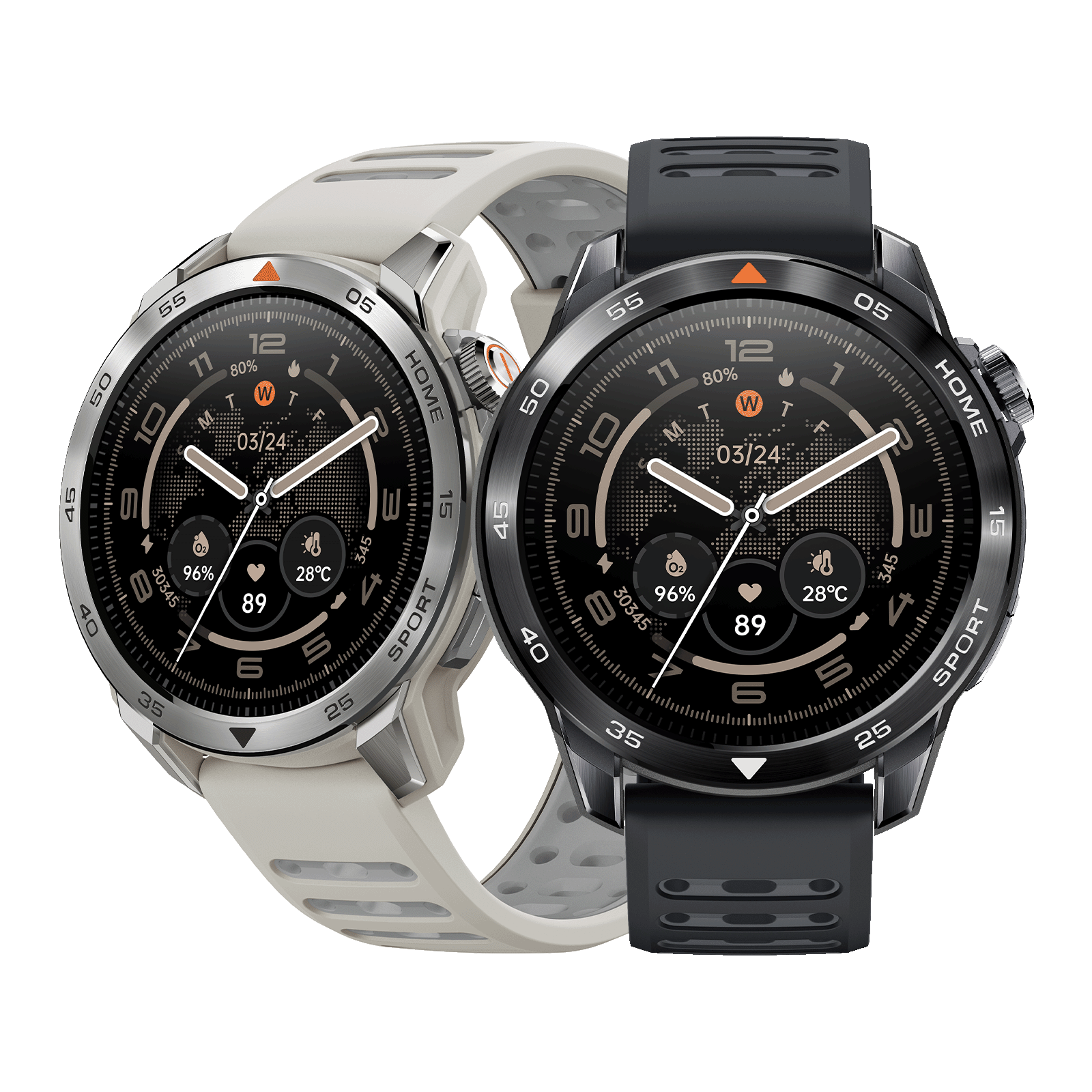
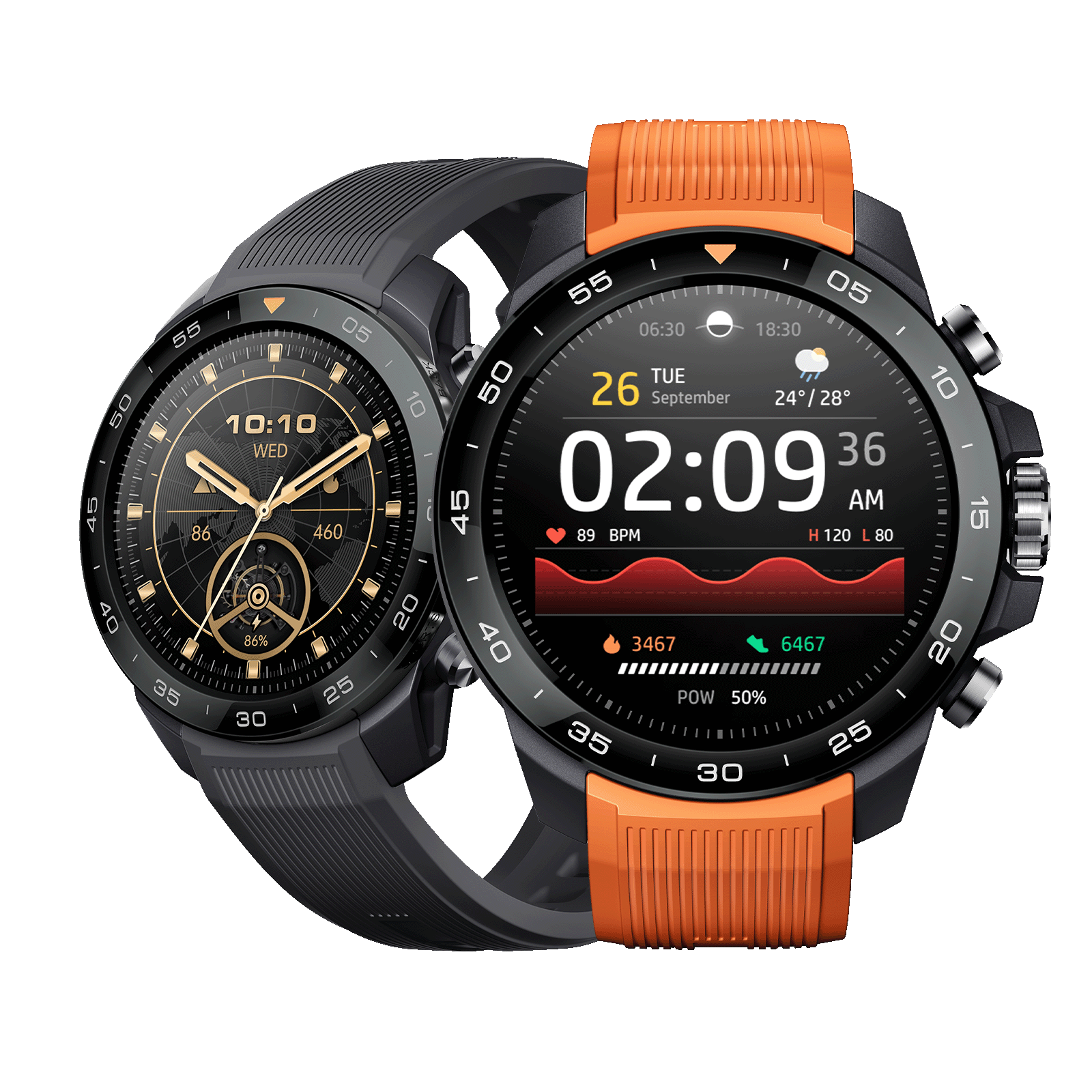
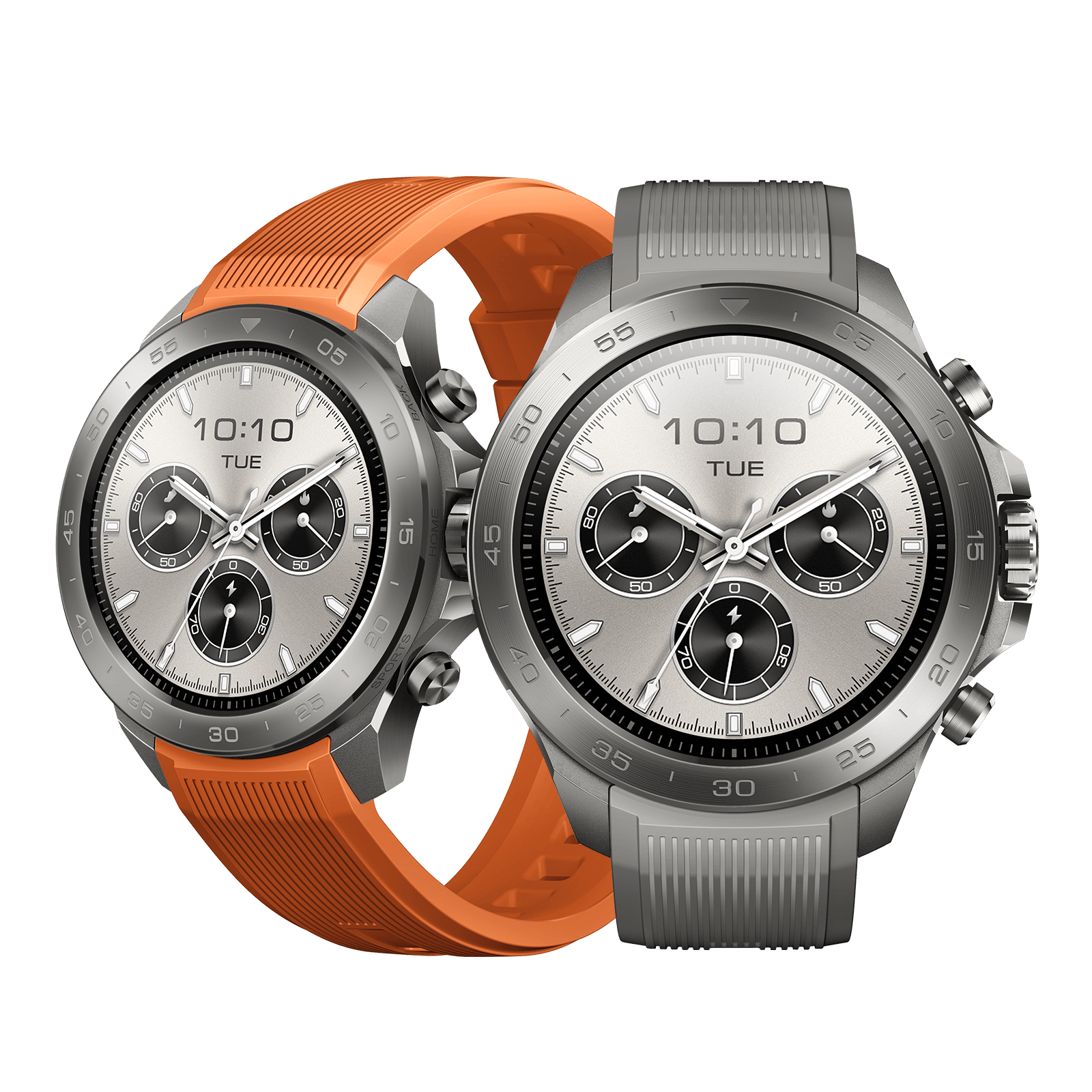
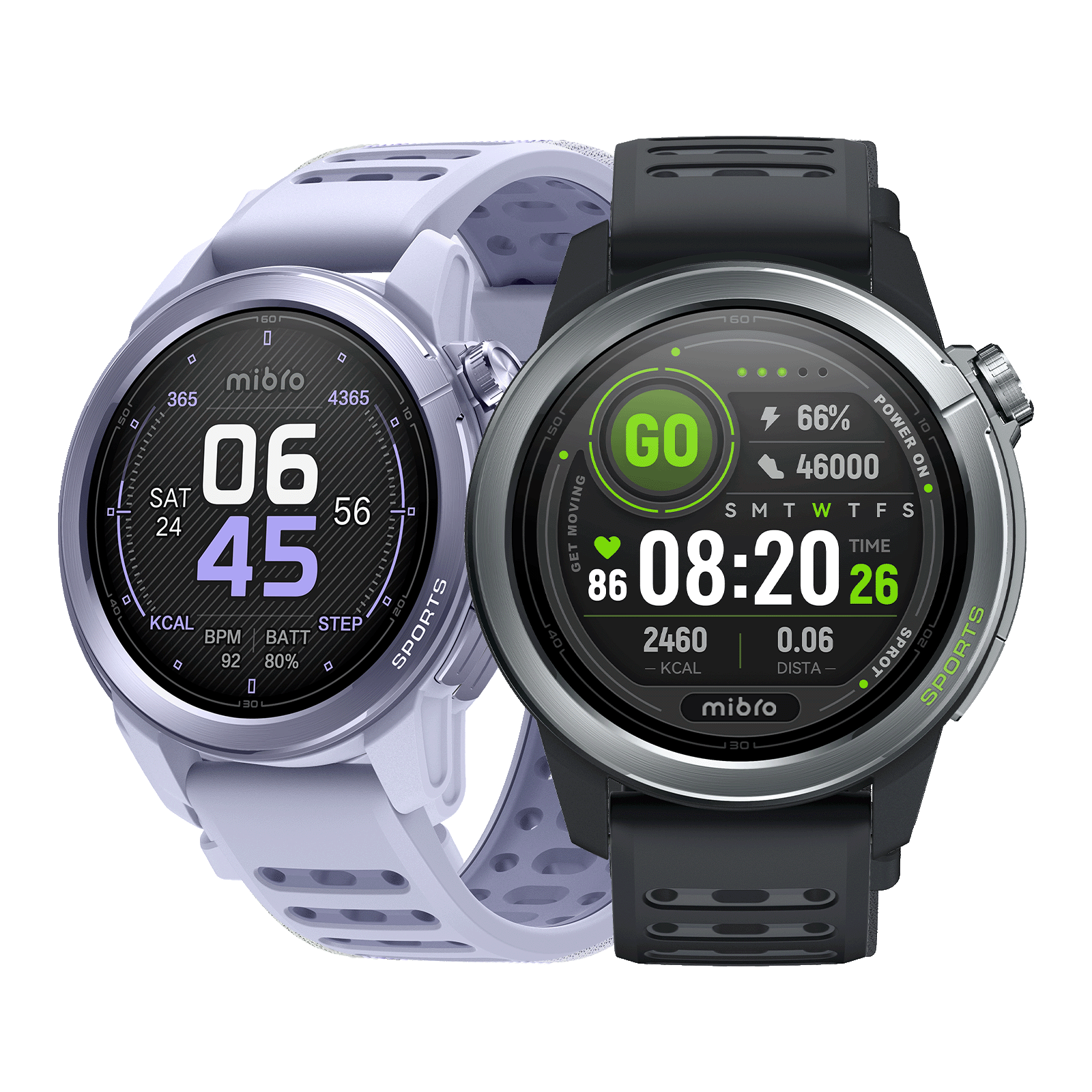


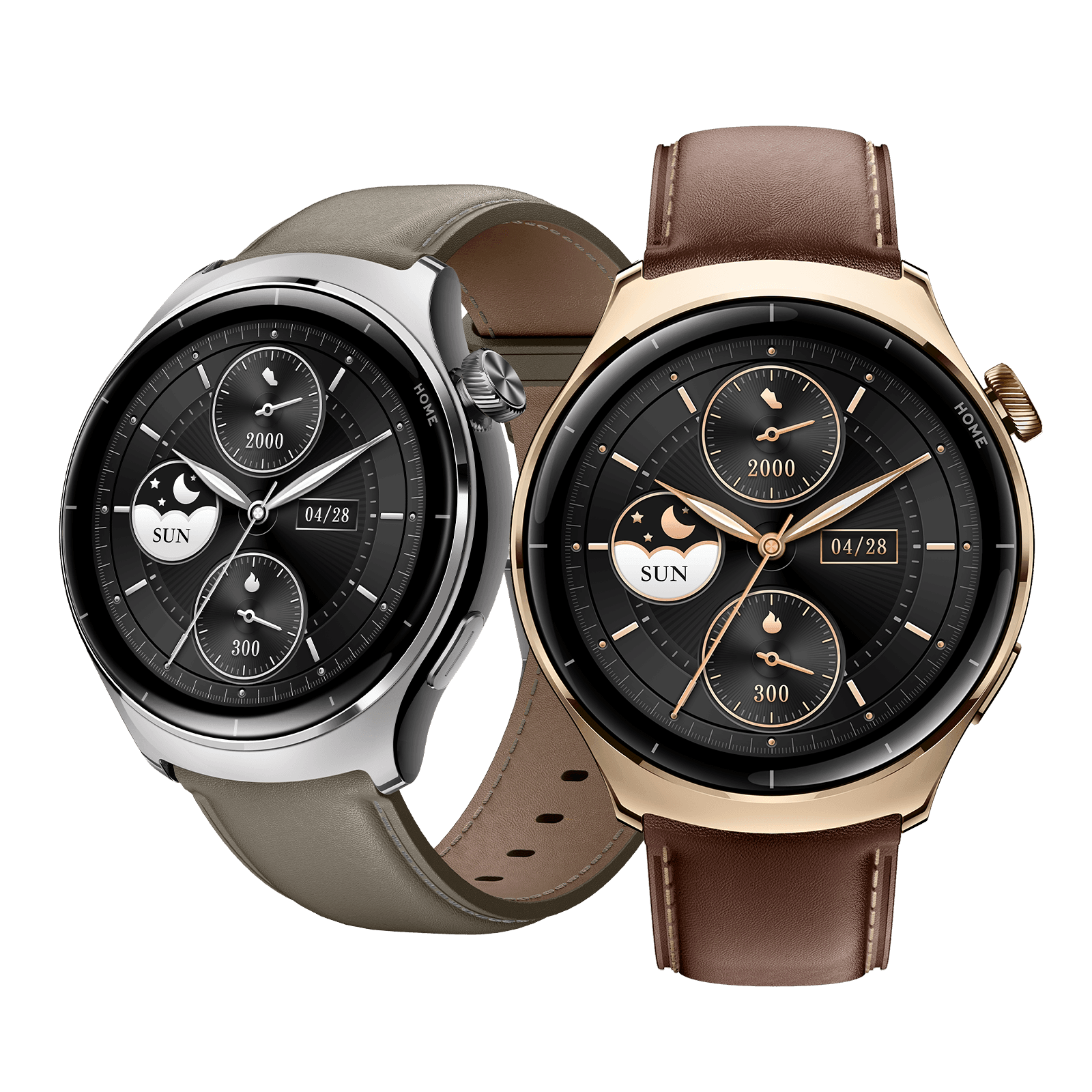
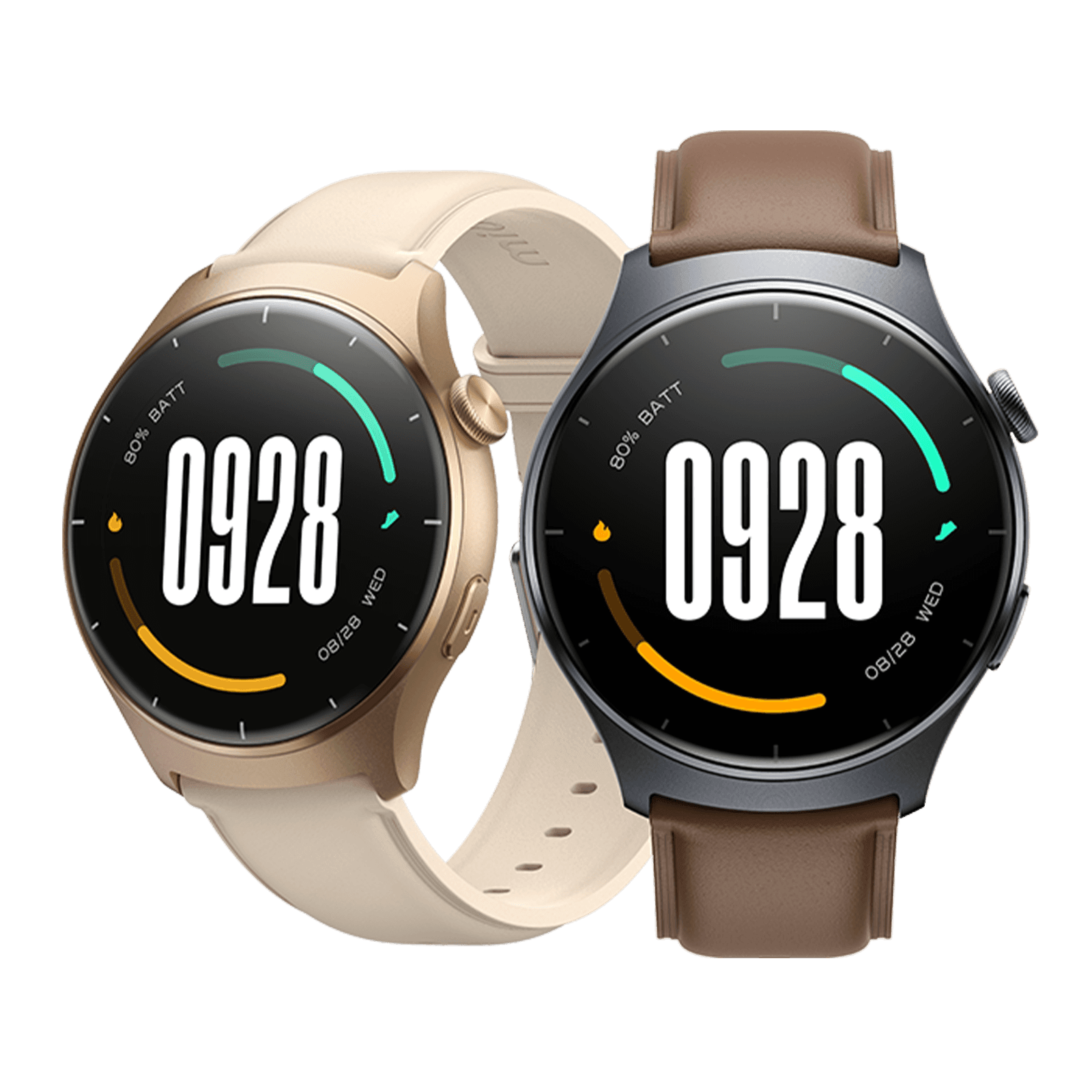
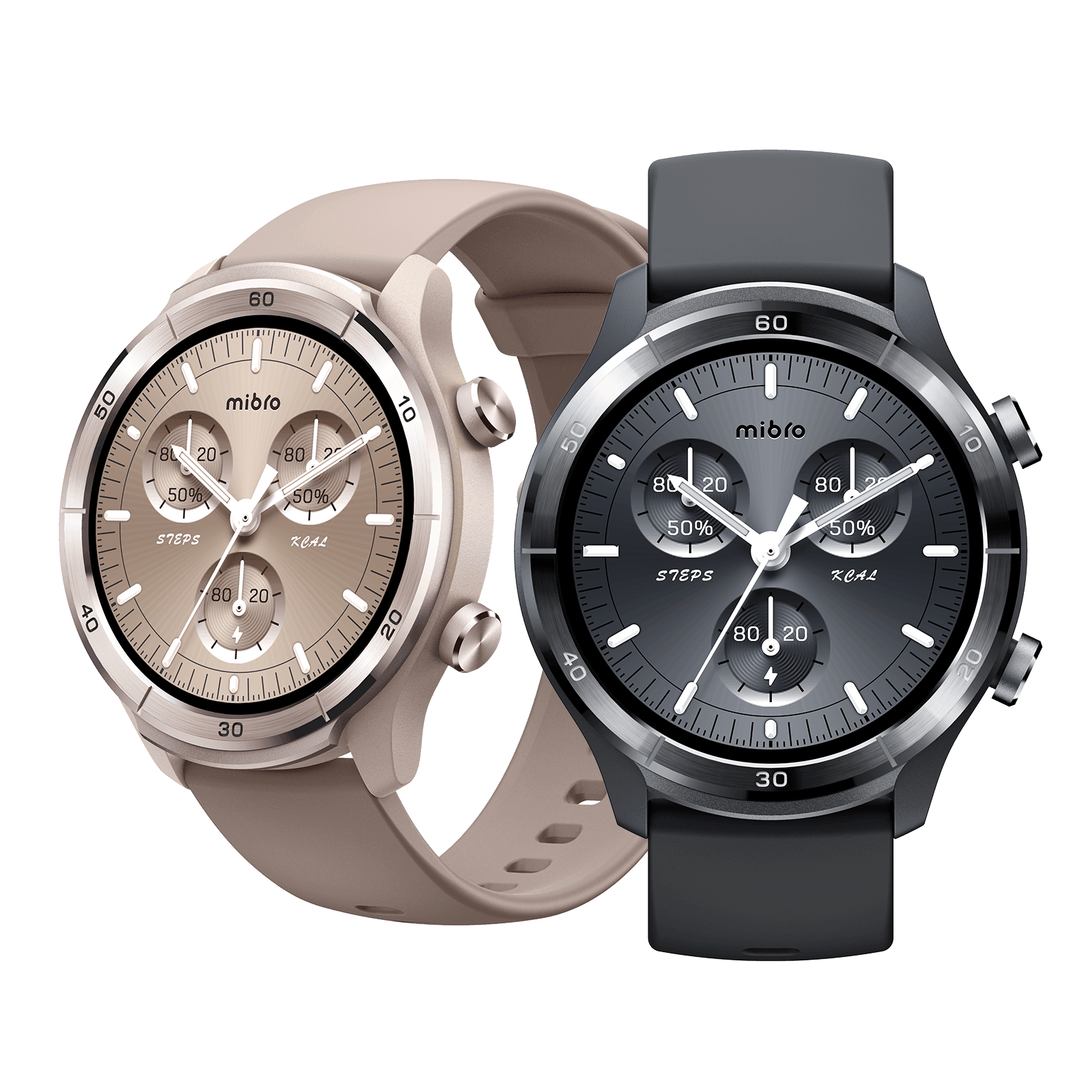
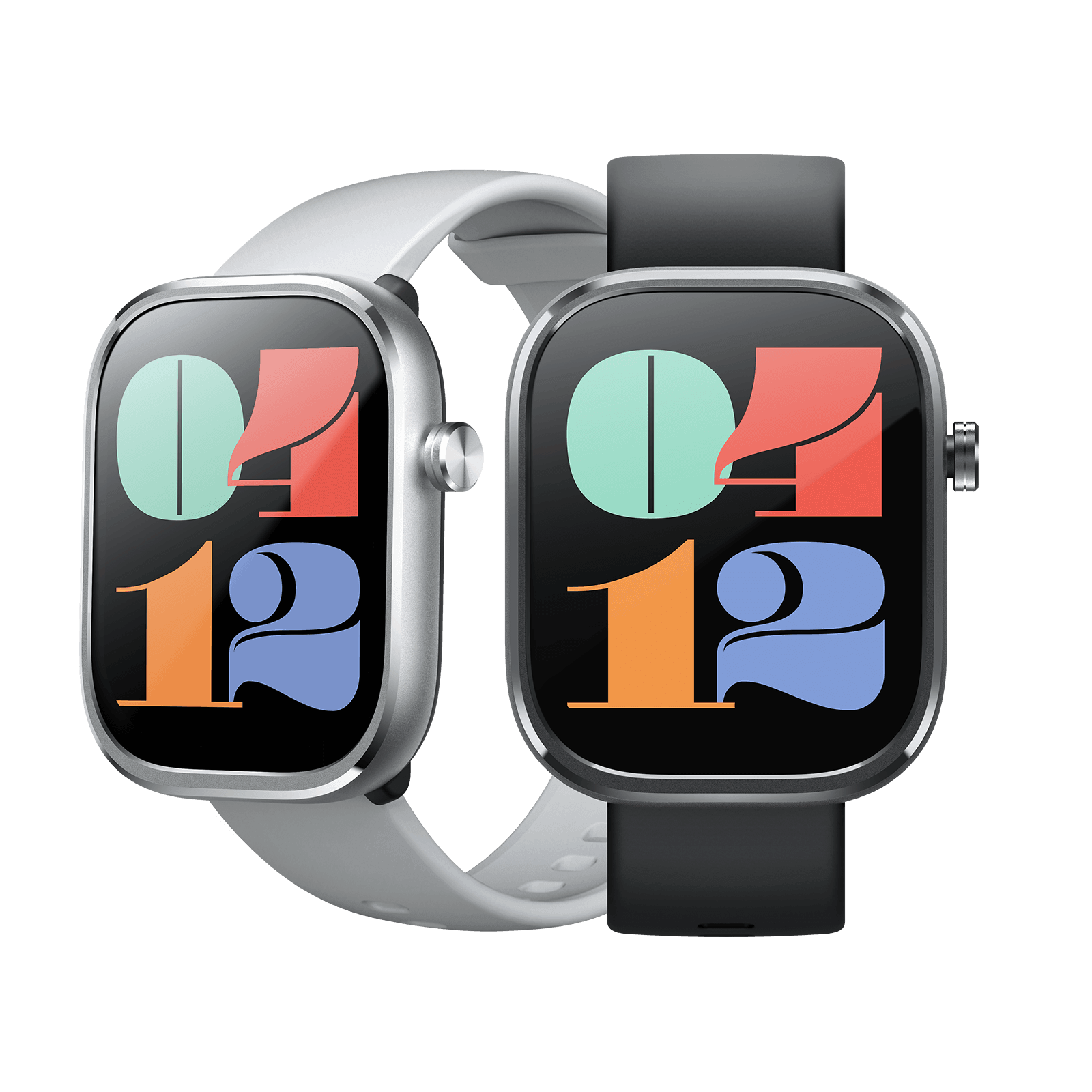
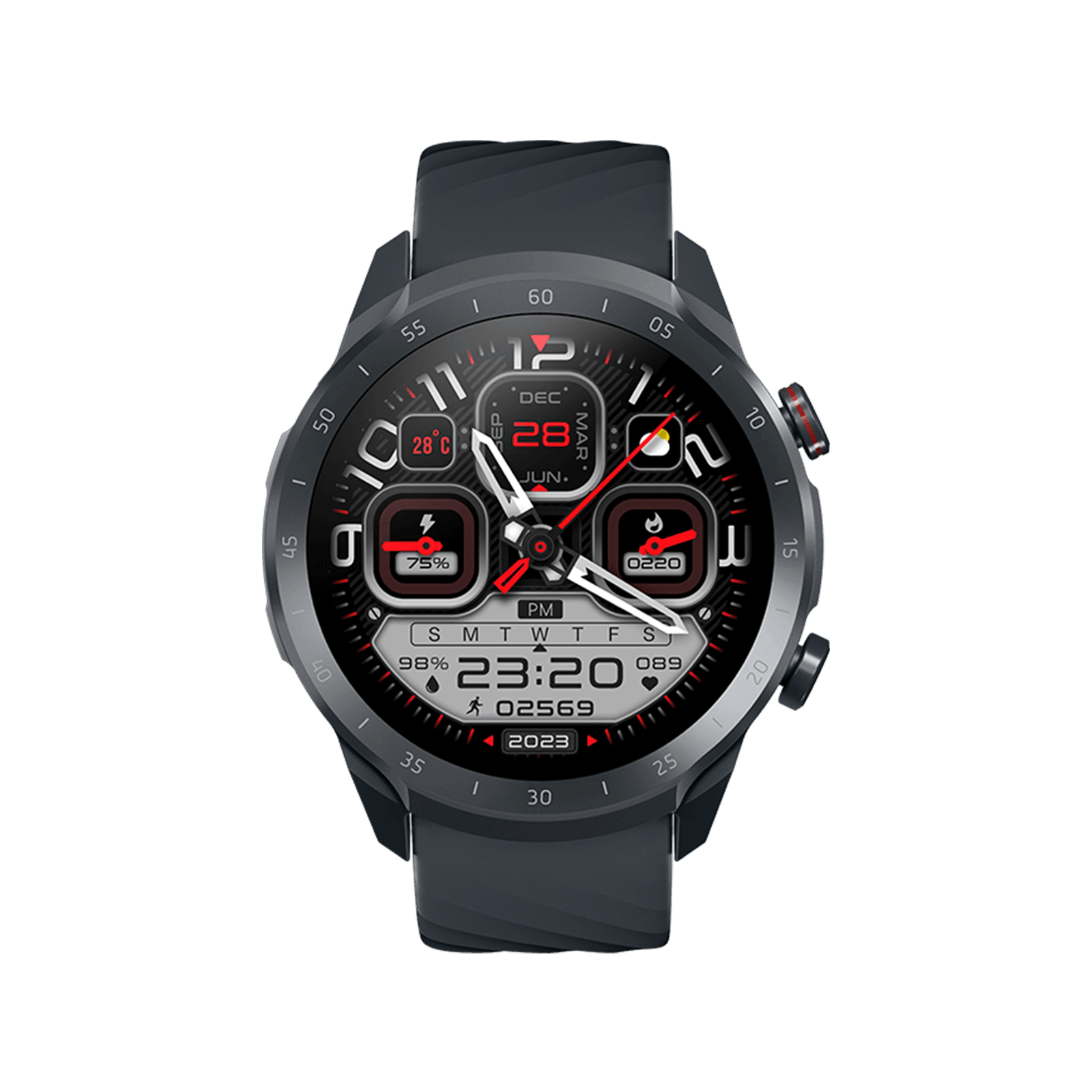
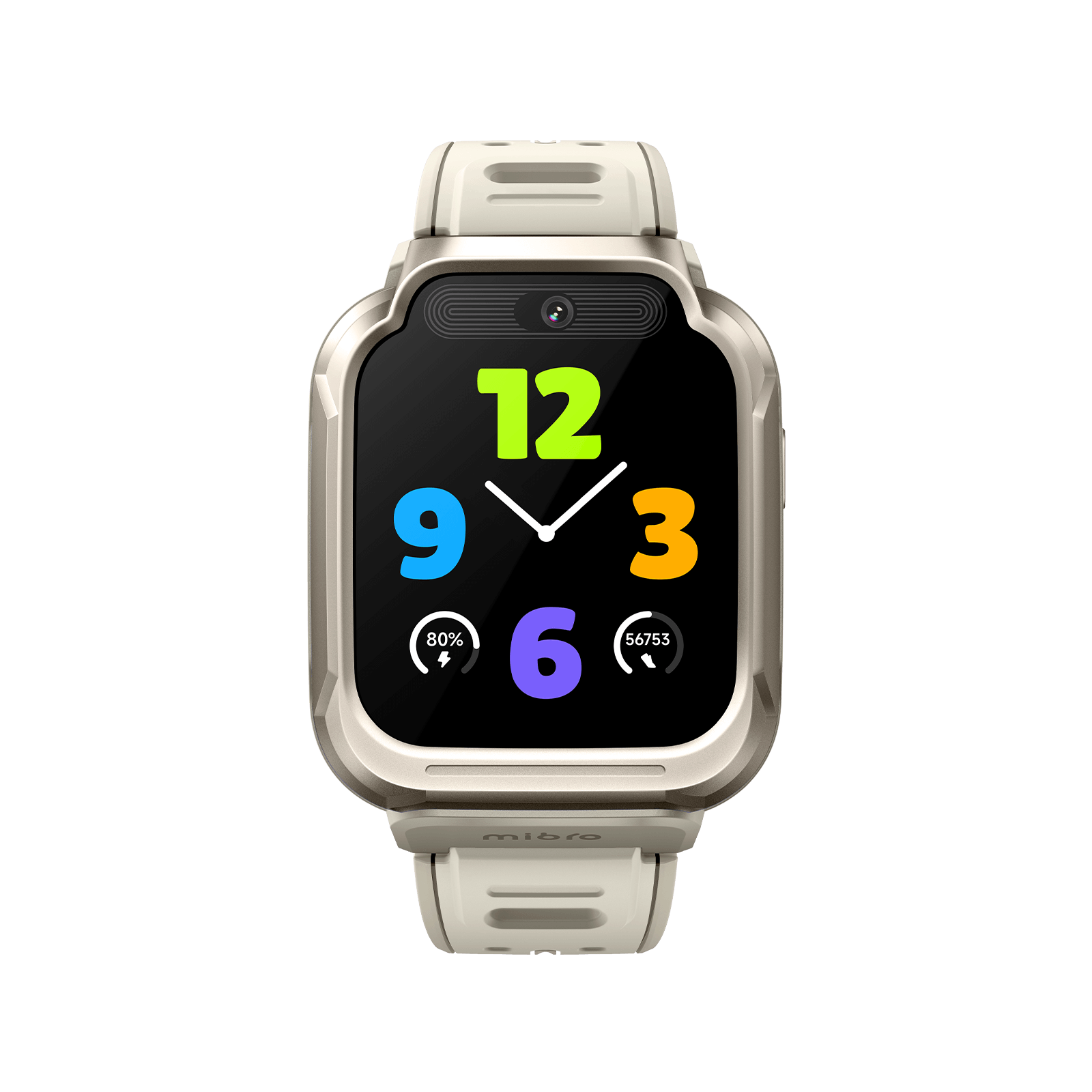




Smartwatches today pack incredible features, but battery life remains the Achilles' heel for most users. Nothing ruins your day like a dead wrist display halfway through a run or in the middle of sleep tracking. That's why choosing a long battery life smartwatch isn't about convenience — it's about actually using the device you paid for.
If you're tired of charging your smartwatch every night and looking for a model that can last for days or even weeks, this guide will help you find the right one. We'll rank 2026's best smartwatches with long battery life, break down the real battery drainers, and share proven tips to get the most out of your next watch. Let's dive in.
You May Also Like:
5 Best Long Battery Life Smartwatches in 2026
Below are the five best smartwatches with long battery life in 2026. They cover rugged outdoor units, hybrid designs, and sport-focused wearables, helping you choose one that fits your life.
1. Garmin Instinct 3
A rugged outdoor GPS smartwatch that genuinely qualifies as the longest battery life smartwatch — with endurance varying by version:
- AMOLED (45mm):
- Smartwatch mode: up to 18 days (wrist gesture)
- Always-On Display: up to 7 days
- GPS-only mode: up to 32 hours
- Solar (50mm / 45mm):
- Smartwatch mode: up to 40 days / 28 days typical use
- GPS-only with solar: up to 260 hours / 130 hours
- With sufficient sunlight, battery becomes unlimited in smartwatch mode
Tested against MIL-STD-810 military standards for thermal, shock, and water resistance (10 ATM), the Instinct 3 combines the longest battery life with rugged durability. Tom's Guide called it a "near-perfect smartwatch for outdoor adventure enthusiasts" with "weeks of battery life — rather than days".

More Highlights of Garmin Instinct 3
| Price | from $349.99 |
|---|---|
| Best For | Hiking, outdoor adventures, fitness training, endurance sports |
| Fitness & Training | Supports multiple sports profiles, training status, recovery insights, and performance metrics for athletes. |
| Health Tracking | Heart rate, SpO₂, stress, sleep, Body Battery™ |
| Navigation | Multi-band GPS + SatIQ™ technology |
| Durability | Rugged construction + 10 ATM water resistance |
2. COROS Vertix 2S
Built for extreme expeditions, the Vertix 2S is a true long battery life smartwatch that can last through multi-day adventures on a single charge. Its endurance varies by usage:
- Daily use: up to 40 days (without sleep tracking) or 36 days (with sleep tracking)
- Standard GPS mode: 118 hours
- All Systems On (multi-satellite): 73 hours
- Dual-Frequency (maximum accuracy): 43 hours
With a sapphire screen, titanium bezel, and 10 ATM water resistance, COROS Vertix 2S is built to survive temperatures from -30°C to 50°C. For ultrarunners and mountaineers seeking the best battery-life smartwatch, the Vertix 2S delivers expedition-grade endurance without compromise.

More Highlights of COROS Vertix 2S
| Price | $699 |
|---|---|
| Best For | Running, mountaineering, hiking, and endurance sports |
| Fitness & Training | Training status, training load, performance insights, multiple sport modes, and COROS EvoLab metrics |
| Health Tracking | Heart rate, SpO₂, stress, sleep, ECG sensor |
| Navigation | Dual-Frequency GNSS, offline landscape, topographic mapping |
| Durability | Sapphire glass screen, titanium bezel, 10 ATM water resistance |
3. Amazfit T-Rex 3
Built for modern explorers who demand both toughness and endurance, the T-Rex 3 is a rugged outdoor smartwatch with long battery life. At its core is a 700mAh battery, a 200mAh increase over its predecessor. Endurance varies by usage:
- Typical daily use: up to 27 days
- Heavy usage: up to 13 days
- Battery saver mode: up to 40 days
- GPS Accurate Mode: 42 hours
- GPS Long Battery Mode: 114 hours
- GPS Max Battery Mode: up to 180 hours
With a 1.5" AMOLED display hitting 2,000 nits for sunlight readability, dual-band GPS with six satellite systems, and MIL-STD-810 military-grade durability, it's a serious contender for anyone seeking a smartwatch with long battery life.

More Highlights of Amazfit T-Rex 3
| Price | $279.99 |
|---|---|
| Best For | Outdoor adventures, trail running, camping, and fitness enthusiasts |
| Fitness & Training | 170+ sports modes, AI-powered Zepp Coach™, strength training, recovery insights, and performance metrics |
| Health Tracking | Heart rate, SpO₂, stress, sleep, HRV measurement |
| Navigation | Dual-band GPS with support for 6 satellite systems |
| Durability | 10 ATM water resistance, stainless steel bezel, Gorilla Glass display |
4. Mibro GS Explorer S
An affordable rugged outdoor long battery life smartwatch that delivers impressive endurance without breaking the bank. Its 460mAh battery powers through extended adventures:
- Daily use: up to 20 days
- Standby mode (unlinked): up to 60 days
- GPS mode: up to 25 hours
- Charging: full charge in under 2 hours
Mibro GS Explorer S features a 1.32" AMOLED display with 1,500 nits peak brightness for outdoor readability. With dual-frequency GNSS and MIL-STD-810H military-grade durability, it's a compelling choice for budget-conscious adventurers seeking a smartwatch with long battery life that handles tough conditions without frequent charging.
Mibro GS Explorer S
Learn More →More Highlights of Mibro GS Explorer S
| Price | ~$150 |
|---|---|
| Best For | Hikers, divers, runners, and users looking for a rugged smartwatch with advanced GPS |
| Fitness & Training | 150+ sports modes, running plans, padel mode, real-time workout data |
| Health Tracking | Heart rate, SpO₂, stress, sleep, training load |
| Navigation | Dual-band GNSS, waypoint marking, offline track-back navigation |
| Durability | Nano-ceramic bezel, Corning Gorilla Glass, and 10ATM water resistance |
5. Withings ScanWatch 2
A hybrid long battery life smartwatch that combines classic analog elegance with advanced health tracking. Its discreet grayscale OLED display and stainless steel case with sapphire glass give it the look of a traditional timepiece — available in 38mm and 42mm sizes to suit different wrist styles.
- Battery life: up to 30 days (or 35 days with the latest firmware update) on a single charge
- Charging: 80% in ~1 hour, 100% in 2 hours
For those seeking a smartwatch with long battery life for women that doesn't scream "fitness tracker," the ScanWatch 2 delivers enduring power in an understated, sophisticated package.
More Highlights of Withings ScanWatch 2
| Price | From $349.95 |
|---|---|
| Best For | Health-conscious users who want a classic watch design with advanced health tracking |
| Fitness & Training | Tracks daily activities and provides VO₂ max-based Fitness Level estimation |
| Health Tracking | Heart rate, SpO₂, sleep, ECG, respiratory, HRV |
| Navigation | No built-in GPS navigation or offline maps |
| Durability | Stainless steel case, sapphire glass, stainless steel crown, and 5 ATM water resistance |
Longest Battery Life Smartwatch FROM Apple, Samsung & Huawei
- Apple Watch Ultra 3: Up to 42 hours of normal use
- Samsung Galaxy Watch Ultra 2: Up to 60 to 72 hours of normal use
- Huawei Watch GT 7 Pro/GT 6 Pro (46mm): Up to 21 days (light use); 12 days (typical use)
What Affects Smartwatch Battery Life
Understanding what drains your battery can help you find a long battery life smartwatch. Several key factors determine how long your watch lasts between charges — some within your control, others baked into the hardware itself.
Display Type & Settings
The display is the single biggest power consumer on any smartwatch. Two main display technologies dominate the market, and their energy consumption differs dramatically:
AMOLED screens deliver vibrant colors and deep blacks, but they consume significantly more power—especially when brightness is high, or Always-On Display is enabled. In fact, AMOLED models can have roughly one-third the battery life of their MIP counterparts.
MIP (Memory-in-Pixel) displays, by contrast, are reflective screens that use about 90% less power than AMOLED. Each pixel has its own memory, so static images stay without consuming power — only updating when the image changes. This makes MIP displays ideal for Always-On use with virtually no battery penalty.
Beyond panel type, your settings matter just as much. Always-On Display can cut battery life by 26% or more. High brightness, short display timeouts, complex watch faces with moving elements, and the "raise wrist to wake" gesture all drain extra power. A watch face with a seconds indicator or many complications can measurably reduce endurance.
Sensors and Tracking
Built-in sensors are what make smartwatches "smart," but they also demand power — especially when running continuously.
GPS is the biggest sensor-related power drain. It works by communicating with satellites, and this constant connection consumes a significant amount of battery. Multi-band or dual-frequency GPS provides superior accuracy but drains even faster—often cutting GPS battery life by 30% or more compared to standard GPS mode.
Optical heart rate monitors flash lights against the skin to measure pulse, and accelerometers track movement even when the screen is dark. Continuous heart rate monitoring, especially in "high-performance" mode where it checks constantly instead of every few minutes, consumes substantial power over time. Pulse Ox (blood oxygen) monitoring is another energy-intensive sensor.

Connectivity and Background Tasks
A smartwatch with long battery life needs to manage its connections wisely. Every wireless radio and background task adds to the energy load.
Bluetooth maintains a constant link to your phone for notifications, syncing, and updates. Wi-Fi and LTE are even more power-hungry. LTE typically drains the battery the fastest when the watch operates independently, as it requires a continuous cellular connection. If your watch has LTE but stays near your phone most of the time, it will prioritize Bluetooth and battery drain may be less significant.
Notifications also take a toll. Every buzz and screen wake consumes power. Frequent notifications can cut runtime by 20–40%. Each vibration uses energy from the motor, and each alert lights up the display. Background app syncing, music playback, and constant weather updates further deplete the battery.
Hardware and Environment
- Processor efficiency is foundational. More advanced chipsets, like those built on 3nm processes, can deliver up to 30% longer battery life compared to previous generations.
- The operating system also matters: watches running lightweight, optimized OSes generally outlast those running full-featured platforms.
- Temperature significantly affects lithium-ion battery performance. In cold conditions, batteries discharge less efficiently, reducing runtime. Extreme heat can shorten battery life or reduce charging efficiency. Some watches are designed to operate in temperatures from -20°C to 50°C, but battery life may still vary within that range.
How to Choose a Long Battery Life Smartwatch
The best long battery life smartwatch depends on your personal needs, not marketing claims. Here are some selection tips to help you make a better choice.
Look Beyond the Maximum Battery Claim
Manufacturers love to quote the highest possible battery number, usually in standby mode with all features disabled. That 30-day claim might drop to 7 days in typical use, or 20 hours with GPS running.
What to do: Always check multiple endurance figures: smartwatch mode (with heart rate on), GPS-only mode, and "typical usage" scenarios. Real-world reviews are your best resource — see what actual users report with their daily routines. A smartwatch with good battery life should meet your needs in the mode you'll actually use, not just the one that looks good on the spec sheet.
Match Battery Life to Your Primary Use Case
Different activities demand different endurance levels. Choose based on how you'll use the watch most:
For Fitness Enthusiasts & Runners
If you're a daily runner tracking GPS routes, look for a watch with at least 20–30 hours of GPS battery life, or solar charging that extends battery further.
For Health-Conscious Users
If health tracking is your priority, you need a watch that can stay on your wrist 24/7 without nightly charging. Look for at least 7–10 days of battery life with all health sensors enabled. Frequent charging means gaps in sleep or recovery data, undermining the very insights you're after.
For Everyday Wearers
For notifications, step counting, and occasional workouts, even 5–7 days of battery life is adequate. However, the longer the better — a long battery life smartwatch that lasts two weeks eliminates charging anxiety and makes the watch a seamless part of your daily routine rather than another device to manage.
Prioritize Fast Charging and Battery Capacity
Battery capacity (mAh) directly impacts endurance—larger batteries hold more charge. However, capacity alone doesn't guarantee better battery life if the display or processor is inefficient. Check both capacity and real-world runtime.
Fast charging is a game-changer. A watch that gives you 80% charge in 30–60 minutes means even if you forget to charge, a quick top-up during breakfast gets you through the day. Some models offer "quick charge" that provides hours of GPS time from just a few minutes of charging.
Additional Considerations
- Charging convenience: Proprietary charging cables can be a hassle—consider whether the watch uses a standard USB-C connector or a magnetic proprietary dock.
- Battery health features: Some watches offer battery protection modes that limit maximum charge to 80–85% to extend long-term lifespan.
- Software battery management: Look for watches with built-in battery saver modes that automatically adjust settings (brightness, GPS accuracy, heart rate frequency) to extend runtime when needed.
Tips to Extend Your Smartwatch Battery Life
Even the best long battery life smartwatch can drain faster than expected if certain settings are left on. Here are proven ways to save battery life on your watch based on real user experience.
Tame the Display
- Turn off Always-On Display. This alone can extend smartwatch battery life by up to 50%. Switch to raise-to-wake or tap-to-wake instead.
- Lower screen brightness. Drop it to 50% or enable auto-brightness.
- Use static watch faces. Avoid animated or video-based faces that constantly call the GPU. Choose pre-installed, low-power faces.
- Shorten the display timeout. Set it to the minimum duration before the screen dims.
Cut Unnecessary Health Sensors
- Turn off 24/7 heart rate monitoring if you don't need it. Switch to manual or "only during workouts" mode.
- Disable automatic SpO2 (blood oxygen) and sleep tracking unless you actively review the data. These run in the background constantly.
- When tracking outdoor activities, choose a lower-accuracy mode (like "GPS only" instead of "dual-frequency" or "multi-band") to save power during long workouts.
Manage Connectivity and Notifications
- Turn off Wi-Fi when your phone is nearby — Bluetooth is enough for notifications and sync.
- Disable LTE/cellular if you don't need standalone connectivity.
- Use Airplane Mode overnight (or when not wearing the watch) to cut all radios.
- Only keep essential apps (calls, messages). Every buzz wakes the screen and vibrates the motor, both consume power.
- Turn off "wake screen on notification" to prevent the display from lighting up with every alert.
Keep Software and Battery Healthy
- Update your watch's firmware regularly. Manufacturers often release optimizations that improve battery efficiency.
- Close background apps. After workouts or music sessions, make sure to exit them completely, not just switch away.
- Calibrate the battery occasionally: charge to 100%, let it drain below 10%, then recharge uninterrupted to 100%. This resets the battery indicator for more accurate readings.
- Avoid extreme temperatures. Both heat and cold can reduce battery performance and accelerate aging.
Bottom Line
Choosing a long battery life smartwatch comes down to "don't get seduced by a 30-day standby claim". Dig into GPS hours, typical mode endurance, and what other users report. Whether you're a daily runner, a health tracker, or just tired of charging, there's a watch that fits your rhythm. But remember: great battery life is only great if paired with the features you actually need. So define your priorities, compare specs honestly, and invest in a watch that keeps up with your life—not the other way around.

