 Skip to content















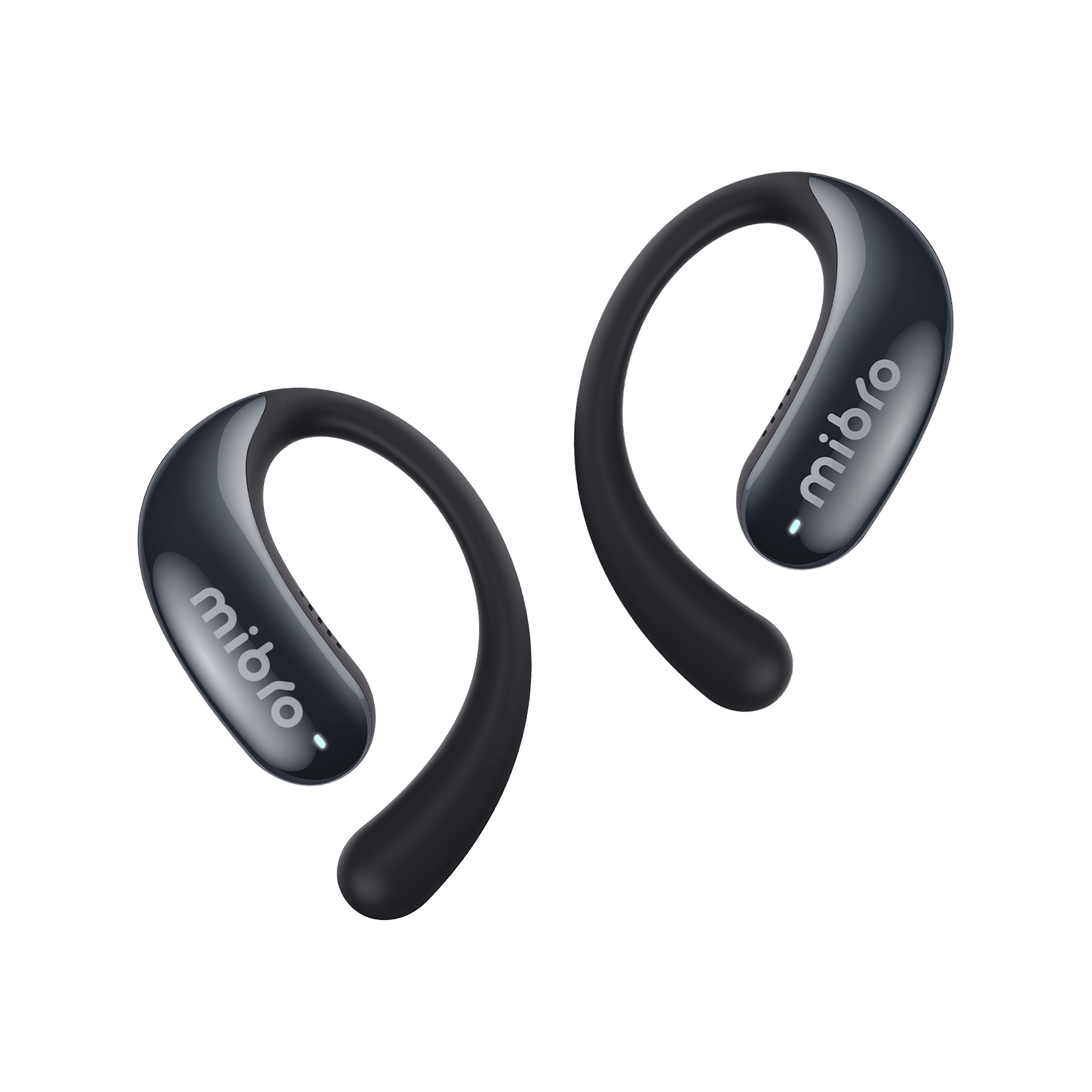


Running is one of the most accessible forms of exercise — no gym membership, no fancy equipment, just a pair of shoes and the open road. Whether you want to boost your cardiovascular health, manage your weight, reduce stress, or feel stronger, learning to jog can transform how you look and feel. Yet many beginners quit within weeks because they start running too hard, ignore recovery, or set unrealistic expectations. This guide walks you through practical, evidence-based tips for how to start running safely and make it a lasting habit — whether you're lacing up for the first time or returning after a break.
You May Also Like:
Mental Tips for Starting Running
Running is as much a mental challenge as a physical one. The right mindset helps you lace up on cold mornings, push through the first few uncomfortable weeks, and stay consistent when progress feels slow. These tips for running beginners set you up for long-term success.
1. Set Small, Realistic Running Goals
When you're learning to jog, it's tempting to aim for a 5K or a certain pace right away. But the best way to start running is to focus on process goals, not outcome goals. Instead of targeting a specific distance, aim to complete two or three short sessions each week. Track whether you showed up, how long you moved, and whether you finished the planned session — not how fast you ran.
This approach lowers the barrier, especially if you're overweight, out of shape, or haven't exercised in years. Small wins build confidence. After a few weeks, when consistency feels natural, you can gradually extend your running time or add distance. Remember: finishing the run matters more than the number on your running watch.
2. Schedule Your Runs in Advance
Treat your running sessions like important appointments. This is how to start running with a plan. Put them in your calendar, lay out your gear the night before, and map out a route that feels safe and convenient. If you wait until you "feel like it," you'll rarely get out the door — motivation follows action, not the other way around.
Choose fixed days each week, such as Monday, Wednesday, and Saturday. Having a predictable routine makes starting running automatic. It's also smart to plan for obstacles: what will you do if it rains? Have an indoor backup, like a treadmill or a brisk walk around a covered mall. Allow yourself an occasional "off" day, but don't let one missed session turn into a skipped week. Even a 15-minute jog keeps the habit alive.

Source from: Runner'sWorld
3. Be Patient With Your Progress
Running fitness builds slowly. Your heart, lungs, muscles, tendons, and bones all need time to adapt to the impact of each stride. Don't compare your Week 1 to someone else's Year 1 — everyone starts somewhere.
If you're wondering how to start running again after a break, resist the urge to jump back to your old mileage or pace. Your body has changed, and rebuilding from a modest base is far safer than trying to reclaim past glory in a week. Repeat a week if it feels too hard; that's not failure, that's smart training. Measure progress by how you feel — can you breathe more easily? Do you look forward to your sessions? Are you running further than you did two weeks ago? These signs matter more than any finish time.

Necessary Gear for Runners
You don't need a closet full of expensive gear to begin. But a few key items make your runs more comfortable, safer, and easier to stick with. Here's what actually matters when you move from plan to pavement.
1. Choose Comfortable Shoes & Clothing
This is foundational knowledge for anyone learning how to start running for beginners. Visit a specialty running store if possible, and have someone watch your gait. Your shoes should leave about a thumb's width of space in front of your toes, hold your heel securely, and feel comfortable right out of the box — no "breaking in" period required.
For clothing, choose moisture-wicking fabrics instead of cotton, which stays wet and causes chafing. Lightweight socks designed for running reduce blisters. Women should wear a supportive sports bra. Apply anti-chafe balm or petroleum jelly to areas prone to rubbing, such as your inner thighs, underarms, and the backs of your heels. Dress in layers so you can adjust to changing weather — you should feel slightly cool when you step out; You'll warm up quickly once you start running.

2. Visualize Your Runs with Smart Devices
A smartwatch or fitness tracker isn't essential on Day One, but it becomes genuinely useful as you build a beginner running habit. You don't need to overanalyze every metric, but seeing your weekly frequency, average heart rate, and gradual time improvements keeps you motivated and helps you avoid ramping up too fast. Data also makes how to start jogging feel more objective and trackable.
For runners coming back after time off, data is especially valuable. It shows you objectively how much progress you're making, even when it feels slow. Some modern watches, like the AeroPace from mibro, include AI coaching features that analyze your workout data and recovery status to suggest the right intensity for each session, acting like a pocket coach that adjusts to your body rather than forcing you to follow a rigid plan. Start simple: track your runs, review trends monthly, and let the device support your training without becoming a distraction.
3. Prepare for Weather and Running Safety
Check the forecast before every run and adjust accordingly. In hot weather, head out early in the morning or later in the evening, carry water, and slow your pace. In cold or wet conditions, wear a windproof layer, a hat, and gloves — your extremities lose heat quickly. Weather prep is a basic but critical part of how to start running consistently year-round.
Safety matters as much as comfort. If you run at dawn, dusk, or night, wear reflective gear or a headlamp, and choose well-lit routes. Always carry a phone, even on short runs. If you use headphones, keep the volume low or use one earbud so you can hear traffic, cyclists, and people around you. Tell someone your route if you're heading out alone, and consider running with a friend or a group when you're exploring unfamiliar areas. These small precautions let you focus on the joy of the run.

Recovery Tips to Help You Keep Running
Recovery is where the real adaptation happens. Pushing through fatigue week after week leads to soreness, burnout, and injury. These recovery tips help you stay consistent and make how to start running sustainable for the long haul.
1. Schedule Rest Days Between Runs
For most new runners, two to three sessions per week is the sweet spot. The NHS Couch to 5K plan, one of the most respected beginner programs, structures runs on Monday, Wednesday, and Saturday, with at least one full rest day between each session. This gives your muscles, tendons, and joints time to repair and strengthens the habit without overwhelming your schedule. Rest days are a core principle of beginner running safety.
Rest days don't have to mean sitting on the couch. Light activity like walking, gentle cycling, or stretching boosts blood flow and speeds recovery without adding impact. The key is spacing your running days so you never have two hard sessions back-to-back. As your fitness improves over several weeks, you can consider adding a fourth easy run, but start running with three and let your body tell you when it's ready for more.
2. Warm Up and Cool Down Every Time
Warming up is one of the simplest tips for running beginners that pays off all year. Spend five minutes warming up first: start with a brisk walk, then gradually pick up the pace, and add a few gentle leg swings or high knees. This raises your heart rate slowly, loosens your joints, and prepares your muscles for the work ahead.
When you finish, don't stop abruptly. Slow down into a walk for another five minutes, letting your breathing and heart rate gradually return to normal. If certain muscles feel tight — your calves, quads, or hamstrings — do a few gentle static stretches, holding each for 20 to 30 seconds. Cooling down reduces post-run dizziness and helps your legs feel better the next day. It only takes ten minutes total, but it makes a noticeable difference in how recovered you feel.
3. Recover with Sleep and Cross-Training
Sleep is when your body actually repairs itself after a run. Most adults need seven to nine hours per night, and consistent, good-quality sleep directly affects your energy, your pace, and your injury risk. If you're dragging through your day, you're probably not recovered enough for another hard session.
Once you've built a few weeks of consistent running, add basic strength training one or two days per week. Bodyweight exercises like squats, calf raises, glute bridges, and planks build the muscles that support your joints and improve your running economy. You can also cross-train with low-impact activities like swimming or cycling — these maintain your aerobic fitness without the impact of running. Think of cross-training as active recovery that keeps you moving while giving your running-specific tissues a break.

4. Know the Difference Between Soreness and Pain
It's normal to feel mild muscle soreness a day or two after your first few runs — that delayed onset muscle soreness fades as your body adapts. But there's a clear line between expected soreness and a warning sign you shouldn't ignore. Listening to your body is essential when you're figuring out how to start running for beginners.
Pain that is sharp, localized, worsening during the run, or causing you to limp is not something to push through. If you feel a twinge in your knee, shin, heel, or hip, slow down or stop. Continuing to run through sharp pain often turns a minor issue into a weeks-long injury. Rest, ice if there's swelling, and see a healthcare provider or physical therapist if the pain persists for more than a few days or interferes with normal walking. Your goal is to be a runner for life, not to complete one workout at the cost of months of training.
Techniques for Progressive Running
So what should your first week actually look like? The goal is simple: make running feel good enough that you want to come back. These techniques show you the best way to start running without overwhelming yourself.
1. Start With Run-Walk Intervals
You don't need to run continuously on Day One. In fact, the best way to start running for beginners is a structured run-walk approach. Here's a simple first session, based on guidance from the Mayo Clinic and NHS programs:
- Warm up with a brisk five-minute walk.
- Jog for one minute at a very easy pace — so slow you almost feel silly.
- Walk for one and a half minutes to recover.
- Repeat this cycle seven times.
- Cool down with a five-minute walk.
That's about 22 minutes total, with only seven minutes of actual jogging. Adjust the ratios to your fitness: if one minute feels too hard, start with 30 seconds of jogging and two minutes of walking. The point is to finish the session feeling like you could have done more, not like you're gasping for air on the sidewalk. This run-walk method is the gold standard for learning to jog safely.
2. Run at a Pace That Lets You Talk
Most beginners start far too fast. They head out at what feels like a normal jog, get winded within five minutes, and conclude that running is miserable. The fix is simple: use the talk test. If you can't speak a short sentence in full breaths, you're going too fast. Slow down or drop into a walk.
This "conversational pace" might feel ridiculously slow at first — and that's exactly right. At this intensity, your body burns fat, builds aerobic endurance, and recovers easily between sessions. Resist the urge to chase the pace number on your watch, especially if you're figuring out how to start running again after a layoff. Your first few runs should feel comfortable, almost too easy. That ease is what keeps you coming back week after week.

3. Increase Your Training Gradually
Once run-walk intervals feel manageable, you can progress — but do it gradually. The standard guidance is to increase your weekly running time by no more than about 10 percent, and never stack big increases in duration, frequency, and intensity all at once. Gradual progression is the difference between sustainable beginner running and an injury that sidelines you for months.
For example, if your first few weeks involve one-minute jog intervals, try extending to two minutes, then three, while shortening the walking breaks. If a week feels unexpectedly hard, repeat it. Don't force yourself into the next stage just because the calendar says so. This is especially important if you're returning to running after time off: your old training plan from two years ago is not your starting point today. Rebuilding patiently prevents shin splints, knee pain, and stress fractures that sideline thousands of new runners every year.
4. Keep Your Running Form Relaxed
You don't need perfect running form on Day One. In fact, overthinking your form is one of the fastest ways to make running feel like a chore. Just focus on a few simple cues that keep you relaxed and efficient — this is all you need to know when you're first starting running:
- Look ahead at the horizon, not down at your feet.
- Keep your shoulders down and away from your ears — shake out any tension.
- Let your arms swing naturally at your sides, not crossing in front of your body.
- Take short, comfortable steps; don't overstride and land heavily on your heels.
Breathe naturally. You don't need to enforce a fixed "three steps in, three steps out" rhythm. As your fitness grows, your form will improve on its own. The goal right now is consistency and enjoyment, not becoming a biomechanics expert. Master the basics first, and worry about refined form later.
Some Popular Running Plans to Follow
If you prefer following a structured program, these well-regarded plans are trusted by millions of new runners. Each takes you from your first jog to completing a 5K.
1. NHS Couch to 5K
Developed by the UK's National Health Service, this free nine-week plan has been used by millions. Three runs per week alternate walking and running intervals, building from one minute of jogging up to 30 minutes of continuous running. Rest days are built in, and a free app offers audio coaching. Ideal for absolute beginners with zero fitness background.
2. C25K Free App (Zen Labs)
An eight-week app-based version of the couch-to-5K concept, with audio coaches guiding you through each workout. Three short sessions weekly, with gradual progression. Popular for its simplicity and built-in GPS tracking; trusted by millions of beginner running enthusiasts worldwide as a self-contained training program.
3. Nike Run Club 5K Plan
An eight-week guided program available through the free Nike Run Club app. Mixes easy runs, recovery runs, and slightly faster sessions, with audio coaching from real Nike runners. Flexible enough to adapt to your schedule, and you can jump in at week four if you already have some base fitness. A great option for those who want guided support on how to start jogging.
4. Runkeeper My First 5K
A guided 18-workout plan that eases you from walking into continuous running. As you progress, running intervals grow while walking breaks shrink. The app logs your routes, pace, and progress, and adjusts if you need to repeat a week. Great for runners who prefer structured app guidance as they start running for the first time.
5. Hal Higdon Novice 5K
A classic eight-week plan from renowned running coach Hal Higdon. Three runs per week plus three optional walk or cross-train days, building to a three-mile long run. Free, printable, and widely used; emphasizes patience and gradual mileage increases over speed work. A proven resource for anyone figuring out how to start running the right way.
Bonus: How to Start Running When Overweight
Being overweight doesn't mean you have to lose weight first before you start running. In fact, running can be part of your journey to better health — but you need to adapt the approach to your body and current fitness level.
Build a Walking Base Before Running
If you've been largely inactive, spend two to four weeks walking briskly for 25 to 30 minutes, three times a week. Walking strengthens your joints, tendons, and cardiovascular system without the impact of running. Once you can walk comfortably for 30 minutes without joint pain, you're ready to introduce short jogging intervals. This is the safest starting point for how to start running at a higher body weight.
Use Short Run-Walk Intervals
Start with very short jogging bursts: 30 seconds to one minute of easy jogging, followed by two to three minutes of brisk walking. Repeat this cycle for about 20 minutes. Don't push through breathlessness or joint discomfort to "burn more calories." The goal is to build tolerance, not to maximize calorie burn in one session.
Prioritize Comfort and Recovery
Comfort and consistency matter more than speed when you're learning to jog at a larger size. Schedule rest days between every run — your body needs more recovery time at higher body weight. If running causes knee, hip, or ankle pain, switch temporarily to brisk walking, cycling, or swimming. These activities still build fitness while giving your joints a break.
Focus on Consistency, Not the Scale
Don't tie your running success to daily weight fluctuations. Track how often you show up, how your energy levels improve, and how much easier those early sessions feel after a few weeks. If you have chronic conditions, joint issues, or other health concerns, talk to a doctor before you begin. Medical clearance is a smart first step, not a barrier.
Bottom Line
The wonder of how to start running doesn't require natural talent, expensive gear, or a personality that loves 5 a.m. alarms. What it does require is small goals, patience, comfortable shoes, and a plan that respects your body's limits. Start with run-walk intervals, rest between sessions, and focus on showing up more than going fast. Once you've built a few weeks of consistent running, a smartwatch like the Mibro AeroPace can help you track progress and adjust your training, making the journey easier to sustain. Lace up, head out, and enjoy the process.
FAQs About How to Start Running
What is the 3-3-3 rule for running?
The 3-3-3 rule is a simple beginner guideline: run three times per week, for about 30 minutes per session, and commit to three months before judging your progress. It's not a formal medical standard, but it aligns with evidence-based beginner programming — spaced sessions allow recovery, and three half-hour runs contribute meaningfully to cardiovascular fitness.
What is the best time of day to run?
The best time is the one you'll actually stick to consistently. Morning runs are easier to protect from work interruptions and can boost energy through the day. Afternoon and early evening runs benefit from warmer muscles, which can make the same pace feel easier and reduce injury risk. Pick the slot that fits your life, and you'll be more likely to start running and keep going.
Can you lose belly fat by jogging?
Jogging can contribute to overall fat loss, including visceral belly fat, when combined with a consistent routine. A 2024 meta-analysis found that about 150 minutes per week of moderate aerobic exercise was associated with measurable reductions in waist circumference. However, spot reduction isn't targeted — fat loss happens across the body. Diet also plays a major role in weight management.
Is running 3 days a week sufficient?
For beginners, yes — three days per week is actually the evidence-based sweet spot. It provides enough stimulus to build cardiovascular fitness while giving joints and muscles adequate recovery time. Most overuse injuries in new runners come from running too frequently without rest. After 8 to 12 weeks of consistent three-day running, you can consider adding a fourth easy session.

