 Skip to content

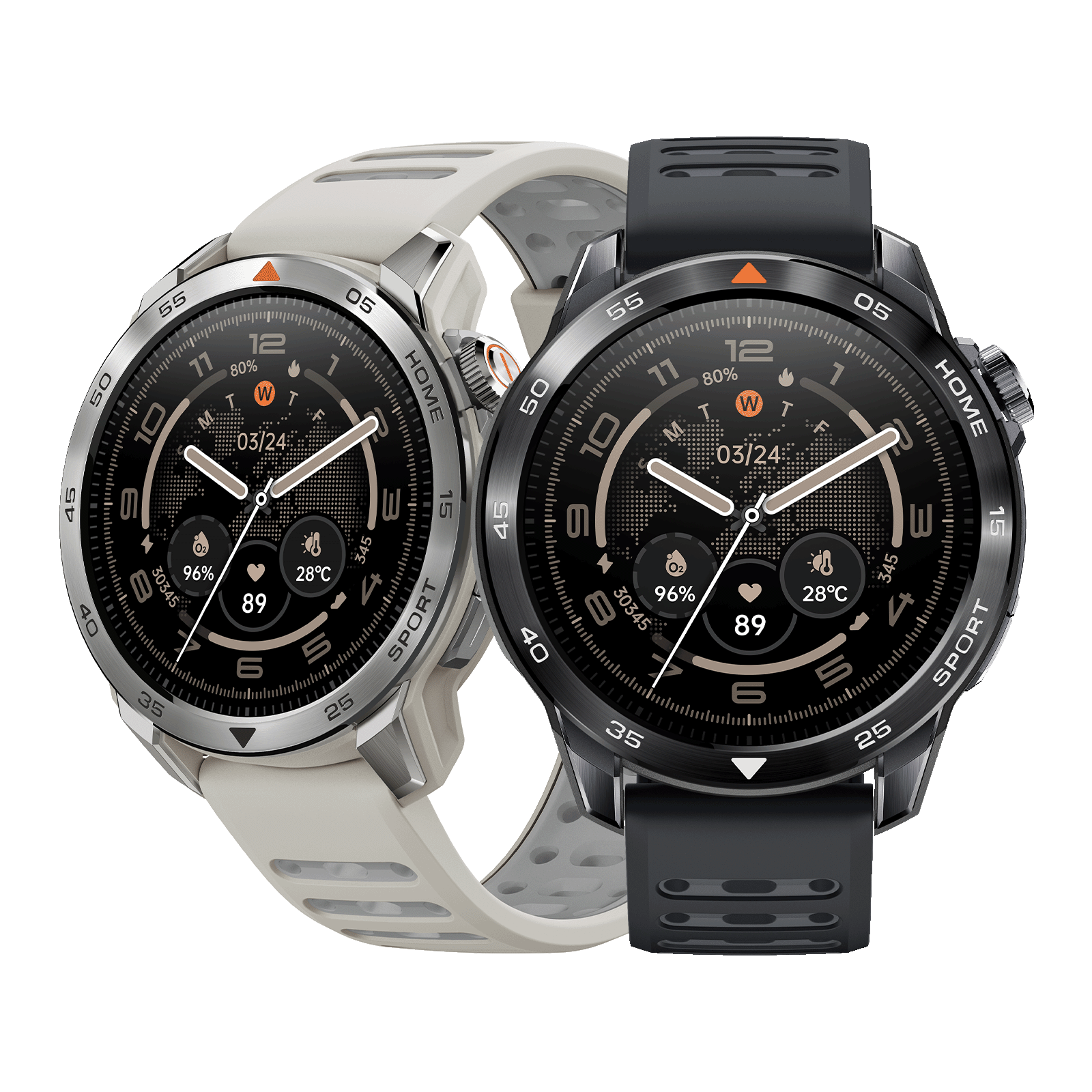
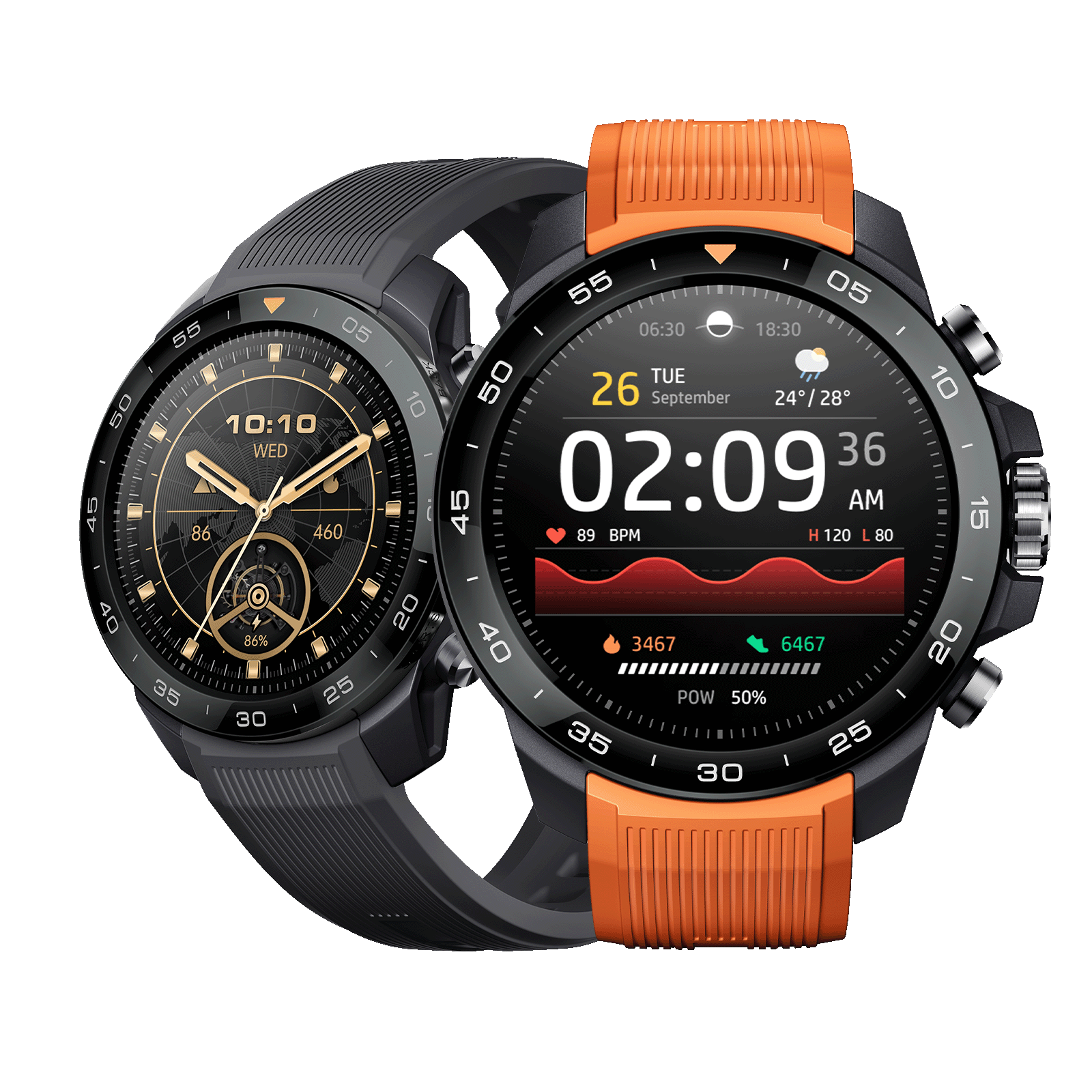
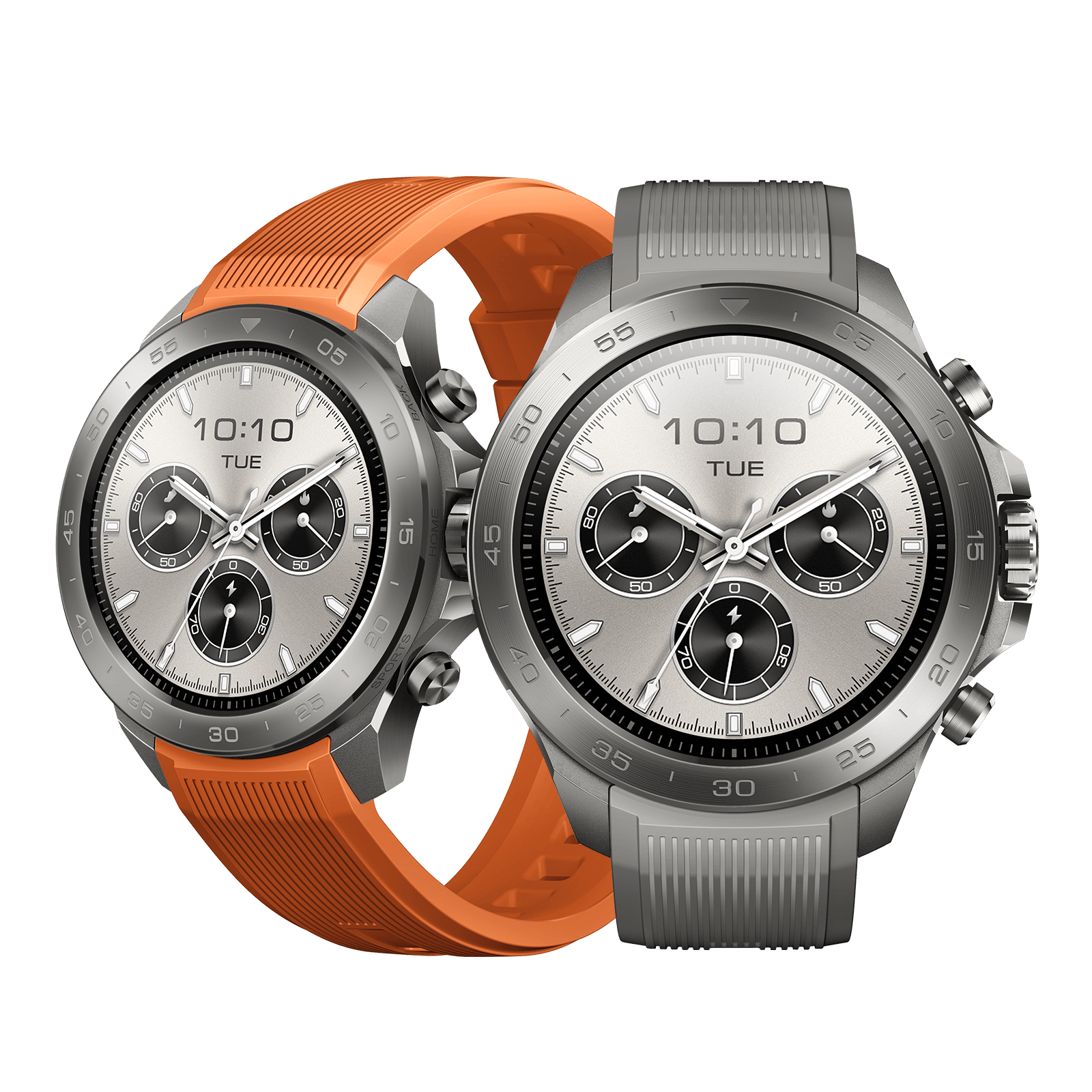


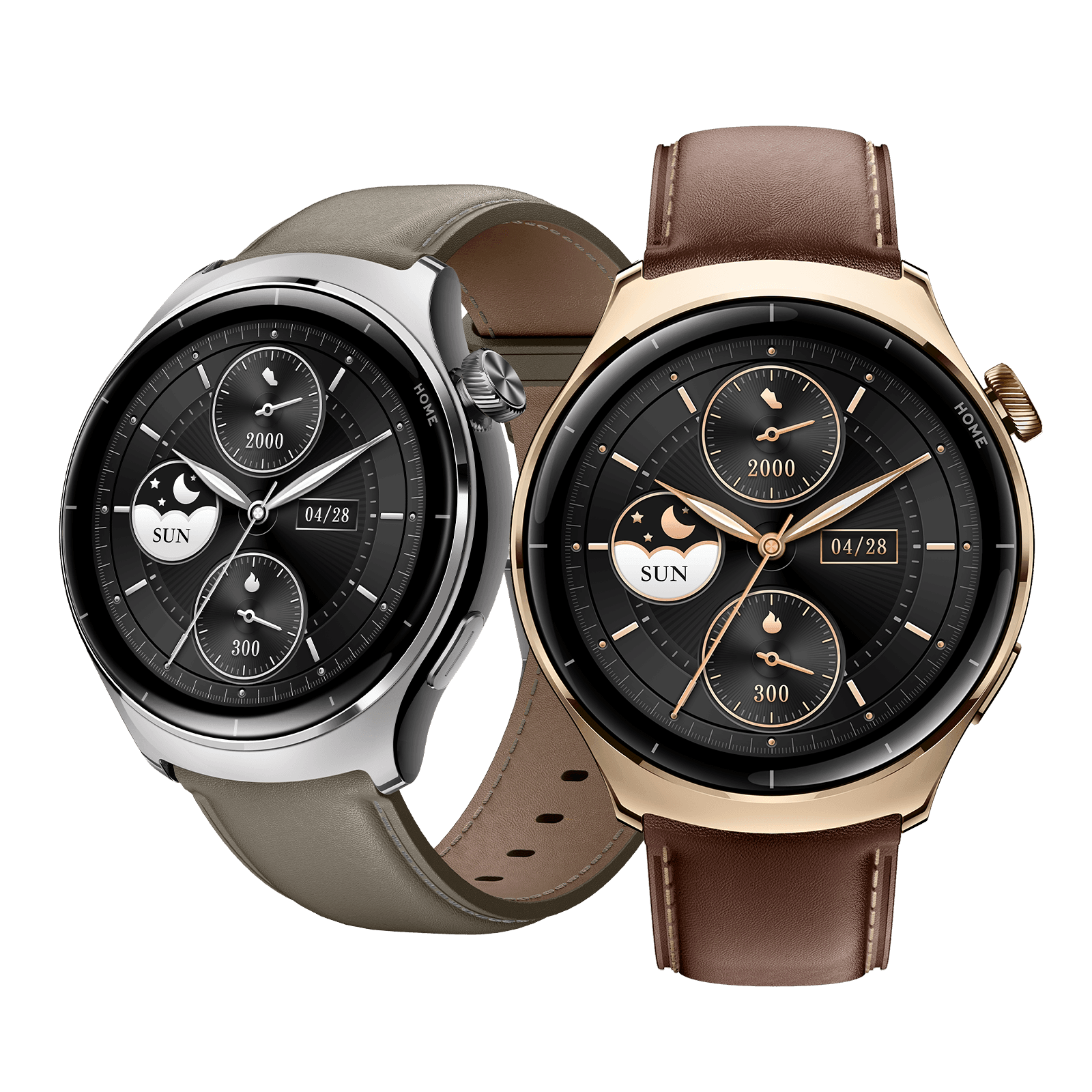
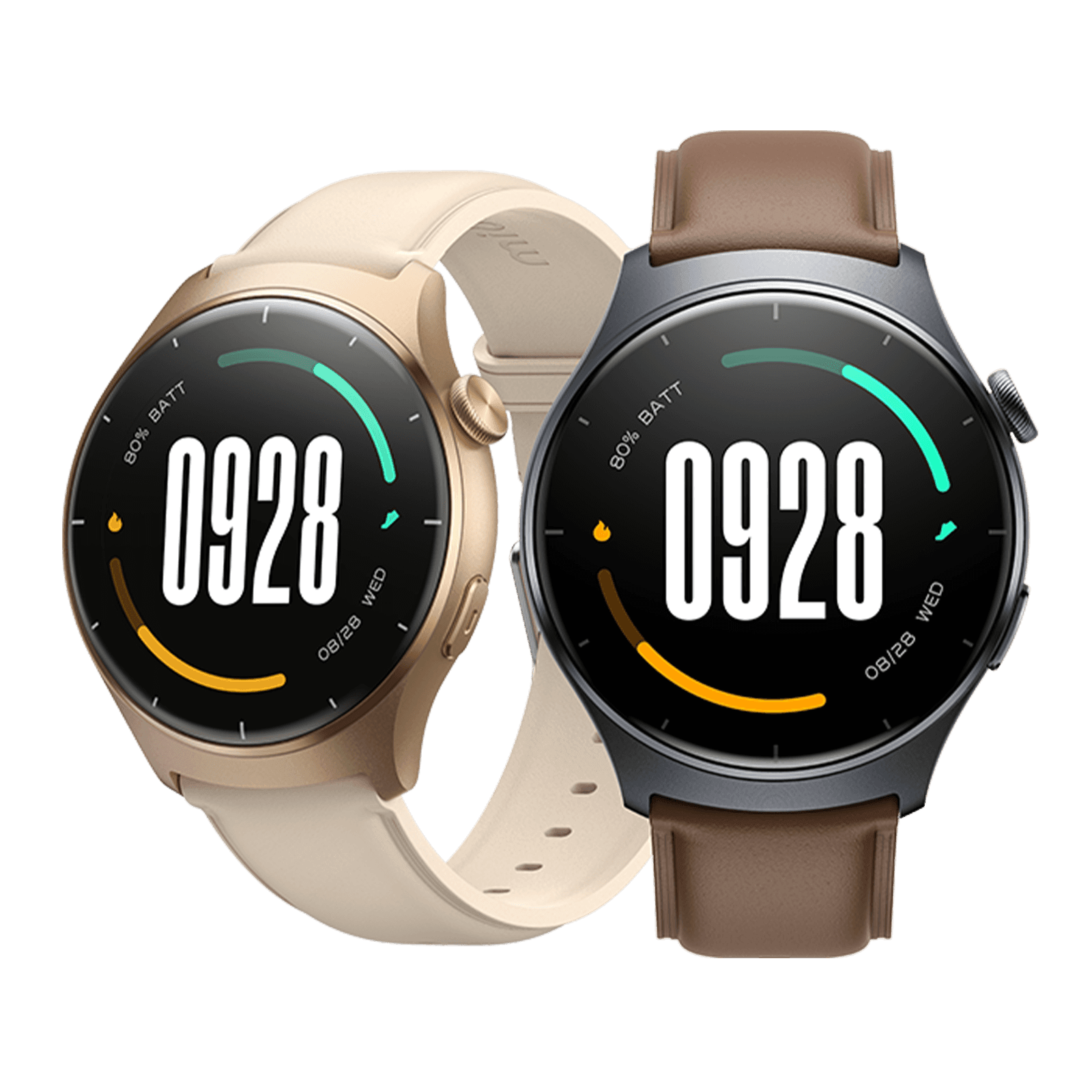
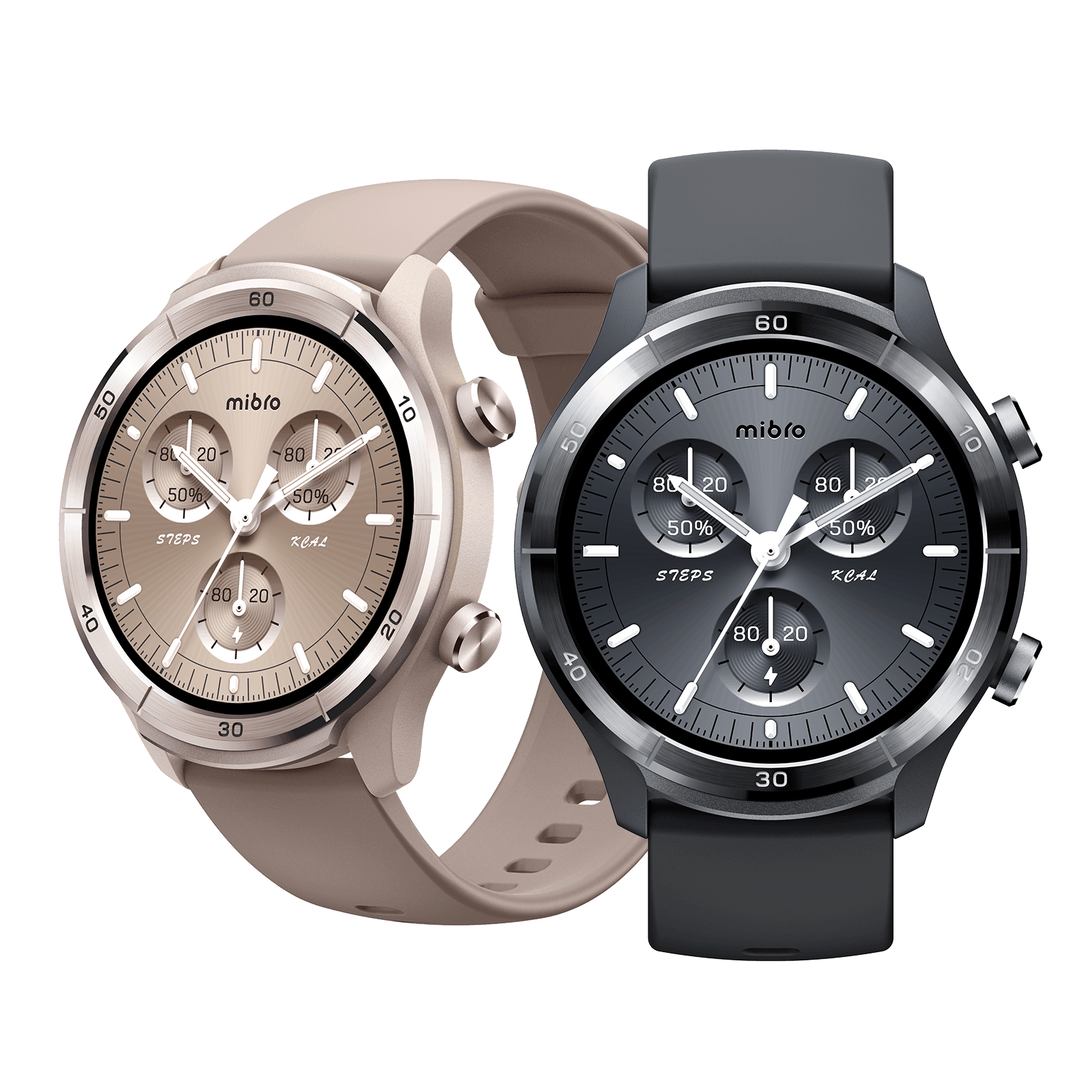
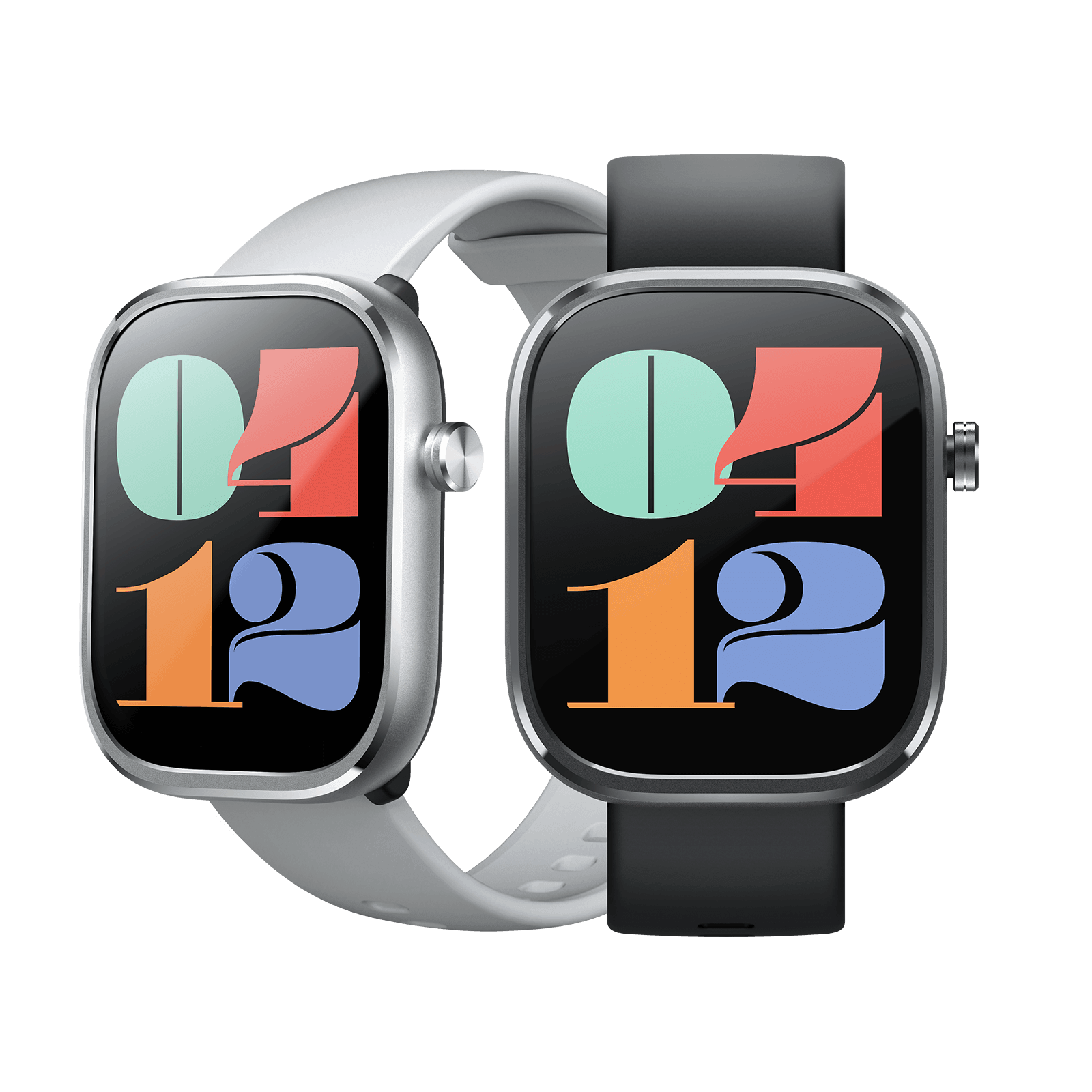
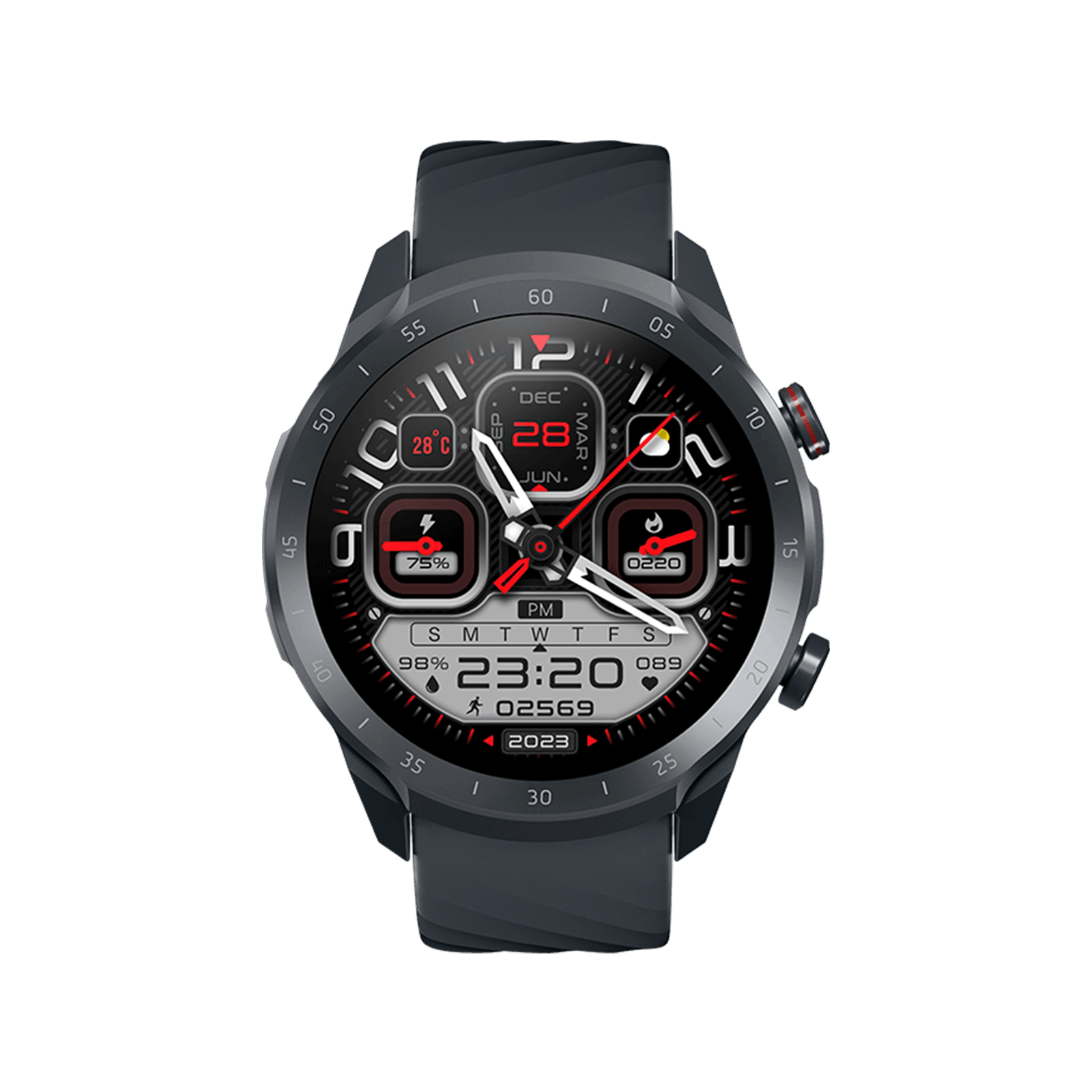
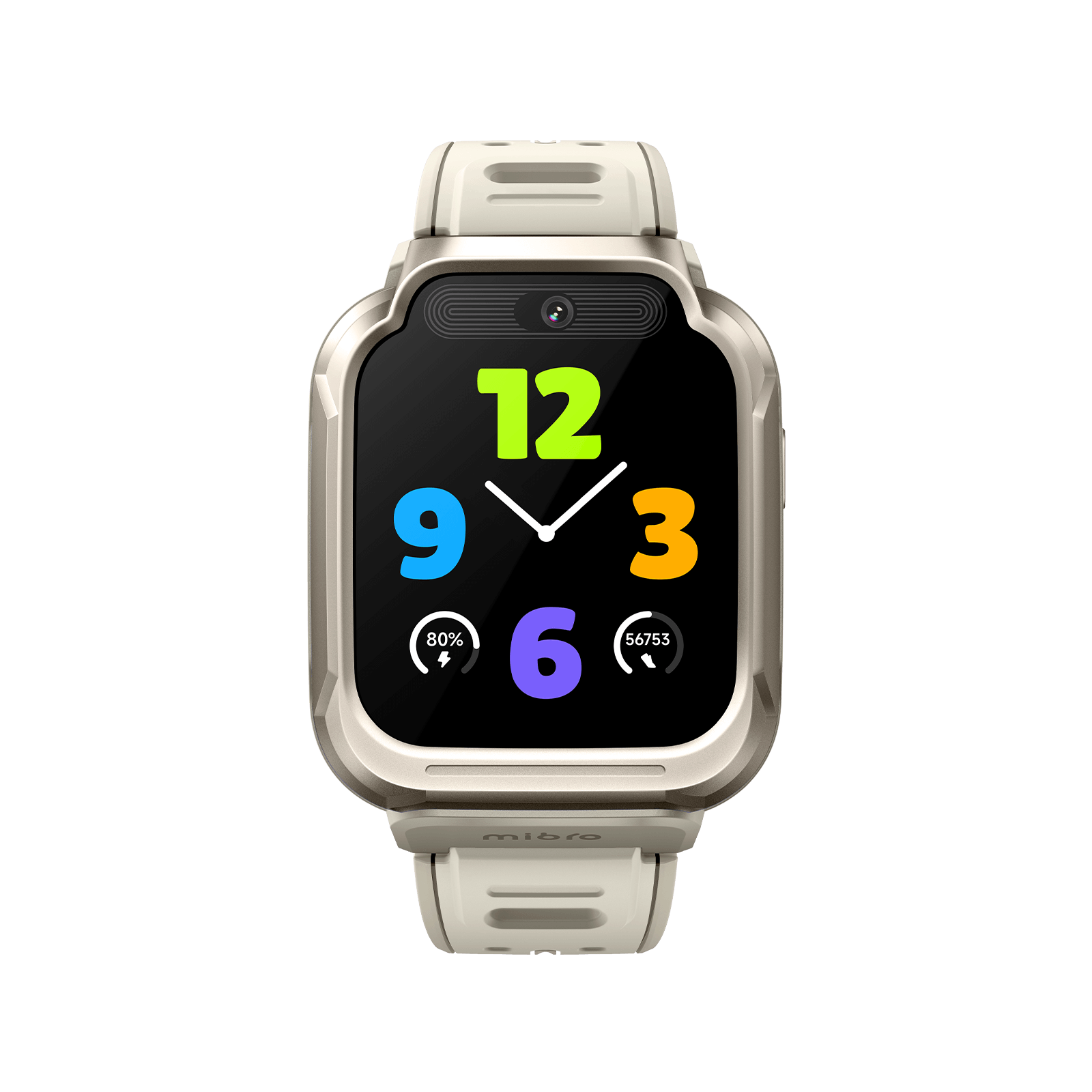
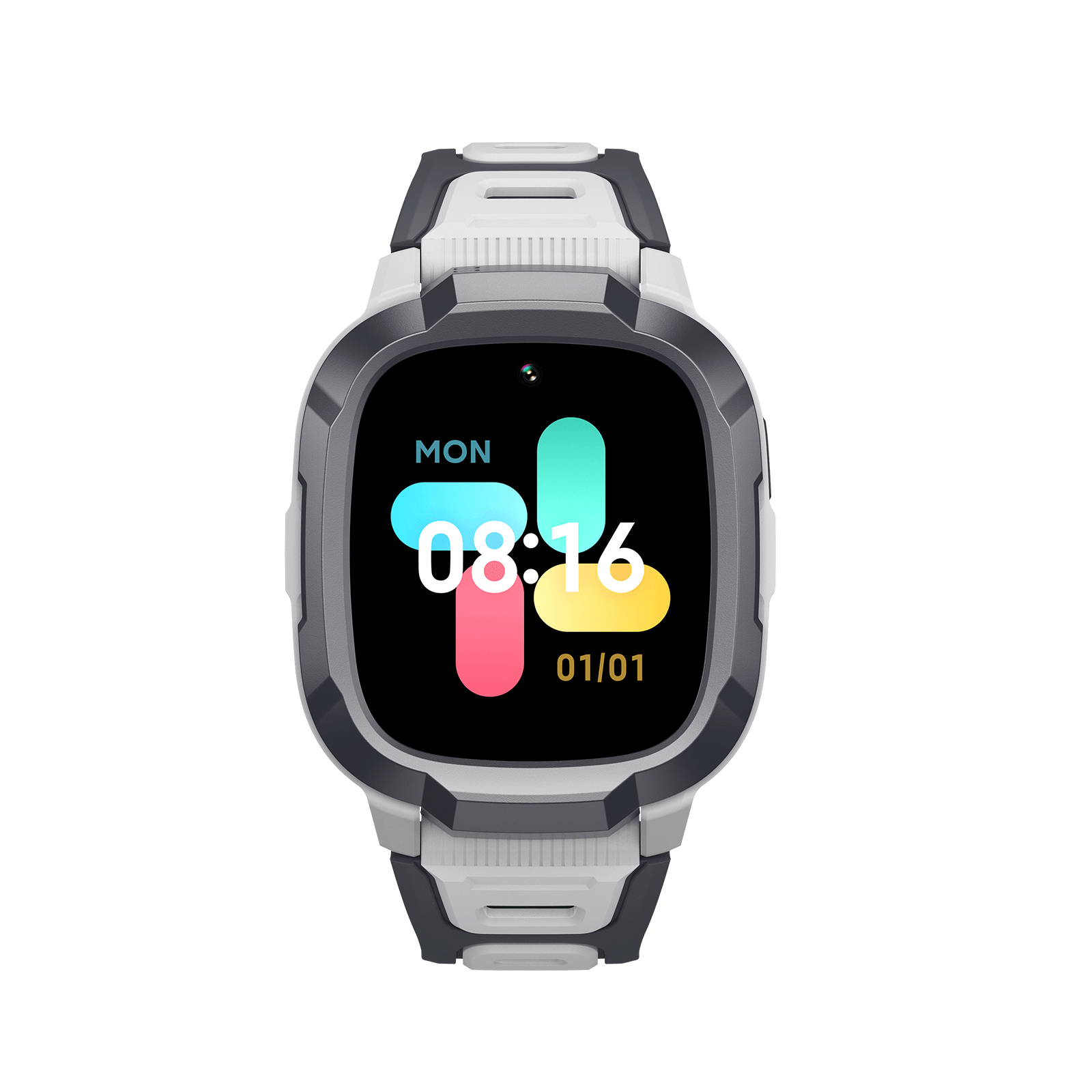
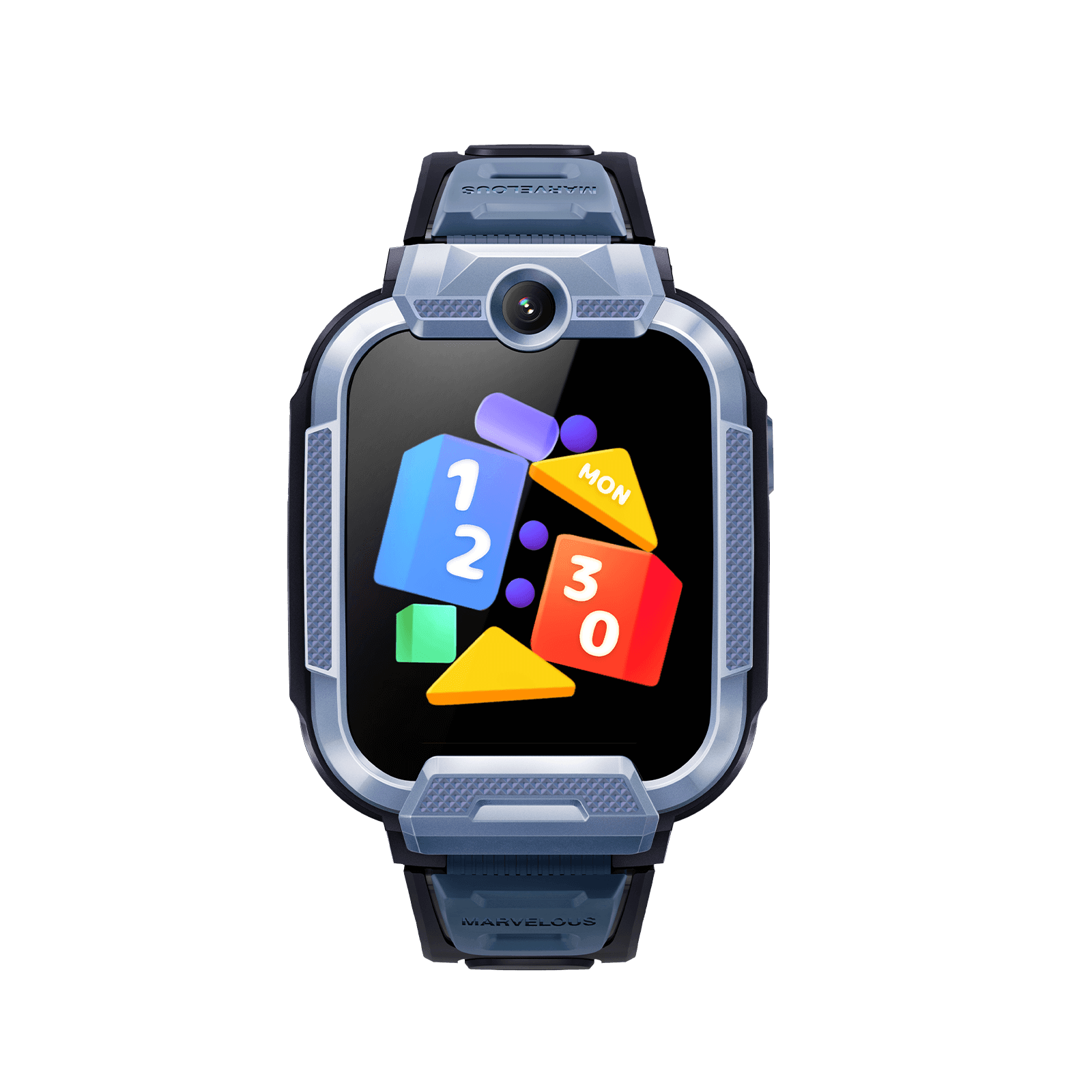




Choosing a running watch in 2026 often means juggling GPS accuracy, battery life, training metrics, and price --- and what excels for one runner might feel overkill for another. The right choice depends on your typical routes, session lengths, and whether you prefer deep data or simple readability. We've rounded up eight standout running watches and compared them across their core specs, user feedback, and overall value, so you don't have to sift through endless product pages. From budget-friendly starters to endurance-focused workhorses, each has its own trade-offs. Now let's dive in.
Takeaway:
- Best overall running watch: Garmin Forerunner 970
- Most inexpensive running watch: Mibro GS Active 2
- Best GPS running watch: Suunto Race 2
- Best running watch for women: Garmin Vivoactive 6
Related Reading:
Quick Comparison: 8 Best Running Watches
Below is a quick comparison chart to see the differences at a glance, helping you decide which is the best running watch for your routine without the guesswork.
| Product | Display | Bezel | Weight | GPS | Battery (GPS) | Offline Maps | Price |
|---|---|---|---|---|---|---|---|
| Garmin Forerunner 970 Best overall running watch | AMOLED | Titanium | 56 g | Multi-band GPS | 26 hours | ✔ | ~ $750 |
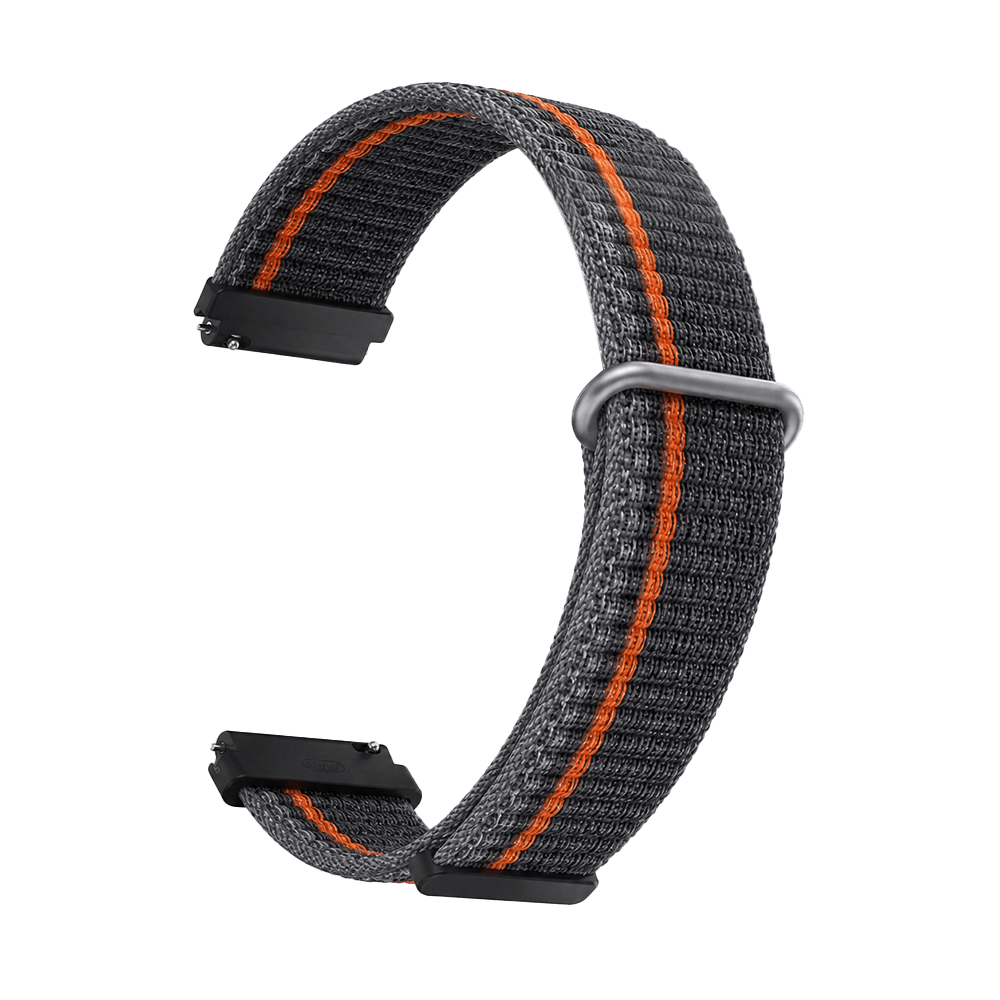
| Mibro GS Active 2 Best budget running watch | AMOLED | Aluminum | 39.9 g (Woven) 51.7 g (Silicone) |
Dual-frequency GNSS | 15 hours | ✔ (Map import) | $79.99 |
| Coros Apex 4 (42mm) Best for battery life | Memory-in-Pixel (MIP) | Titanium | 44 g (Nylon) 56 g (Silicone) |
Dual-frequency GPS & multi-GNSS | ~65 hours | ✔ | $479 |
| Suunto Race 2 Best for navigation | AMOLED | Stainless & Titanium | 76 g (Stainless) 65 g (Titanium) |
Dual-band GNSS | 50 hours | ✔ | Stainless: $499 Titanium: $599 |
| Polar Vantage V3 Best for HR accuracy | AMOLED | Aluminum | 57 g | Dual-frequency GPS | 45 hours | ✔ | $699.99 |
| Garmin Vivoactive 6 Best running watch for women | AMOLED | Aluminum | 36 g | Multi-GNSS | 21 hours | ✖ (Breadcrumb navigation) | $299.99/ |
| Apple Watch Ultra 3 Best running watch for iPhone | wide-angle OLED | Titanium | 61.6 g (Natural) 61.8 g (Black) |
Dual-frequency GPS | 14 hours | ✔ | $799 |
| Garmin Enduro 3 Best for outdoor trail | MIP | Titanium | 63 g | Multi-band GPS | 120 hours | ✔ | $899.99 |
1. Garmin Forerunner 970
| Price | ~ $750 |
| Battery Life | ⭐⭐⭐⭐☆ |
| Navigation | ⭐⭐⭐⭐⭐ |
| Running Metrics | ⭐⭐⭐⭐⭐ |
| Health Monitoring | ⭐⭐⭐⭐⭐ |
The Forerunner 970 introduces advanced running metrics --- Running Economy, Step Speed Loss, and Running Tolerance --- co‑developed with sports science experts. These insights, combined with multi‑band GNSS and daily Training Readiness scores, make it a strong candidate for the best running watch among data‑driven models. Beyond running, triathlon, cycling, and swimming modes expand its scope, while offline maps, a bright 1.4‑inch AMOLED display, and up to 15 days of battery life handle everyday use. A built‑in flashlight adds practicality for low‑light outings. Its feature set balances deep running analytics with multi‑sport versatility, and that well‑rounded nature ensures it also earns the title of best watch to run with, whether on a track, trail, or long‑distance pavement.
Pros:
- Sapphire glass and titanium ensure durability.
- The AMOLED display stays bright outdoors.
- Dual-band GPS delivers accurate navigation.
- Advanced metrics help prevent overtraining.
- Built-in flashlight and sensors add convenience.
Cons:
- The 47mm case feels bulky.
- High price limits overall value.
2. Mibro GS Active 2
| Price | $79.99 |
| Battery Life | ⭐⭐⭐⭐⭐ |
| Navigation | ⭐⭐⭐⭐☆ |
| Running Metrics | ⭐⭐⭐⭐☆ |
| Health Monitoring | ⭐⭐⭐⭐☆ |
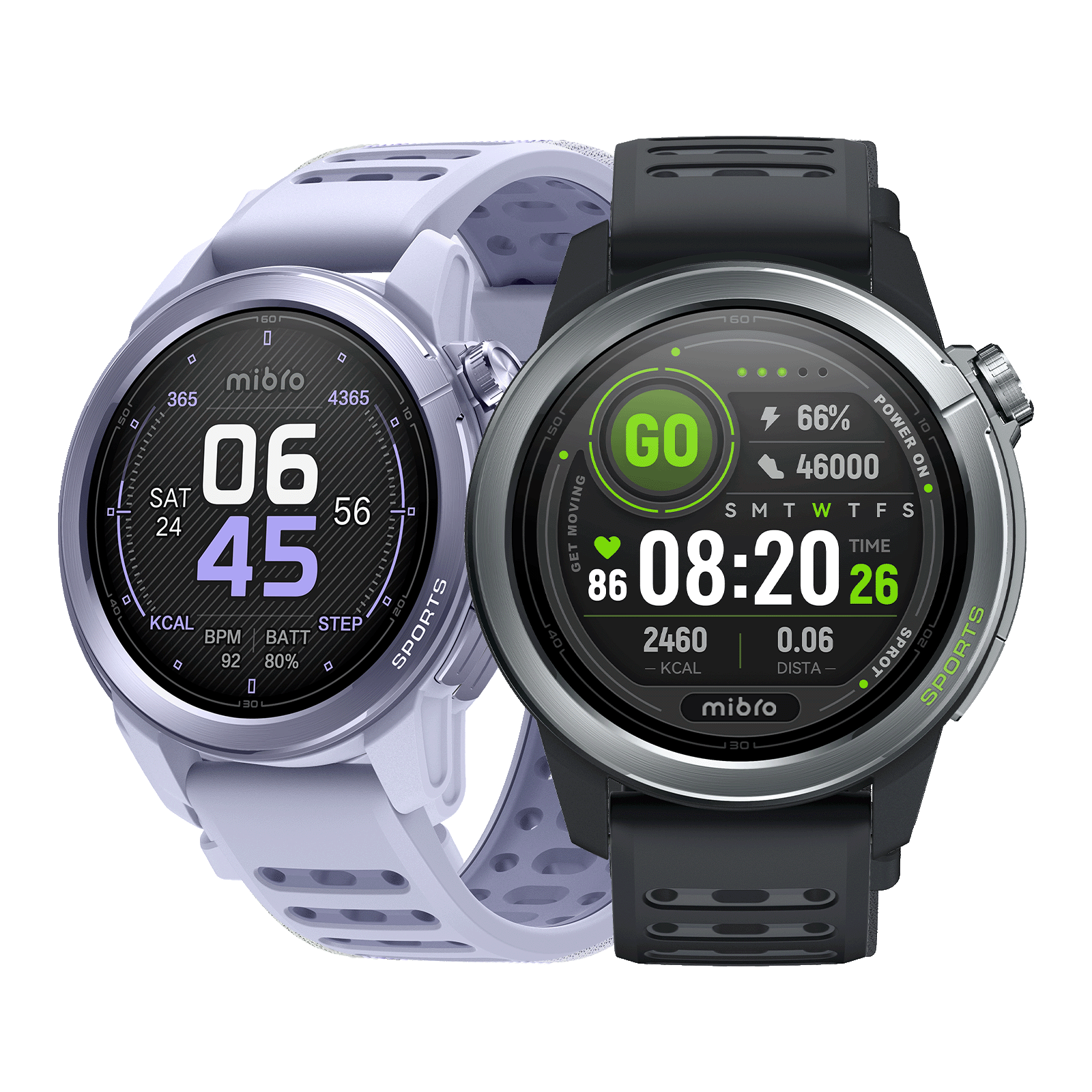
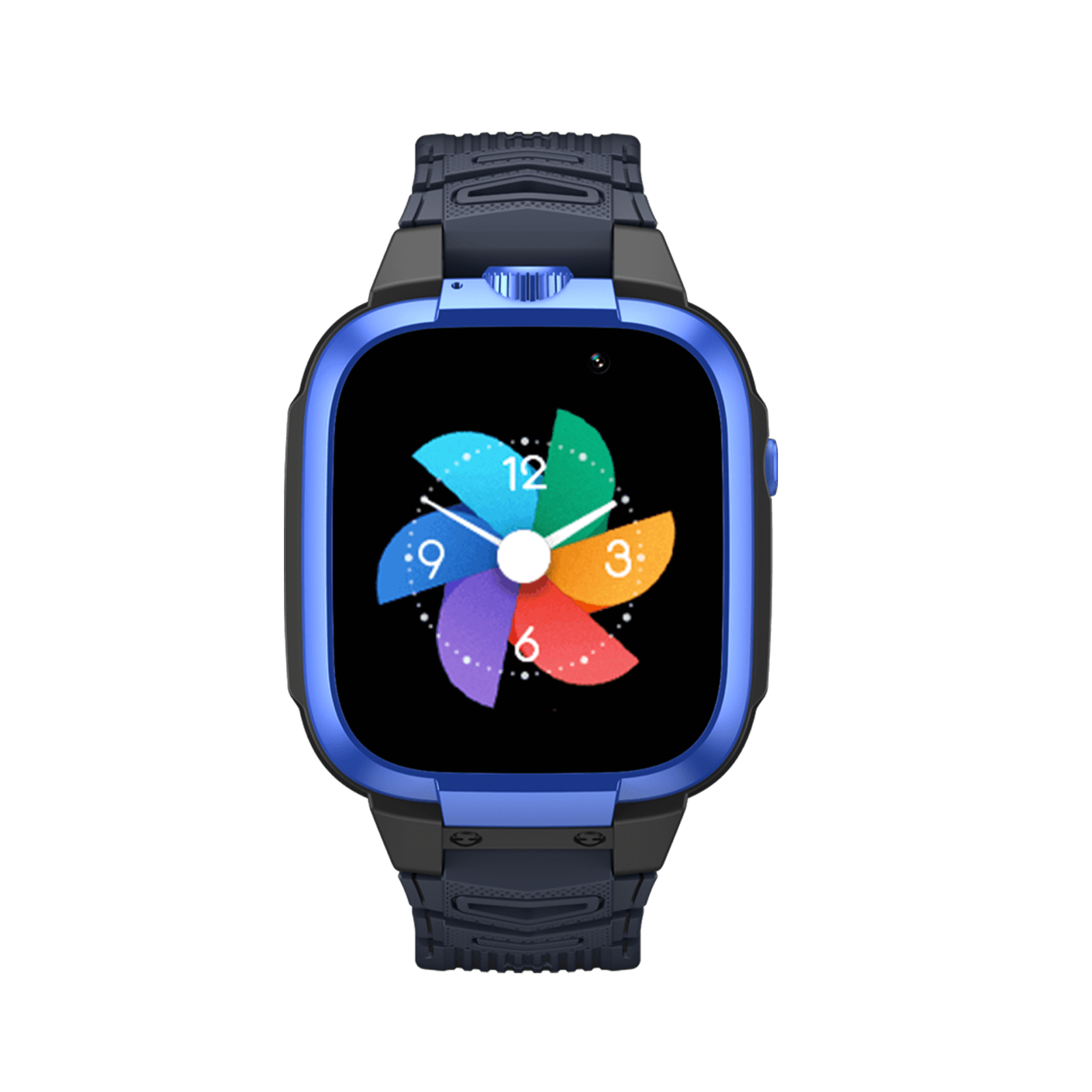
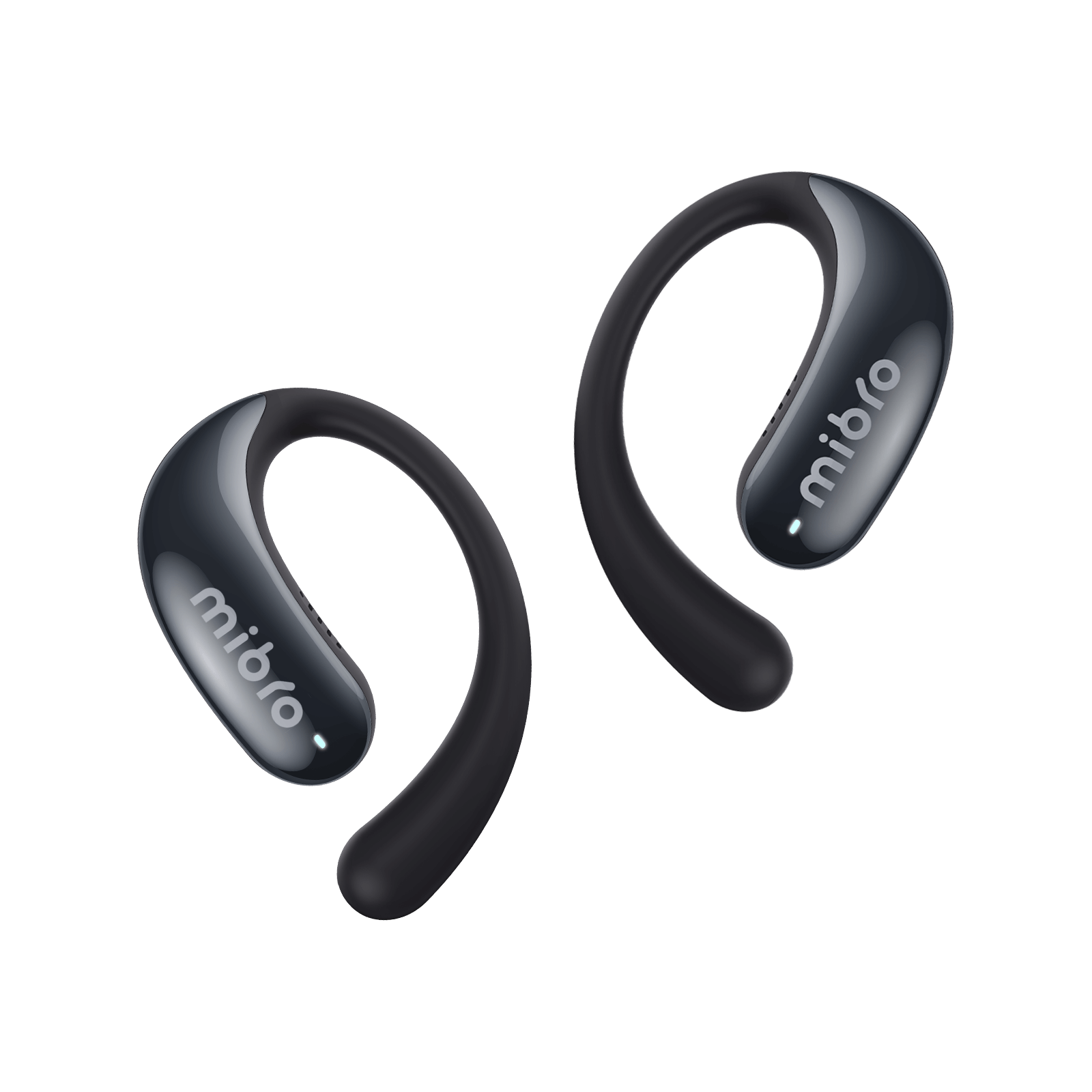
Many runners assume advanced metrics and dual‑frequency GPS come with a hefty price tag. The Mibro GS Active 2, a budget-friendly running watch, breaks that expectation at just $79.99. Weighing only 39.9 grams with a slim 11.7mm case, it feels barely noticeable on the wrist, yet delivers professional‑grade running dynamics --- VO₂ Max, gait analysis, and adaptive 5K‑to‑marathon plans via the free Mibro Fit app. Dual‑band L1+L5 GNSS ensures reliable tracking even in dense urban areas, and the bright AMOLED screen stays readable under direct sunlight. For those watching their wallet but not their performance, this is the must-have running tracker option without cutting essential corners. It also doubles as a capable running smartwatch with Bluetooth calling and Strava sync, making it a surprisingly complete daily companion.
Pros:
- Weighs only 39.9g for long-distance running comfort.
- The bright AMOLED display remains clear in sunlight.
- Dual-frequency GPS provides accurate route tracking.
- Offers training plans, VO2 Max, and 5ATM resistance.
- Syncs data with Strava, Apple Health, and Google Fit.
- Supports Bluetooth calling and music control.
Cons:
- Limited app ecosystem.
- No offline music storage.

Mibro GS Active2
Learn More →3. Coros Apex 4
| Price | $479 |
| Battery Life | ⭐⭐⭐⭐⭐ |
| Navigation | ⭐⭐⭐⭐⭐ |
| Running Metrics | ⭐⭐⭐⭐⭐ |
| Health Monitoring | ⭐⭐⭐⭐☆ |
Battery anxiety disappears with the COROS Apex 4. Its 46mm version offers 65 hours of continuous GPS tracking --- enough for multi-day ultras or weeks of daily runs, fueled by a power-sipping MIP display and rapid USB-C charging (full in under two hours). That longevity lets runners fully utilize advanced navigation: full-color offline maps with turn-by-turn guidance, dual-frequency vertical GPS for steep climbs, and Effort Pace that accounts for gradient. EvoLab tracks VO₂ max, fatigue, and recovery, while altitude monitoring aids high-mountain acclimatization. For anyone seeking a good running watch that never holds back, this is the best option.
Pros:
- Exceptional battery life for extended adventures.
- Loads maps 30 times faster than before.
- Uses lightweight titanium and sapphire glass protection.
- Supports hands-free calls and voice recording.
- Offers excellent sunlight readability with MIP display.
Cons:
- Screen appears dim in indoor environments.
- Limited smart features and music integration.
4. Suunto Race 2
| Price | Stainless: $499 Titanium: $599 |
| Battery Life | ⭐⭐⭐⭐⭐ |
| Navigation | ⭐⭐⭐⭐⭐ |
| Running Metrics | ⭐⭐⭐⭐☆ |
| Health Monitoring | ⭐⭐⭐⭐☆ |
For runners who prioritize navigation, the Suunto Race 2 earns a spot among recommended running watches of 2026. Its 1.5-inch AMOLED display (2,000 nits) pairs with a digital crown and touchscreen for effortless map panning, while 32 GB of internal storage holds full offline global maps with turn-by-turn routing and climb guidance. The upgraded heart rate sensor delivers cleaner biometrics --- VO₂ Max, HRV, and blood oxygen --- while Suunto Coach AI offers recovery feedback. With 115+ sport modes and detailed waypoint integration, it handles everything from track intervals to remote trail explorations. For navigation-heavy outings, this is the GPS running watch that truly guides every step.
Pros:
- Features a bright 2,000-nit LTPO AMOLED display.
- Free, highly detailed offline topographic maps.
- Offers up to 55 hours of GPS battery life.
- Uses sapphire glass and premium metal materials.
- Adds touchscreen lock and improved charging.
Cons:
- Requires manual map downloads before navigation.
- Higher price than the previous generation.

5. Polar Vantage V3
| Price | $699.99 |
| Battery Life | ⭐⭐⭐⭐⭐ |
| Navigation | ⭐⭐⭐⭐⭐ |
| Running Metrics | ⭐⭐⭐⭐☆ |
| Health Monitoring | ⭐⭐⭐⭐☆ |
For runners who take recovery as seriously as training, the Polar Vantage V3 delivers complete insight on both fronts. Its Elixir biosensing technology enables wrist-based running power, eliminating foot pods, while dual-frequency GPS ensures accurate tracking in challenging environments. Offline color maps guide trail explorations, and Training Load Pro distinguishes cardiovascular from musculoskeletal strain to prevent overtraining.
Beyond running, the V3 offers advanced recovery tools: wrist-based ECG, Orthostatic Test for HRV balance, blood oxygen for altitude acclimation, and Nightly Recharge to assess sleep recovery. Voice guidance delivers performance updates mid-stride. This combination of training precision and health monitoring makes it a strong best wrist watch for running.
Pros:
- Features a sharp and bright AMOLED display.
- Includes ECG, SpO2, and temperature sensors.
- Provides accurate dual-band GPS tracking.
- Offers built-in global offline maps.
- Delivers detailed recovery and sleep insights.
Cons:
- Lacks music storage, payments, and apps.
- Companion app may have syncing issues.
6. Garmin Vivoactive 6
| Price | $299.99 |
| Battery Life | ⭐⭐⭐⭐☆ |
| Navigation | ⭐⭐⭐☆☆ |
| Running Metrics | ⭐⭐⭐⭐☆ |
| Health Monitoring | ⭐⭐⭐⭐⭐ |
Among running watches for women, the Vivoactive 6 stands out with its 23‑gram, 10.9mm‑thick 42mm case --- comfortable for smaller wrists --- and a bright 1.2‑inch AMOLED display. Running features include PacePro for elevation‑adjusted pacing, wrist‑based Running Power and dynamics (cadence, stride length, ground contact time), plus multi‑satellite support (GPS, QZSS, Beidou) for reliable tracking. Daily suggested workouts adapt to sleep and activity, and 8GB of storage holds offline music. Body Battery and Smart Wake Alarm round out the wellness suite. This lightweight package also makes it a good running watch for daily wear.
Tip: The Apple Watch Series 11 is an excellent running watch for women if you are using an iPhone, which handles daily life, safety, and casual-to-marathon distance running excellently. However, if you are an ultrarunner who hates daily charging or demands pinpoint GPS mapping in deep woods, a specialized sports watch for running will serve your goals better.
Pros:
- Offers up to 11 days of battery life (daily mode).
- Provides a smooth UI and navigation experience.
- Includes extensive fitness and training features.
- Stores over 1,000 songs offline.
- Supports Garmin Pay and smart features.
Cons:
- Lacks an altimeter and ECG sensor.
- Lacks multi-band accuracy and detailed maps.

7. Apple Watch Ultra 3
| Price | $799 |
| Battery Life | ⭐⭐⭐⭐☆ |
| Navigation | ⭐⭐⭐⭐☆ |
| Running Metrics | ⭐⭐⭐⭐⭐ |
| Health Monitoring | ⭐⭐⭐⭐⭐ |
For iPhone-compatible watch selection, the Apple Watch Ultra 3 is the best running companion. Battery life stretches to 14 hours with full GPS and heart rate --- enough for a 10K --- while the dual‑frequency system keeps pace honest even under tree cover. The Action button lets fingers stay dry, starting runs or marking laps with a click, and the bright wide‑angle display stays readable at a glance. Offline maps guide unfamiliar trails, and a built‑in siren adds reassurance for remote outings. This thoughtful mix of iOS integration and athletic focus makes it a compelling best watch to run for Apple loyalists.
Pros:
- Adds satellite communication and 5G connectivity.
- Features a brighter LTPO3 wide-angle OLED display.
- Daily mode 42-hour battery life and faster charging.
- Built with a titanium case and sapphire glass.
- Offers precise dual-band GPS and health tracking.
Cons:
- Hardware upgrades are limited versus the previous gen.
- Large 49mm design feels bulky for some users.
8. Garmin Enduro 3
| Price | $899.99 |
| Battery Life | ⭐⭐⭐⭐⭐ |
| Navigation | ⭐⭐⭐⭐⭐ |
| Running Metrics | ⭐⭐⭐⭐⭐ |
| Health Monitoring | ⭐⭐⭐⭐⭐ |
For trail runners heading deep into the backcountry, the Enduro 3 is a running smartwatch built to endure. Its lightweight 63‑gram titanium case and solar‑charged battery handle multi‑day efforts without fatigue or power anxiety. Running tools like Grade‑Adjusted Pace and Real‑Time Stamina keep effort in check on steep climbs, while multi‑band GPS and dynamic route recalibration navigate dense forests or remote canyons with confidence. The built‑in flashlight and durable nylon strap add practical touches for overnight sections. For those who measure runs in days rather than miles, this rugged companion earns its place as the best watch to run when every trail mile matters.
Pros:
- Offers over 100 hours of GPS battery life.
- Weighs only 63g with titanium materials.
- Includes advanced sensors and LED flashlight.
- Features TopoActive offline terrain map.
- Supports EGC and skin temperature.
Cons:
- MIP display looks dull indoors.
- High price for many users.

What to Look for When Choosing a Running Watch
Finding the best running watch for your routine starts with understanding which features actually matter. Here's what to weigh across eight key areas.
GPS & Navigation
Multi‑band (L1+L5) GNSS provides the highest accuracy, especially in cities or forests. If you run trails, look for offline maps and route navigation --- turn‑by‑turn guidance and backtracking prevent getting lost. A gps running watch with dual‑frequency locks signals faster and holds tracks tighter, making pace and distance far more reliable.
Heart Rate Monitoring
Wrist‑based optical sensors have improved, but accuracy still drops during intense intervals or rapid cadence changes. For serious training, opt for models with newer multi‑LED sensors (e.g., Gen 5). Chest straps remain the gold standard, but a good running watch paired with a compatible strap gives you both convenience and precision when you need it.
Running Records & Training
Look beyond basic pace and distance. Metrics like cadence, stride length, ground contact time, and running power help refine form. Adaptive training plans, recovery scores, and VO₂ max estimates turn raw data into actionable feedback. The best running watch for improvement offers daily suggestions that adjust based on your level and recent effort, not static plans.
Battery Life
Consider your typical run length and your willingness to charge. For marathoners and ultra runners, 20+ hours in full GPS mode is a baseline. Solar charging or power‑saving MIP displays can extend that significantly. A best watch to run long distances should outlast your longest session without forcing you to carry a power bank.
Wear Comfort
Weight and strap material matter more on longer runs. Lightweight cases (under 50g) and breathable nylon or silicone straps reduce chafing. Try the lug‑to‑lug distance --- if the case overhangs your wrist, it will bounce. A GPS running watch that feels invisible encourages consistent wear, even during sleep for recovery tracking.
Screen & Operation
Brightness (1,000+ nits) ensures readability in sunlight; AMOLED offers vivid colors but consumes more power, while MIP sips battery and stays clear in direct sun. Touchscreens are handy for maps, but physical buttons are easier to operate when sweaty or wearing gloves --- a mix of both offers the best compromise.
Water Resistance
5 ATM (50 meters) is the standard for running in rain and post‑run rinses. If you swim or do triathlons, ensure 5 ATM or higher. Depth ratings matter less than the seal quality; avoid pressing buttons underwater to prevent leaks. Most good running watch options meet this basic requirement without extra cost.
Smart Features
Music storage, contactless payments, and phone notifications add convenience, but they drain battery. Consider whether you run phone‑free---offline playlists and Bluetooth audio are worth it if you do. For iPhone users, ecosystem integration may be non‑negotiable; for Android, open platforms like Strava sync matter more. The best running watch balances these extras against your core athletic needs.
What Matters Most for Different Runners?
| Runner Type | Most Important Features |
|---|---|
| Beginners | GPS + Heart Rate + Training Plans |
| Weight Loss Runners | Heart Rate + Calories + Comfort |
| 5K/10K | Pace Accuracy + Interval Training |
| Marathon Runners | Training Load + Recovery Analysis + Battery Life |
| Trail Runners | GPS + Maps + Long Battery Life |
| Triathlon Athletes | Multi-Sport Modes + Water Resistance |
FAQs About Running Watches
Why do runners prefer Garmin?
Runners prefer Garmin because it offers a complete training ecosystem, not just basic activity tracking. Garmin watches provide advanced running metrics, accurate GPS, personalized training guidance, and detailed performance analysis to help runners improve over time. Its reliable data, long battery life, and strong integration with platforms like Garmin Connect, Strava, and TrainingPeaks make it a trusted choice for serious runners.
What is the best cheap running watch?
The Mibro GS Active 2 is one of the best budget choices. It delivers essential running features at around $80, including dual-frequency GPS, real-time running metrics, VO₂ Max tracking, training plans, and race prediction. With its lightweight 39.9g design, bright AMOLED display, 15-hour GPS battery life, and support for 150+ sports modes, this inexpensive running watch provides excellent value for beginner and everyday runners who want reliable training features without a high price tag.
Should a beginner get a running watch?
It depends on your running goals. A running watch is not necessary if you are just starting out and only want to stay active. However, it can be a valuable tool if you want to track progress, improve your pace, train more efficiently, or prepare for a race. Features like GPS tracking, heart rate monitoring, and training guidance can help beginners better understand their performance and build a smarter running routine.

