 Skip to content



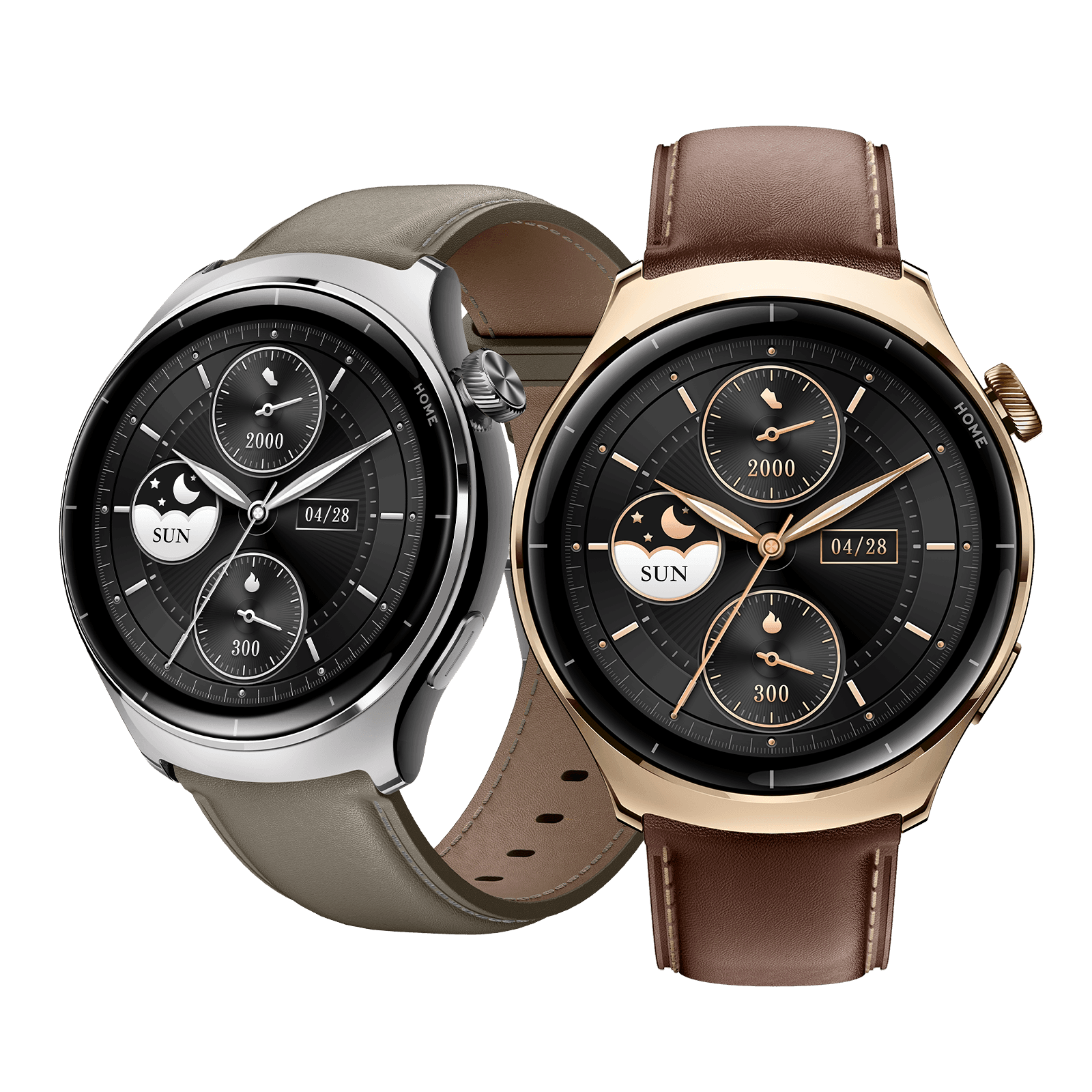
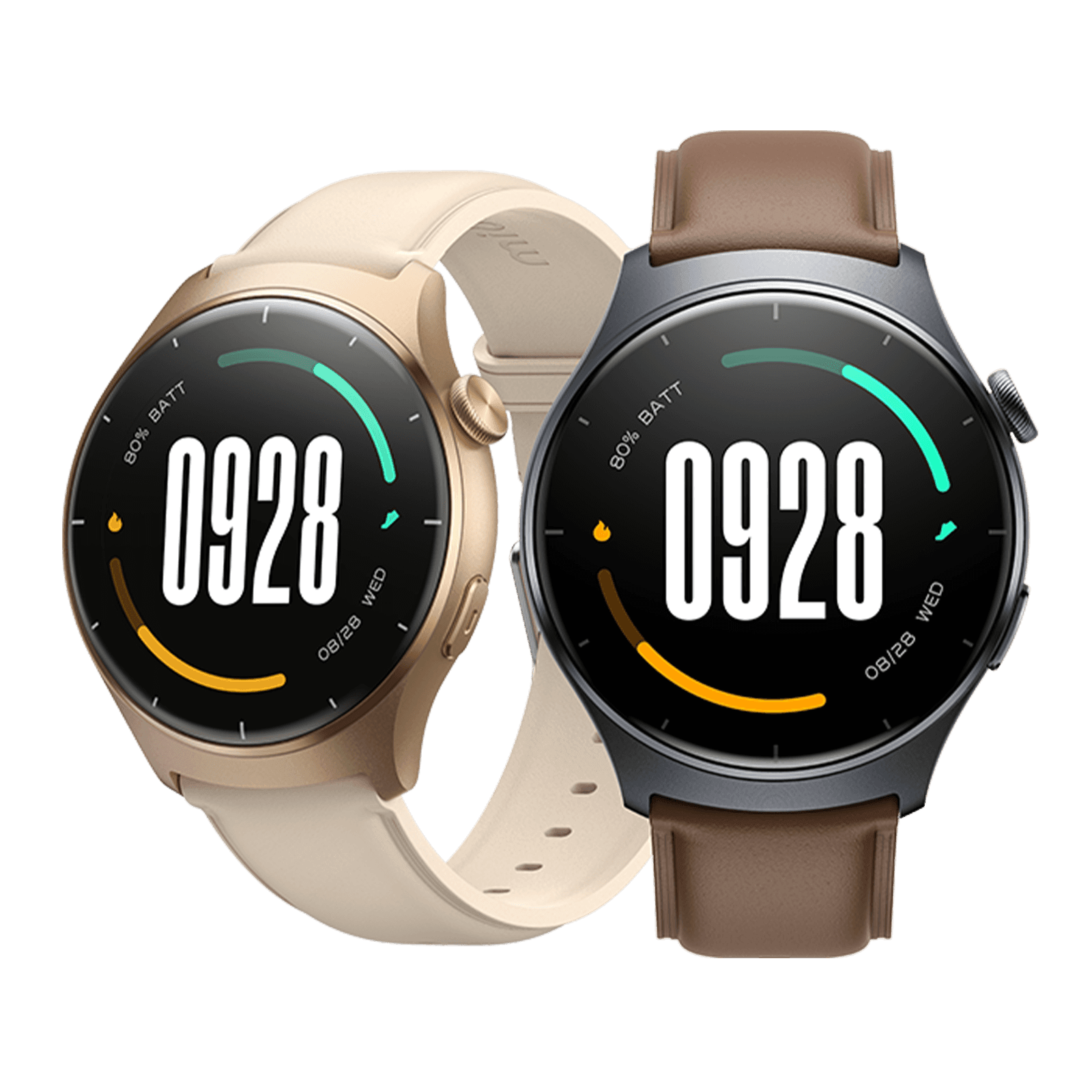
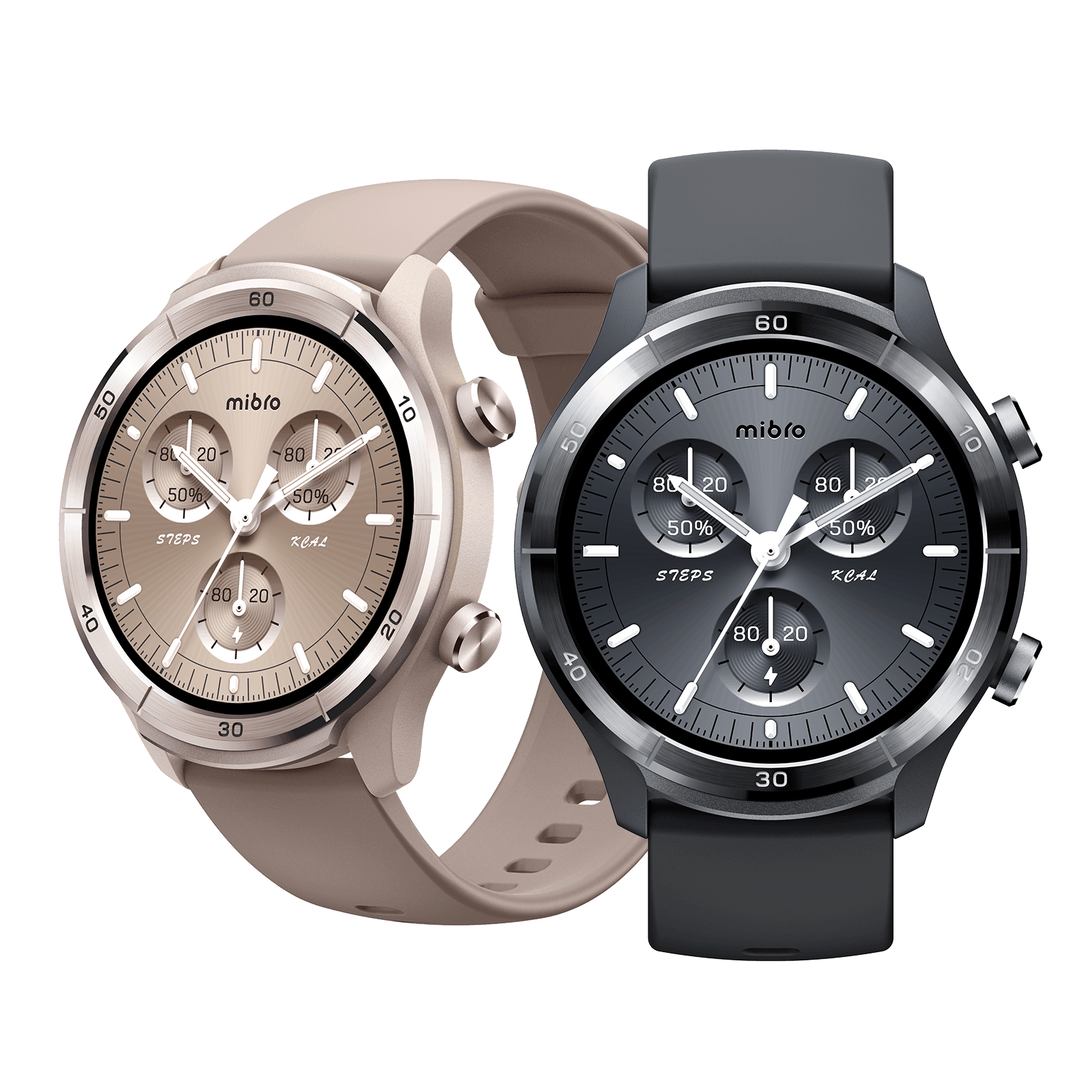
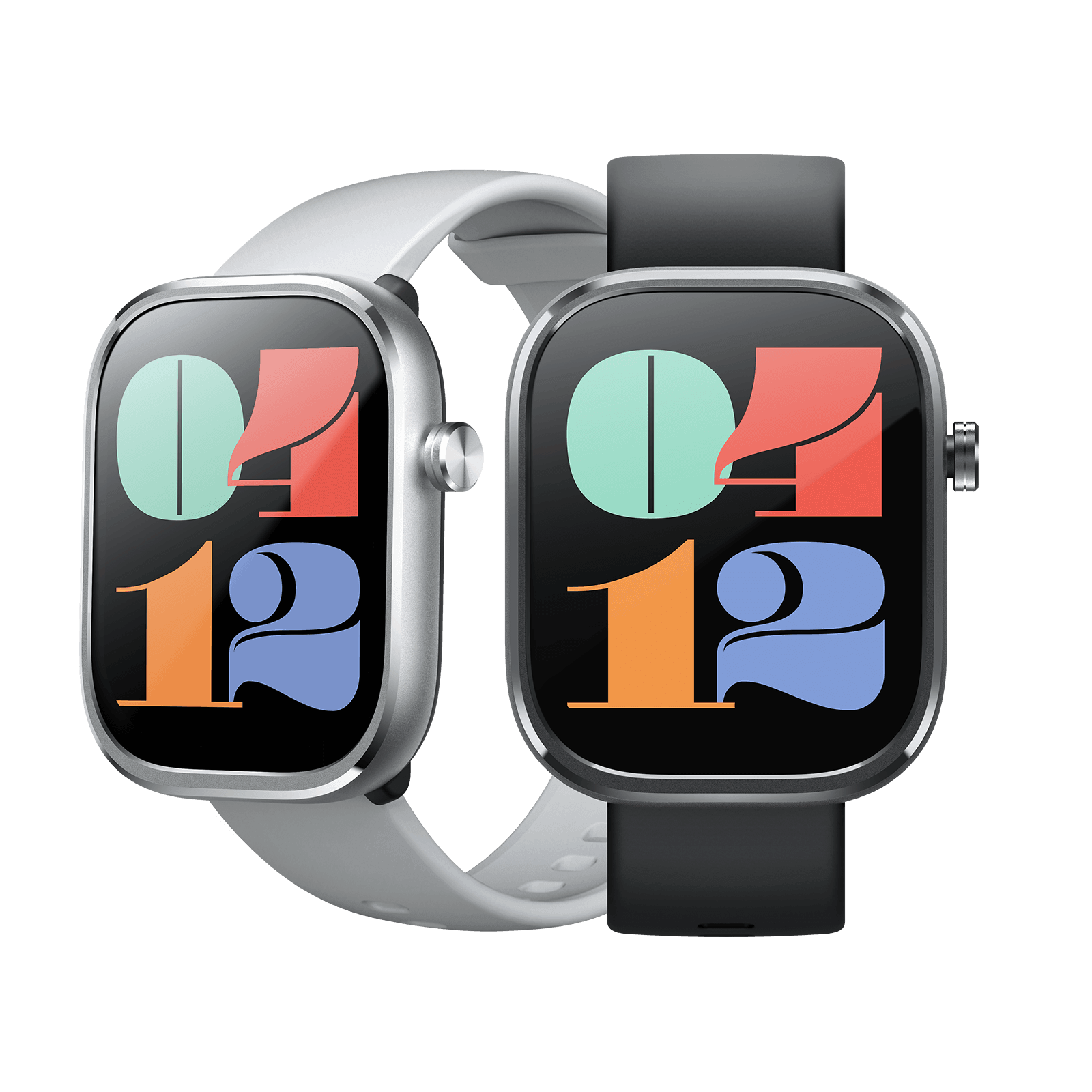
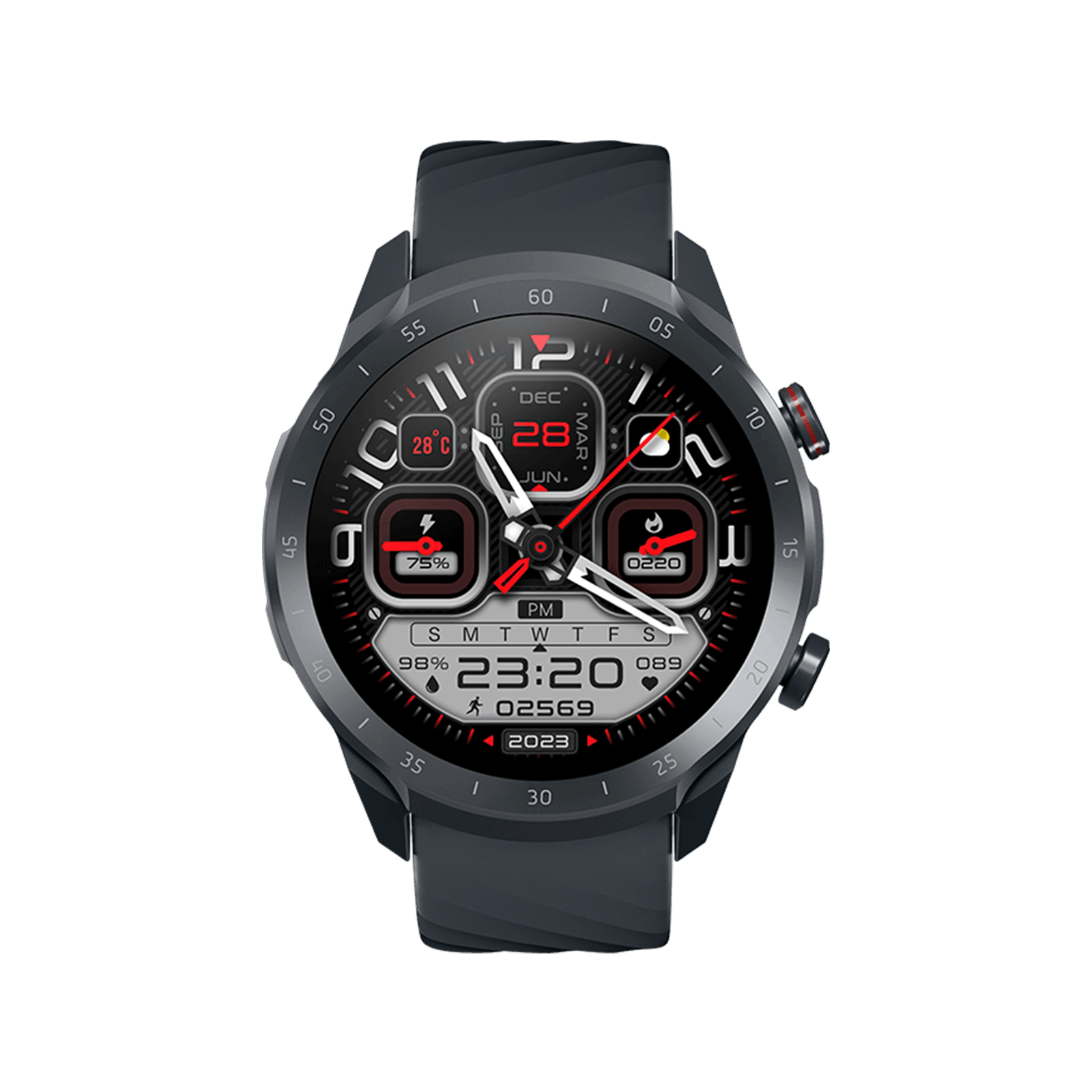
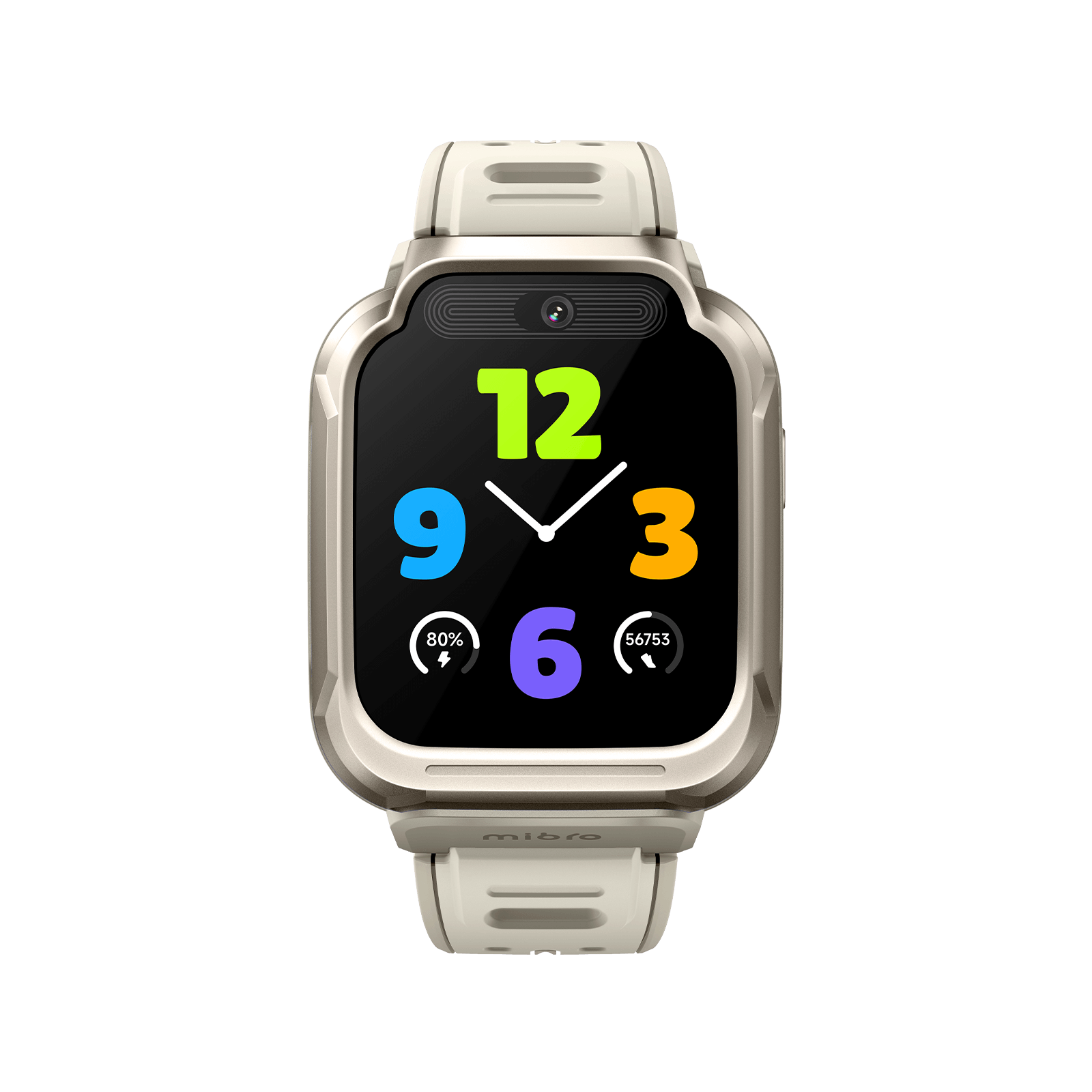
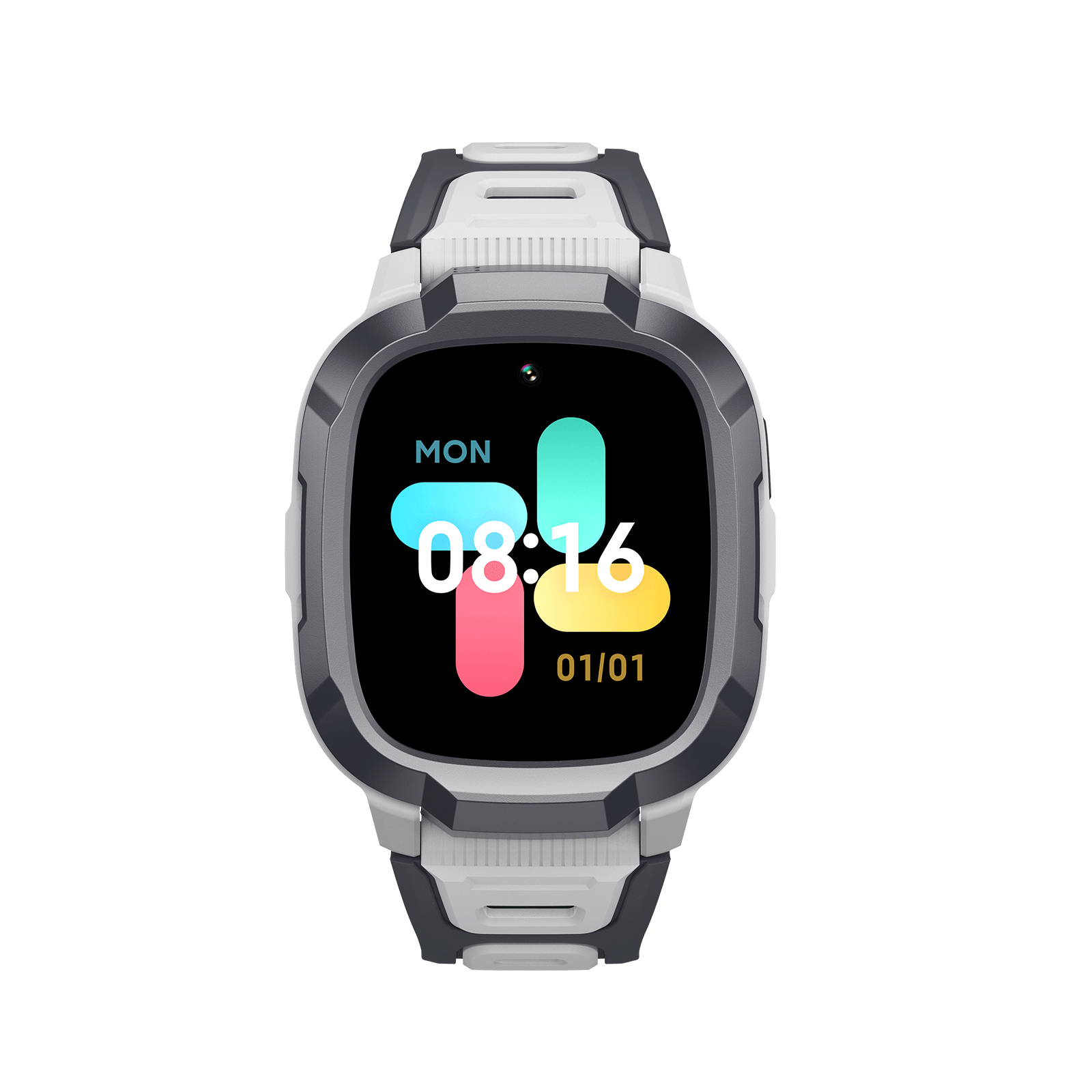
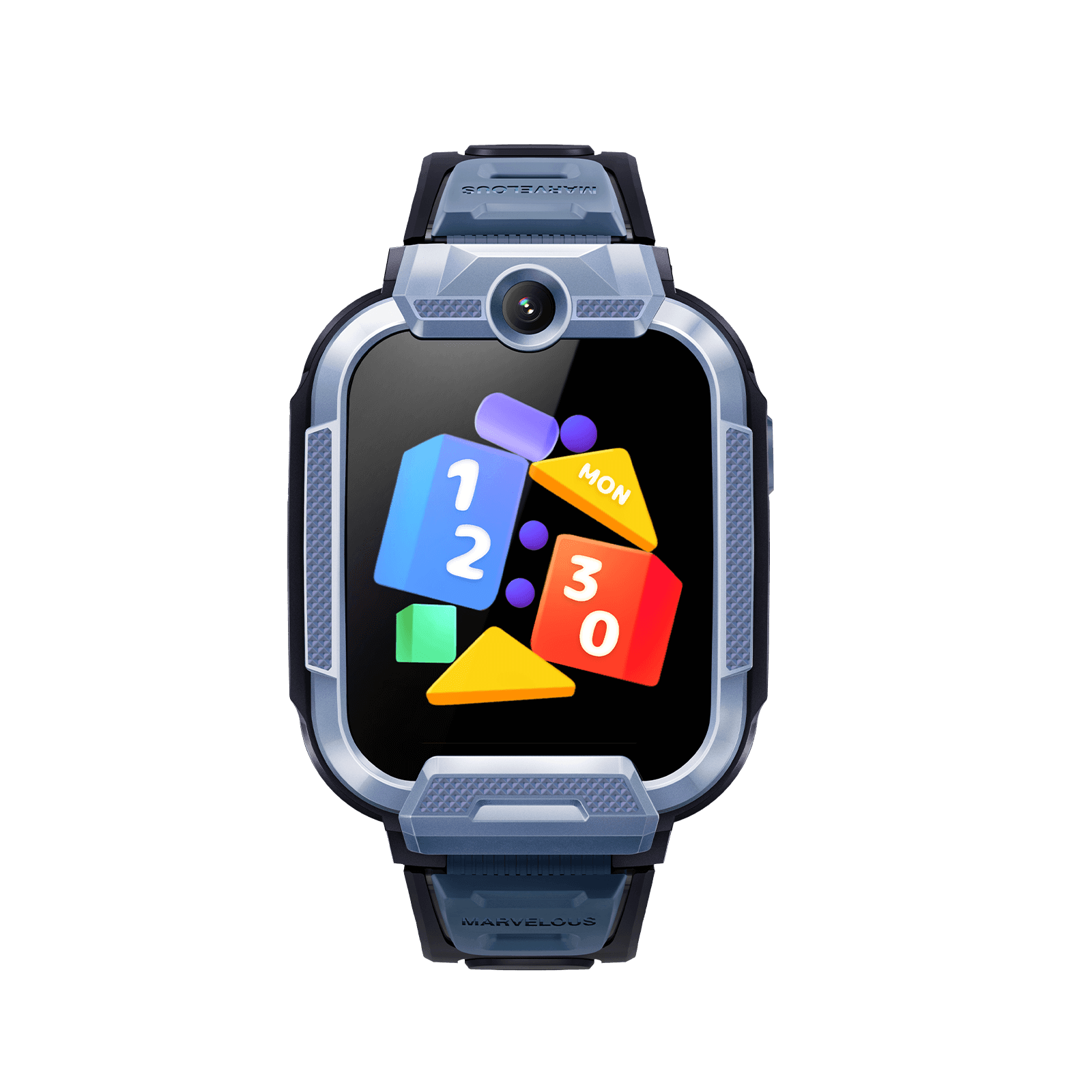
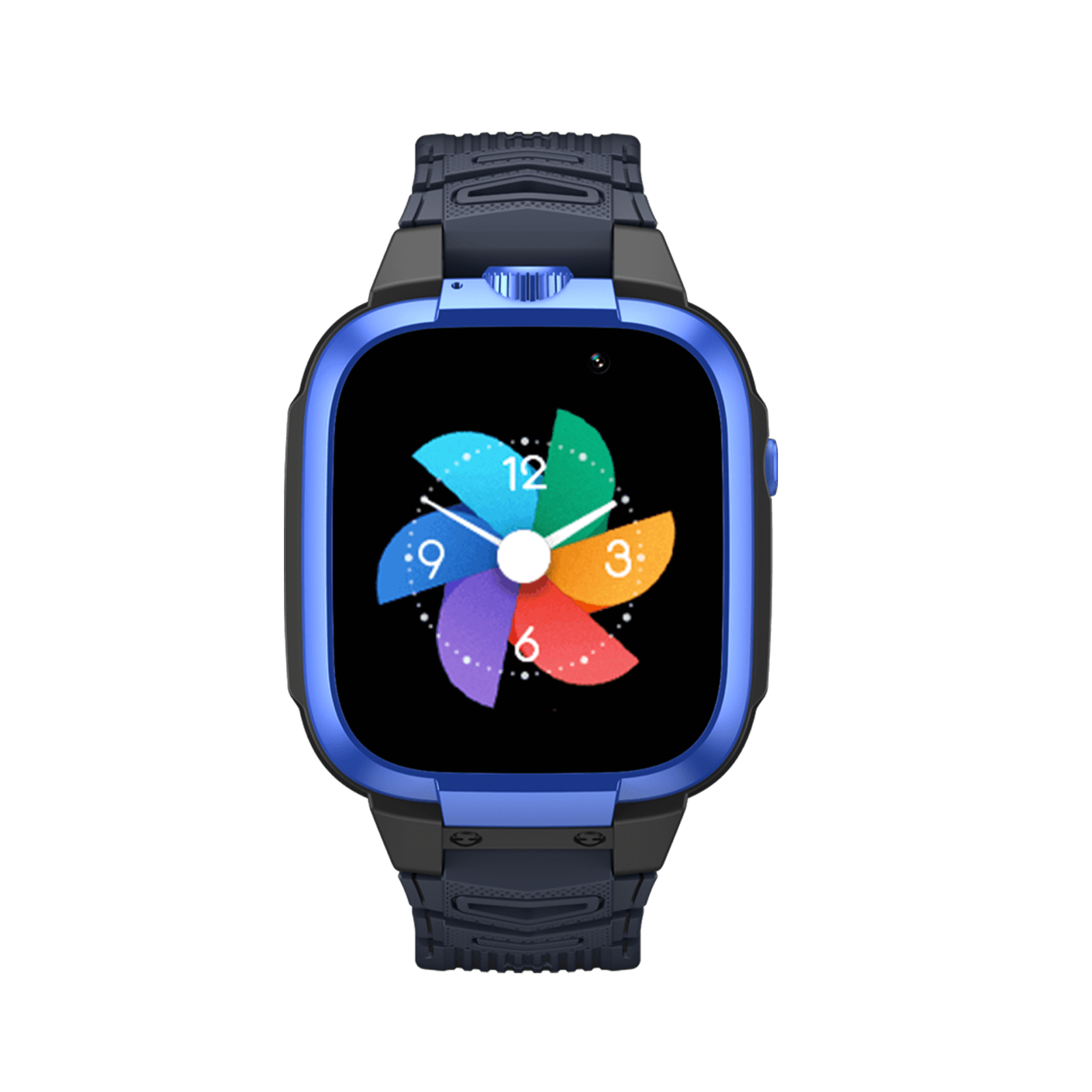

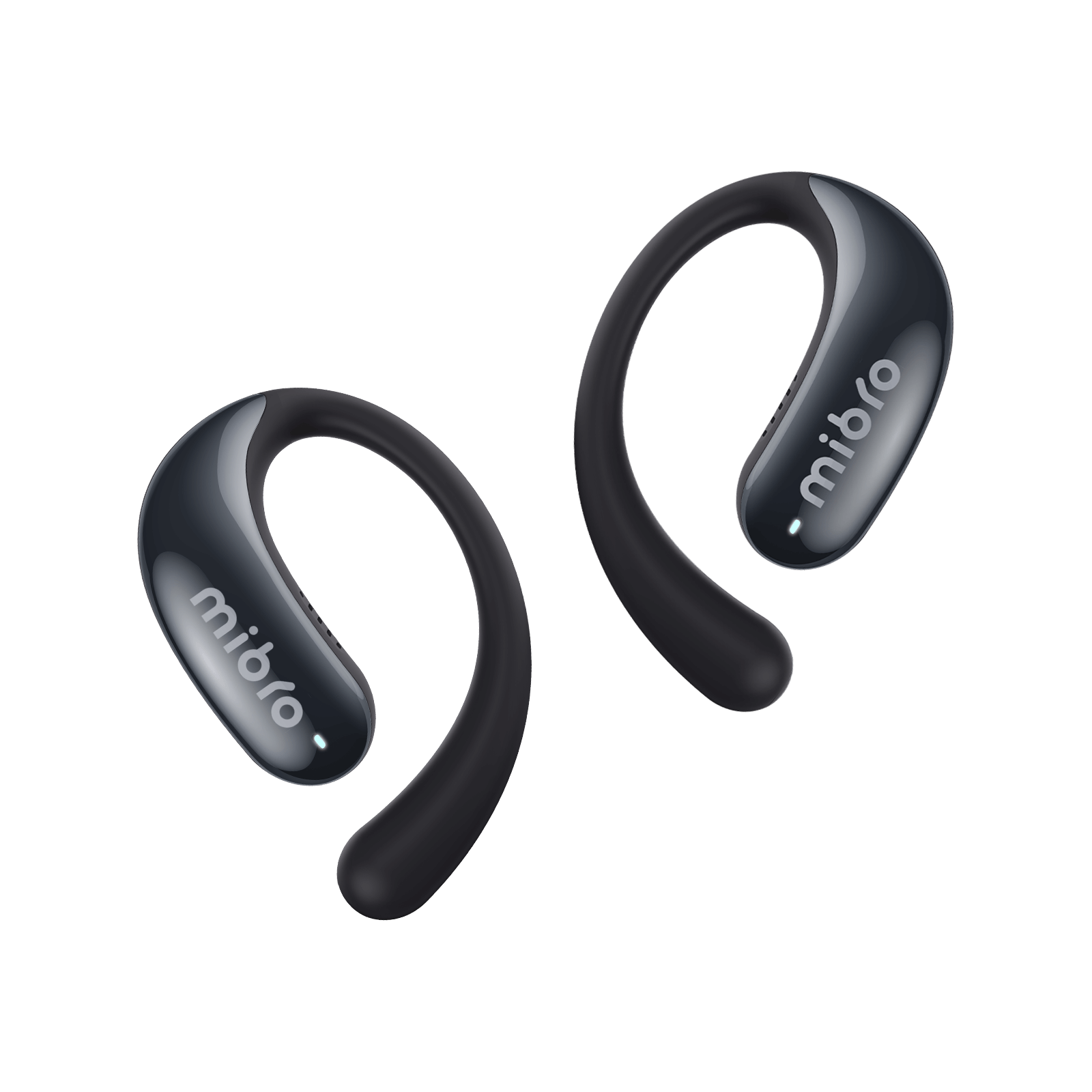



A fitness tracker is a lightweight wearable built to monitor everyday activity, workouts, sleep, heart rate, and other health metrics. A smartwatch can do much of the same, but typically adds features such as notifications, apps, music controls, and calls.
Because their core functions increasingly overlap, choosing fitness trackers vs smartwatches is not always straightforward. The difference between smartwatches and fitness trackers often comes down to how much you want from your wearable beyond tracking your health and activity. One may be better suited to focused fitness tracking, while the other can serve as a more complete everyday companion.
Fitness Trackers vs Smartwatches: Key Differences
Fitness trackers and smartwatches now share many of the same core functions, including activity tracking, heart rate monitoring, sleep tracking, and workout recording. The main difference is their focus. Fitness trackers are generally designed around health and fitness with a simpler, lighter design, while smartwatches combine health and fitness features with a wider range of phone-connected and smart functions.
| Fitness Tracker | Smartwatch | |
|---|---|---|
| Primary Focus | Health and fitness tracking | Health and fitness plus smart features |
| Design | Band or Ring style | Square or round watch-style face |
| Display | Small or no screen | Full-color touchscreen |
| Workout Tracking | Essential workout modes Strong on passive |
Multiple sport modes Workout controls with live metrics |
| Health Monitoring | Health monitoring-focused | Comprehensive on premium models |
| GPS | Connected GPS | Built-in GPS is more common |
| Phone Calls & Messages | Usually limited or unavailable | Some support calls and message replies |
| App Ecosystem | Very limited | Third-party apps accessible on premium models |
| Battery Life | Typically longer | Typically shorter |
| Comfort | Usually lighter and suited to all-day wear | More features but often larger and heavier |
| Price | Generally more affordable | Generally more expensive |
1. Fitness Trackers vs Smartwatches for Workouts
For basic workout tracking, fitness trackers and smartwatches can do much of the same job. Both can record activities such as walking, running, cycling, and swimming, while tracking metrics like heart rate, distance, and workout duration. For example, Fitbit Charge devices can automatically detect some activities and provide real-time workout stats.
The bigger difference is how much detail they provide during training. Smartwatches tend to offer more workout modes and more advanced real-time metrics. Apple Watch, for example, can show running data such as cadence, stride length, ground contact time, elevation, heart rate zones, and running power.
This makes fitness trackers vs smartwatches less about whether they can track a workout and more about how deeply you want to analyze it. A fitness tracker can be enough for everyday exercise and basic progress tracking, while a smartwatch may be more useful for structured training and more detailed performance feedback.

2. Fitness Trackers vs Smartwatches for Health
When comparing fitness trackers vs smartwatches for health tracking, the basics are often similar. Both can monitor heart rate, sleep, and activity, while some advanced fitness trackers also measure HRV, breathing rate, blood oxygen, skin temperature, and stress. Fitbit Charge 6, for example, supports all of these metrics and can also use ECG to check for signs of atrial fibrillation on supported devices and in supported regions.
The difference becomes clearer with more advanced health features. Smartwatches often combine a wider range of sensors and can turn those measurements into additional health insights or alerts. Some premium models use electrical and optical heart sensors plus temperature and motion sensors to track metrics such as heart rate, respiratory rate, wrist temperature, HRV, and sleep. Supported models can also offer ECG and sleep apnea notifications. As one Samsung comparison puts it, both devices can tell you how long you slept, but only a smartwatch analyzes that data to flag potential breathing interruptions or recommend a better bedtime.
3. How They Interact with Your Phone
The most practical interaction difference between a fitness tracker and a smartwatch is how much your phone needs to be nearby. A fitness tracker is designed to work with your phone; a smartwatch is designed to work alongside it and often without it.
Data syncing and phone dependence. Most fitness trackers use Bluetooth-only connectivity. They need a paired phone to sync data, set up features, and often to provide GPS during workouts. A smartwatch typically adds Wi-Fi and, on many models, optional LTE. That means it can upload data to the cloud, receive notifications, and stay connected even when your phone is at home. Some smartwatches can also handle calls and messages independently through a cellular plan.
Notifications: passive viewing vs. active response. Fitness trackers usually show alerts you can only read—you still need to pick up your phone to reply or act. Smartwatches go further. Across major platforms like Wear OS, watchOS, and Garmin, you can reply to messages, take calls, use contactless payments, and run apps directly from your wrist. The phone becomes a companion rather than a requirement.

4. Design and Comfort
A fitness tracker is designed to disappear on your wrist; a smartwatch is designed to be seen and used.
Size and weight
Fitness trackers are typically lightweight bands or even ring-shaped. Many current models weigh under 30 grams, with some screenless designs coming in around 12 grams or less. Smartwatches, by contrast, have larger square or round faces and generally weigh between 30 and 60+ grams, depending on the case size and materials. For people with smaller wrists, a bulky smartwatch can feel heavy or awkward.
Screen: the defining design choice
Fitness trackers often use small, minimalist screens or none at all. Screenless models focus on passive tracking, with data reviewed later in a companion app. Smartwatches, on the other hand, typically feature larger touchscreens for viewing notifications, apps, and workout metrics in real time. This makes them more interactive and convenient, but also potentially more distracting.
Comfort for 24/7 wear
Because both device types are often worn around the clock for sleep and recovery tracking, comfort is a practical concern, not just a style preference. Fitness trackers generally excel here. Their lightweight, low profile, and soft materials, typically silicone or fabric bands, make them easy to forget you're wearing. Smartwatches can also be comfortable, especially with sport bands and well-fitted cases
Style and materials
Fitness trackers typically favor a sporty look. Screenless or small-screen designs use lightweight materials such as recycled polycarbonate, TPU, and silicone, often paired with fabric or nylon bands. They prioritize comfort 24/7 wear.
Smartwatches have a more noticeable, watch-like design, with cases made from aluminum, stainless steel, or titanium and displays often protected by sapphire crystal. Bands range from fluoroelastomer and leather to metal and fabric, making them suitable for workouts, everyday wear, and formal occasions.

5. Battery Life
Battery life is one area where fitness trackers vs smartwatches often show a clear difference. Fitness trackers generally use less power because they have simpler interfaces, smaller or no displays, and fewer power-hungry smart features. As a result, many can run for several days to more than a week on a single charge, making it easier to wear them continuously for sleep and daily activity tracking.
Fitness trackers and smartwatches can both lose battery faster when features such as GPS, an always-on display, and continuous sensor monitoring are heavily used. Smartwatches typically consume more power because they support larger displays, apps, notifications, and other connected functions. However, battery life varies widely across models, and some fitness-focused smartwatches can also last a week or longer.
6. GPS and Location Tracking
When comparing fitness trackers vs smartwatches, GPS is also one area where they can differ. The key question is whether the device can track your route on its own or needs your phone nearby.
Connected GPS vs. built-in GPS. Many fitness trackers rely on connected GPS: they use your paired phone's GPS to log routes, so you need to carry your phone during outdoor workouts. Some fitness trackers do include built-in GPS, but it's not universal. On the smartwatch side, built-in GPS is common but not guaranteed. Many entry-level and mid-range smartwatches also depend on connected GPS, while higher-end models typically offer standalone tracking. In short, both types vary widely.
If you usually carry your phone while running or cycling, a connected-GPS device, whether a fitness tracker or a smartwatch, can work fine. If you want to leave your phone behind and still get accurate route data, look for built-in GPS, which is more likely to appear on higher-priced models in both categories.
7. Price and Long-Term Value
Fitness trackers are generally the more affordable option. Basic models start under $50, while advanced trackers usually top out around $250. Smartwatches start higher—many quality models begin around $200, and premium versions can exceed $800. At the same budget, a fitness tracker often gives you more focused workout and health tracking.
Long-term cost depends heavily on subscriptions. Some fitness tracker brands place advanced sleep analysis, recovery scores, and training insights behind a monthly or annual membership. To judge real value, add the device price plus three years of any required subscription. A cheaper fitness tracker with a mandatory membership can end up costing more than a smartwatch with free core features.
Fitness Trackers vs Smartwatches: Which One to Choose
The right choice depends on your daily habits, not on which device is "better" overall. The table below maps common scenarios to the device that fits best.
| Your Scenario | Better Fit |
|---|---|
| You track steps, sleep, and HR without checking a screen constantly | Fitness Tracker |
| You want to wear one device 24/7 comfortably | Fitness Tracker |
| You want the longest possible battery life | Fitness Tracker |
| You train seriously and want real-time metrics with recovery guidance | Smartwatch |
| You want to read and reply to messages, take calls, or pay from your wrist | Smartwatch |
| You need advanced health screening like ECG or apnea detection | Smartwatch |
| You want a low cost for a long-term period | Smartwatch |
| You want to leave your phone at home during runs or rides | Smartwatch (with built-in GPS) or Tracker (with built-in GPS) |
Final Verdict
Fitness trackers win on comfort, battery life, focus, and cost. Smartwatches win on connectivity, training depth, health screening, and style range. If your priority is a quiet device that tracks health and stays out of the way, choose a fitness tracker. If you want your wrist to do more — calls, apps, payments, and advanced coaching — choose a smartwatch. For most people comparing fitness trackers and smartwatches, the deciding factor is whether you want your wearable to observe or to interact.
FAQs About Fitness Trackers vs Smartwatches
Is a fitness tracker the same as a smartwatch?
Not exactly. Fitness trackers and smartwatches share many of the same core technologies, such as sensors for tracking steps, heart rate, sleep, and workouts. The main difference is their focus. Fitness trackers are primarily designed for health and activity tracking, while smartwatches combine these features with broader functions such as notifications, calls, apps, and music controls. Some modern fitness trackers also offer smartwatch features, making the line between the two increasingly blurred.
Can a fitness tracker make calls?
Yes, some fitness trackers can make calls, but it depends on the model. Trackers with built-in microphones, speakers, and calling support can let you answer or make calls when connected to a smartphone, while more basic models only display call notifications. If calling is important, check whether the tracker supports Bluetooth calling or cellular connectivity.
Are fitness trackers more accurate than smartwatches?
Not necessarily. Both fitness trackers and smartwatches use similar sensors to measure metrics such as steps, heart rate, and sleep, so accuracy depends more on the device, sensors, algorithms, and how it is worn than on the device type. Fitness trackers may focus more heavily on health and activity tracking, but a smartwatch can be equally accurate or more accurate for certain metrics.

