 Skip to content








Fitness bands are designed for simple and effective health tracking. Lightweight and comfortable for all-day wear, they monitor essential metrics like steps, heart rate, sleep quality, and calorie burn while offering long battery life that lasts for days or even weeks. Unlike bulkier smartwatches, fitness bands focus on the features that matter most, providing clear health insights without unnecessary distractions. If you're searching for the best fitness band, you need a device that fits naturally into your daily routine — simple, effective, and built to support your everyday wellness goals. Let's explore the top options.
You May Also Like:
Takeaway:
- Best Activity Tracking Band: Fitbit Charge 6
- Most Affordable Fitness Band: Huawei Band 10
- Best Fitness Band without Screen: Whoop 5.0
- Best Fitness Band without Subscription: Amazfit Helio Strap
Quick Comparison: Best Fitness Bands at a Glance
The comparison table below breaks down the key differences between these best fitness bands, making it easier to find the right one for your needs.
| Fitness Band | Fitness Tracking | Health Tracking | Battery Life | Water Resistance | Screen | Premium | Work With | Price |
|---|---|---|---|---|---|---|---|---|
| Fitbit Charge 6 | 40+ Modes Built-in GPS Readiness Score |
HR, ECG, SpO₂ EDA Scan Skin Temp |
7 days | 5 ATM | ✔ | Optional | iOS Android |
~$160 |
| WHOOP 5.0 | Auto Detection AI Coaching Recovery Insights |
HR, HRV, SpO₂ Strain Score Sleep Coach |
14 days | IP68 | ✖ | ✔ | iOS Android |
From $199/year |
| Huawei Band 10 | 100+ Modes Swim Tracking Auto Detection |
HR, HRV, SpO₂ Sleep Stress |
~14 days | 5 ATM | ✔ | Optional | iOS Android |
~$60 |
| Garmin vívosmart 5 | 10 Sports Apps Auto Start Fitness Age |
HR, HRV, SpO₂ Body Battery Female Health |
~7 days | 5 ATM | ✔ | ✖ | iOS Android |
~$150 |
| Xiaomi Smart Band 10 | 150+ Modes Swimming Mode |
HR, SpO₂ Sleep Female Health |
~21 days | 5 ATM | ✔ | ✖ | iOS Android |
Under $100 |
| Samsung Galaxy Fit 3 | 100+ Modes Auto Detection |
HR, SpO₂ Sleep Stress |
~13 days | 5 ATM | ✔ | ✖ | Android | ~$60 |
| Amazfit Helio Strap | HYROX Mode Auto Detection |
HR, HRV, SpO₂ Sleep Bio Energy |
7 to 10 days | 5 ATM | ✖ | ✖ | iOS Android |
~$100 |
1. Fitbit Charge 6
| Rating | 4.7/5 |
| Fitness Tracking | ★★★★★ |
| Health Tracking | ★★★★★ |
| Battery Life | ★★★★★ |
| Comfort | ★★★★★ |
| Waterproof | ★★★★★ |
| Subscription | ★★★★★ |
The Fitbit Charge 6 stands as the premier activity tracker fitness band, offering an unmatched blend of fitness and health tools. The heart rate sensor, powered by improved machine learning algorithms, tracks with noticeable precision, whether during a run, a HIIT session, or just going about the day. Built-in GPS maps routes and paces without needing a phone along, and over 40 exercise modes cover everything from swimming to strength training.
Beyond fitness, it keeps an eye on overnight SpO2, skin temperature variation, and even offers an ECG app for heart rhythm assessment. The Daily Readiness Score helps gauge when to push and when to recover. Seamlessly compatible with iPhone and Android, with Google Wallet, Maps, and YouTube Music controls built in, it's the best fitness band for anyone who wants serious health insights without the bulk.
Pros:
- Offers over 40 workout modes
- Tracks active zone minutes effectively
- Delivers accurate heart rate tracking
- Tracks sleep, stress, and more
- Works across iPhone & Android
- Supports Maps and contactless payments
Cons:
- GPS connection can be slow
- Advanced insights require a subscription
2. WHOOP 5.0
| Rating | 4.4/5 |
| Fitness Tracking | ★★★★★ |
| Health Tracking | ★★★★★ |
| Battery Life | ★★★★★ |
| Comfort | ★★★★★ |
| Waterproof | ★★★★★ |
| Subscription | ★★★★★ |
The WHOOP 5.0 redefines what a fitness band without a screen can offer. It's 7% smaller than its predecessor and weighs just 26.5 grams, so light and low-profile that it barely registers during sleep, work, or intense training. The redesigned band system improves fit and sensor contact for reliable 24/7 wear. On the activity front, it automatically detects workouts and tracks steps, cardiovascular and musculoskeletal strain, VO₂ Max estimates, and heart rate zones — all through an upgraded PPG sensor and a more accurate accelerometer. Battery life stretches 14+ days per charge. For anyone who values pure data over screen distractions, this is the best fitness band that stays completely out of the way.
Pros:
- Tracks sets, reps, and weights
- Tracks daily strain and recovery needs
- Automatically detects and logs workouts
- Screenless design minimizes distractions
- Detailed biometric data with frequent sampling
Cons:
- Requires an annual subscription

3. Huawei Band 10
| Rating | 4.6/5 |
| Fitness Tracking | ★★★★★ |
| Health Tracking | ★★★★★ |
| Battery Life | ★★★★★ |
| Comfort | ★★★★★ |
| Waterproof | ★★★★★ |
| Subscription | ★★★★★ |
At around $60, the Huawei Band 10 is one of the best budget fitness bands, without cutting the essentials. Weighing just 15 grams and measuring a slim 8.99mm, it virtually disappears during sleep and training. The 1.47-inch AMOLED display stays bright and legible even in direct sunlight, while battery life lasts an impressive 14 days under typical use.
Fitness tracking is where it shines: 100 workout modes cover everything from running and cycling to swimming and yoga, with automatic detection for common activities and accurate heart rate zones throughout. SpO2 tracking, stress monitoring, and female health features also round out the package. For anyone seeking a reliable, low-cost fitness band, this delivers remarkable value.
Pros:
- Automatically detects walking and running activities
- Detailed swimming performance analytics
- Supports 5 ATM water resistance
- Syncs workout data directly with Strava
- Provides advanced sleep and health tracking
Cons:
- Lacks built-in GPS for outdoor tracking
- Optional features are subscription-based

4. Garmin vívosmart 5
| Rating | 4.6/5 |
| Fitness Tracking | ★★★★★ |
| Health Tracking | ★★★★★ |
| Battery Life | ★★★★★ |
| Comfort | ★★★★★ |
| Waterproof | ★★★★★ |
| Subscription | ★★★★★ |
The Garmin vivosmart 5 proves that a health and fitness band can serve both pursuits without compromise. Garmin's Elevate heart rate sensor samples continuously — multiple times per second, day and night — making it a genuinely reliable heart rate fitness band for spotting unusual spikes or drops at rest. Body Battery energy monitoring pairs with advanced sleep scoring, Pulse Ox, and all-day stress tracking to paint a complete recovery picture, while 15 built-in sports modes cover walking, pool swimming, cycling, yoga, and strength training. The rounded band is lightweight and comfortable enough for round-the-clock wear, and battery life lasts up to 7 days. For anyone wanting health insights and workout tracking in one streamlined package, this is it.
Pros:
- Features swappable bands
- Automatically counts reps when strength training
- Calculates VO2 Max and Fitness Age
- Monitors daily energy with Body Battery
- Tracks menstrual cycle and pregnancy
- Logs hydration and resting heart rate
Cons:
- Lacks built-in GPS for outdoor tracking
- Offers limited smartphone notifications

5. Xiaomi Smart Band 10
| Rating | 4.7/5 |
| Fitness Tracking | ★★★★★ |
| Health Tracking | ★★★★★ |
| Battery Life | ★★★★★ |
| Comfort | ★★★★★ |
| Waterproof | ★★★★★ |
| Subscription | ★★★★★ |
The Xiaomi Smart Band 10 keeps going for up to 21 days on a single charge. One full charge easily covers three weeks of daily workouts, nightly sleep tracking, and constant wear, a rarity that makes it the best fitness band for anyone tired of weekly charging rituals.
Beyond this, its upgraded nine-axis sensor improves motion accuracy, and more than 150 sport modes cover activities such as running, cycling, and swimming. The new swimming mode makes it a water-resistant fitness band that tracks real-time heart rate and recognizes stroke posture underwater. Vitality score and women's health features round things out as well. For a fitness band with long battery life that doesn't skimp on wellness insights, Xiaomi Smart Band 10 is the clear pick.
Pros:
- Delivers excellent outdoor display visibility
- Includes built-in GNSS for route tracking
- Advanced running metrics with Pebble Mode
- Automatically detects six workout types
- Recognizes swim strokes with AI
- Tracks HR, VO₂ max, training load, and recovery
Cons:
- Does not support message replies
- Companion app can feel cluttered

6. Samsung Galaxy Fit 3
| Rating | 4.5/5 |
| Fitness Tracking | ★★★★★ |
| Health Tracking | ★★★★★ |
| Battery Life | ★★★★★ |
| Comfort | ★★★★★ |
| Waterproof | ★★★★★ |
| Subscription | ★★★★★ |
The Samsung Galaxy Fit 3 excels as a water-resistant fitness band built for real-world durability. With 5ATM and IP68 ratings, it handles rain, dust, sweat, and surface swimming without hesitation — no need to take it off when jumping into the pool. The aluminum body weighs just 18.5g and stays comfortable during laps and long training sessions.
Fitness tracking covers over 100 exercises, with automatic recognition for running, rowing, and pool swimming, capturing SWOLF, stroke type, and heart rate underwater. Continuous heart rate and sleep monitoring round out a solid health package. For anyone wanting a durable, capable fitness band that handles water as easily as workouts, this is a standout choice.
Pros:
- Tracks over 100 workout modes
- Features a bright 1.6-inch AMOLED display
- Supports swimming with 5ATM water resistance
- Provides quick workout shortcuts
- Supports sleep and safety monitoring
Cons:
- Lacks built-in GPS
- Works only with Android devices

7. Amazfit Helio Strap
| Rating | 4.5/5 |
| Fitness Tracking | ★★★★★ |
| Health Tracking | ★★★★★ |
| Battery Life | ★★★★★ |
| Comfort | ★★★★★ |
| Waterproof | ★★★★★ |
| Subscription | ★★★★★ |
The Amazfit Helio Strap is the best fitness band option for anyone who prefers a one-time purchase over ongoing fees. Its full feature set arrives unlocked — no subscription required, no metrics held back. The free Zepp App delivers 24/7 heart rate, HRV, SpO2, sleep staging, and stress tracking, while BioCharge monitoring adds daily readiness and recovery insights.
Workout coverage spans 50+ modes, including strength training with rep detection, HYROX Race mode, and live heart-rate broadcast. At just 20g and 5ATM water-resistant, it stays comfortable through sleep, sweat, and rain. For a fitness band without a subscription that fully covers fitness and health, this is a compelling choice.
Pros:
- A comfortable and distraction-free design
- Multi-point sensing for accurate tracking
- Supports strength, HIIT, and HYROX
- Tracks energy, stress, and sleep recovery
- Supports wrist, arm, and waist wearing
Cons:
- Lacks built-in GPS
- Workout detection can be inconsistent
Screen vs No Screen: Which Fitness Band Is Better?
Screen and screenless fitness bands offer the same basic purpose: tracking your health and activity throughout the day. Both can monitor metrics such as heart rate, sleep, steps, and workouts. The biggest difference is how you access and interact with your data.
Fitness bands with screens are built for quick, on-wrist access. A glance at the display can show your heart rate, steps, calories, workout stats, or notifications without pulling out your phone. Most models use bright AMOLED displays and touch controls, which can be especially useful when checking live metrics during a run, walk, or gym session. The downside is that screens can add some weight, create more distractions, and increase power consumption.

Screenless fitness bands take a different approach. Without a display, they focus on lightweight comfort, longer battery life, and less distraction. They can be particularly comfortable for overnight wear and workouts where you do not need constant feedback. However, you generally need a smartphone to view detailed data, change settings, or review workout results. Real-time information is also more limited.
So, which type should you choose? A screen model makes more sense if you want quick access to workout data, notifications, and daily stats. A screenless model is better if you prioritize comfort, battery life, and distraction-free tracking. Ultimately, the best fitness band depends on how you prefer to use your tracker.
What to Consider When Buying the Best Fitness Band
Choosing the best fitness band comes down to more than the number of features on the spec sheet. Think about how you plan to use it and which features you will actually rely on.
Health and Fitness Tracking
Start with the metrics that matter most to you. A good health and fitness band should cover essentials such as heart rate, sleep, steps, and workouts. If you train regularly, look for additional features such as heart rate zones, recovery insights, workout modes, or GPS support. More metrics are not always better if you rarely use them.
Screen or No Screen
A screen makes it easier to check workout stats, steps, or notifications at a glance. However, a fitness band without a screen could be better if you prefer a lighter wearable and mainly review your data through a phone app. Community discussions often highlight comfort and uninterrupted sleep tracking as key reasons for choosing screenless designs.
Battery Life and Comfort
Since fitness bands are designed for continuous tracking, battery life directly affects the amount of data you collect. A band that lasts a week or longer can reduce charging interruptions, particularly when tracking sleep.
Comfort matters just as much. A slim, lightweight design is easier to wear overnight and during everyday activities. For 24/7 tracking, a comfortable band that you actually keep wearing may be more useful than one packed with features you rarely use.
Water Resistance
If you swim or exercise outdoors, check the actual water-resistance rating and whether water sports are supported. Don't rely on the word "waterproof" alone. For most users, sweat and splash resistance is sufficient, while swimmers should look for a band designed specifically for pool use.
Subscription and Long-Term Cost
A low-cost fitness band should be evaluated by its total cost, not just its purchase price. Some trackers require a recurring subscription to unlock their main insights, while others provide core health and fitness features without one. If you want straightforward tracking without ongoing fees, check what is included before buying.
iPhone or Android Compatibility
Finally, check smartphone compatibility. A fitness band compatible with both iPhone and Android offers more flexibility, but some features may vary between platforms. Check the manufacturer's app requirements and supported features before making a decision.
Final Verdict
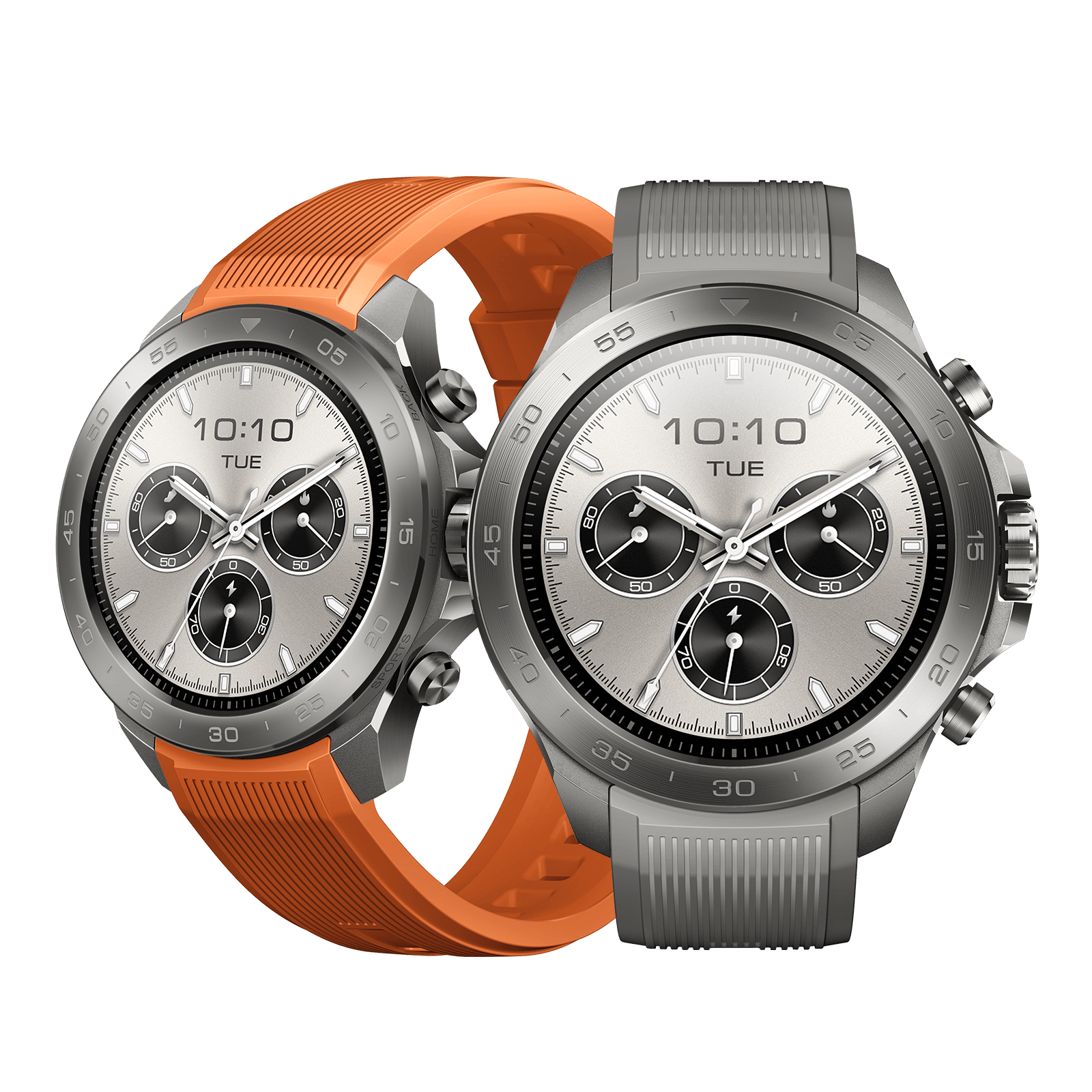
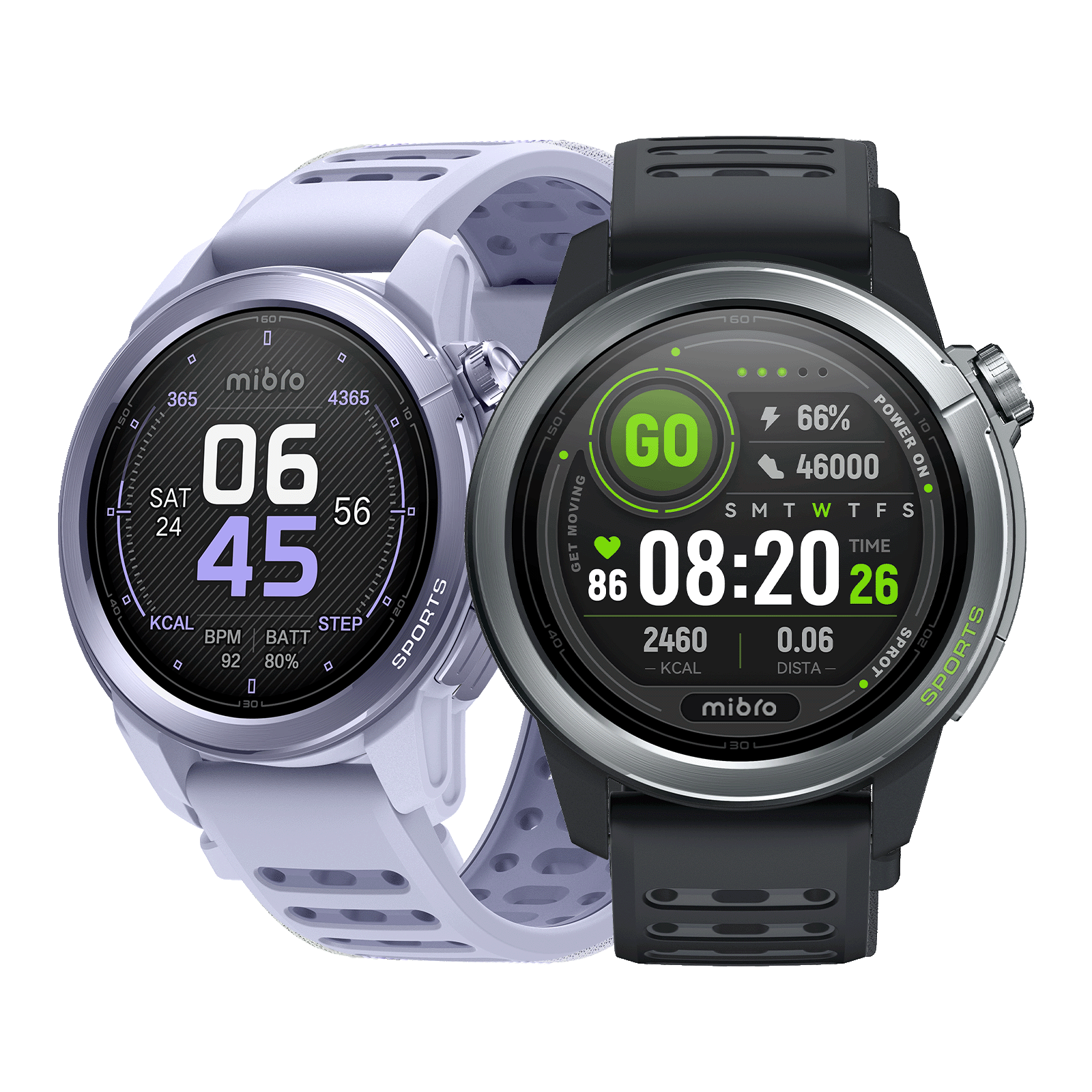
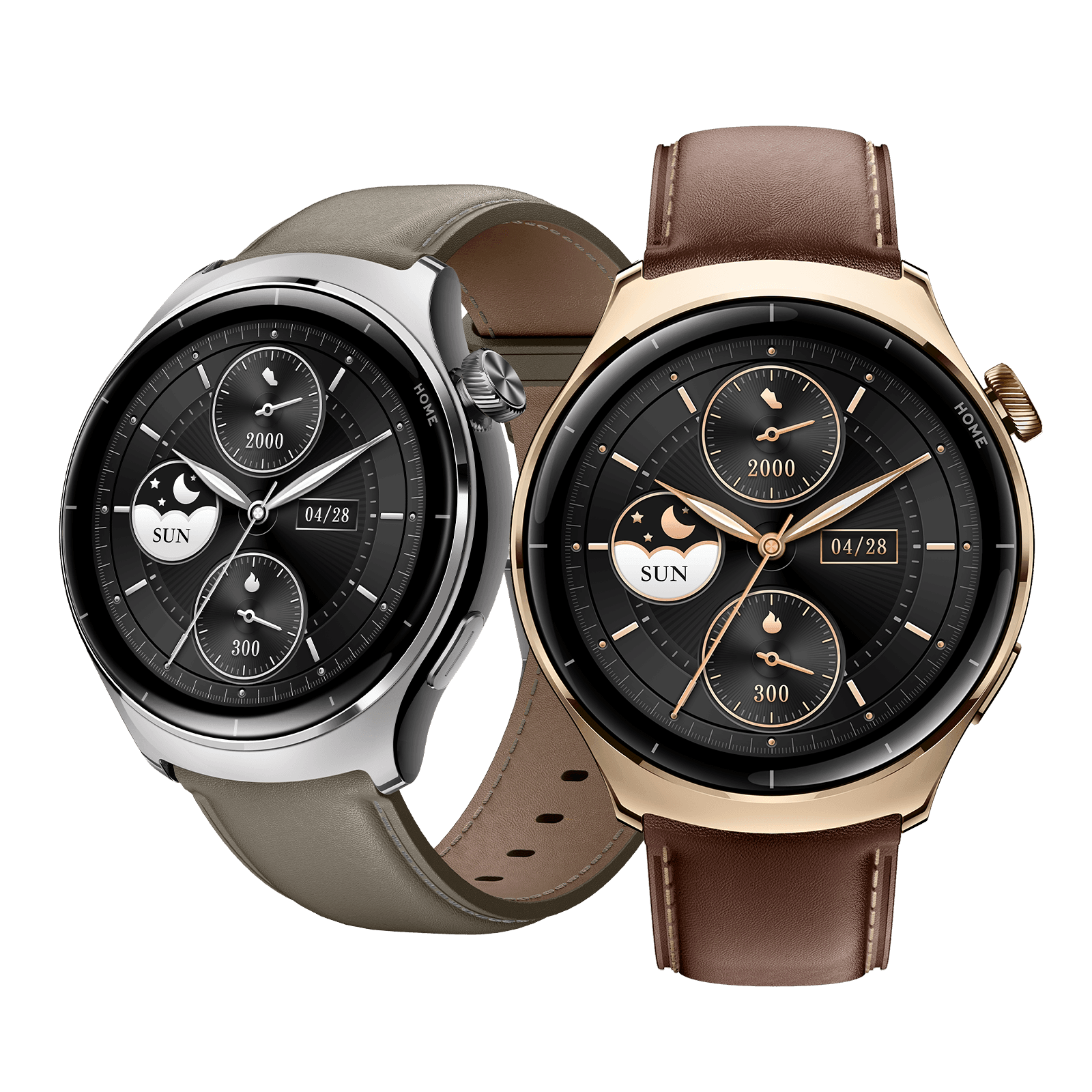
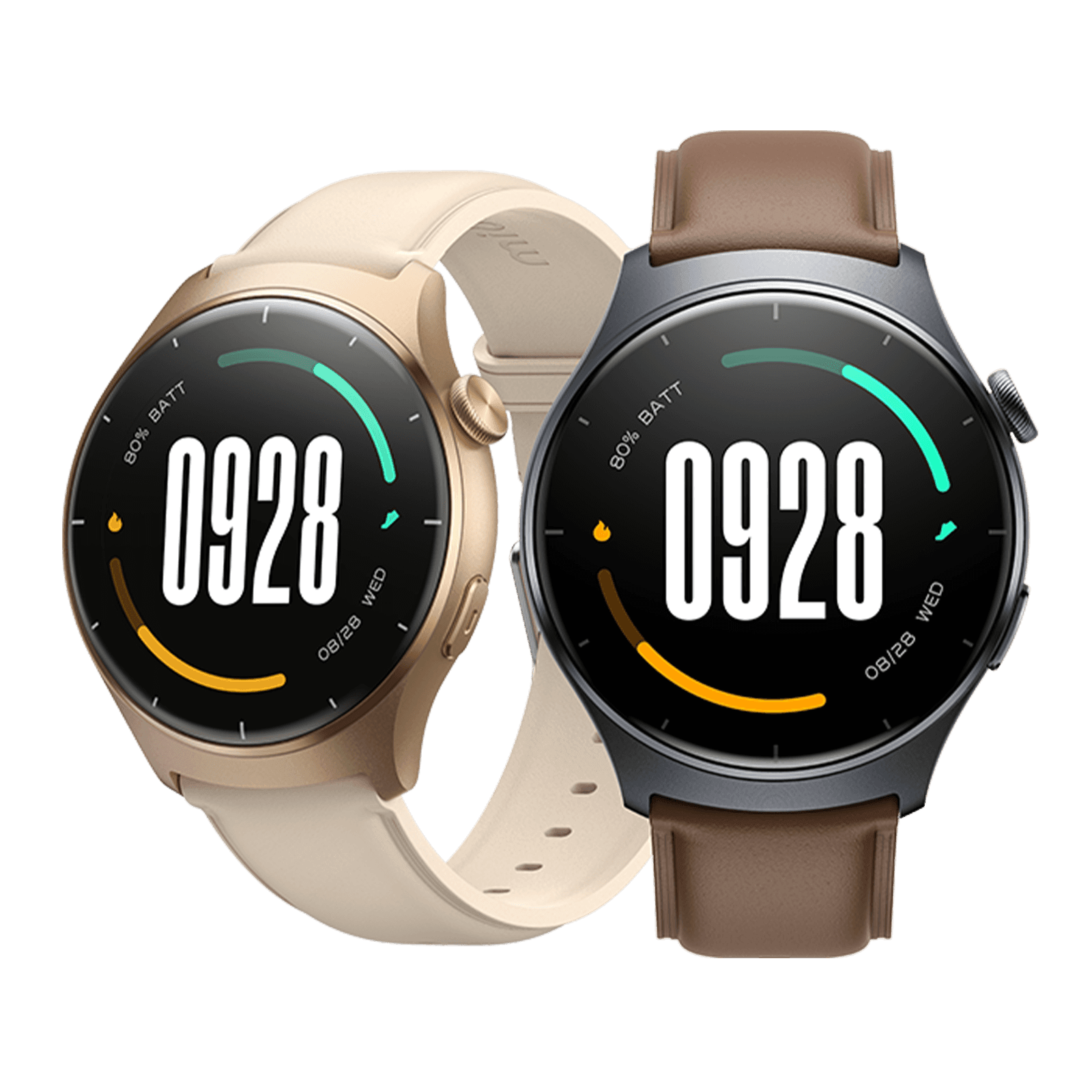
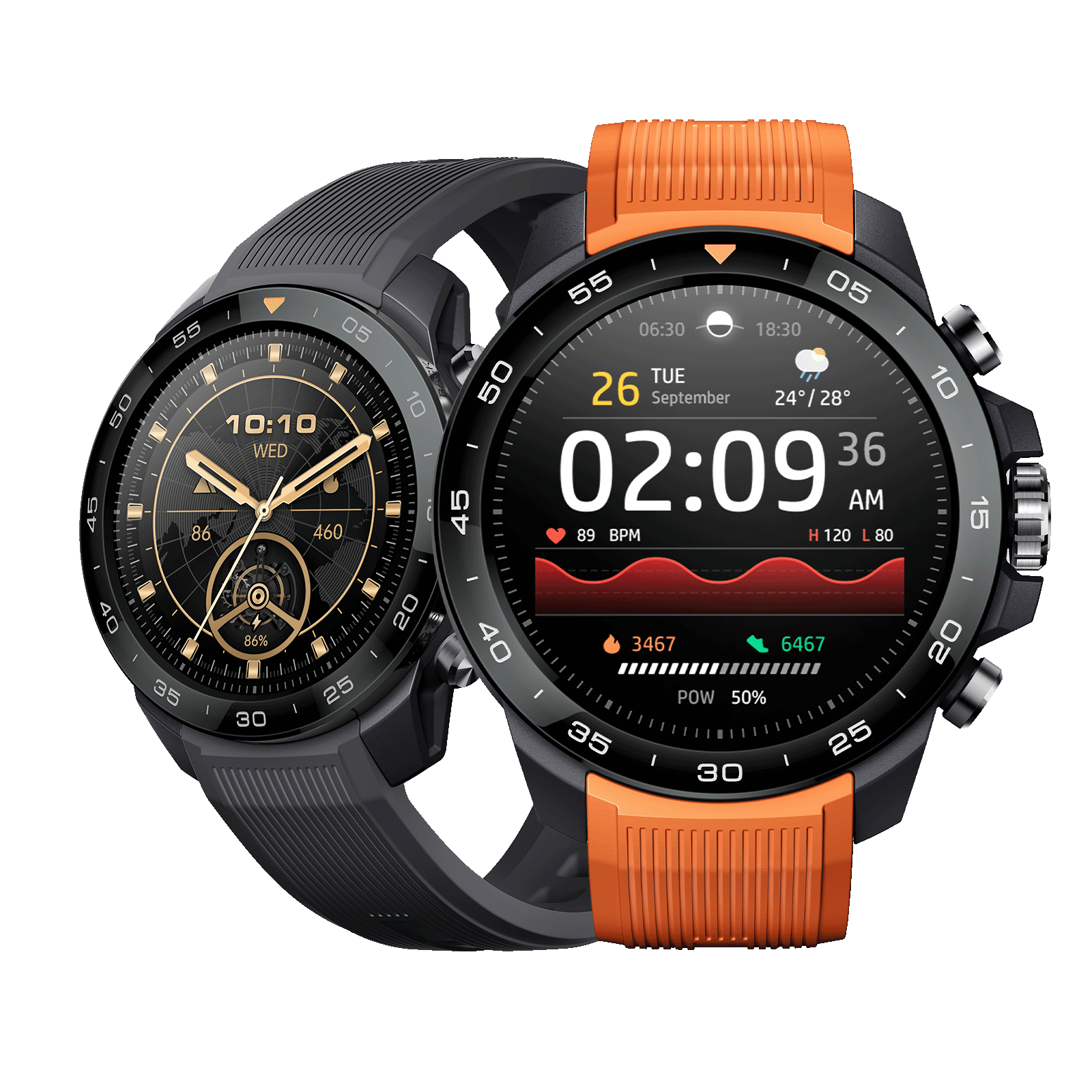
The best fitness band comes down to matching features to your actual routine. A health and fitness band should track what you care about without forcing you into tools you'll never use. If your needs eventually outgrow a band, a smartwatch like Mibro is a reasonable alternative to keep in mind, but only upgrade when your habits genuinely call for it. Avoid hype and overkill. Buy for your life, not a spec sheet.
FAQs About the Best Fitness Band
Do fitness bands really work?
Yes, fitness bands really work by using built-in sensors to collect data about your movement and body. For example, accelerometers track steps and activity, while optical sensors use light to estimate heart rate. The band then processes this data to provide insights such as workout activity, calories burned, and sleep patterns. While fitness bands are useful for tracking trends and staying active, their readings are estimates and can vary depending on the device and how you wear it.
What are the leading fitness band brands?
Leading fitness band brands include Fitbit, Xiaomi, Garmin, Samsung, and Huawei. Each offers different strengths, from everyday health and activity tracking to advanced workout features and long battery life. The best brand for you depends on your fitness goals, preferred features, smartphone compatibility, and budget.
Should I choose a fitness band or smartwatch?
Choose a fitness band if you mainly want lightweight activity, health, and workout tracking with longer battery life. A smartwatch is a better choice if you want a larger screen, notifications, apps, calls, GPS, and more advanced features. For simple fitness tracking, a band is often the more practical and affordable option.
