 Skip to content


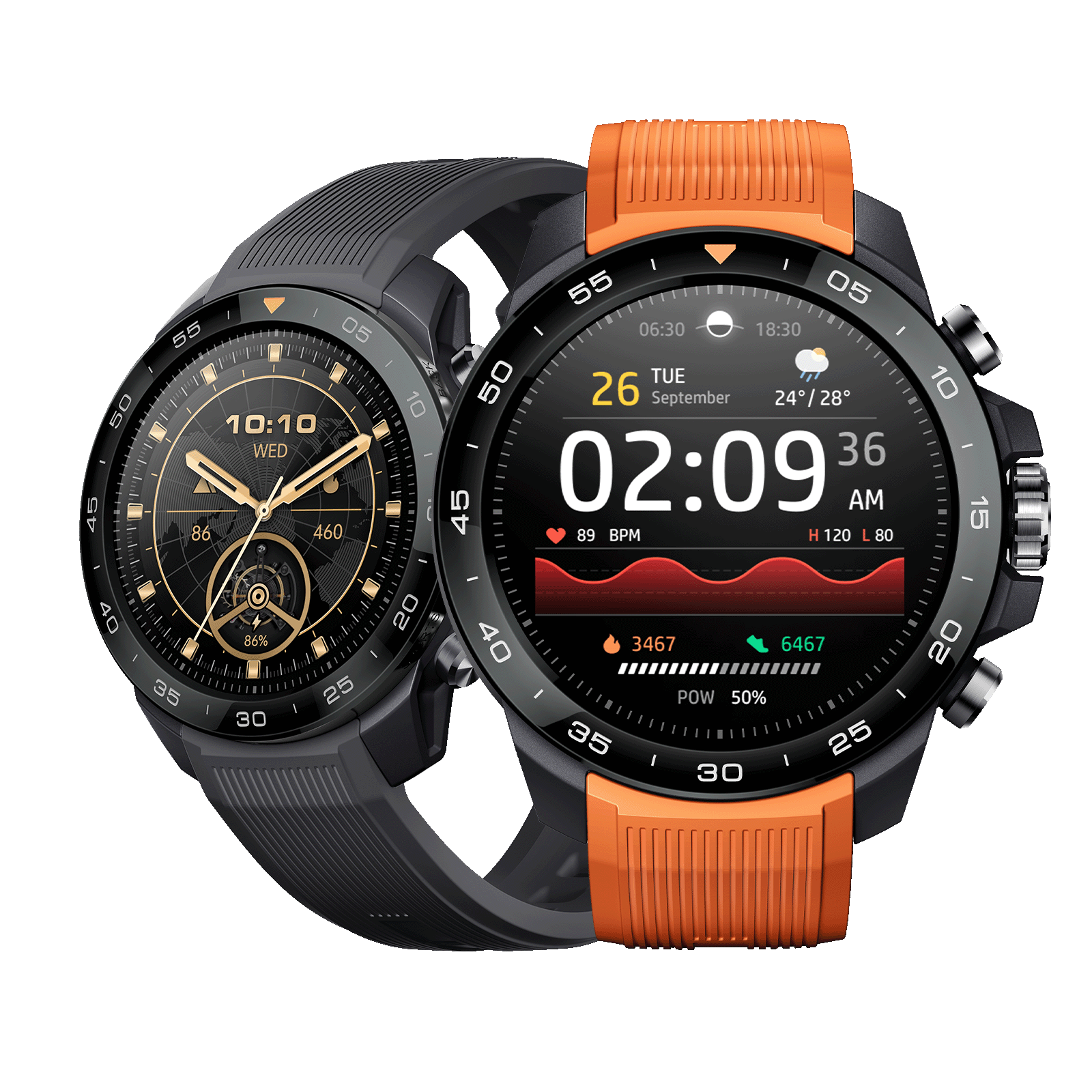
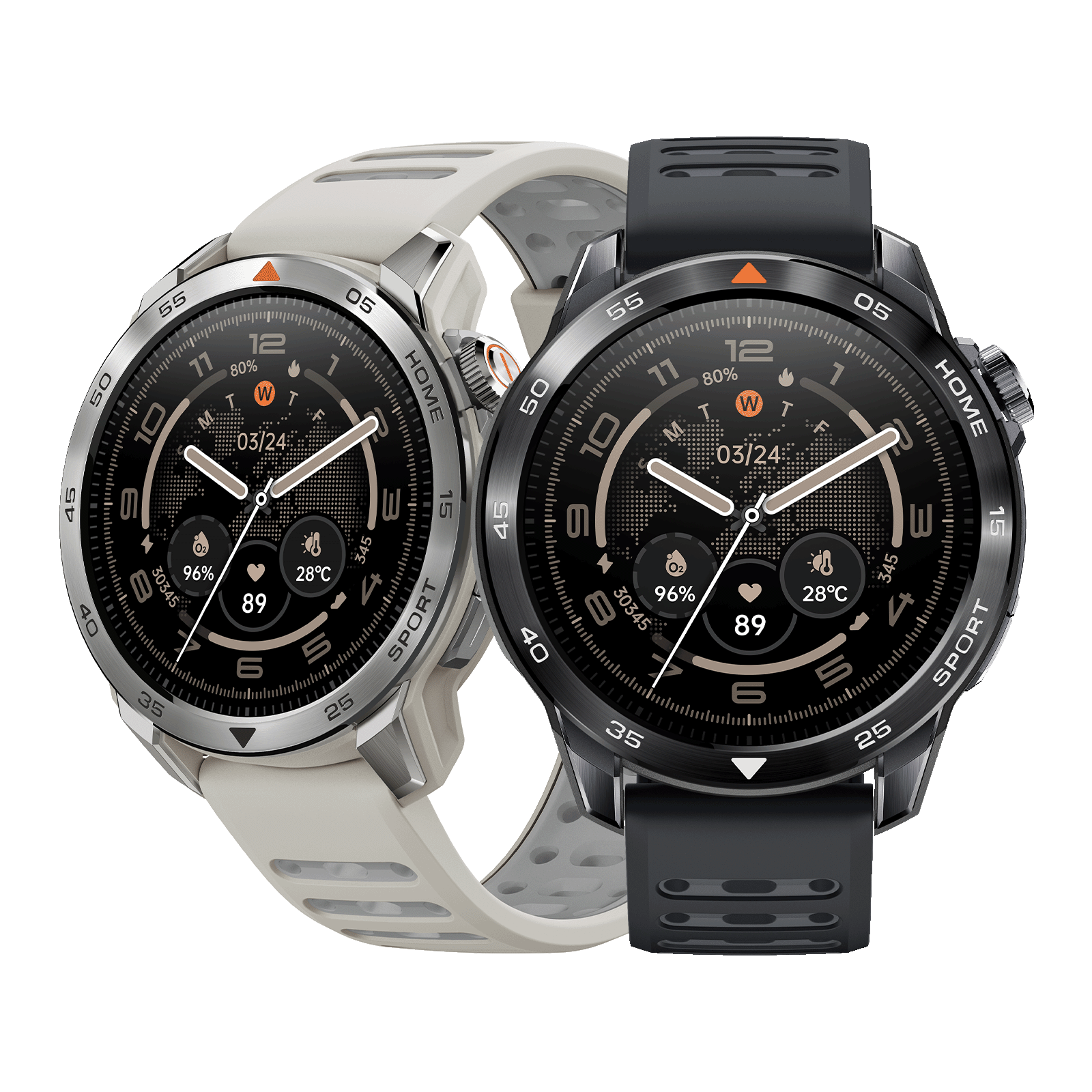
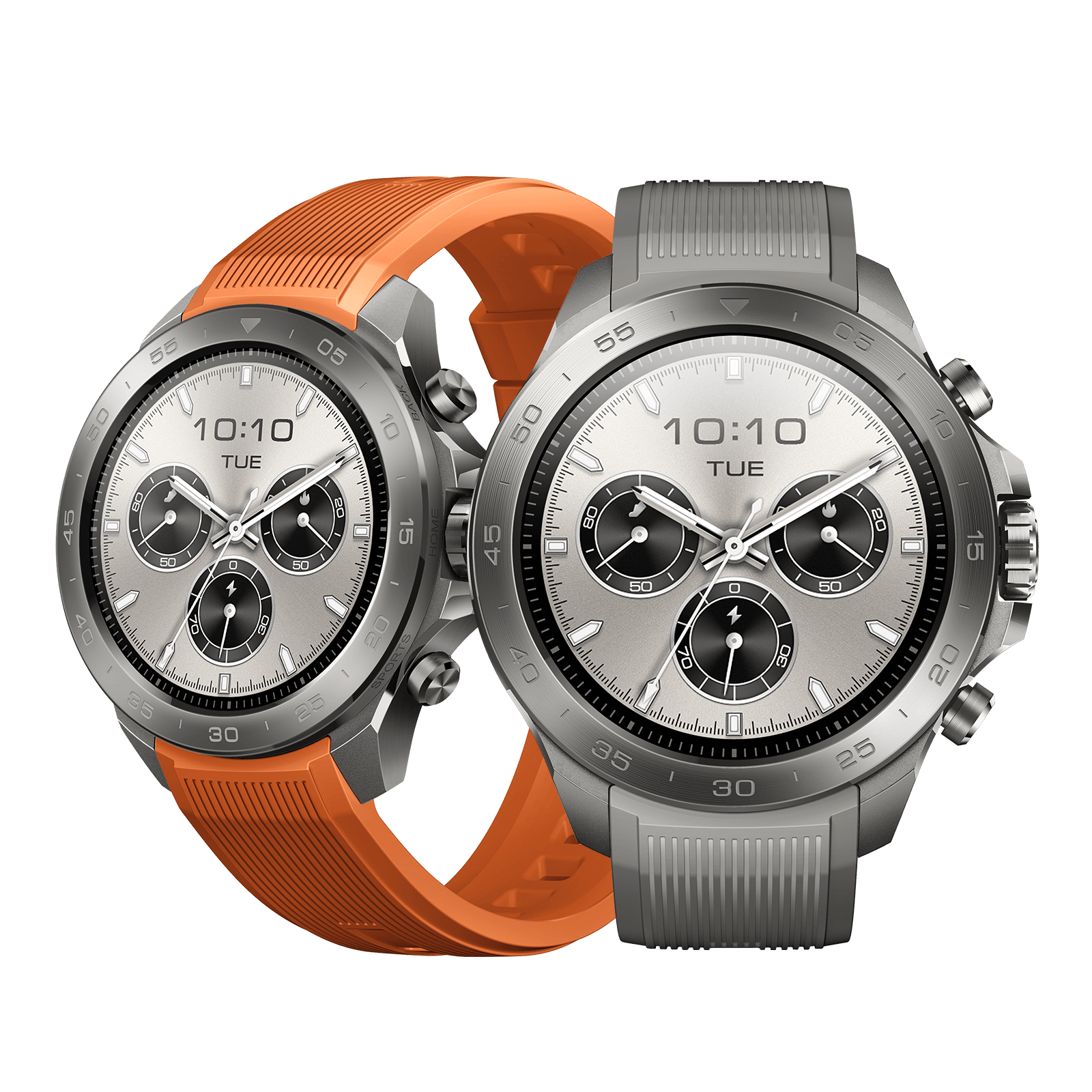


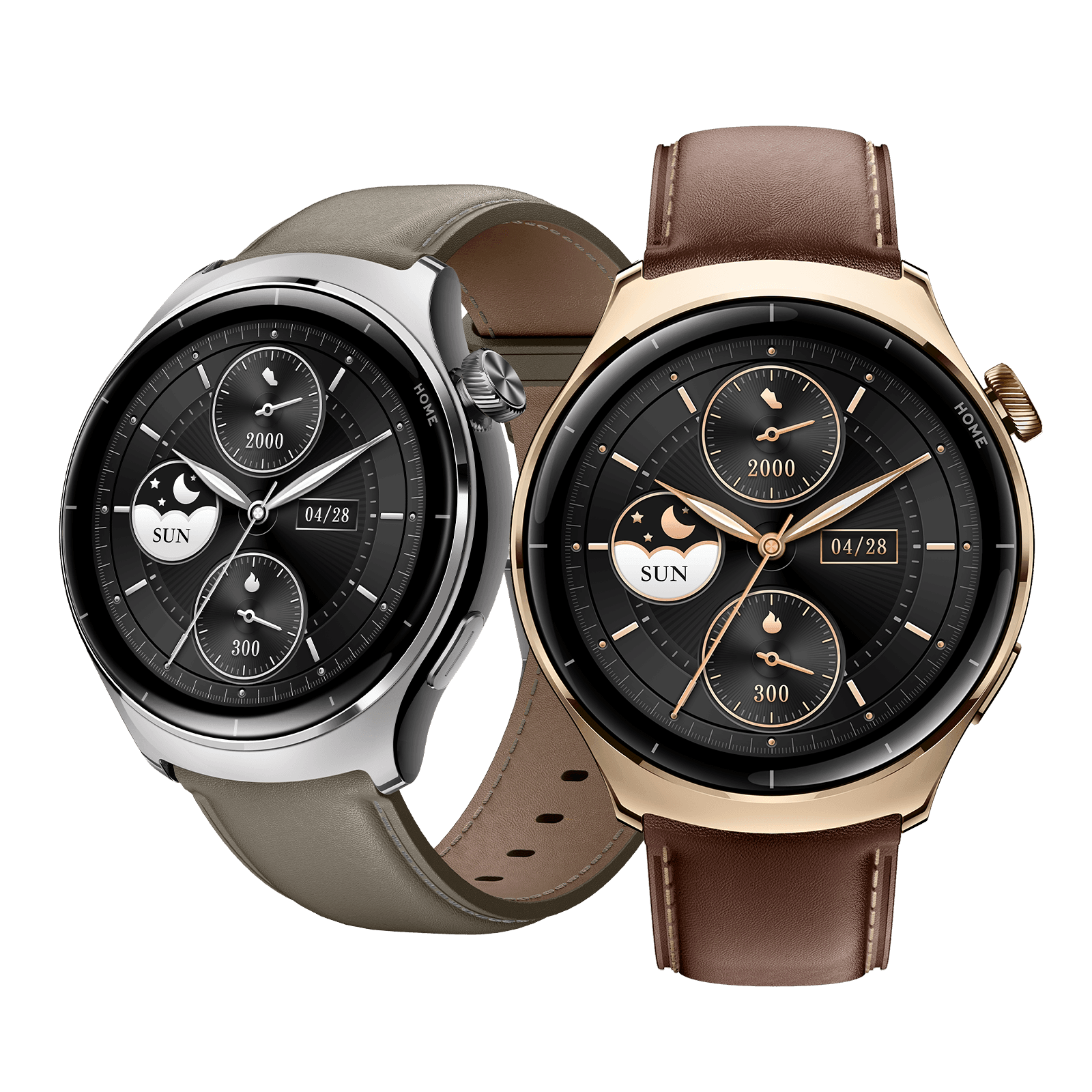
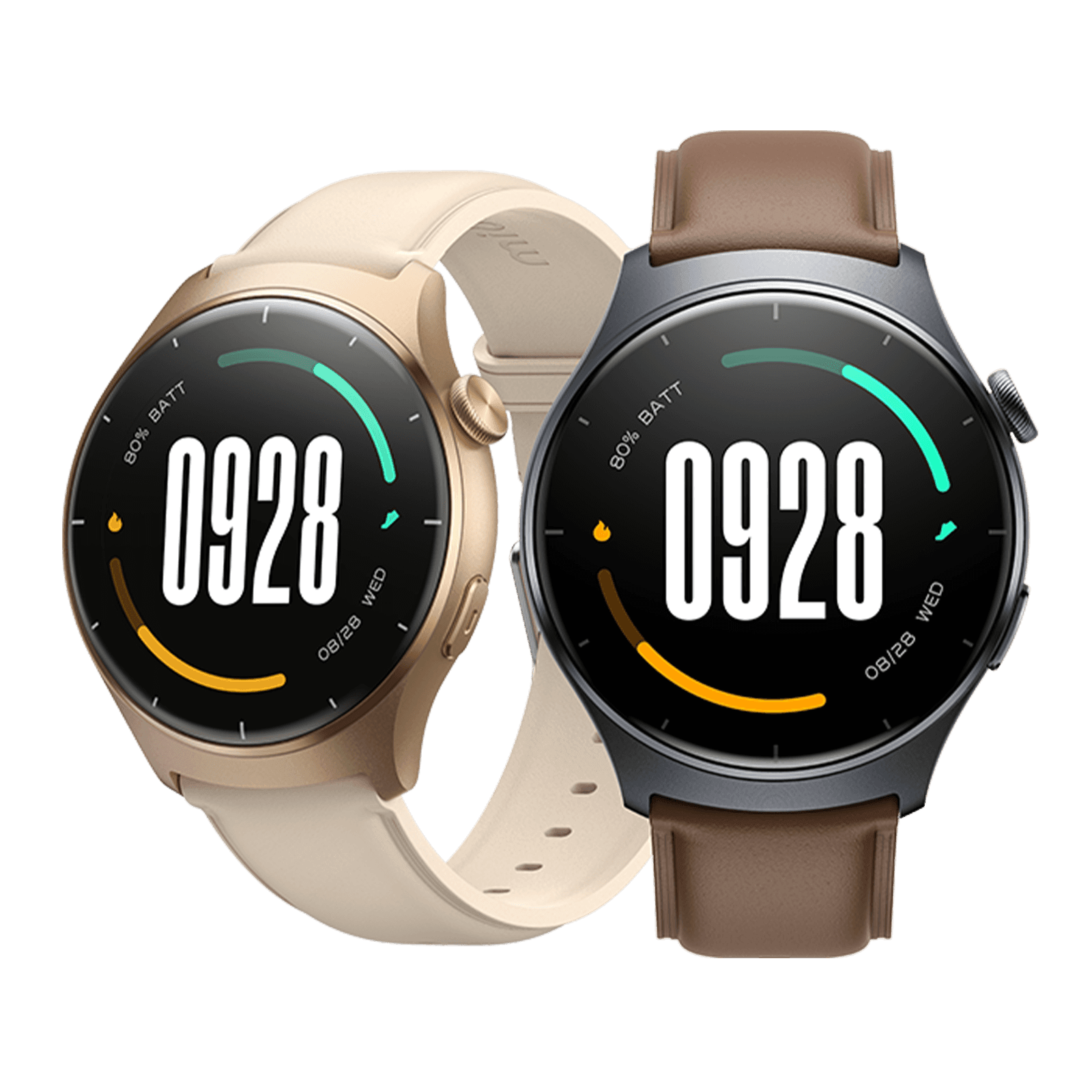
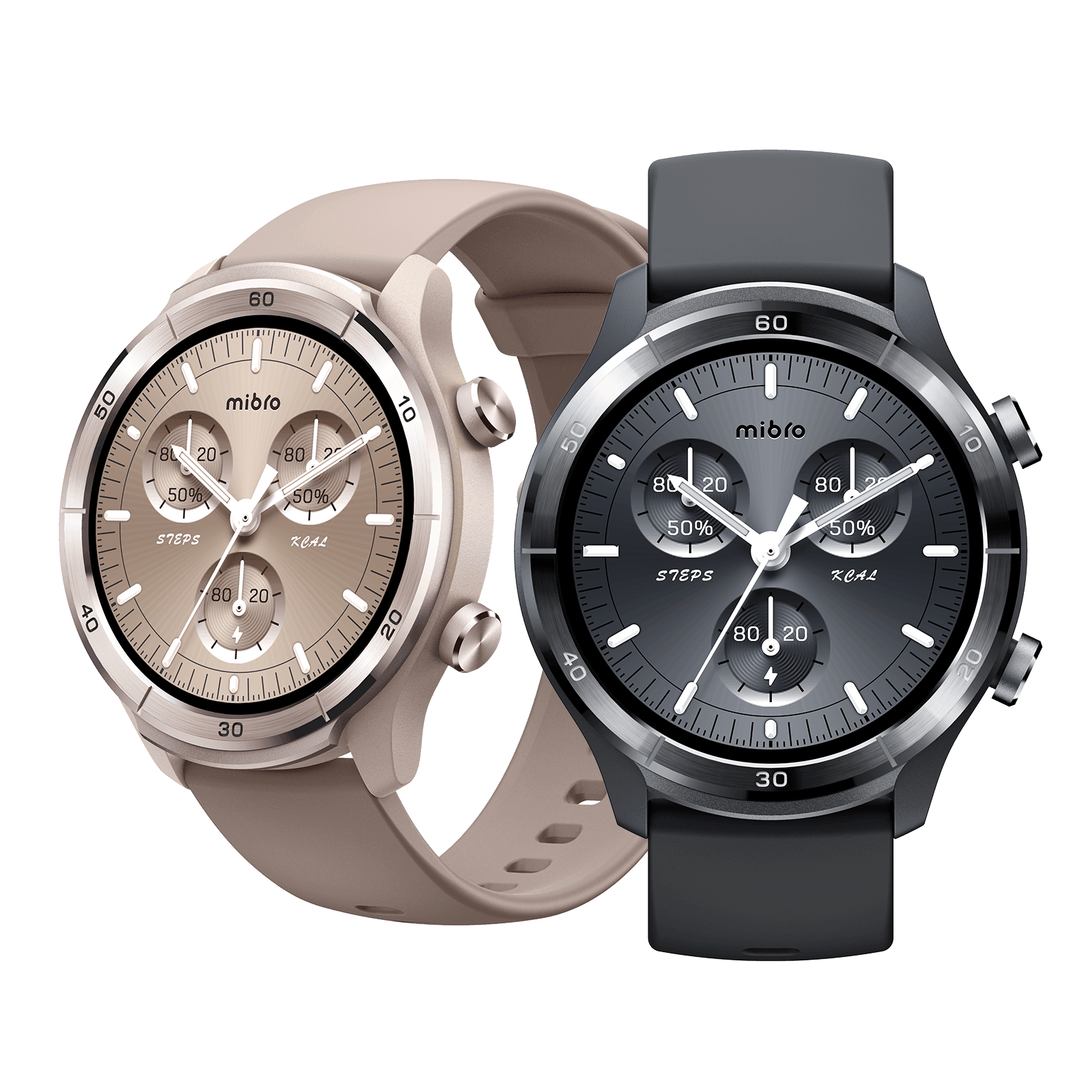
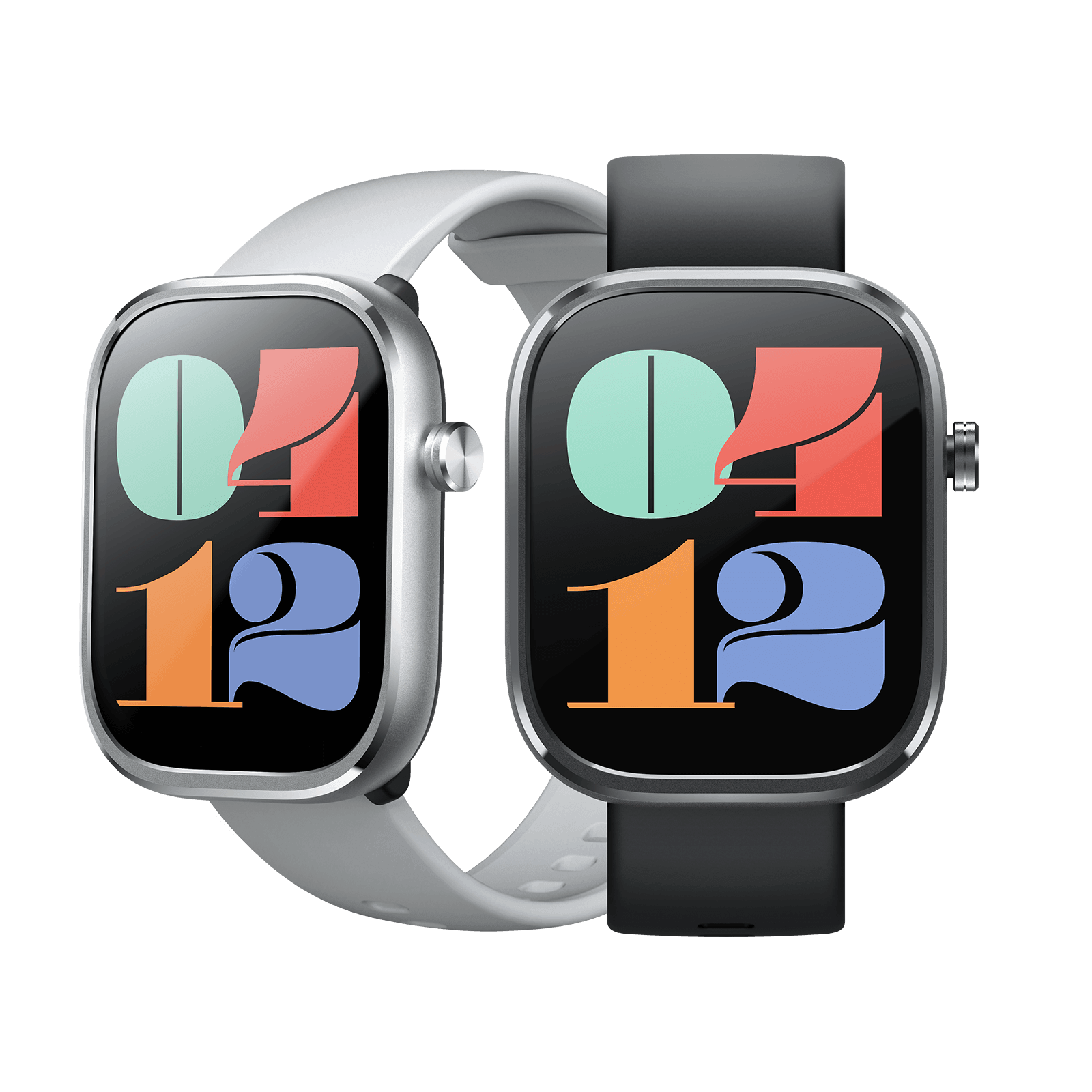
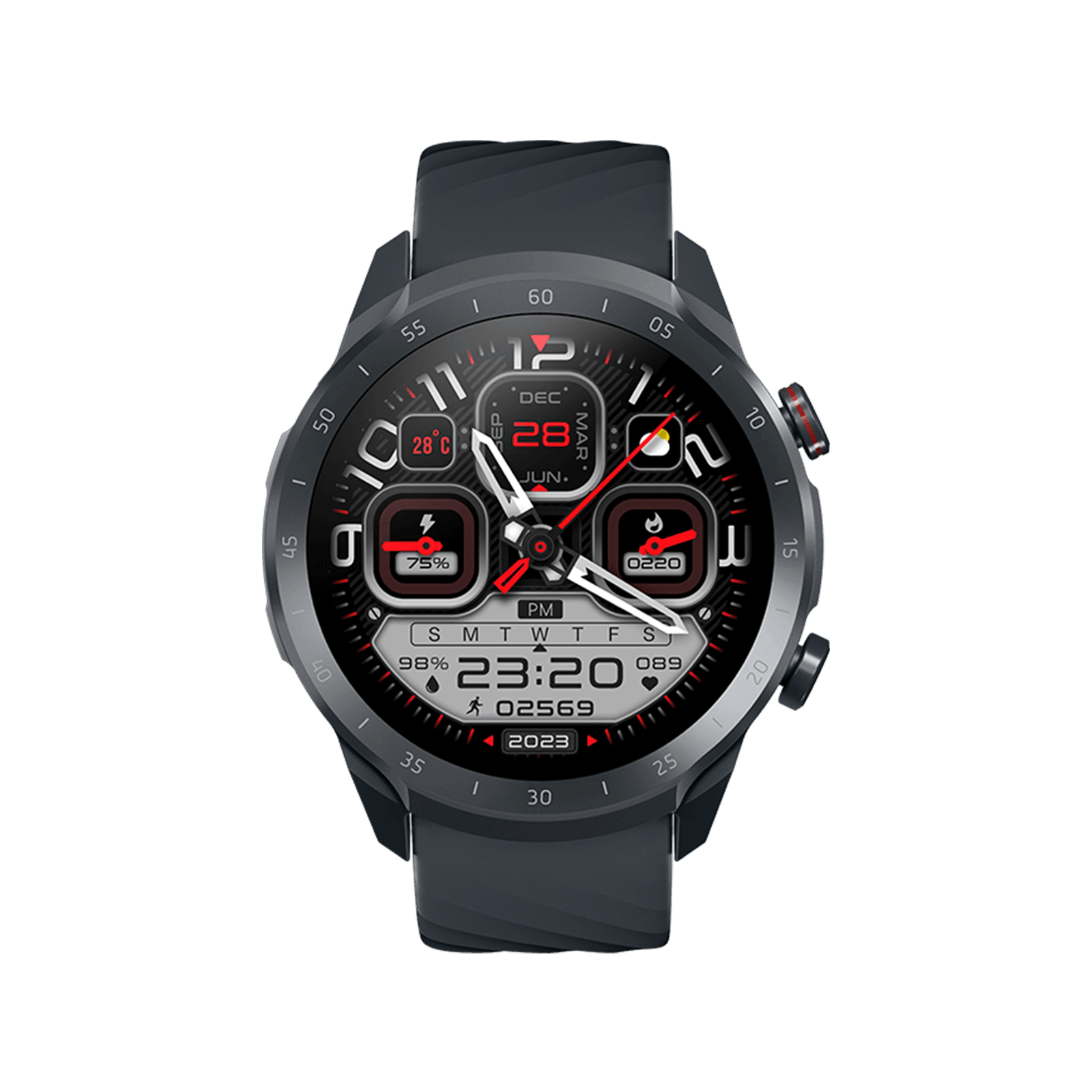
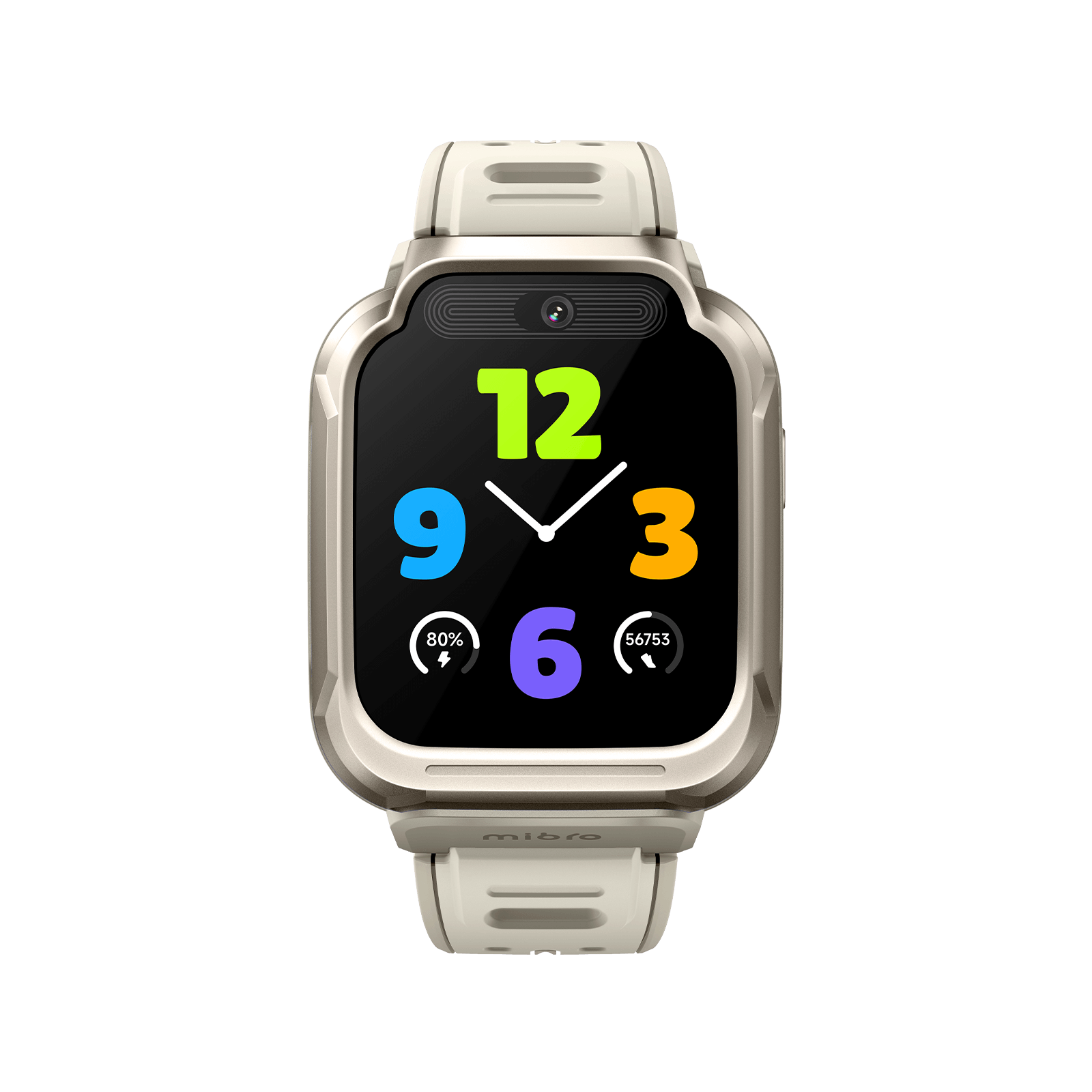
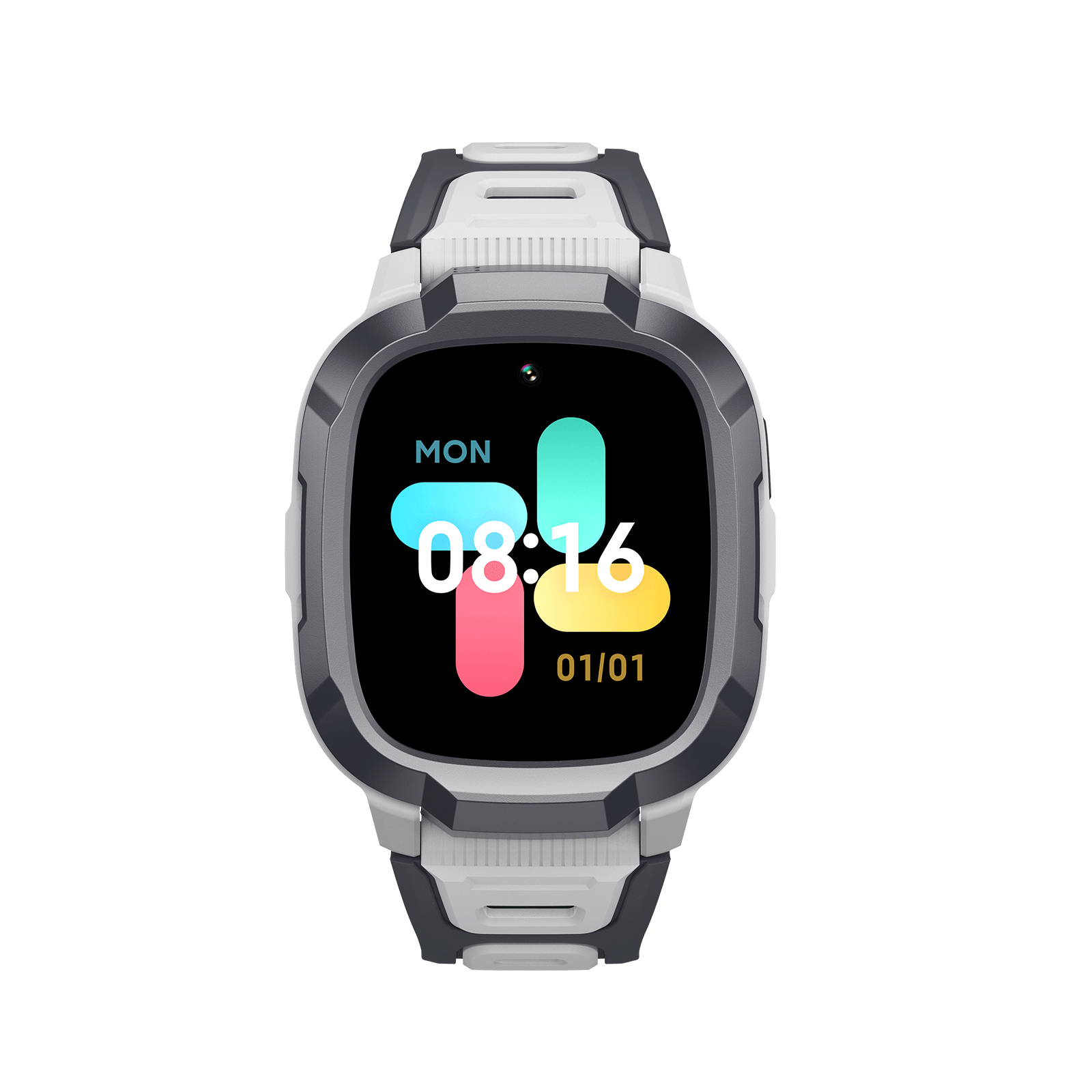
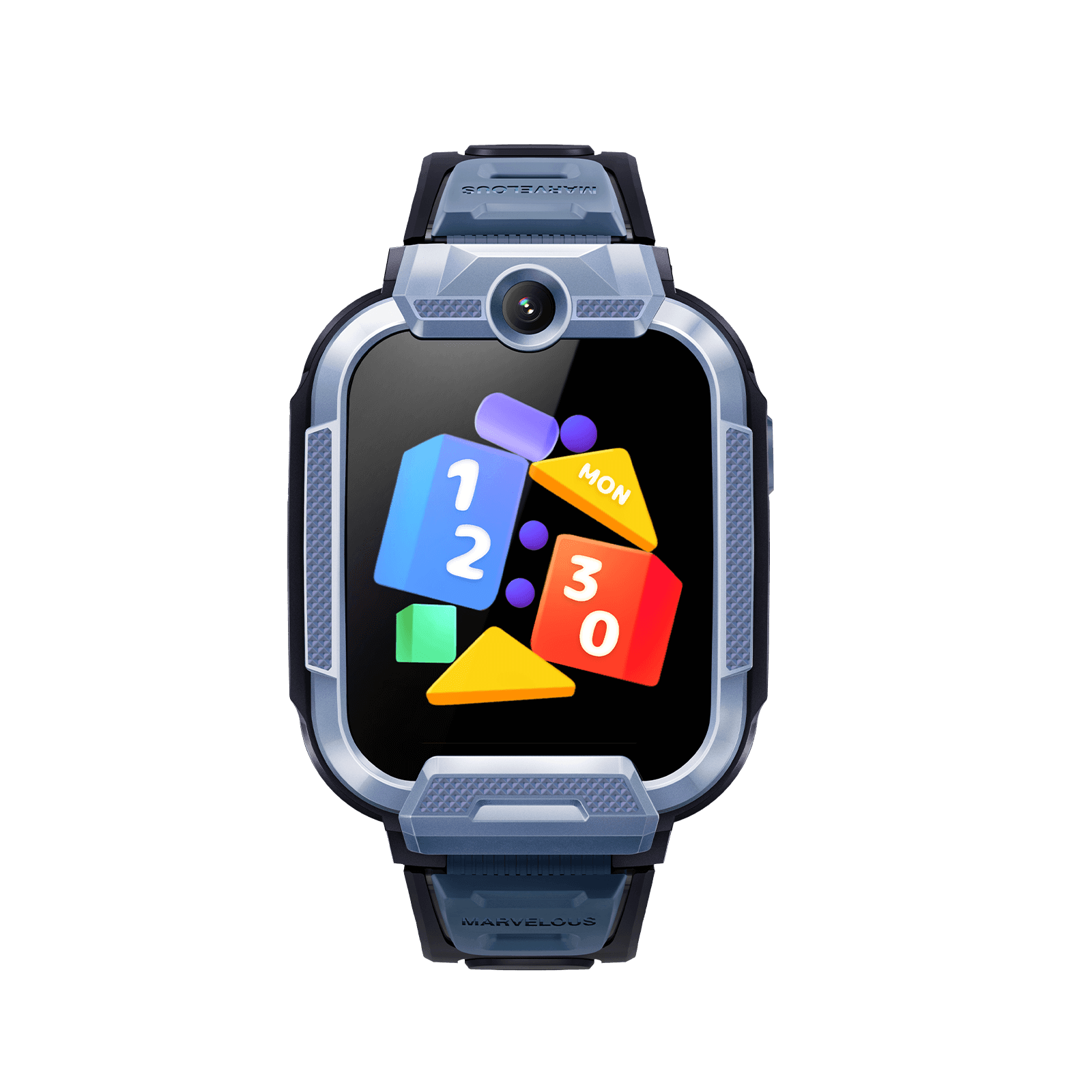
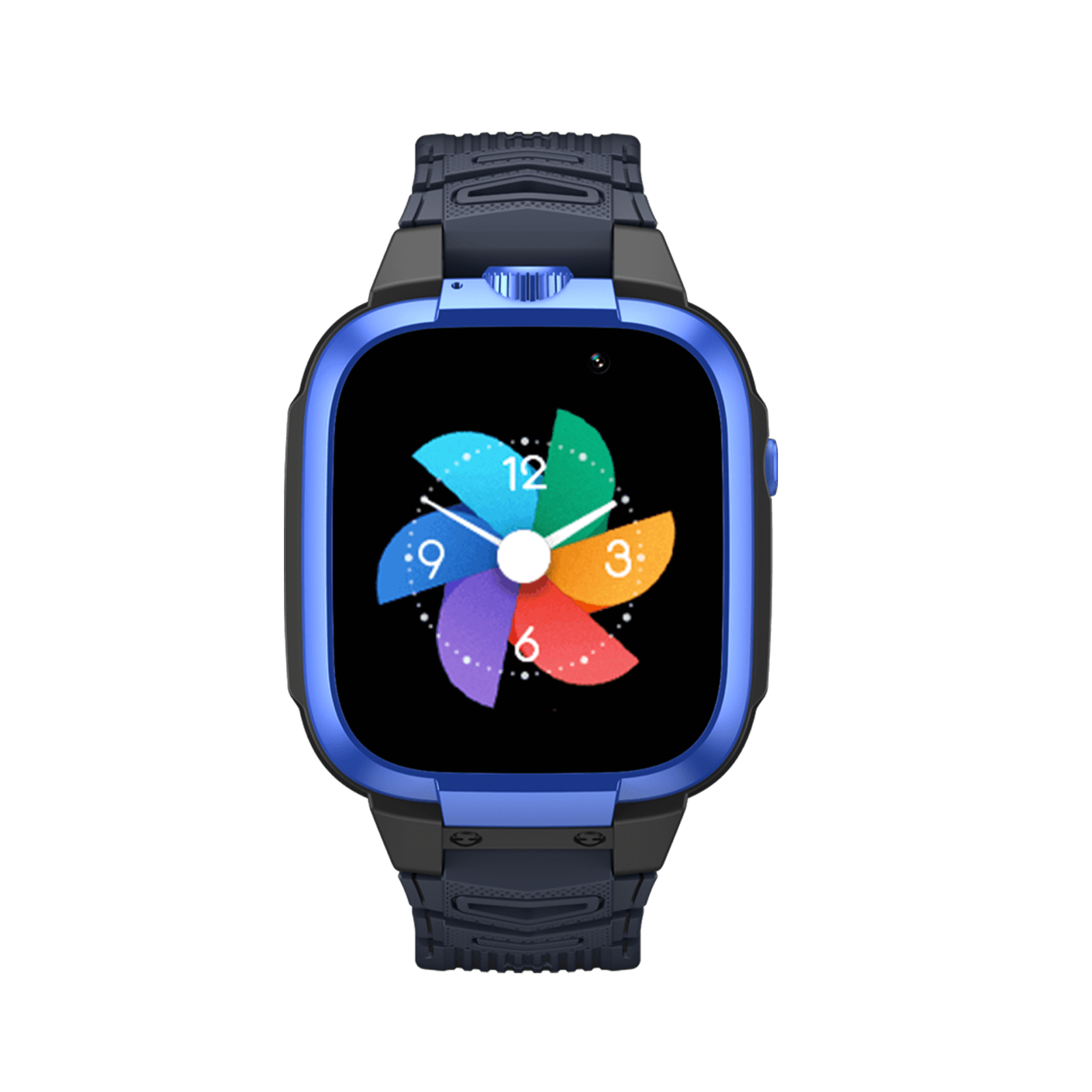



The term "fitness tracker" has evolved far beyond the simple step counter. Today, it encompasses a diverse ecosystem of wearables, including feature-rich fitness tracker watches, slim wristbands, and even discreet smart rings. Yet beneath these diverse forms, the core monitoring principles are remarkably similar. What truly confuses shoppers are the varying prices, features, and weight claims — all of which are marketing tactics you need to see through. To cut through the clutter, we've selected the 10 best fitness tracker devices of 2026, from advanced watches to bands and rings, helping you prioritize performance over hype.
Related Reading:
Takeaway:
- Best fitness tracker watch: COROS Apex 4
- Best fitness band tracker: Fitbit Charge 6
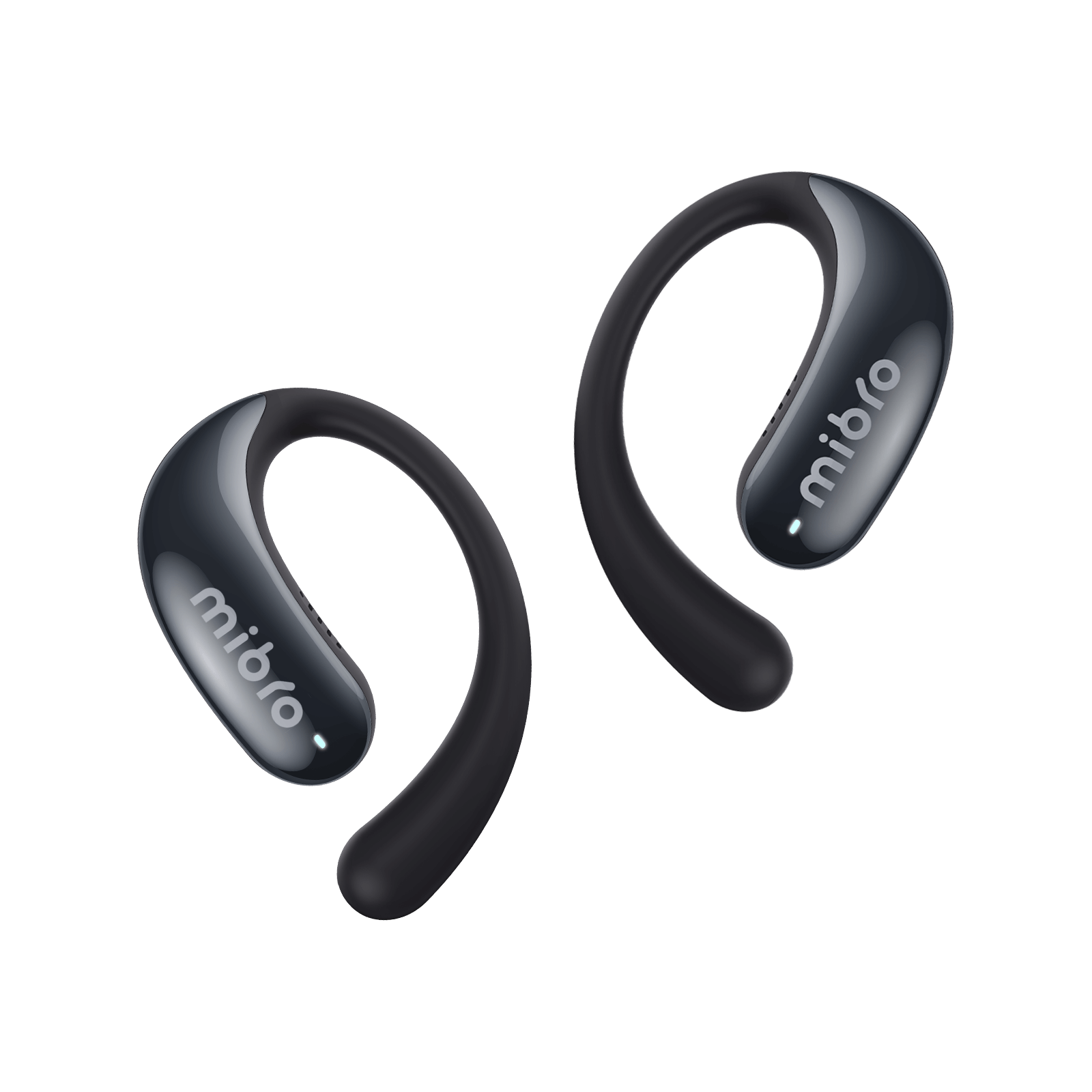
- Affordable fitness tracker watch: Mibro GS Explorer S
- Inexpensive fitness band tracker: Huawei Band 11 Pro
- Top-rated fitness tracker ring: Oura Ring 5
Quick Overview: 10 Best Fitness Trackers in 2026
To make your decision easier, we've put together a quick comparison table highlighting each of the best fitness trackers on our list, so you can spot the right fit for your needs at a glance.
| Best for | Type | Key Fitness Features | Battery Life | GPS | Works with | Price |
|---|---|---|---|---|---|---|
| COROS Apex 4 Best for advanced training | Watch | Effort Pace EvoLab Training Recovery and HRV |
42mm: 15 days/daily 46mm: 24 days/daily |
✔ | iOS & Android | ~$500 |
| Mibro GS Explorer S Best for affordable outdoor use | Watch | Swimming Diving Outdoor Mode Padel Mode |
20 days | ✔ | iOS & Android | ~$150 |
| Google Pixel Watch 4 Best for reliable GPS tracking | Watch | Dual-band GPS Pickleball Mode Cardio Load |
41mm: 30 hrs 45mm: 40 hrs |
✔ | Android | ~$400 |
| Apple Watch Ultra 3 Best for premium ecosystems | Watch | Multisport Mode Live Activity Training Load |
72 hrs (Low Power) | ✔ | iOS | ~$800 |
| Fitbit Charge 6 Best for women's fitness tracking | Band | HIIT & Strength SmartTrack Sleep Score |
7 days | ✔ | iOS & Android | ~$160 |
| Huawei Band 11 Pro Best for daily tracking | Band | Running Modes Cycling & Swimming Yoga & Strength |
14 days | ✔ | iOS & Android | ~$80 |
| Whoop 5.0 Best for workout recovery | Band | Auto Detection AI Coaching Recovery Insights |
14 days | Connected | iOS & Android | From $199/year |
| Hume Band 2.0 Best for AI wellness coaching | Band | Activity Tracking AI Fitness Coaching Metabolic Insights |
14 days | Connected | iOS & Android | ~$250 |
| Oura Ring 5 Best for fitness & health | Ring | 40+ Workouts Activity Goals Recovery Analysis |
6-9 days | Connected | iOS & Android | ~$500 |
| Samsung Galaxy Ring Best for seamless tracking | Ring | Auto Detection AI Energy Score Body Signal Monitoring |
7 days | Connected | Android | ~$400 |
5 Best Fitness Tracker Watches
Fitness tracking watches shine with GPS, bright displays, and on‑wrist coaching, perfect for outdoor and serious sports users. But they sit bulkier, may disrupt sleep, and not everyone needs every extra feature. Still, if you prioritize offline maps and visualized performance, a fitness tracker watch is unmatched.
1. COROS Apex 4
| Fitness | ⭐⭐⭐⭐⭐ |
| Health & Recovery | ⭐⭐⭐⭐⭐ |
| Battery | ⭐⭐⭐⭐⭐ |
| Smart Features | ⭐⭐⭐⭐ |
| Comfort | ⭐⭐⭐⭐ |
The COROS Apex 4 is, quite simply, the best tracker watch for athletes who demand serious training depth. It tracks over 40 sport modes — running, cycling, swimming, climbing, skiing, and more — with dual-frequency GPS that locks onto signals even in dense forests or deep canyons. The heart rate sensor delivers reliable data, while HRV, SpO₂, and training load monitoring give you a 360‑degree view of your fitness and recovery.
For runners, Effort Pace adjusts for elevation changes; for climbers, five dedicated modes with automatic route detection. All this runs on a battery that lasts 24 days in daily use or 65 hours of continuous GPS tracking (46mm model). The lightweight titanium build and sapphire glass handle anything, sleep tracking helps you recover smarter, and the new ECG sensor adds another layer of health insight.
Pros
- Excellent fitness tracking reporting
- Functions as a dive computer
- Super-long battery life up to 20+ days
- Titanium build with 10ATM water resistance
- Reliable navigation with dual-frequency GPS
- Features are fully accessible without an extra fee
Cons
- Bulky for an everyday watch
- Expensive for casual users

2. Mibro GS Explorer S
| Fitness | ⭐⭐⭐⭐⭐ |
| Health & Recovery | ⭐⭐⭐⭐ |
| Battery | ⭐⭐⭐⭐ |
| Smart Features | ⭐⭐⭐ |
| Comfort | ⭐⭐⭐⭐ |
With a 10ATM water resistance rating, the Mibro GS Explorer S handles pools, waves, and shallow dives up to 30 meters, tracking underwater duration, depth, and speed with precision. It supports freediving, sailing, and surfing effortlessly.
This fitness tracker watch also supports 150+ workout modes, including padel, making it a versatile choice for all your training needs. Notably, it is built for extreme outdoor challenges — mountaineering and rock climbing are no match for its military-grade toughness, having passed 17 MIL-STD-810H-2019 tests in temperatures from -30°C to 70°C. The nanocrystalline ceramic bezel adds near-diamond scratch resistance. Whether you're in the surf or on a summit, this is the best fitness tracker for adventurers.
Pros
- MIL-STD-810H certified durability
- 1500 nits peak brightness AMOLED display
- Dual-frequency GNSS and offline maps
- 150+ sports modes, including free diving & padel
- Stress, heart rate, and SpO₂ for your health
Cons
- Less Fun with a closed system
3. Google Pixel Watch 4
| Fitness | ⭐⭐⭐⭐⭐ |
| Health & Recovery | ⭐⭐⭐⭐⭐ |
| Battery | ⭐⭐⭐ |
| Smart Features | ⭐⭐⭐⭐⭐ |
| Comfort | ⭐⭐⭐⭐ |
The Google Pixel Watch 4 finally delivers the GPS reliability that runners and cyclists need. Its dual-frequency GPS locks onto signals quickly and tracks routes with impressive accuracy, even through dense forests or between towering city buildings. Paired with a multi-path heart rate sensor fine-tuned for activity, it captures consistent data across runs, rides, swims, and 40+ other exercise modes, making it a capable fitness tracking watch for serious training.
Automatic workout detection kicks in when you forget to hit start, while Cardio Load and Readiness Score help you balance training intensity with recovery. It also offers up to 40 hours of battery life on the 45mm model, along with a lightweight, comfortable design for all-day wear and overnight sleep tracking. For Android users seeking a versatile fitness smartwatch in 2026, the Pixel Watch 4 is a strong choice.
Pros
- Bright AMOLED screens remain clear outdoors
- Quickly connects to satellites before workouts
- Wear OS 6 delivers fast, responsive performance
- Gemini AI simplifies workouts, sleep, and messaging
- Fitbit provides accurate health and recovery metrics
- Satellite SOS adds emergency safety
Cons
- Gorilla Glass 5 scratches more easily
- Replacement straps are limited and expensive
4. Apple Watch Ultra 3
| Fitness | ⭐⭐⭐⭐⭐ |
| Health & Recovery | ⭐⭐⭐⭐⭐ |
| Battery | ⭐⭐⭐ |
| Smart Features | ⭐⭐⭐⭐⭐ |
| Comfort | ⭐⭐⭐⭐ |
For iPhone users seeking the best fitness smartwatch with a rugged edge, the Apple Watch Ultra 3 is by far the best adventure-ready Apple Watch yet and a really great all-rounder. It features Apple's largest display yet with slimmer bezels, extended battery life of up to 72 hours in low-power mode, and advanced health monitoring, including chronic hypertension detection and sleep apnea notifications.
The Ultra 3 builds on Apple's already impressive workout tracking suite with precision dual‑frequency GPS that holds lock even in dense cities, plus heart rate zones, training load, and VO₂ max estimates for running, cycling, and swimming. New wellness tools include sleep tracking and improved durability. It's the go‑to choice of fitness tracker watch for iPhone, as it handles everything from daily gym sessions to multi‑day outdoor excursions. RunnersWorld named it the best running watch for Apple users.
Pros
- Largest Apple Watch display with slimmer bezels
- Health monitoring, including hypertension detection
- Comprehensive fitness tracking and app ecosystem
- Rugged build for adventure activities
- Reliable tracking signal even in complex places
Cons
- Expensive and only suitable for iPhone users.

4 Best Fitness Band Trackers
Fitness bands shine with ultralight designs, week‑long battery life, and affordable prices — perfect for daily activity and sleep tracking. They lack built‑in GPS and advanced mapping, relying on your phone for route data. If you prefer a fitness tracker, not a watch, these fitness bands offer simplicity and comfort without compromise. Here are the 4 best in 2026.
1. Fitbit Charge 6
| Fitness | ⭐⭐⭐⭐ |
| Health & Recovery | ⭐⭐⭐⭐⭐ |
| Battery | ⭐⭐⭐⭐ |
| Smart Features | ⭐⭐⭐⭐ |
| Comfort | ⭐⭐⭐⭐⭐ |
Forget the bulk of a smartwatch. The Fitbit Charge 6 proves that a slim fitness band tracker can deliver serious training depth. It packs over 40 exercise modes covering everything from runs and bike rides to HIIT, yoga, and swimming, with built-in GPS that maps outdoor routes without your phone. The heart rate sensor tracks every beat during workouts and connects to compatible gym equipment to display your rate right on the machine.
Beyond fitness, it tracks sleep stages, SpO₂, skin temperature, and stress with daily EDA scans, while the slim, lightweight design and water resistance to 50 meters make it comfortable for all-day wear. For women who want comprehensive health tracking without the weight of a watch, this is the best fitness tracker for women in 2026.
Pros
- Slim and lightweight for all-day wear
- Automatically recognizes and logs select exercises
- Tracks outdoor activities without your phone
- Easy navigation with a physical side button
- Supports Google Wallet and Maps navigation
Cons
- Advanced insights require Fitbit Premium

2. Huawei Band 11 Pro
| Fitness | ⭐⭐⭐⭐⭐ |
| Health & Recovery | ⭐⭐⭐⭐⭐ |
| Battery | ⭐⭐⭐⭐⭐ |
| Smart Features | ⭐⭐⭐⭐ |
| Comfort | ⭐⭐⭐⭐⭐ |
The Huawei Band 11 Pro proves that a fitness tracker, not a watch, can still deliver serious training depth. It packs over 100 sports modes, from running and cycling to swimming and yoga, with independent GNSS positioning that maps your outdoor routes even when you leave your phone behind.
For runners, the wrist‑based running form analysis tracks contact time balance, vertical amplitude, and ground contact time in real time, offering instant feedback to help you adjust your stride and reduce injury risk. Beyond workouts, it monitors heart rate, SpO₂, stress, and even sleep‑breathing disruptions overnight as a daily health tracker. All this runs on a battery that lasts up to 14 days, wrapped in a lightweight aluminum body that you barely notice on your wrist. For daily fitness monitoring without the bulk, this fitness band tracker is a compelling choice.
Pros
- Built-in GPS tracking
- Bright AMOLED display
- Lightweight premium design
- Advanced health tracking
- Up to 14-day battery
Cons
- No wrist-calling speaker
- No NFC or third-party apps
3. Whoop 5.0
| Fitness | ⭐⭐⭐⭐⭐ |
| Health & Recovery | ⭐⭐⭐⭐⭐ |
| Battery | ⭐⭐⭐⭐⭐ |
| Smart Features | ⭐⭐ |
| Comfort | ⭐⭐⭐⭐⭐ |
The Whoop 5.0 takes a radically different approach: no screen, no distractions, just pure biometric intelligence. It automatically recognizes activities such as running, cycling, weightlifting, hockey, golf, and racket sports while tracking strain, steps, VO₂ max, and heart rate zones.
But where this screenless fitness tracker truly excels is recovery. It pulls from nine biomarkers — HRV, resting heart rate, respiratory rate, sleep efficiency, skin temperature, SpO₂, and more — to generate a daily Recovery Score (0–100%) that tells you exactly how ready your body is to perform. Sleep staging analyzes all four phases with lab-grade precision and recommends how much rest you actually need. At just 26.5 grams and 14 days of battery life, this long-battery-life tracker never leaves your wrist.
Pros
- Lasts up to two weeks per charge
- Screenless design minimizes digital distractions
- Detailed biometric data with frequent sampling
- Offers advanced sleep and longevity insights
- Syncs data and detects workouts faster
Cons
- Requires an ongoing annual subscription
- Requires your phone for real-time workout data

4. Hume Band 2.0
| Fitness | ⭐⭐⭐⭐ |
| Health & Recovery | ⭐⭐⭐⭐⭐ |
| Battery | ⭐⭐⭐⭐⭐ |
| Smart Features | ⭐⭐ |
| Comfort | ⭐⭐⭐⭐⭐ |
Hume Band 2.0 prioritizes understanding over counting. This screenless fitness tracker has no display, relying on five LEDs and four photodiodes to monitor heart rate, HRV, SpO₂, skin temperature, and blood pressure trends. It auto-detects walking, running, and cycling, logs activity via its app, and withstands swims with IP68 waterproofing.
Where it shines is AI wellness coaching. Instead of raw numbers, the Hume app — trained on millions of data points — connects sleep, recovery, strain, and stress into a cohesive picture, then delivers actionable guidance tailored to you. An optional premium tier adds deeper coaching and longevity plans at $8.99/month. The battery lasts 14 days, and the lightweight SuperKnit band feels invisible. For anyone seeking a fitness tracker band that actually helps you understand your body, the Hume Band 2.0 is best for AI-driven coaching.
Pros
- Lasts up to two weeks per charge
- Focuses on longevity and recovery insights
- Comfortable for continuous, distraction-free wear
- Improved algorithms stabilize sensor readings
- Syncs easily with Apple Health and Google Fit
Cons
- Poor for real-time workout tracking
The screen-free designs of Whoop 5.0 and Hume Band 2.0 keep things clean and focused, but limited smart features leave less room for everyday interaction. For a more versatile experience with notifications, apps, and on-device controls beyond fitness tracking, a smartwatch may be worth considering.
2 Best Fitness Tracker Rings
Fitness tracker rings shine with lightweight comfort, week‑long battery life, and precise sleep plus HRV tracking that watches often miss. But they lack displays and built‑in GPS, so real‑time pace or mapping requires your phone. If you're after a fitness tracker, not a watch, these rings deliver continuous insight without wrist fatigue. Here are the 2 best fitness-tracker ring picks for 2026.
1. Oura Ring 5
| Fitness | ⭐⭐⭐ |
| Health & Recovery | ⭐⭐⭐⭐⭐ |
| Battery | ⭐⭐⭐⭐⭐ |
| Smart Features | ⭐⭐ |
| Comfort | ⭐⭐⭐⭐⭐ |
Forget wrist‑bound wearables. The Oura Ring 5 slips onto your finger and tracks your runs, swims, and yoga sessions as effortlessly as it tracks your sleep. It automatically recognises over 40 activities, and when you start a workout manually, you can follow real‑time pace, distance, and heart rate straight from your phone's lock screen.
On the health side, it monitors sleep stages, HRV, skin temperature, and respiratory rate with clinical‑grade precision, while Health Radar adds blood pressure trends and overnight breathing insights. All this data feeds into Readiness and Sleep Scores that tell you when to push and when to recover. It's the rare fitness tracker ring that genuinely cares about both your workout output and your overnight recovery, and that balance makes this Oura Ring fitness tracker truly stand out.
Pros
- Lasts up to nine days per charge
- Flatter sensors improve everyday wearing comfort
- Four times stronger LEDs improve tracking accuracy
- Scratch-resistant coating and IP68 water resistance
- Excellent software for holistic wellness tracking
- Helps locate misplaced rings and cases
Cons
- Expensive and requires a monthly subscription
- Non-replaceable battery limits its lifespan

2. Samsung Galaxy Ring
| Fitness | ⭐⭐⭐ |
| Health & Recovery | ⭐⭐⭐⭐⭐ |
| Battery | ⭐⭐⭐⭐ |
| Smart Features | ⭐⭐⭐ |
| Comfort | ⭐⭐⭐⭐⭐ |
Slip the Samsung Galaxy Ring onto your finger, and you will honestly forget it is there — at just 2.3 to 3 grams and 2.6mm thick, it is one of the lightest wearables you can buy. The titanium frame feels durable yet barely noticeable, making it effortless to keep on through workouts, showers, and sleep. On the fitness side, it automatically detects walks and runs, tracks heart rate, steps, distance, and calories, and syncs workout data straight to Strava. The Energy Score pulls together sleep, activity, and HRV to tell you how ready you are for the day. The battery lasts up to seven days, and there is no subscription fee. For Android users, this fitness tracking ring works seamlessly with Samsung Health.
Pros
- Lasts up to seven days per charge
- Portable charging case makes travel convenient
- No subscription fees to unlock all health features
- Lightweight titanium design suits 24/7 wear
- Provides strong sleep and recovery insights
- Double-pinch to take photos or dismiss alarms
Cons
- Works only with Android devices
- Best features require a Samsung Galaxy phone
Fitness Smartwatch vs Band vs Ring: Which to Choose?
The right wearable depends on what you want it to do. A smartwatch, fitness band, and smart ring can all track your activity and health, but they differ in how well they support workouts, recovery, battery life, comfort, and everyday use. Here's a simple way to find the best fitness tracker for your needs.
| Your Priority | Best Choice | Why |
|---|---|---|
| Workout performance | Smartwatch | Better GPS, live metrics, and training tools |
| Health & recovery | Fitness Ring/Smartwatch | Strong sleep, HRV, and recovery insights |
| Smart features | Smartwatch | Apps, notifications, calls, payments, etc. |
| Comfort & sleep | Fitness Ring/Band | Lightweight and discreet for overnight wear |
| Tracking accuracy | Depends on use | Sensors and algorithms affect different metrics |
Choose a Fitness Tracker Watch If
A fitness tracker watch is the most versatile option for users who want detailed workout data alongside everyday smart features.
- You train regularly and need detailed workout metrics.
- You want built-in GPS for outdoor activities.
- You want real-time data during workouts.
- You also want notifications, apps, calls, or payments.
- You prefer viewing health data directly on your wrist.
Watch out for: Shorter battery life and a bulkier design can make overnight tracking less convenient.
Choose a Fitness Band Tracker If
A fitness band tracker is a practical choice for users who care about everyday health and activity tracking without needing a full smartwatch.
- You mainly track daily activity, heart rate, sleep, and basic workouts.
- You prefer something lighter than a smartwatch.
- You want longer battery life with less charging.
- You want reliable tracking without paying for premium smartwatch features.
- You don't need extensive apps or on-device interaction.
Watch out for: GPS, training analysis, and smart features can be more limited than on a smartwatch.
Choose a Fitness Tracker Ring If
A fitness tracker ring works well for users who prioritize passive health monitoring, sleep, and recovery over on-device interaction.
- Sleep and recovery are your top priorities.
- You want something discreet enough to wear day and night.
- You prefer passive health tracking over constant interaction.
- Comfort matters more than a screen or real-time workout data.
- You want fewer distractions from notifications and apps.
Watch out for: Most rings lack built-in GPS, screens, and real-time workout feedback.
Other Fitness Trackers Worth Considering
Beyond the watches, bands, and rings already covered, the fitness tracker ecosystem includes a few other form factors worth knowing about. None of them quite compete for the title of best fitness tracker across the board, but each serves a specific type of user.
Smart Fitness Clothing
Garments like Hexoskin embed ECG electrodes and respiratory sensors into fabric, capturing heart rate, breathing volume, and cadence with lab‑grade accuracy that optical wrist sensors can't match. NASA and pro teams rely on them. The catch: you must wear a compression shirt to get data, and they cost upwards of $300, plus subscriptions, which is hardly practical for daily use as an everyday fitness tracker.
Chest Strap Heart Rate Monitors
The Polar H10 remains the gold standard for pure HR accuracy, using ECG signals that outperform any wrist sensor during intervals or lifting. The battery lasts 400 hours, and it's waterproof. But it does one thing only — no steps, no sleep, no recovery scores. It's a specialist tool, not a full‑featured best fitness tracker for most people.
Clip‑On & Screenless Trackers
Devices like the Fitbit Air clip to clothing, tracking heart rate, SpO₂, HRV, and sleep for a week on a charge. At $99.99 with no subscription, they're discreet and affordable. The downside: no display means no real‑time feedback during workouts. For women who want subtle, wrist‑free monitoring, this can be a compelling best fitness tracker for women, but serious athletes will miss instant pace and distance.
Conclusion
No single device rules them all. Each form factor serves a different lifestyle. If you rely on real-time maps and on-wrist coaching, a fitness tracking watch delivers unmatched depth. Bands and rings prioritize comfort and sleep, often with longer battery life. The true best fitness tracker isn't the most expensive or feature‑packed. It's the one you'll wear consistently. Consider your primary activities (running, swimming, weightlifting, or daily steps), preferred wear style, and budget. Then choose accordingly, and let the data guide your progress without overwhelming you.
FAQs About Fitness Trackers
What is the best-rated inexpensive fitness tracker?
For an affordable fitness tracker, the Mibro GS Pro2 is a strong choice, offering 150+ sports modes, dual-frequency GNSS, and workout analytics at around $100. The Mibro GS Explorer S is a better option for outdoor and water sports, with 10ATM water resistance and dual-frequency GPS. Other budget-friendly picks include the Fitbit Charge 6 and Amazfit Active 2, depending on your preferred features and ecosystem.
How do fitness trackers work?
Fitness trackers use sensors to detect physical and physiological changes in your body and convert them into electrical signals. For example, accelerometers detect changes in motion, while optical heart-rate sensors shine light into your skin and measure changes in blood volume as your heart beats. GPS receives signals from satellites to calculate your location and movement. The device's algorithms then process these signals to estimate metrics such as steps, heart rate, calories, sleep, distance, and workout performance.
What are the limitations of fitness trackers?
Fitness trackers provide useful estimates, but they are not medical-grade devices. Their accuracy can vary with factors such as device fit, skin contact, movement, and activity type. Metrics like calories burned, sleep stages, and recovery scores are estimates rather than direct measurements. Battery life, sensor limitations, and reliance on a smartphone or app can also affect their usefulness.


1 comment
Lisa ford
Great roundup of fitness smartwatches with practical insights for different needs and budgets. I also found this page useful for anyone looking to save on health and wellness products: https://rolandmedicalweightloss.com/discount-codes/
Great roundup of fitness smartwatches with practical insights for different needs and budgets. I also found this page useful for anyone looking to save on health and wellness products: https://rolandmedicalweightloss.com/discount-codes/