 Skip to content









When we talk about heart health, heart rate is often the first metric that comes to mind. But there's more to it than your resting or active numbers. Between the beats you count at rest and the spikes during exercise lies another vital sign — one that reveals how quickly your body bounces back afterward. That measure is heart rate recovery, and it's gaining attention as a powerful window into cardiovascular fitness and long-term wellness. While you may already track your daily pulse, understanding what your recovery says about your autonomic nervous system could be just as important. So, what defines a good heart rate recovery, and why should you care? Let's break it down.
You May Also Like:
What Is Zone 2 Cardio? Benefits, Basics & How to Get StartedWhat Is VO2 Max? Good Scores, Benefits & How to Improve It
What is Heart Rate Recovery?
Heart rate recovery (HRR) is the rate at which your heart rate returns to its baseline level after you stop exercising. In simple terms, it measures how quickly your heart "cools down" once physical activity ends.
Often, it reflects how well your autonomic nervous system—the part of your nervous system that controls involuntary functions like heartbeat and breathing — is functioning. During exercise, your heart rate rises due to increased sympathetic activity (the "fight or flight" response) and decreased parasympathetic activity. After exercise stops, a healthy heart quickly shifts back: parasympathetic activity reactivates to slow the heart down, while sympathetic activity gradually withdraws. A good heart rate recovery means this transition happens efficiently.

Here's what different HRR readings can indicate:
A good (fast) HRR generally signals:
- Healthy autonomic nervous system function
- Better cardiovascular fitness
- Efficient parasympathetic reactivation
- Lower overall mortality risk
A poor (slow) HRR may indicate:
- Autonomic nervous system dysfunction
- Impaired parasympathetic reactivation
- Higher risk of cardiovascular events and all-cause mortality
How is Recovery Heart Rate Calculated
Calculating your heart rate recovery is surprisingly straightforward. The most common method measures the drop in your heart rate during the first minute after exercise stops.
The basic formula is:
For example, if your heart rate is 170 bpm at the end of a workout and drops to 140 bpm one minute later, your HRR is 30 bpm.
Step-by-Step Manual Measurement
If you don't have a device, you can calculate HRR manually:
Step 1. Check your heart rate immediately after finishing exercise (right when you stop the most intense part, not after a cool-down). Place two fingers on your wrist, count the beats for 15 seconds, and multiply by 4 to get beats per minute (bpm).
Step 2. Rest for one minute without moving.
Step 3. Check your heart rate again using the same 15-second method.
Step 4. Subtract the second number from the first. That's your one-minute HRR.
Tip: You can also count for 30 seconds and multiply by 2, or count for a full 60 seconds — whatever works best for you.
Using Smartwatches or Fitness Trackers
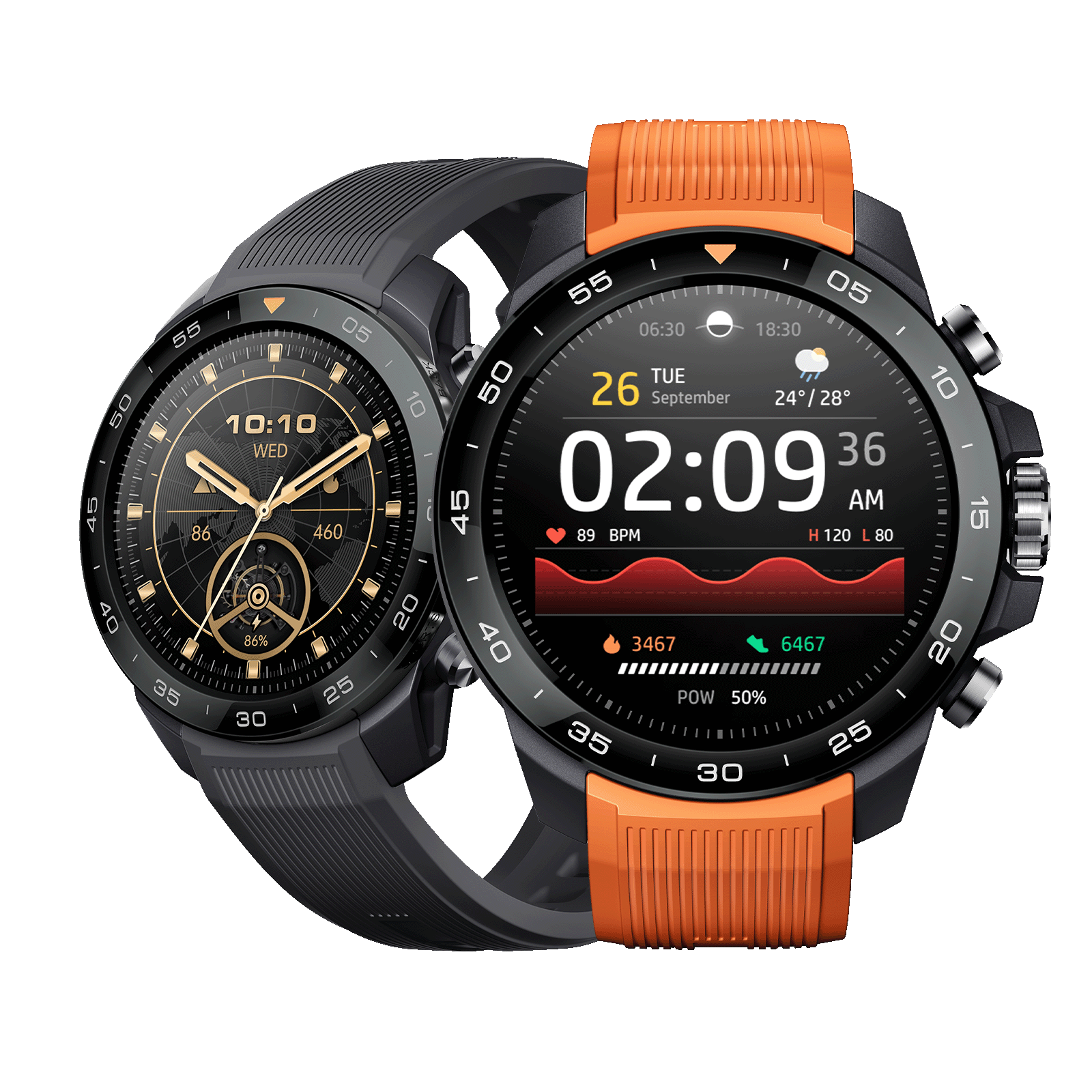
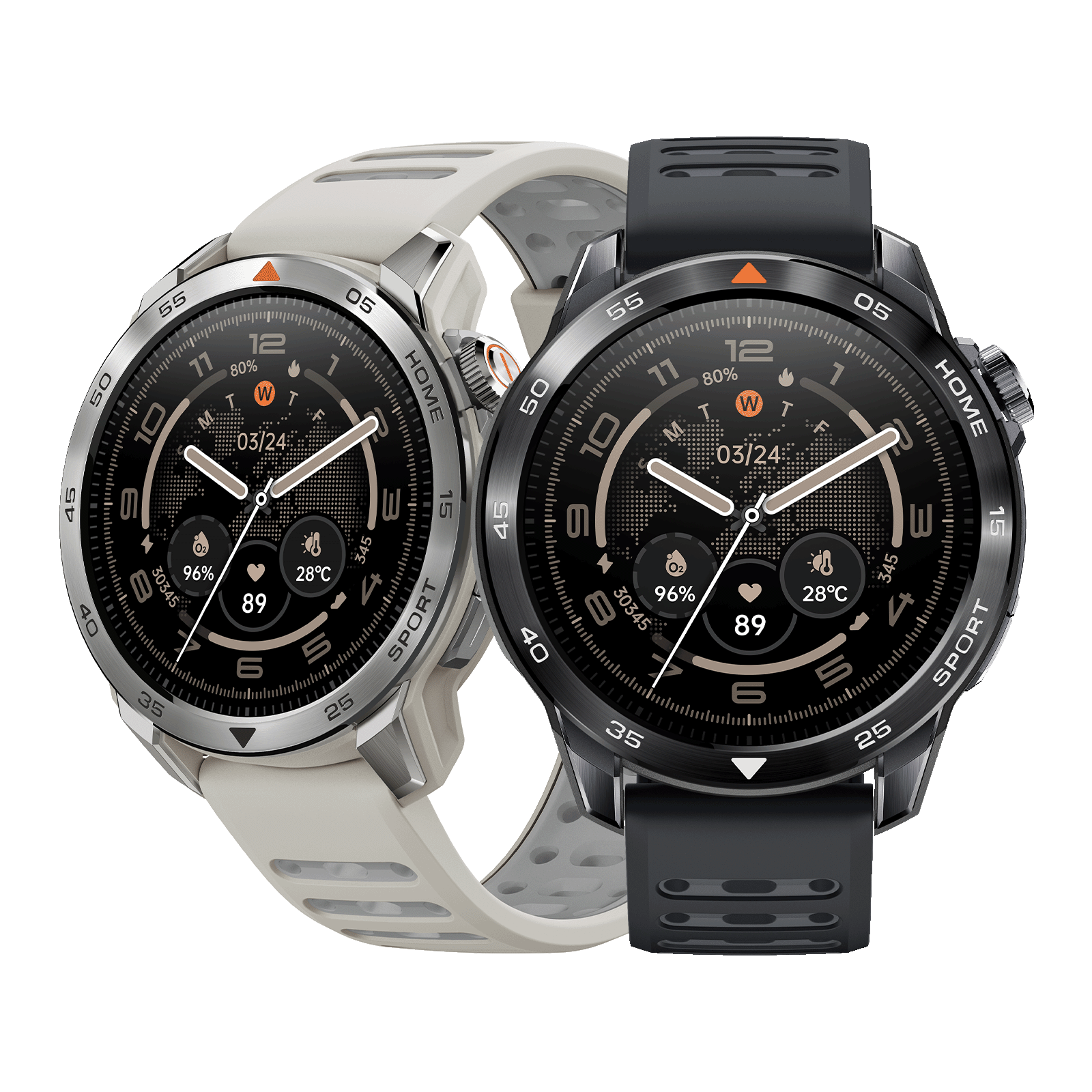
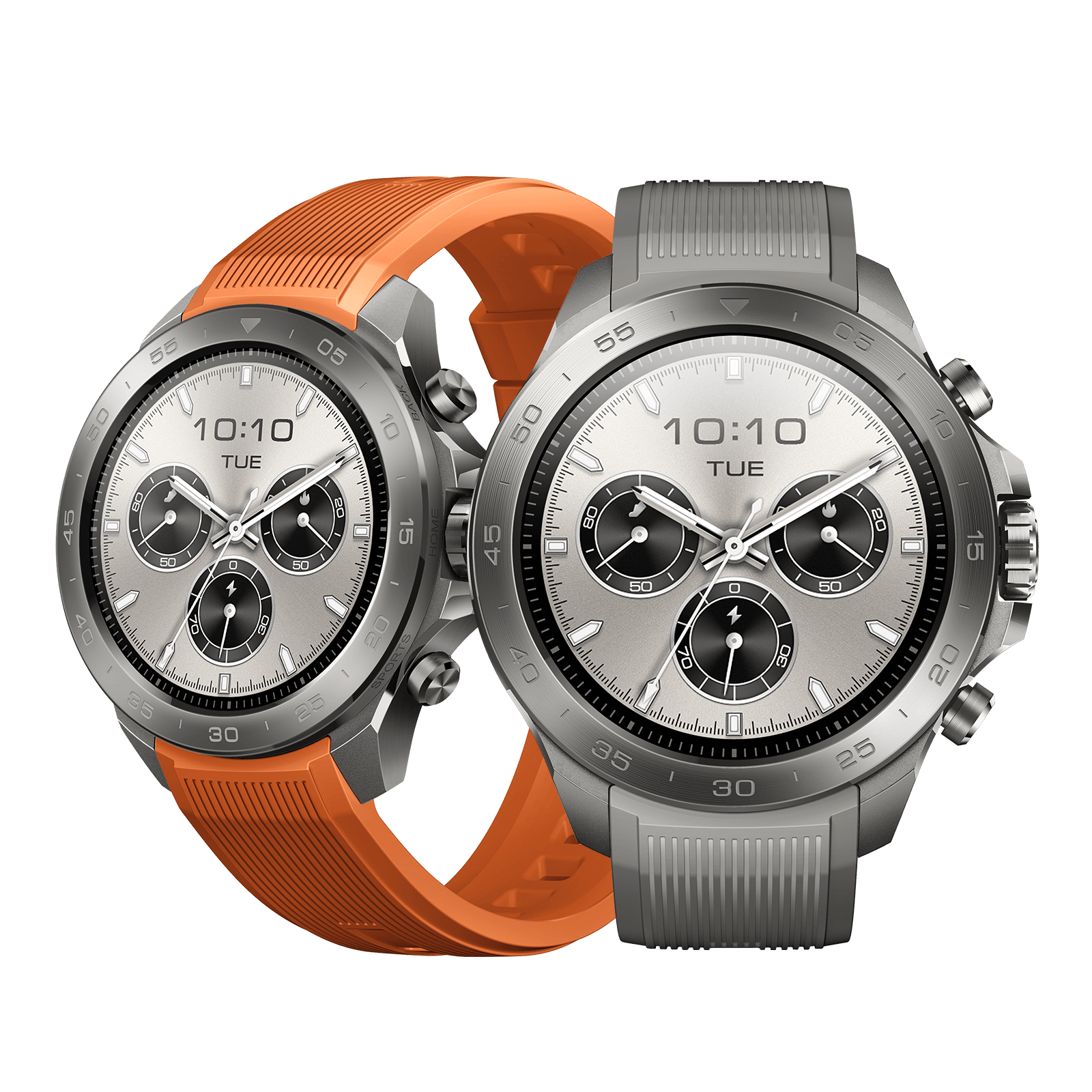
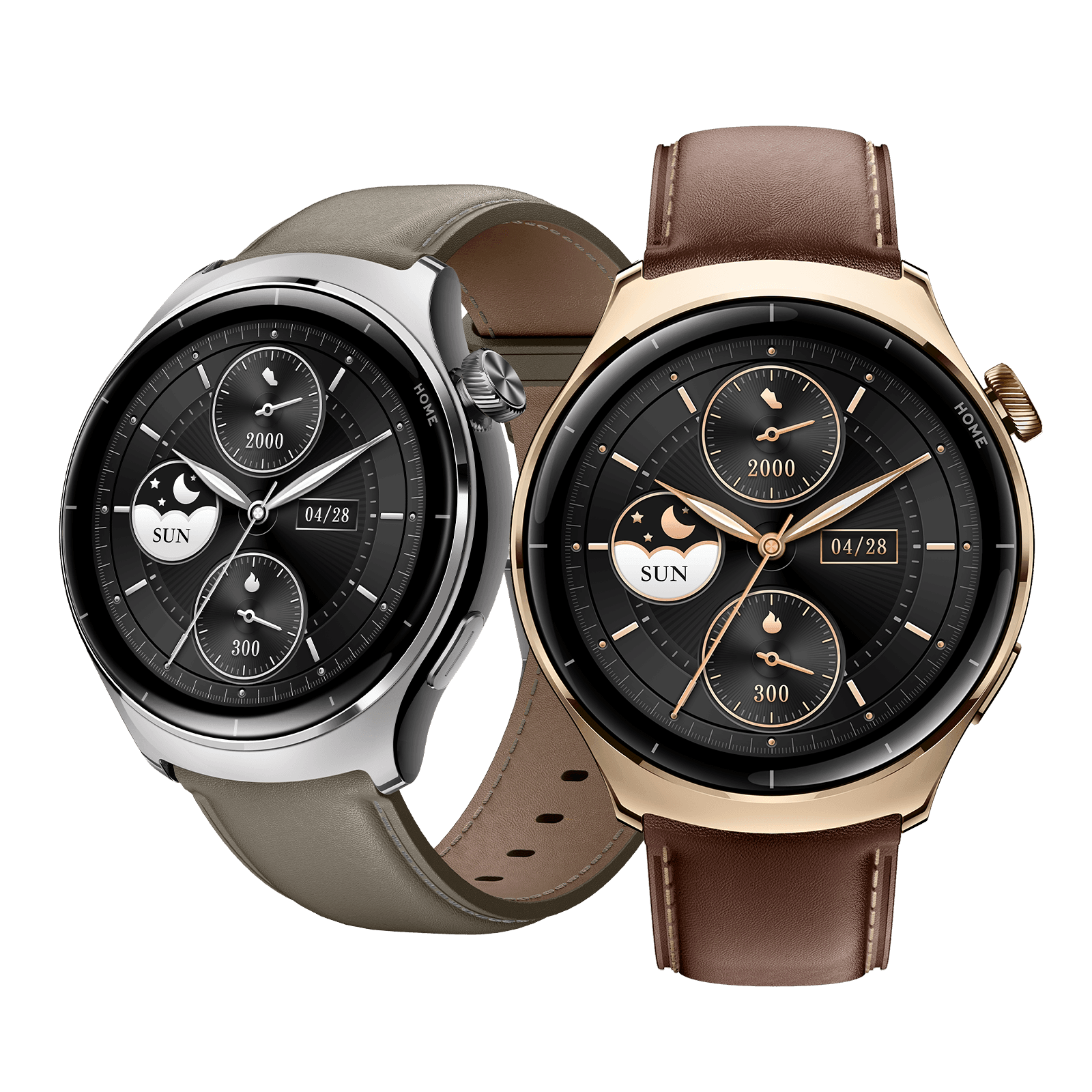
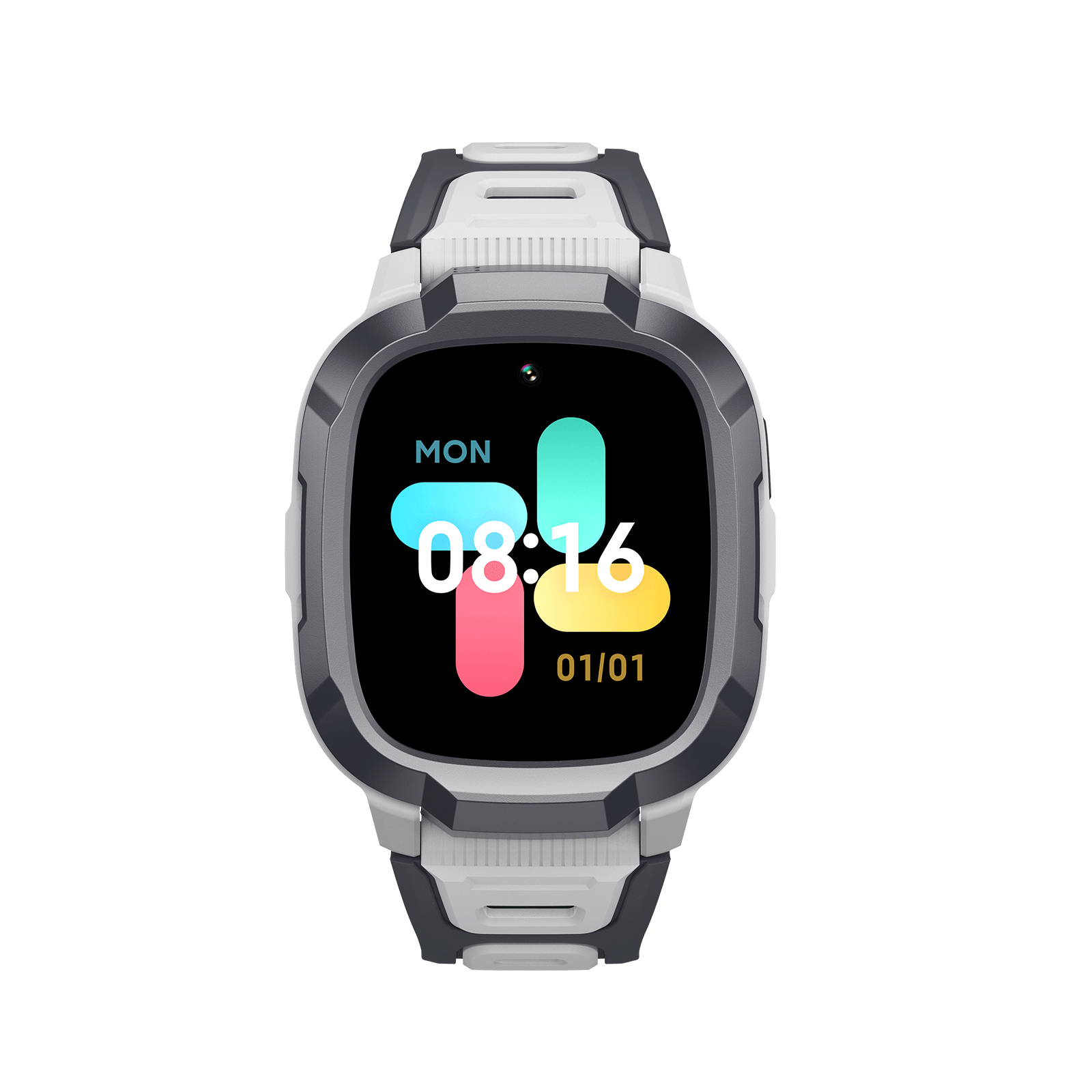
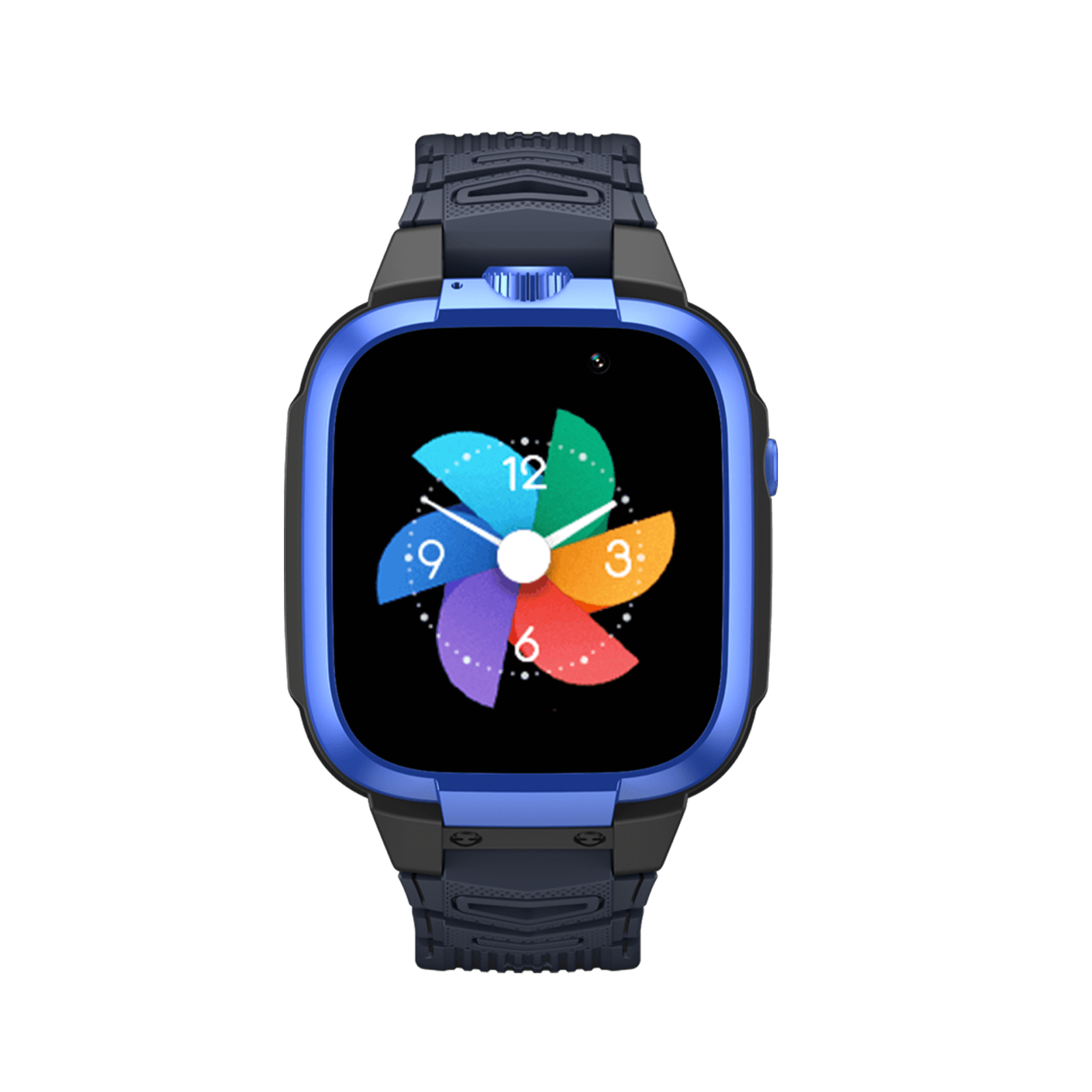
If manual pulse counting seems inconvenient, modern smartwatches and fitness trackers can make tracking heart rate recovery much easier. Many wearable devices continuously monitor your heart rate during exercise, allowing you to review key metrics such as the peak heart rate and your heart rate one minute after stopping exercise. With these automatic measurements, you can calculate heart rate recovery (HRR) consistently over time without manually checking your pulse.

Factors That Affect Recovery Heart Rate
Heart rate recovery is shaped by a complex mix of age, fitness, health status, medications, and lifestyle habits. Some are within your control, while others are not. Here's a breakdown of the key factors:
Individual Characteristics
- Age is one of the most significant predictors of HRR. Research shows that heart rate recovery declines with age, regardless of sex or cardiorespiratory fitness level.
- Sex also plays a role. Studies suggest that men and women may have different HRR patterns, partly due to physiological differences in how their cardiovascular systems respond to exercise.
- Cardiorespiratory fitness is another major factor. People with higher fitness levels tend to have faster HRR because their autonomic nervous system is more efficient at shifting from sympathetic (fight-or-flight) to parasympathetic (rest-and-digest) dominance after exercise stops.
- Body composition matters too. A higher waist-to-stature ratio (a measure of central obesity) and greater arterial stiffness have both been linked to slower HRR. Even factors like birth weight and prematurity may have lasting effects on HRR later in life.

Exercise-Related Variables
The type and intensity of exercise directly affect your heart rate recovery in the moment. Higher exercise intensity, involvement of the upper limbs, and activation of the muscle mechanoreflex all influence how quickly your heart rate drops afterward. Even your posture before and after exercise — such as lying down versus standing — can change your HRR reading.
Health Conditions
Certain medical conditions can significantly impair HRR:
- Hypertension: Research shows that HRR is reduced in people with hypertension and prehypertension compared to those with normal blood pressure.
- Diabetes: Both type 1 and type 2 diabetes are associated with attenuated HRR. Individuals with type 1 diabetes had significantly lower HRR at 60 seconds (23.0 bpm) compared to healthy controls (28.4 bpm).
- Obesity: Poor HRR has been linked to cardiovascular events and all-cause mortality in individuals with obesity.
- Medications: Certain medications can affect HRR. Beta-blockers, commonly prescribed for heart conditions, alter heart rate recovery kinetics.

Lifestyle Factors
- Smoking significantly impairs heart rate recovery. A recent study of 273 participants found that smokers had notably lower HRR values at 1 minute (18.6 bpm) compared to non-smokers (24.2 bpm).
- Sleep quality also matters. Research has shown that poor sleepers demonstrate reduced heart rate recovery at both the 1st and 3rd minutes of recovery compared to good sleepers.
- Stress can take a toll as well. Chronic stress is associated with elevated resting heart rate and reduced recovery capacity.
- Caffeine and alcohol may also play a role. Some research suggests caffeine can slow autonomic recovery after exercise.
Related Reading: How to Track Sleep at Home: 5 Methods Explained
What is a Good Heart Rate Recovery
So, what exactly counts as a good heart rate recovery? The short answer: a drop of 18 beats per minute (bpm) or more in the first minute after exercise is generally considered good. This benchmark comes from the Cleveland Clinic and has been widely used in clinical settings.
However, reality is more nuanced. Heart rate recovery naturally declines with age, meaning what's "good" for a 25-year-old may differ from what's good for a 65-year-old. Below is a heart rate chart from Carepatron, which can help you better grasp how heart rate recovery changes across different age groups.
Heart Rate Recovery Chart by Age
| Age | Excellent (bpm) | Good (bpm) | Fair (bpm) | Poor (bpm) |
|---|---|---|---|---|
| 20 | 22 | 18 | 14 | 13 |
| 30 | 21 | 17 | 13 | 12 |
| 40 | 20 | 16 | 12 | 11 |
| 50 | 19 | 15 | 11 | 10 |
| 60 | 18 | 14 | 10 | 9 |
Why Does Heart Rate Recovery Matter?
Your heart rate recovery (HRR) is far more than a fitness curiosity. It's a powerful window into your overall health. Here's why it matters:
It Predicts Your Risk of Death
HRR is one of the strongest predictors of all-cause mortality. In a large study of nearly 10,000 adults, heart rate recovery variables were the strongest predictors of all-cause mortality, even in people with normal exercise capacity.
It Reflects Autonomic Nervous System Health
HRR is a direct measure of how well your autonomic nervous system (ANS) is functioning. A good heart rate recovery means this transition happens efficiently. A slow recovery — below 13 bpm, for example — can indicate problems with parasympathetic reactivation.

It Helps Your Doctor Spot Problems Early
Because HRR is a simple, non-invasive measure, it's increasingly recommended for routine clinical use. An abnormal HRR on an exercise stress test can alert your doctor to underlying issues, even when other test results look normal.
It Guides Your Training
HRR is closely related to aerobic fitness. People with higher fitness levels consistently show faster HRR. This makes HRR a useful tool for:
- Monitoring improvements in cardiorespiratory fitness over time
- Assessing your current fitness level
- Evaluating the effectiveness of your training program
It's a Daily Health Metric You Can Track
Thanks to smartwatches and fitness trackers, you can now monitor your heart rate recovery regularly without visiting a clinic. Tracking your personal trend over time is likely the most meaningful use of this data. If you notice your HRR declining, it could be a sign to pay more attention to your sleep, stress, or training load.
How to Improve Heart Rate Recovery
With the right lifestyle changes and training habits, you can help your heart recover faster after exercise. Here are six evidence-based strategies to improve your HRR.
1. Aerobic Exercise
Regular aerobic exercise is one of the most effective ways to increase heart rate recovery. Moderate-intensity aerobic exercise at a lower dose (75 minutes per week) can even improve 1-minute and 2-minute HRR in sedentary healthy adults. The key is consistency — aim for regular moderate aerobic activities like brisk walking, jogging, or cycling to increase HRR over time.

2. Strength Training
Resistance exercise also enhances HRR. You can include 2–3 strength sessions per week targeting major muscle groups. Aim for 2–3 sets of 12–15 repetitions per exercise with moderate weight. Between sets, rest 1–2 minutes. This structured rest helps train your autonomic system to recover more efficiently. Good options: squats, push-ups, rows, and lunges using body weight, resistance bands, or dumbbells.
3. Adequate Sleep
Poor sleep quality impairs HRR. To improve it, aim for 7 to 9 hours of sleep each night. Maintain consistent sleep and wake times to support your body's circadian rhythm. Create a cool, dark, quiet sleep environment and avoid screens for at least 30 minutes before bed. Even short-term sleep reduction can impair HRR following exercise, so prioritize sleep especially on training days.

4. Stress Management
Mindfulness training has been shown to promote quicker heart rate recovery following stressful situations. Research also finds that athletes who engage in 15-minute guided mindfulness or relaxation activities after training may facilitate parasympathetic reactivation. Try 5–10 minutes of deep breathing (e.g., box breathing: inhale 4 sec, hold 4 sec, exhale 4 sec, hold 4 sec) or guided meditation daily. Short sessions can also help balance your nervous system and improve heart rate recovery over time.
5. Healthy Diet & Proper Hydration
What you eat and drink directly affects HRR. Following a DASH diet (rich in fruits, vegetables, and whole grains) combined with exercise significantly increases HRR. Omega-3 fatty acids have also been shown to improve 1-minute HRR. Aim for 5+ servings of fruits and vegetables daily. Include fatty fish (salmon, sardines) twice weekly or consider an omega-3 supplement. For hydration, drink water consistently throughout the day, especially after workouts—dehydration slows heart rate recovery.

6. Avoid Overtraining
More training isn't always better. While regular exercise improves heart rate recovery, excessive training without adequate rest can actually disrupt autonomic function. So please incorporate at least one full rest day per week. Listen to your body, if you feel persistently fatigued or your HRR suddenly changes, scale back your training intensity. Prioritize recovery weeks every 4–6 weeks of heavy training to allow your autonomic nervous system to reset.
When to Seek Medical Advice
A single slow heart rate recovery (HRR) isn't necessarily cause for alarm, but certain signs warrant a conversation with your doctor. Please see your healthcare provider if:
- Your HRR suddenly worsens without an obvious reason.
- Your heart rate recovery remains consistently poor (below 13 beats per minute at one minute), especially if you've been exercising regularly for several months and still experience a prolonged elevated heart rate after workouts.
- You experience chest discomfort, shortness of breath, dizziness, fainting, or heart palpitations during or after exercise.
- Your resting heart rate is consistently below 35–40 bpm or above 100 bpm without explanation.
Don't ignore persistent abnormalities in your HRR. They can be early warning signs of underlying cardiovascular issues. When in doubt, get checked out.
FAQs About Heart Rate Recovery
What is a poor heart rate recovery?
A poor heart rate recovery (HRR) is when your heart rate drops 12 beats per minute (bpm) or less in the first minute after exercise. This slower recovery may be a sign of reduced cardiovascular fitness or impaired autonomic nervous system function and has been associated with a higher risk of cardiovascular disease and mortality.
What is a good heart rate recovery by age?
There is no single "good" heart rate recovery (HRR) for each age group. In general, a drop of more than 12 beats per minute (bpm) in the first minute after exercise is considered normal, while 20–30 bpm or more is often seen as a sign of good cardiovascular fitness. Younger and fitter individuals typically recover faster than older adults, but factors such as exercise intensity, medications, and overall health also influence HRR.
Is high HRR good or bad?
Yes, a high heart rate recovery (HRR) is generally good. A faster drop in heart rate after exercise usually reflects better cardiovascular fitness and healthier autonomic nervous system function. While a higher HRR is linked to a lower risk of cardiovascular disease, it should be evaluated in the context of your age, fitness level, medications, and overall health.
Disclaimer: This article draws from publicly available sources and is intended for general informational purposes only. The content should not be taken as a substitute for professional, medical, or fitness advice. We encourage you to independently verify any details and consult with a qualified expert before making decisions based on this information.
References
- https://my.clevelandclinic.org/health/articles/23490-heart-rate-recovery
- https://www.henryford.com/blog/2025/10/heart-rate-recovery
- https://www.whoop.com/us/en/thelocker/heart-rate-recovery/
- https://www.equinox.com/articles/2023/10/heart-rate-recovery-why-it-matters-and-how-to-calculate-yours
- https://www.bevel.health/blog/the-basics-heart-rate-recovery
- https://www.ovid.com/jnls/rcvm/fulltext/10.4103/rcm.rcm_75_24~variables-influencing-heart-rate-recovery-in-healthy
- https://pmc.ncbi.nlm.nih.gov/articles/PMC4254836/
- https://www.carepatron.com/files/heart-rate-recovery-chart-sample.pdf#1#1

