 Skip to content


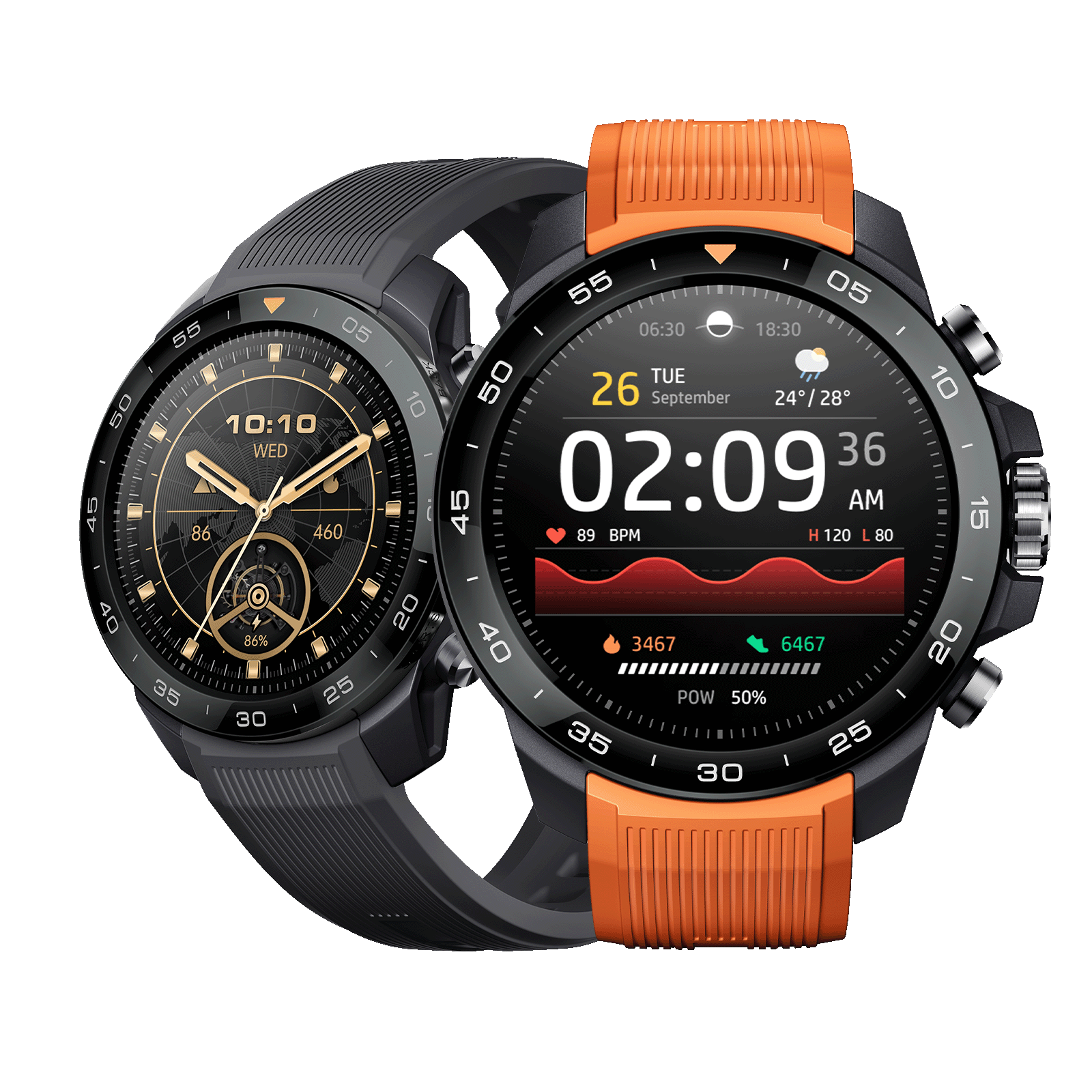
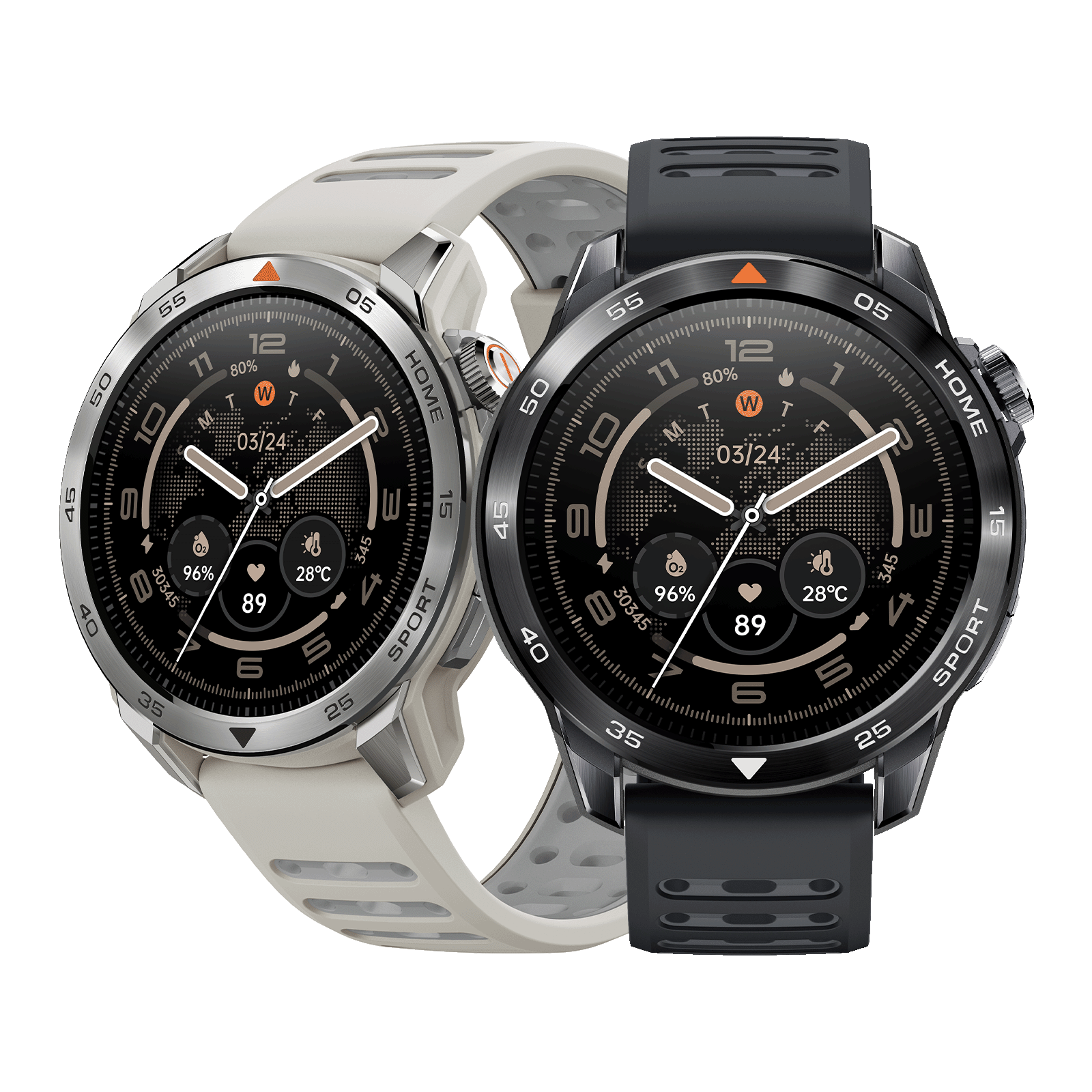
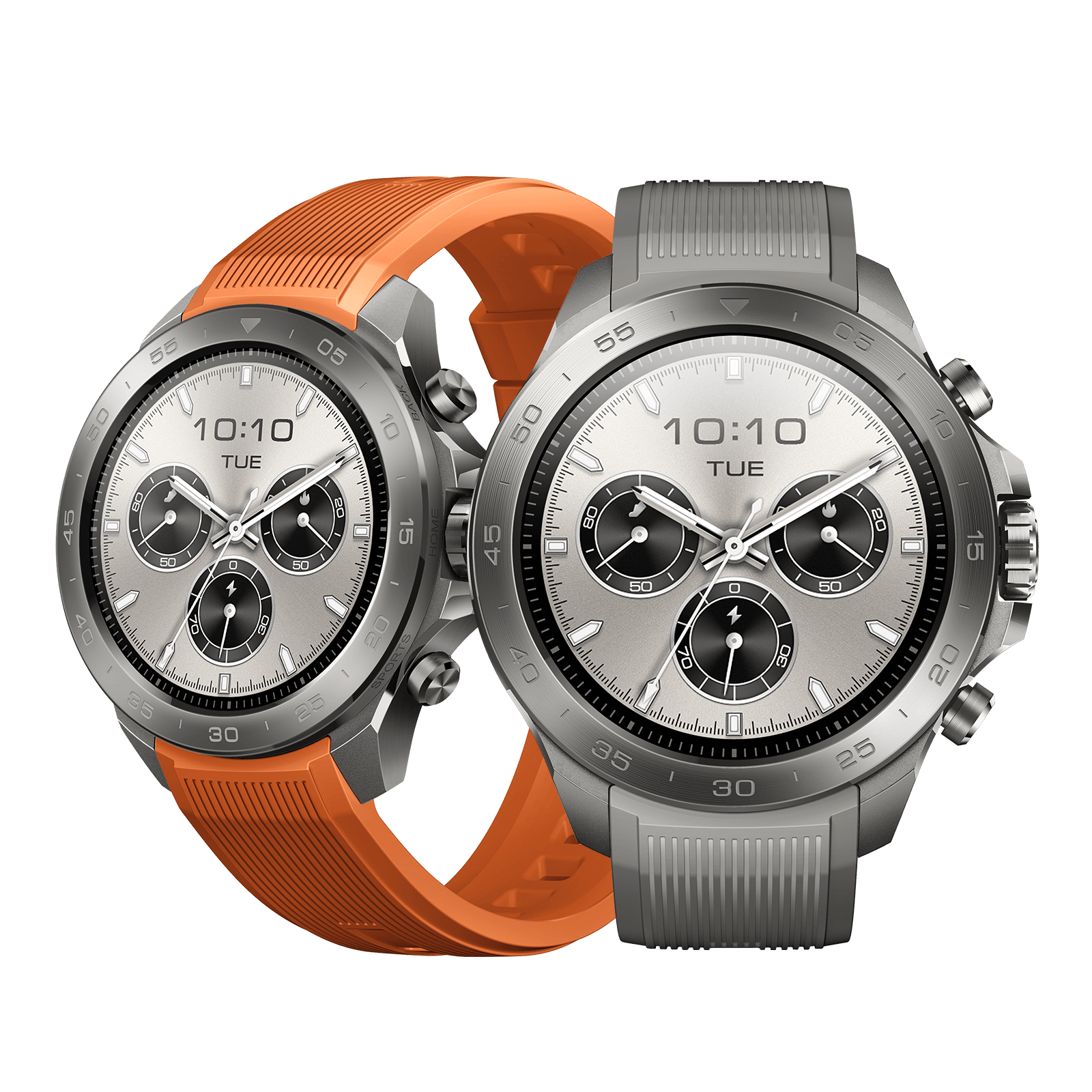


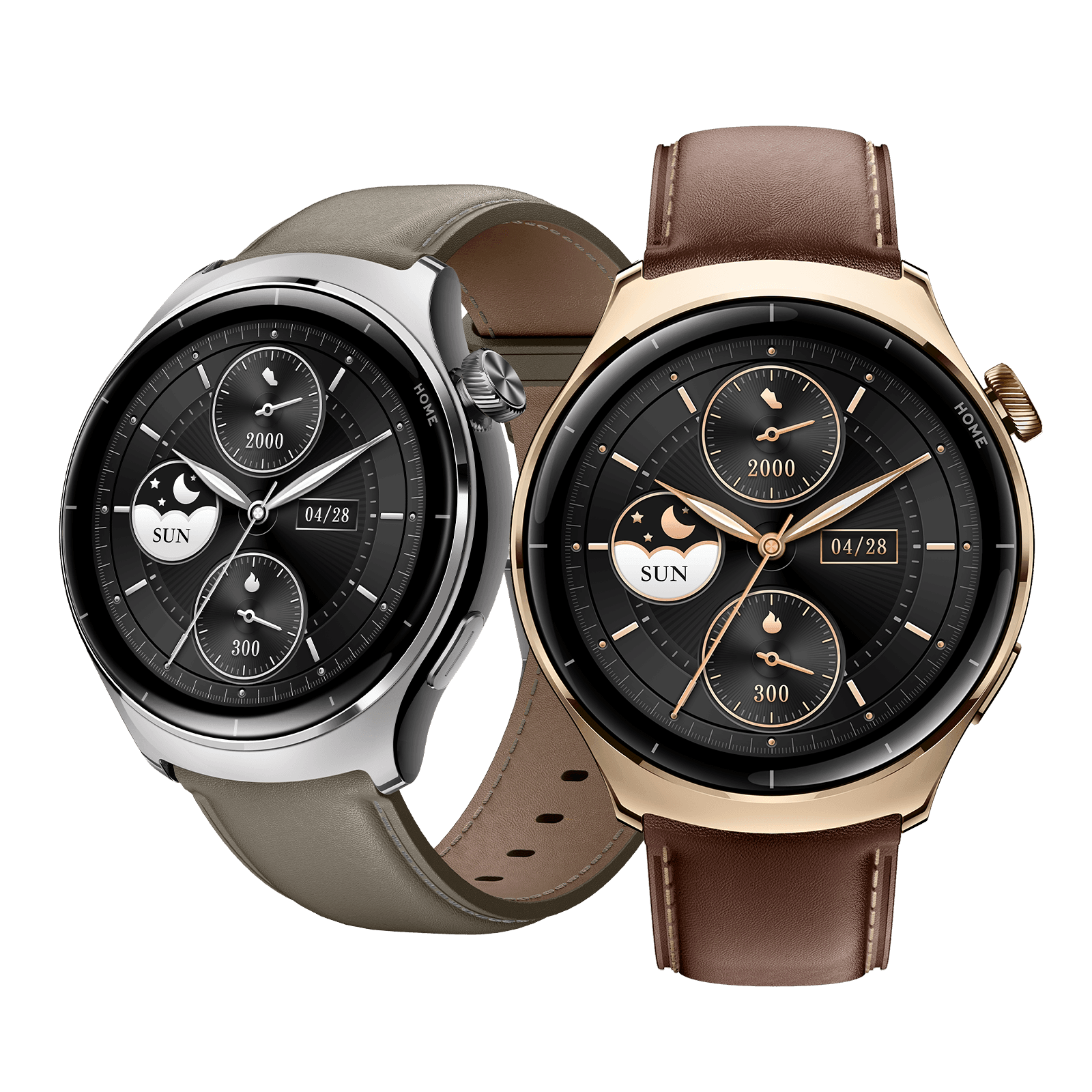
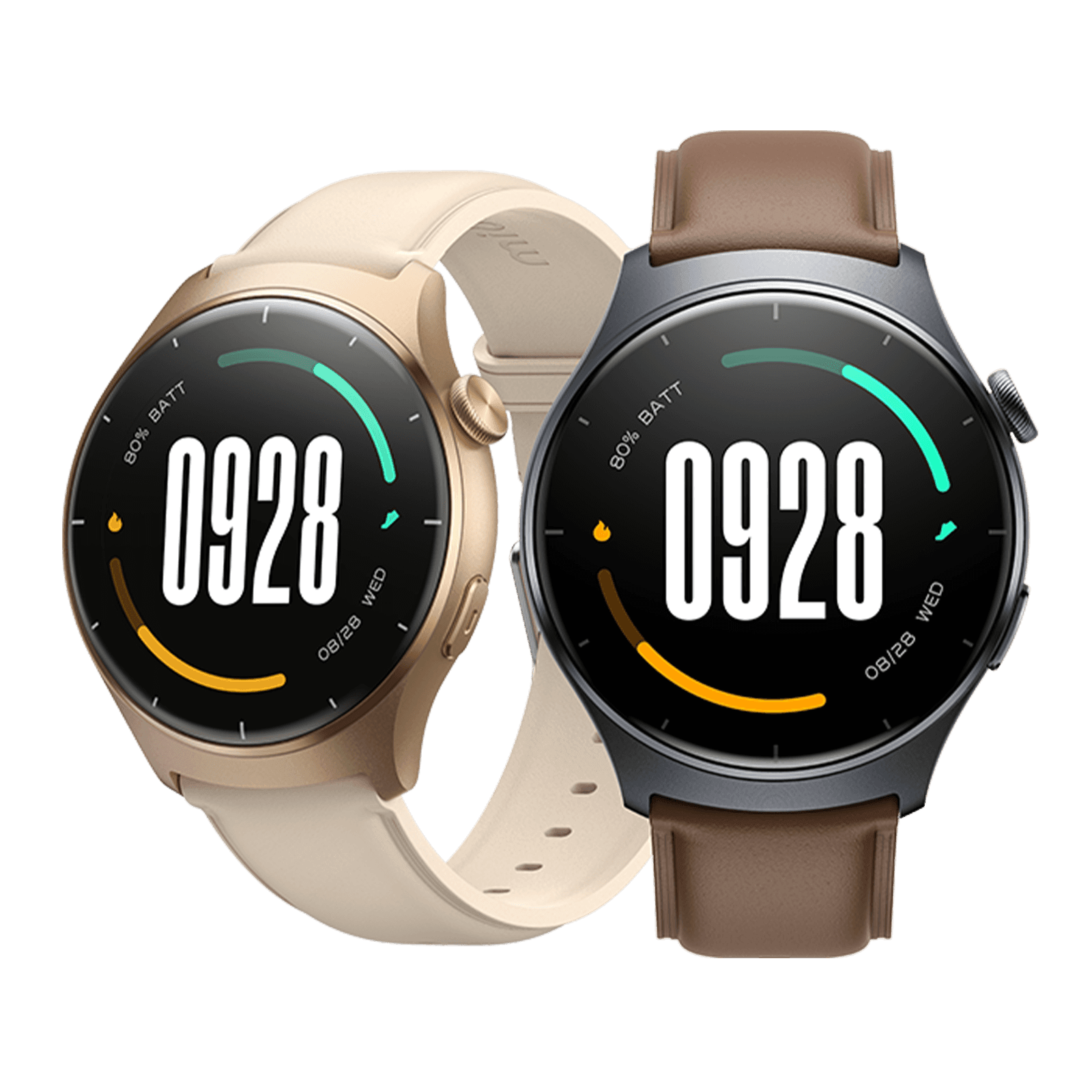
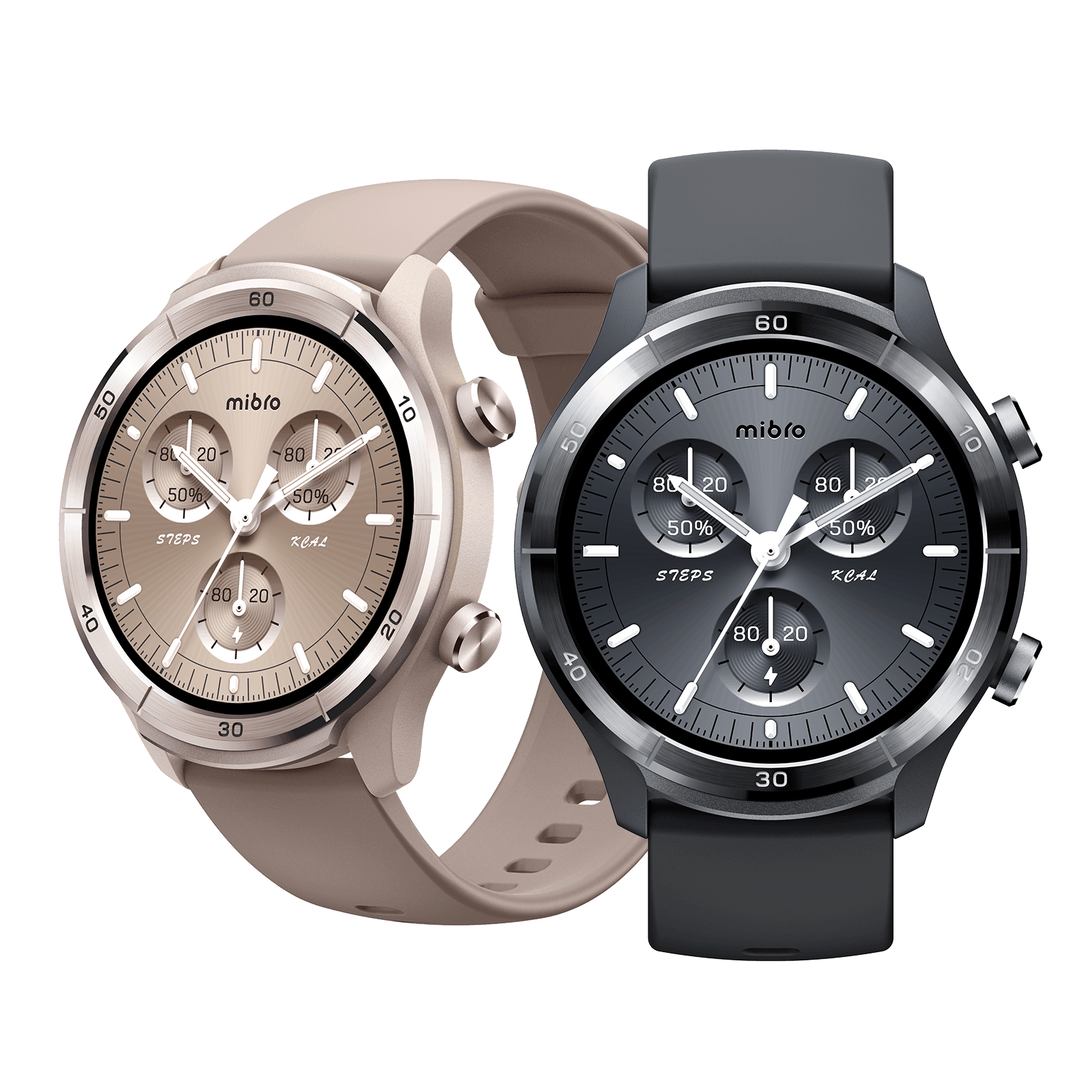

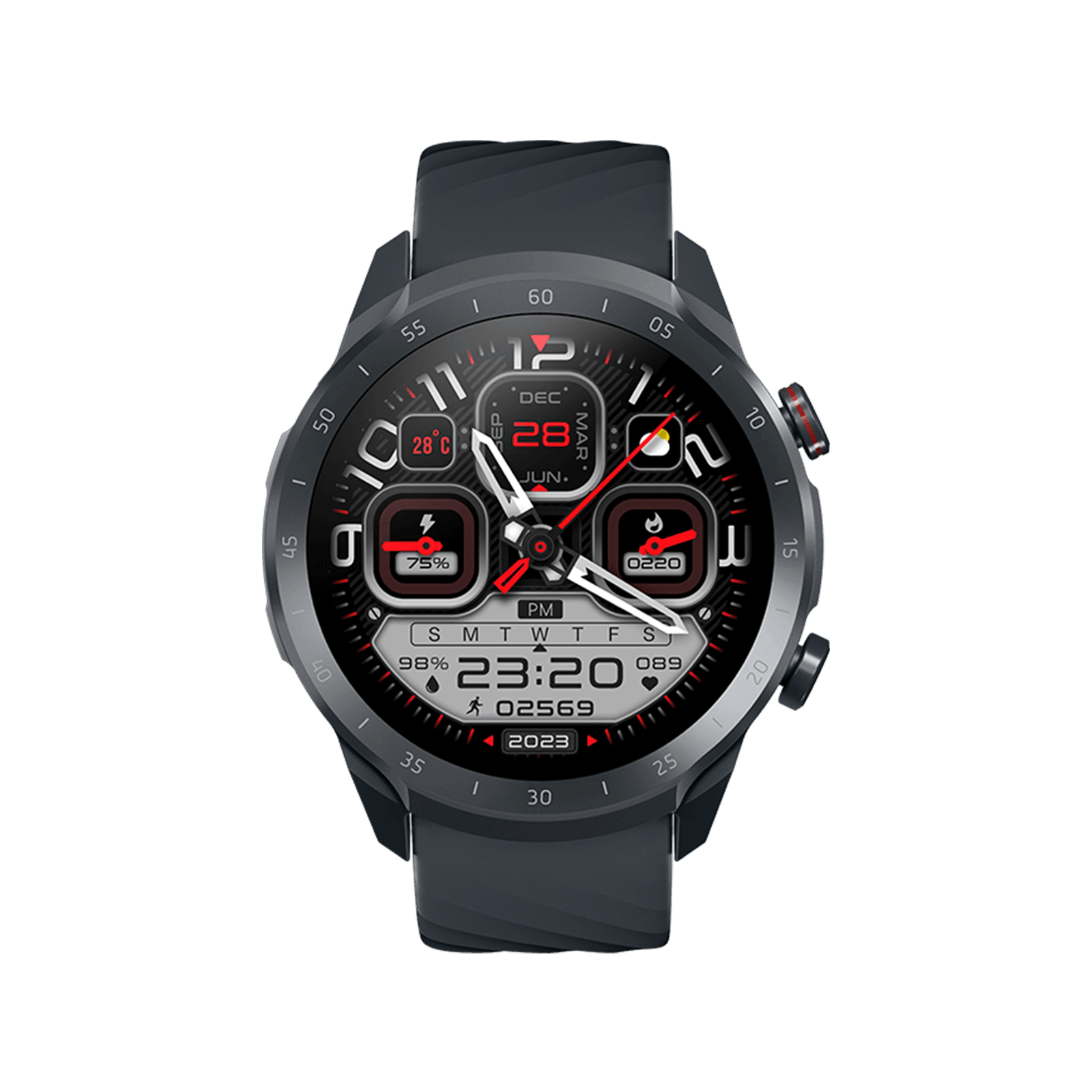
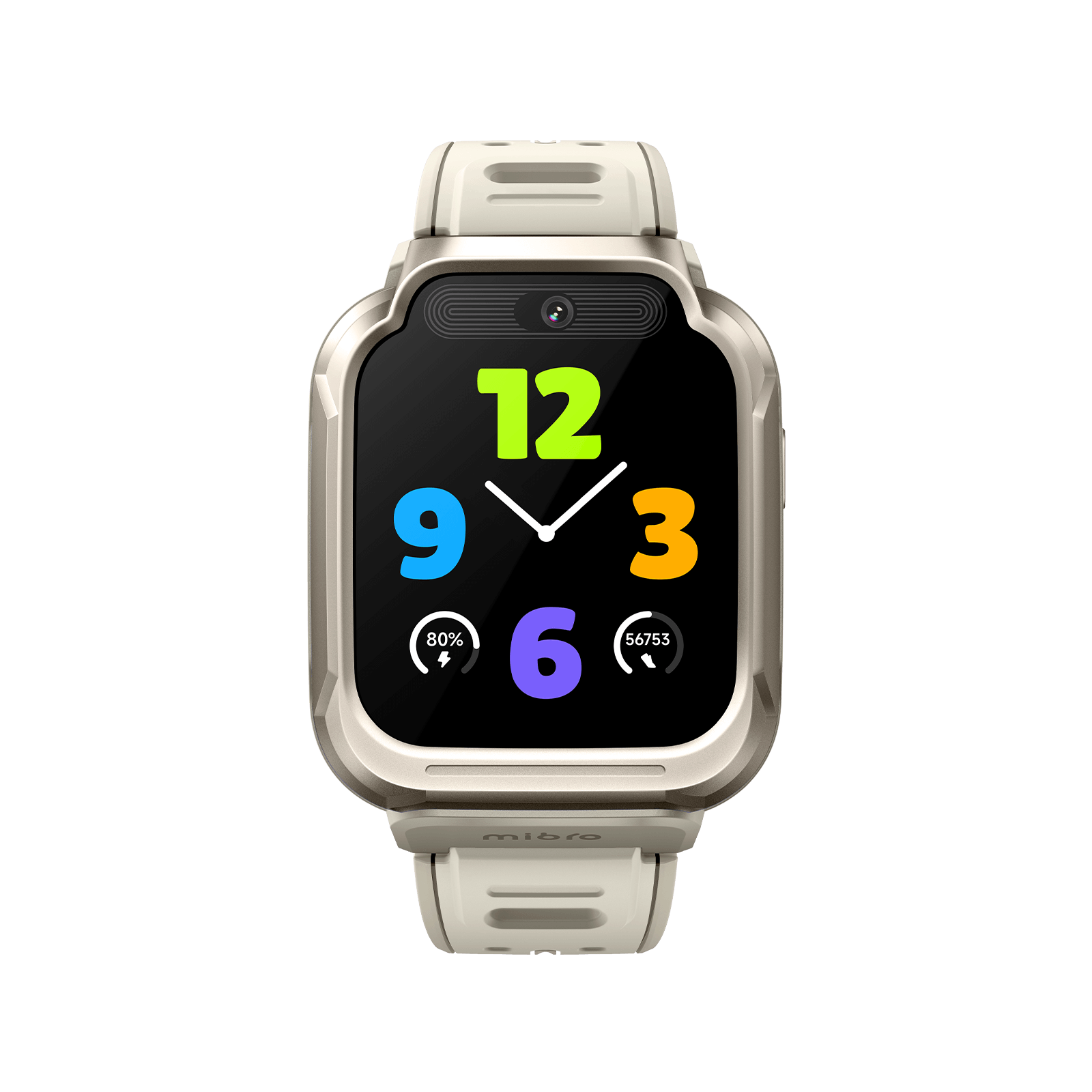





When shopping for a smart display, whether for a smartphone, tablet, smartwatch, or TV, you've likely encountered both OLED and AMOLED as premium options. Technically, AMOLED is a subset of OLED; both use organic compounds that emit light when energized, eliminating the need for a backlight. This shared foundation delivers deep blacks and vivid colors.
Yet, the "active matrix" driving AMOLED introduces distinct performance traits. Understanding the AMOLED vs OLED debate starts with their core architectures, but the real question is how each behaves in daily use across different devices. To help you out, this guide breaks down the key differences between OLED and AMOLED, from power efficiency to outdoor visibility, so you can decide which display truly fits your lifestyle.
What is AMOLED
AMOLED stands for Active-Matrix Organic Light-Emitting Diode. To understand the AMOLED meaning, it helps to break it down: OLED refers to the organic light-emitting technology itself, while AM (Active-Matrix) describes how each pixel is controlled.
Unlike traditional LCD screens that rely on a backlight to illuminate the display, AMOLED is self-emissive; each pixel generates its own light. The AMOLED screen is made up of tiny organic compounds that emit red, green, or blue light when electricity passes through them. A thin-film transistor (TFT) backplate actively controls the current flowing to each pixel, allowing for precise and independent brightness control.
Each pixel contains three sub-pixels (red, green, and blue). By adjusting the voltage to each sub-pixel, the display can mix these three primary colors to produce millions of colors. Because each pixel is individually controlled, pixels displaying black can simply turn off completely—resulting in true, deep blacks rather than the grayish blacks seen on LCDs.

Source from: en.wikipedia.org/wiki/AMOLED
Advantages of AMOLED for smart devices:
- Vivid colors and high contrast: AMOLED delivers punchy, saturated colors and exceptional contrast ratios, making everything from photos to UI elements pop with incredible visual depth—whether on a smartphone, smartwatch, or tablet.
- Power efficiency: Since pixels only consume power when they're lit, displaying dark themes or using dark mode can significantly reduce battery drain across all device types.
- Thin and flexible: AMOLED panels are much thinner than LCDs (roughly one-third the thickness), enabling sleeker designs for phones, wearables, and even foldable screens.
- Excellent outdoor visibility: Modern AMOLED displays can reach high peak brightness levels (up to 3,000 nits on some models), making them readable even in direct sunlight—a crucial advantage for outdoor use on phones and smartwatches.
- Fast response times: With response times as low as 0.1ms, AMOLED handles animations and gaming smoothly, critical for interactive interfaces and fitness tracking watch experiences.
Disadvantages to consider:
- Higher power consumption: While AMOLED saves power on dark screens, displaying bright, colorful content or using the always-on display feature can drain battery life significantly—something to consider if you keep your screen bright often.
- Higher manufacturing cost: The complex production process makes AMOLED more expensive than LCD alternatives, which is why it's typically found in premium devices.
- Burn-in risk: Because organic materials degrade over time, static elements, like always-on time displays or navigation buttons, can leave faint ghost images if left unchanged for extended periods.
What is OLED
OLED stands for Organic Light-Emitting Diode. To grasp the OLED meaning, think of it as a display technology where each individual pixel produces its own light using organic (carbon-based) materials. Unlike traditional LCD screens that require a backlight to illuminate the entire panel, OLED is self-emissive—each pixel generates light independently when electricity passes through it.
How does OLED work?
An OLED display consists of several thin layers sandwiched between two electrodes. When voltage is applied, electrons move from the cathode to the emissive layer, while "holes" travel from the anode to the conductive layer. When these electrons and holes meet in the emissive layer, they release energy in the form of light. The color of that light depends on the specific organic molecules used. Each pixel contains red, green, and blue sub-pixels that can be turned on or off independently to create images.

Source from: en.wikipedia.org/wiki/OLED
Advantages of OLED for smartwatches:
- True blacks and infinite contrast: Since each pixel can turn off completely to display black, OLED delivers deep, true blacks rather than the grayish tones seen on LCDs. This creates a stunning contrast that makes content — from movies to app interfaces — visually striking on any screen.
- Power efficiency for dark themes: Because pixels only consume power when they're lit, using dark interfaces can significantly extend battery life. For always-on displays, only the necessary pixels light up, saving energy.
- Ultra-thin and lightweight: OLED panels can be as slim as 1mm, enabling sleek, modern designs for smartphones, wearables, and TVs.
- Excellent color reproduction: OLED produces vivid, saturated colors and high resolutions, making videos, maps, and notifications crisp and easy to read.
- Fast response times: With near-instantaneous pixel switching, OLED handles animations and scrolling smoothly, ideal for interactive devices like phones and tablets.
- Flexibility potential: OLED can be made flexible or even bendable, opening doors for curved and foldable displays in innovative gadgets.
Disadvantages to consider:
- Burn-in risk: Because organic materials degrade over time, static elements like always-on clock displays or persistent UI icons can leave permanent ghost images. This is particularly relevant for smartwatches and phones that often show fixed information.
- Higher manufacturing cost: OLED production is more complex and expensive than LCD, which is why OLED remains more common in premium smartwatches and flagship phones.
- Material degradation over time: The organic compounds in OLED displays gradually lose brightness and color accuracy with prolonged use, though modern panels have improved longevity significantly.
AMOLED vs OLED: What's the Difference?
All AMOLED displays are OLED, but not all OLED displays are AMOLED, and the fundamental difference between OLED and AMOLED lies in how pixels are controlled. AMOLED is essentially OLED with an active-matrix TFT backplane, and that extra layer of technology makes a real-world difference across multiple performance dimensions.
Here's a breakdown of the key differences of AMOLED vs OLED:
Brightness
OLED: Traditional OLED panels generally offer moderate brightness levels. While excellent for indoor use, they can struggle in direct sunlight. However, recent advancements have pushed the boundaries significantly — LG Display's fourth-generation OLED panels now reach a peak brightness of up to 4,000 nits, and Samsung's QD‑OLED panels have surpassed 4,000 nits as well.
AMOLED: AMOLED displays typically achieve higher peak brightness, making them significantly better for outdoor visibility. Modern AMOLED panels routinely exceed 3,000 nits. Samsung's latest OCF AMOLED panels for mobile devices can reach 5,000 nits peak brightness in 10% of the screen area, while delivering 3,000 nits during video playback — a 1.5× brightness improvement over previous-generation AMOLED panels.
Resolution and Sharpness
OLED: Passive-matrix OLED is generally limited in resolution because of how pixels are addressed sequentially. This makes it suitable for simpler displays (like basic fitness bands) but not ideal for high-density screens.
AMOLED: The active-matrix approach enables much higher resolutions and pixel densities. The TFT backplane allows for precise control over each pixel, supporting higher pixel counts without compromising performance. Modern AMOLED smartphone panels routinely feature QHD+ resolutions of 1440×3120 or higher.

Source from: en.wikipedia.org/wiki/AMOLED
Refresh Rate
OLED: Standard OLED panels have improved significantly but historically offered more limited refresh rate capabilities. Modern OLED panels can support high refresh rates, but performance varies widely by implementation.
AMOLED: AMOLED displays natively support much higher refresh rates thanks to the active TFT backplane, enabling faster pixel response. For smartwatches, ViP AMOLED panels can dynamically switch between 1–60Hz to balance performance and power, while smartphone AMOLED panels support 1–120Hz or higher. LTPO (Low-Temperature Polycrystalline Oxide) backplane technology, now penetrating 92% of high-end smartphones, allows refresh rates to drop as low as 1Hz for static content like always-on displays.
Color Reproduction
OLED: OLED displays are known for excellent contrast and wide viewing angles. Because each pixel emits its own light, OLED delivers deep blacks (pixels turn off) and natural color accuracy. Color gamut typically covers 98–100% of sRGB.
AMOLED: The active-matrix control enables more precise per-pixel brightness and color management. AMOLED color gamut areas can reach 140–150% of standard-defined ranges, with color saturation reaching 105% compared to LCD's 70%. And Super AMOLED displays are now approaching 100% NTSC color gamut.
Power Consumption
OLED: OLED saves power when displaying dark content because black pixels are simply turned off. In typical smartphone usage scenarios (dark themes, short video playback, and always-on display), OLED consumes 15%–30% less power on average than LCD. At 500 nits while displaying a pure black screen, an OLED module's power consumption is only 12%–18% of that of an LCD.
AMOLED: AMOLED is generally more power-efficient overall, especially when displaying darker interfaces. Research shows that Dynamic AMOLED can achieve energy savings of up to 72.49% compared to PLS TFT LCD technology. Samsung's latest OCF AMOLED panels reduce power consumption by 37% compared to previous Eco²OLED technology, while removing the polarizer cuts overall panel power consumption to just 63% of traditional OLED panels.
Response Time
OLED: OLED already offers excellent response times compared to LCDs, typically ≤1 microsecond, which is roughly 1,000× faster than LCDs' 10+ millisecond response times.
AMOLED: AMOLED response times are measured in microseconds (typically <10 microseconds)—thousands of times faster than LCD panels. This near-instantaneous pixel switching eliminates motion blur.
Manufacturing Complexity
OLED: OLED displays, particularly passive-matrix OLED (PMOLED), have a simple structure and are easy to produce. They use few control components and involve less complicated manufacturing steps, making them suitable for small screens and lower-cost applications.
AMOLED: AMOLED panels require an active matrix of thin-film transistors (TFTs) to control each individual pixel. This additional backplane significantly increases manufacturing complexity, requiring more precise photolithography, deposition, and alignment processes.
AMOLED vs OLED: Side-by-side Comparison
To help you quickly visualize the difference between OLED and AMOLED, here's a side-by-side comparison across all the key specifications we've discussed:
| Feature | AMOLED | OLED |
|---|---|---|
| Technology | Active-Matrix Organic Light-Emitting Diode | Organic Light-Emitting Diode |
| Pixel Control | Active-matrix (TFT backplane per pixel) | Passive-matrix (row-by-row addressing) |
| Brightness | Up to 5,000 nits | Up to 4,000 nits |
| Resolution | Higher | Limited |
| Refresh Rate | 1–120Hz (smartphones) 1–60Hz (smartwatches) up to 260Hz (gaming) |
Standard (1Hz for AOD supported) |
| Color Saturation | More vivid and punchy | Natural and accurate |
| Power Efficiency | More efficient with dark content | Efficient with dark content |
| Response Time | <10 microseconds | ≤1 microsecond |
| Manufacturing Cost | Higher (~2.5× LCD) | Lower (simpler than AMOLED) |
| Burn-in Risk | Present (with software mitigation) | Present |
| Common Applications | smartphones, smartwatches, tablets, gaming devices | Fitness bands, basic wearables, TVs |
| Advantages | Superior brightness, High refresh rates, Wide color gamut, Fast response, Good outdoor visibility | True blacks, Excellent contrast, Good color accuracy, Low cost & simple design, Power-efficient with dark themes |
| Disadvantages | High cost, Burn-in risk, Complex manufacturing | Limited resolution and refresh rates, Lower peak brightness, Slow response times |
Which Display is Better on a Smart Device?
When it comes to real-world performance, both OLED and AMOLED deliver stunning visuals that far surpass traditional LCDs. In everyday usage — checking notifications, browsing social media, watching videos, or glancing at your smartwatch — the differences are often subtle. True blacks, vivid colors, and excellent contrast are common strengths; most users would be hard-pressed to spot a clear winner side‑by‑side without a magnifying glass.
Much of the OLED screen vs AMOLED debate is fueled by marketing. Manufacturers love to hype "Super AMOLED" or "Dynamic AMOLED" as revolutionary, but in practice, a well‑tuned OLED panel can look every bit as impressive as an AMOLED one. The technology has matured to the point where both deliver flagship‑worthy experiences. Don't let branding alone sway your decision.
So, which should you choose? Let practicality guide you:
- Budget first: If you're on a tighter budget, a quality OLED display offers 90% of the visual benefits at a lower cost. It's more than enough for most users.
- Outdoor use: If you frequently use your phone or smartwatch in bright sunlight, AMOLED's higher peak brightness gives a clear edge.
- Gaming and scrolling: For mobile gamers or heavy multitaskers, AMOLED's higher refresh rates (up to 120Hz or beyond) provide smoother, more responsive interactions.
- Battery life: Both are efficient with dark themes, but if you prefer bright interfaces, OLED can be slightly gentler on battery at moderate brightness levels.
For tech enthusiasts who crave the absolute latest—like 5,000‑nit peak brightness or 260Hz refresh rates—AMOLED's cutting‑edge variants are exciting. However, remember that premium features come with premium prices, shorter battery life under heavy load, and persistent burn‑in concerns. Approach the latest panels with informed enthusiasm, not blind hype.
How to Choose Between AMOLED and OLED
AMOLED is a refined form of OLED, so choosing between these two display technologies isn't about picking a "winner". It's about matching the screen to how you actually use your device.
When to Choose AMOLED
Choose AMOLED if your priorities lean toward performance and outdoor visibility:
- You spend a lot of time outdoors. AMOLED's higher peak brightness makes sunlight readability far superior, ideal for smartphone users who work or exercise outside, and for smartwatch wearers who glance at their wrist in direct sun.
- You're a gamer or a heavy scroller. With refresh rates up to 120Hz, AMOLED delivers butter‑smooth animations and zero motion blur. If you play fast‑paced games or navigate through social media relentlessly, this matters.
- You love punchy, vibrant colors. AMOLED's wider color gamut and higher saturation make photos, videos, and watch faces pop. If you prefer a more vivid "wow" factor over natural accuracy, AMOLED is your ally.
- You want the slimmest, most flexible design. AMOLED panels are thinner and can be bent or folded — perfect for flagship foldable phones or ultra‑sleek smartwatches.
- You don't mind paying a premium. AMOLED devices usually cost more, but you're getting cutting‑edge brightness, refresh rate, and resolution that future‑proof your purchase.
When to Choose OLED
Choose OLED if your priorities lean toward value and practicality:
- You're on a budget. OLED delivers stunning contrast and true blacks at a more accessible price point. For everyday tasks—social media, messaging, video calls—it performs beautifully without breaking the bank.
- You prefer natural colors. Not everyone loves oversaturated visuals. If you're a photographer, designer, or simply someone who values color fidelity, a well‑calibrated OLED offers excellent accuracy.
- You don't need extreme brightness. If most of your use happens indoors or in moderate light, OLED's brightness is already more than enough.
- You want better battery life with bright content. OLED tends to consume slightly less power than AMOLED when displaying light‑colored interfaces at moderate brightness. For a bright theme choice, OLED might give you a small battery edge.
- You're buying a basic wearable. For simple fitness bands or entry‑level smartwatches, OLED is cost‑effective and perfectly adequate for displaying time, steps, and notifications.
FAQs About AMOLED vs OLED
Is OLED or AMOLED better for your eyes?
Neither is better for your eyes, as AMOLED is simply a more advanced type of OLED technology. Both share the same core advantages and limitations in terms of eye comfort, so their impact on eye strain depends largely on how the device manufacturer implements features such as brightness control, dimming technology, and blue light reduction.
Is AMOLED more expensive than OLED?
Yes, AMOLED is generally more expensive to manufacture and purchase than standard OLED displays. This higher cost is mainly due to its more complex panel architecture. While traditional OLED panels may use a passive matrix (PMOLED) or a simpler driving system, AMOLED relies on an Active Matrix (AM) backplane. In this structure, each individual pixel is controlled by its own thin-film transistor (TFT) and capacitor, which improves performance and efficiency but also increases production complexity and manufacturing costs.
Will AMOLED and OLED screens suffer from burn-in?
Yes, both AMOLED and OLED displays can still experience burn-in, as it is an inherent limitation of the organic materials used in these panels. However, the risk is significantly lower in modern devices compared with earlier generations, thanks to improvements in display manufacturing, material durability, and software-based protection technologies.


2 comments
O
Best, most in-depth article ever. Bless you
Best, most in-depth article ever. Bless you
DAVID C JOHNSTON
I challenge you to suggest any smartphones that have OLED displays… It’s just marketing they’re actually all AMOLED.
I challenge you to suggest any smartphones that have OLED displays… It’s just marketing they’re actually all AMOLED.