 Skip to content


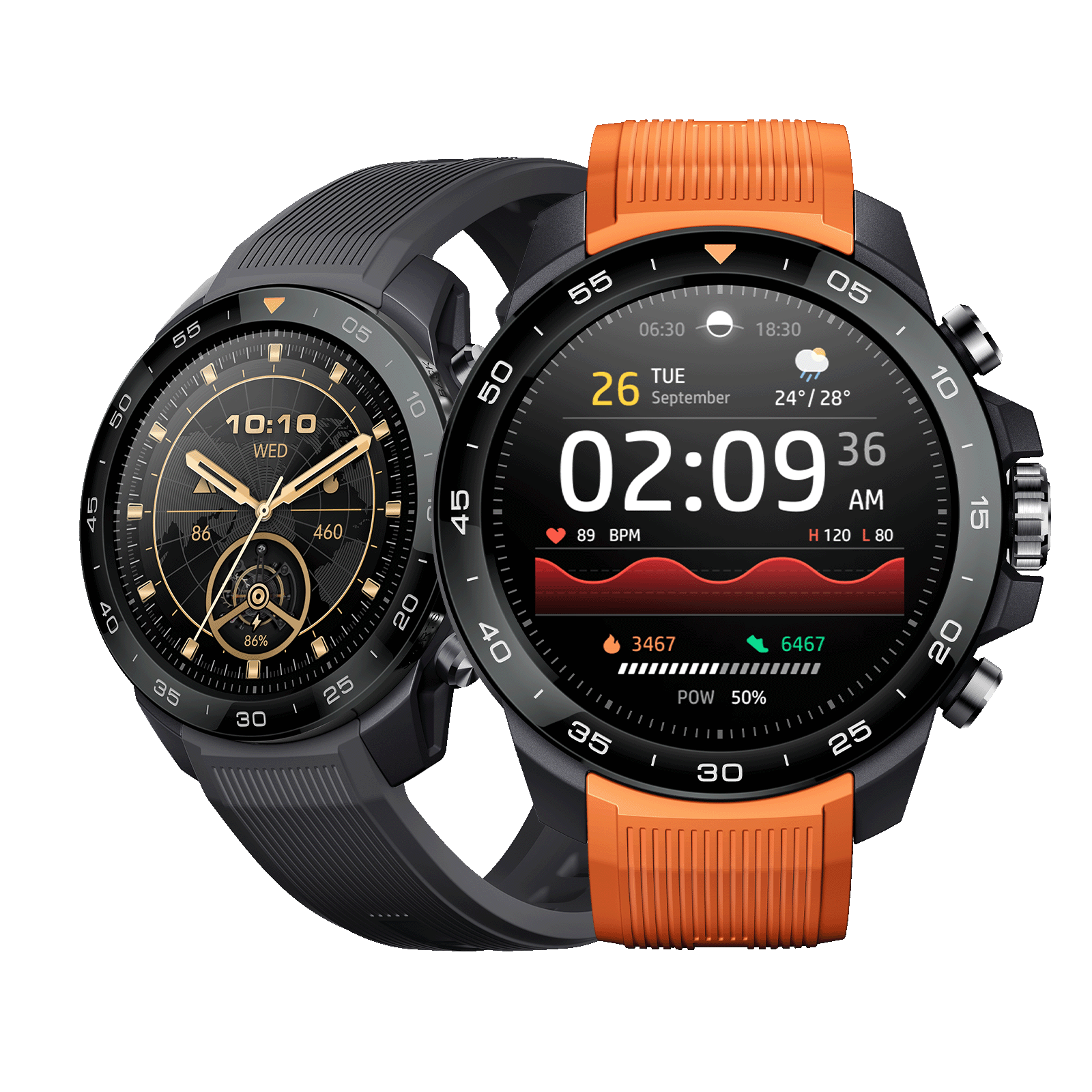
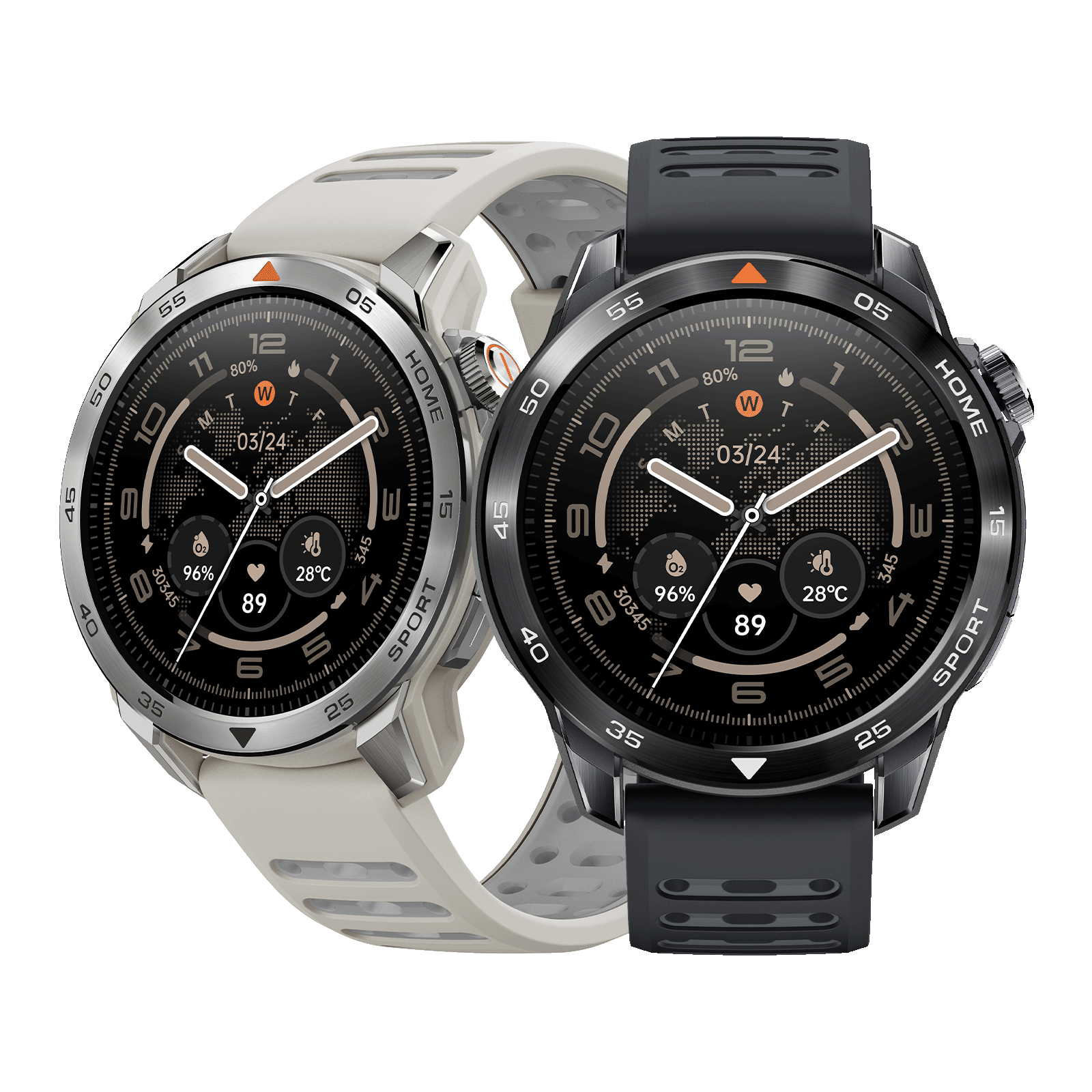
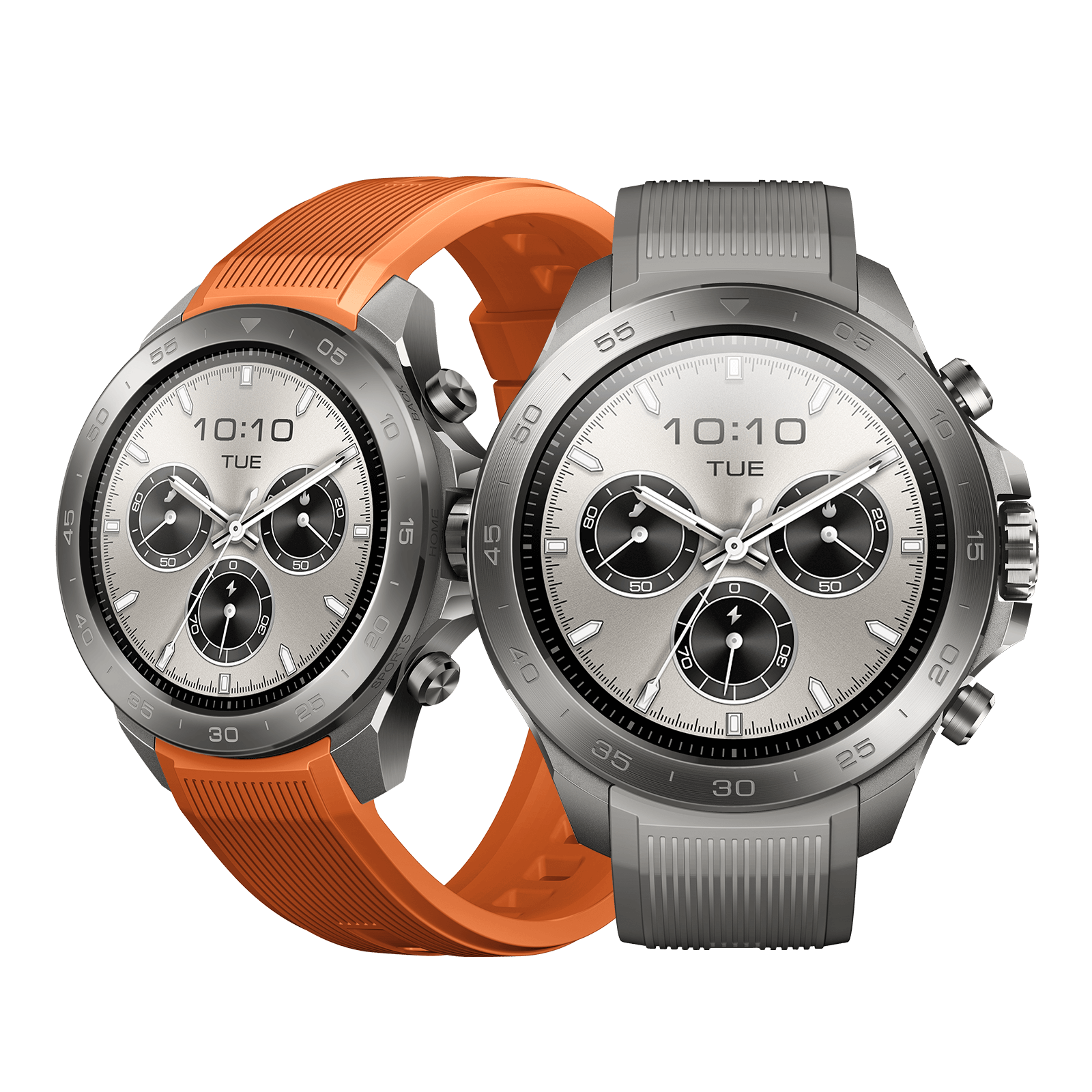


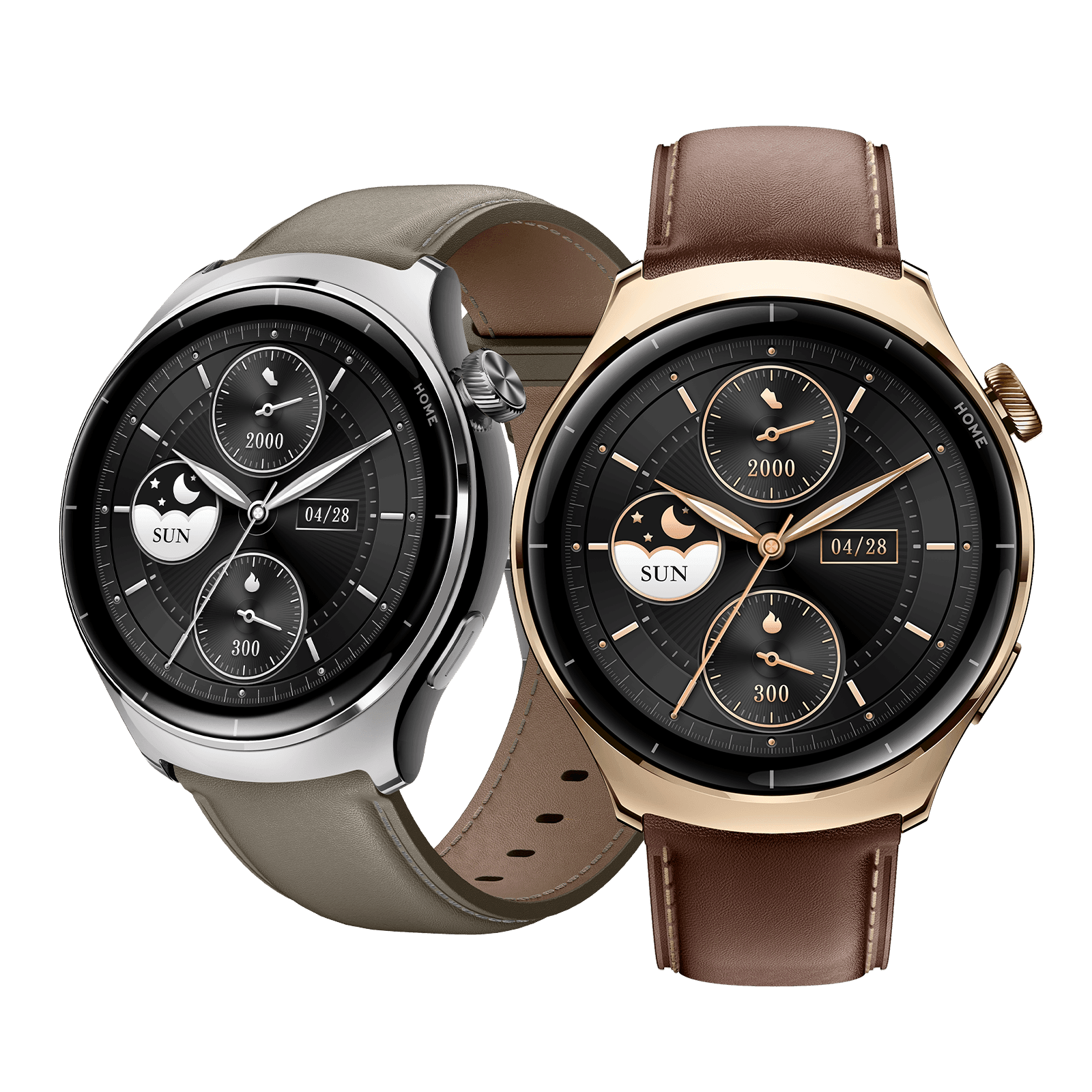
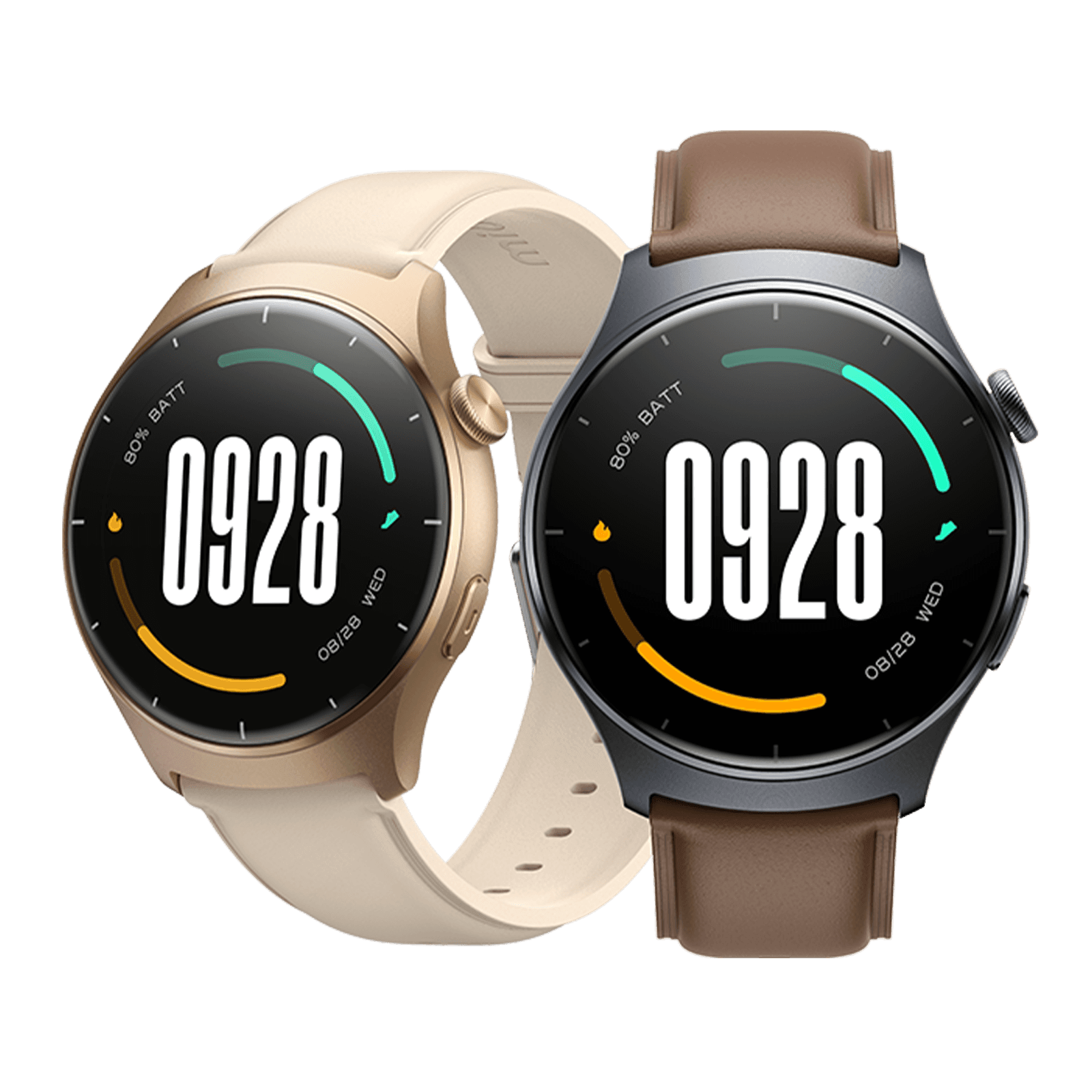
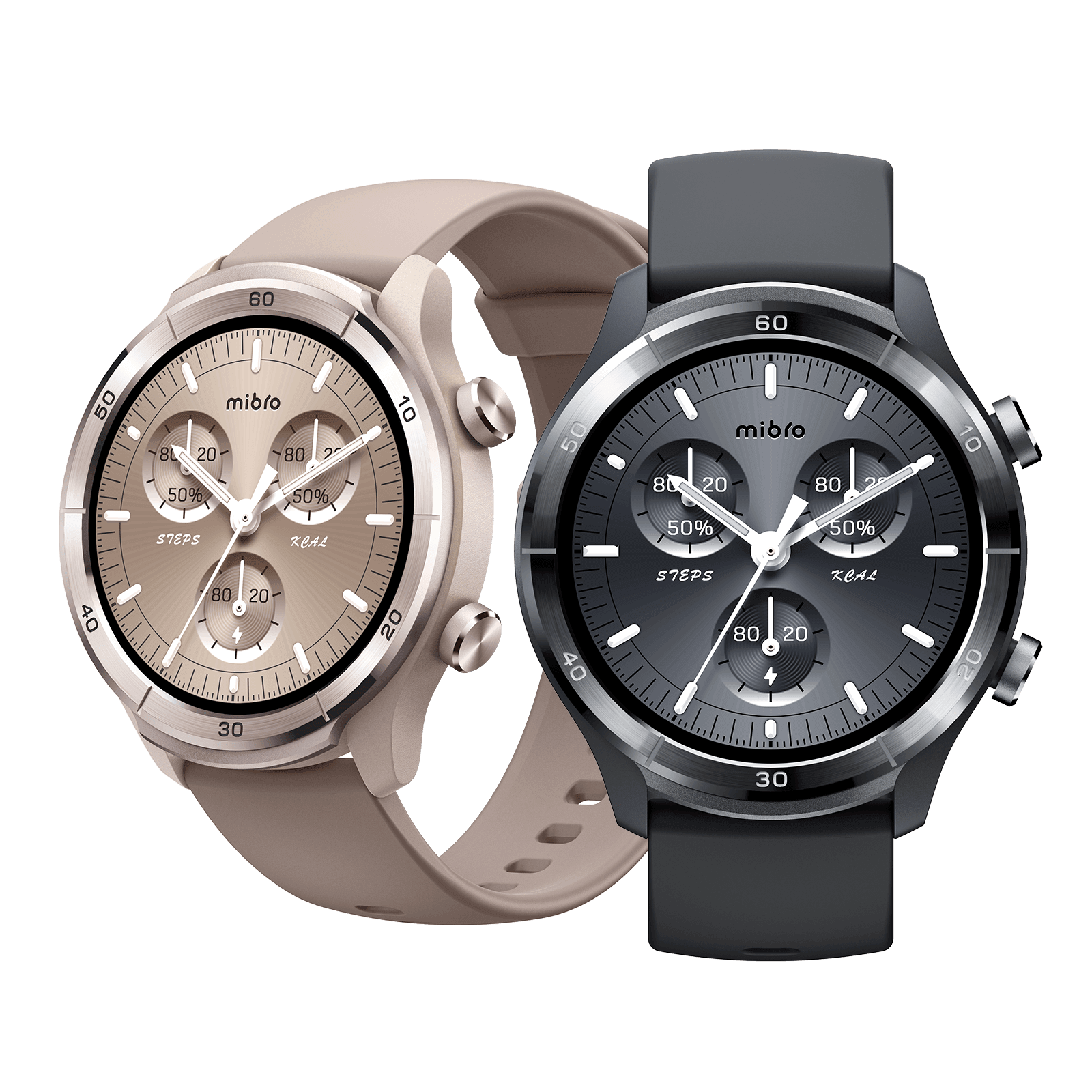
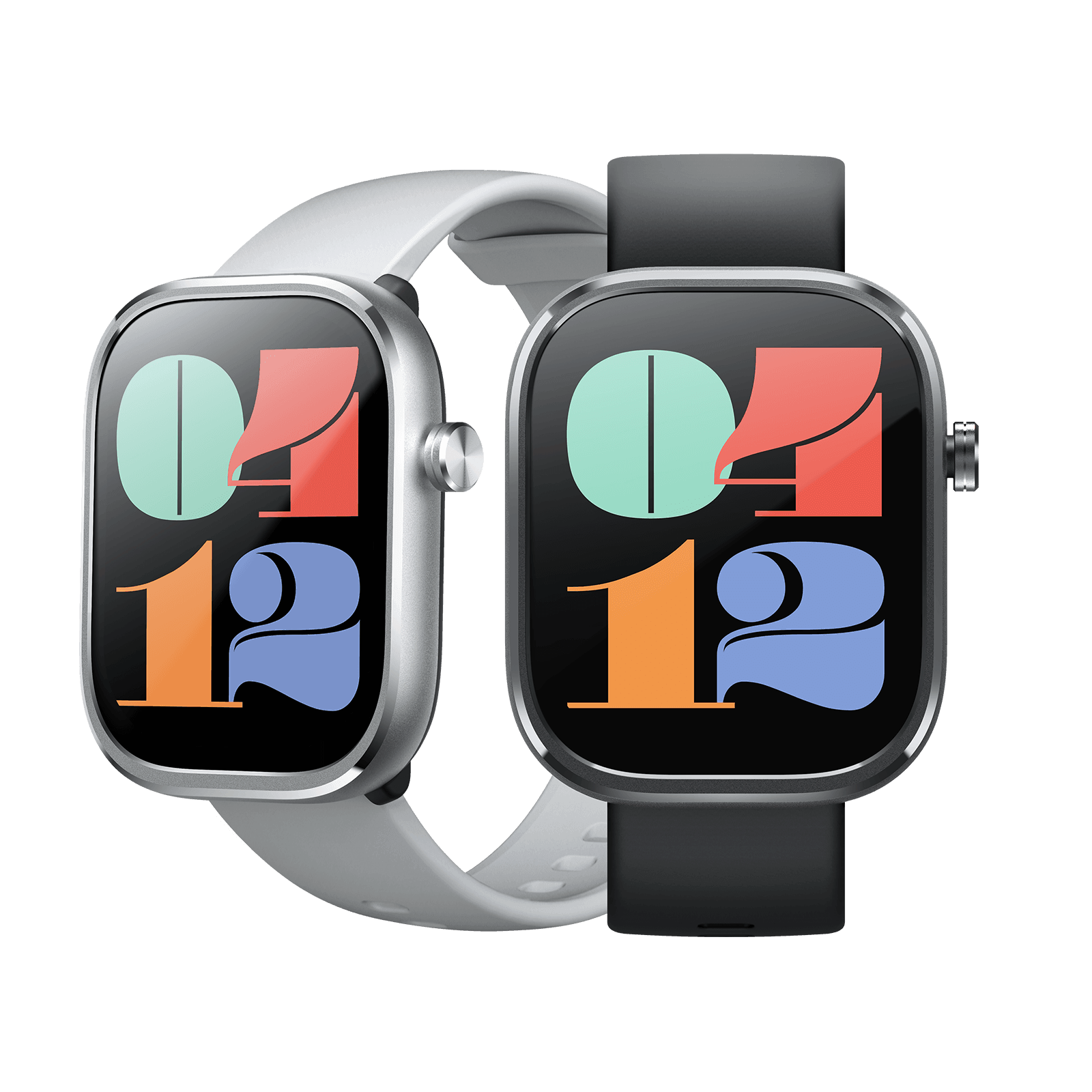




What is an AI coach? Simply put, it is an intelligent system that uses artificial intelligence to design, adjust, and explain workouts based on your personal data, goals, and schedule. Unlike generic workout plans, an AI fitness coach can adapt as you improve, flag when recovery is needed, and answer questions about your training in plain language. Whether you wear a smartwatch or prefer a phone app, these AI coaching tools make personalized plans more accessible than ever. From wearable-based systems to standalone coaching apps and general AI platforms, here's a closer look at the tools that can help customize your fitness journey.
You May Also Like:
3 Wearable-Based AI Coaches
To make training more targeted, many wearable brands have built AI coaching directly into their devices. These AI coaching tools combine sensor data from your wrist, giving you feedback tied to your actual performance rather than a one-size-fits-all template.
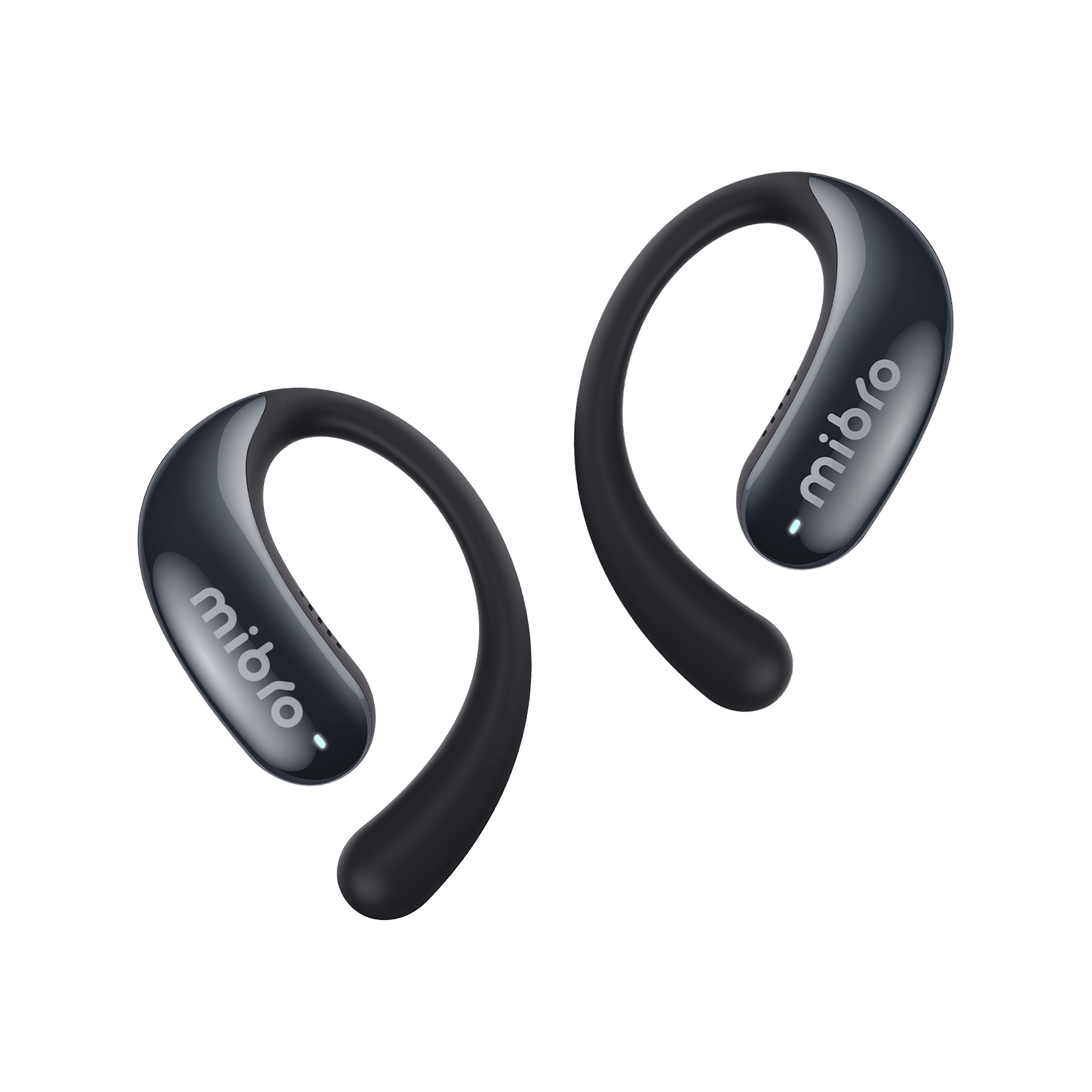
1. Mibro Coach
- What you need: Mibro AeroPace (Focus on Running)
- App: Mibro Fit
- Subscription: 30-day free trial, then $4.99/month or $39.99/year
Mibro Coach goes beyond basic workout tracking by evaluating your running ability through VDOT, estimated VO₂ max, and race-time predictions from 5K to the marathon. Based on your goals and current fitness, it offers over 20 training plans ranging from 4 to 20 weeks, with daily workouts that adapt to your sleep, fatigue, and training status.
After each run, it analyzes running dynamics, training load, HRV, and sleep quality to highlight your progress and areas for improvement. You can also choose from five AI coach personalities and use natural, back-and-forth conversations to discuss your training and get guidance along the way. By bringing performance assessment, adaptive planning, and post-run insights together, Mibro Coach offers a more data-driven AI fitness coach for runners who want to understand their performance and train with greater purpose.

2. Google Health Coach
- What you need: Fitbit or Google Pixel Watch
- App: Google Health app
- Subscription: $9.99/month or $99/year
Built with Google Gemini, Google Health Coach acts as a personal trainer that creates workout plans around your goals, fitness level, and daily routine. Rather than following a rigid schedule, it sets weekly targets and suggests daily workouts based on your readiness, progress, and even local weather. Its guided workouts also provide step-by-step instructions and automatically track your progress, helping you stay on course as your fitness improves.
For better recovery, you can also explore tracking sleep within this AI health coach app. Beyond exercise, it connects fitness data with sleep patterns, nutrition, menstrual cycle tracking, and mental well-being to offer more personalized lifestyle guidance. As an AI coaching tool, it is particularly suited to Fitbit and Pixel Watch users who want support that extends beyond workouts.

3. WHOOP AI
- What you need: WHOOP 5.0 wearable
- App: WHOOP app
- Subscription: From $199/year
Instead of telling you what to do on day one, this AI coach learns your body over weeks and months, using Sleep, Strain, and Recovery metrics to build a personalized baseline. The system then uses natural language explanations to help you understand your numbers—why today's recovery score matters and how it should shape your intensity.
This AI communication coach is particularly strong at translating complex biometric data into actionable advice, whether that means pushing through a high-strain session or prioritizing rest. For deeper context, you can also explore post-workout recovery principles that complement WHOOP's recommendations. Athletes who want to train with awareness rather than just follow a schedule will find this AI coaching tool especially valuable.

4 AI Coaching Tools & Apps
If you don't want to invest in wearables, standalone AI coaching apps offer a more affordable entry point. These tools use self-reported data and optional device syncing to build plans, with the flexibility to work across multiple sports and goals.
1. Athletica.ai
- Platforms: iOS, Android, Web
- Pricing: 2-week free trial, then $19.90/month, $99/6 months, or $189/year
Athletica.ai is designed for endurance and hybrid athletes who want adaptive training rather than generic workout plans. Supporting running, cycling, triathlon, rowing, duathlon, and HYROX, it assesses your fitness to establish personalized training zones, then adjusts upcoming sessions based on completed workouts, training load, fatigue, and recovery.
What sets this AI coach apart is its conversational AI Coach, which combines a curated sports science knowledge base with access to your training data to explain performance metrics and answer questions based on your actual progress. You can also learn more about what VO₂ max is and its role in endurance performance. This AI coaching app is ideal for athletes who want to understand the reasoning behind their training, not just follow a fixed workout plan.

2. HumanGO
- Platforms: iOS, Android
- Pricing: 14-day free trial, then Essential $16.99/month or Premium $28.99/month
HumanGO centers on a digital coach named Hugo, designed to fit around your real life rather than the other way around. If you miss a session or your schedule changes, the app automatically reshuffles your plan instead of marking you down as off track. It also syncs with wearable data, including training load and HRV, to fine-tune intensity. Understanding your heart rate zones is key to making better sense of your readings. This AI fitness coach excels at flexibility; whether you're a runner, cyclist, or triathlete, it bends around your week rather than forcing you to adapt to a rigid template. The Premium tier adds multi-sport support and more advanced customization for triathletes and performance-focused athletes.

3. AI Endurance
- Platforms: Web, iOS, Android
- Pricing: 14-day free trial, then ~$20/month or ~$200/year
AI Endurance takes a data-driven approach to endurance training. Its Digital Twin technology uses a neural network trained on your workout history to learn how your body responds to different training loads and recovery. Instead of modifying a pre-made plan, it builds one around your fitness, race goals, and available training time, then updates it as your data changes. It also uses metrics like HRV, resting heart rate, and DFA a1 to assess recovery, training readiness, and performance thresholds. This AI fitness coach is ideal for runners, cyclists, and triathletes who want training plans based on real performance data. As an AI coaching app, it connects with Garmin, Wahoo, Strava, and other platforms to sync workout data and planned sessions, reducing the need for manual logging.
4. FitnessAI
- Platforms: iOS, Android
- Pricing: $89/year (Premium Plan)
FitnessAI focuses on strength training, using AI coach to guide progressive overload as you get stronger. Built on data from millions of real training sessions, its algorithm learns from every workout you log and adjusts recommended reps and weights based on your performance. When a weight feels too easy, it can increase the challenge; when you struggle, you can adjust your input to help the AI refine future recommendations. The AI coaching app also provides guided exercise videos and adapts workouts to your available equipment, whether you train at the gym or at home. Ideal for weightlifters who want clear training guidance without planning every set themselves, FitnessAI makes it easier to track strength gains and progress over time.

3 General AI Platforms for Training
Beyond dedicated fitness tools, general-purpose AI platforms can also provide surprisingly useful training guidance. While they lack specialized sports data integration, their flexibility makes them powerful for brainstorming, troubleshooting, and building your own coaching framework.
1. ChatGPT
- Platforms: Web, iOS, Android, Desktop
- Pricing: Free tier available; ChatGPT Plus at $20/month
ChatGPT is a flexible AI coach for anyone who wants personalized fitness guidance without using specialized sports software. Simply describe your goals, fitness level, available time, and training preferences in plain language. You can ask it to create a beginner running plan, review your strength routine, or suggest workouts that fit your schedule.
With Health in ChatGPT, you can also connect Apple Health on your iPhone to bring in workout, activity, and sleep data. Information from apps like Strava and MyFitnessPal may also be available when shared through Apple Health. As an AI coaching platform, ChatGPT adapts its suggestions to your needs and offers support for running, strength training, and everyday fitness. It's a versatile training companion for users who want flexible guidance and a broader view of their health, though it doesn't replace professional medical advice.
2. Gemini
- Platforms: Web, iOS, Android
- Pricing: Free tier available; Google AI Pro at $19.99/month
Google Gemini offers a flexible way to build your own fitness AI coach with custom Gems. You can set instructions around your training goals, fitness level, dietary preferences, and available equipment, so you don't have to explain your needs every time. You can also add files to give your Gem more context. With connected Google apps, Gemini can fit workouts around your Google Calendar schedule and find exercise videos on YouTube. On Android, this AI fitness coach can also handle basic tasks in supported apps like Fitbit and Samsung Health, such as starting a workout or checking your heart rate and steps.
3. Manus
- Platforms: Web, iOS, Android
- Pricing: Free tier; paid plans starting at $20/month
Manus takes a different approach from traditional fitness apps. It is a general AI agent, not a dedicated AI fitness coach, and can research topics, organize information, and build tools based on your needs. For example, you can ask it to review sports science research and draft a 12-week marathon plan. It can also create a spreadsheet to track your running mileage, pace, strength workouts, and recovery. Beyond spreadsheets, Manus can build simple web apps and work with connected services like Google Sheets, depending on the access you provide.
This makes Manus a flexible AI coaching tool for athletes who want to explore training methods, organize workout data, or create their own tracking systems. However, it is better suited to research and custom tool building than ongoing, data-driven workout adjustments from a specialized fitness coach.
How to Choose the Right AI Training Coach
With so many options available, picking the right AI coach comes down to matching your actual training habits with what each tool does best. Here are the key factors to evaluate.
1. Start with your primary training goal.
Identify what you want to achieve. Whether your focus is running, strength training, weight loss, or overall fitness, choose an AI fitness coach that supports your specific goals. A tool designed for endurance training may offer more useful guidance for race preparation than a general workout planner.
2. Check how the plan actually adapts.
A good AI coach should do more than generate a fixed schedule. Check whether it adjusts workouts based on your training performance, progress, recovery, and changing schedule. Plans that respond to your actual activity can help you avoid doing too much or too little as your fitness changes.
3. Consider your existing devices and data.
Check whether the AI coaching app works with your smartwatch, fitness tracker, or other health apps. Access to workout, heart rate, sleep, and recovery data can make training suggestions more relevant. Also consider whether you need to enter information manually or can sync your existing data automatically.
4. Look for coaching depth, not just workout lists.
A useful AI coaching tool should explain why it recommends certain workouts, help you understand your performance, and answer questions about your training. Feedback on exercise technique, recovery, and progress can make it more valuable than an app that simply tells you what to do each day.
5. Calculate the real total cost.
Look beyond the advertised subscription price. Check which features are free, whether personalized plans or advanced insights require payment, and whether a compatible device is needed. Also compare subscription periods and renewal costs to see whether the AI training features you will actually use are worth the investment.
How Do AI Fitness Coaches Work
Behind every AI fitness coach is a system that turns raw data into structured, adaptive training. The process follows four layers:
1. Personal Onboarding
First, an AI fitness coach learns about you. It may ask about your age, fitness level, training experience, goals, weekly schedule, available equipment, and physical limitations. These details help establish your starting point and create a plan that fits your needs. The more relevant information you provide, the more useful its initial recommendations can be.
2. Data Collection and Integration
Next, the system collects information about your activity and performance. Depending on the platform, this may include heart rate, HRV, sleep, pace, training load, or workout records. Some tools get this data from connected wearables, while others rely on manual logging or third-party apps. Data quality and consistency matter more than simply having more data.
3. Training Recommendations
The system uses your personal information and recent activity to suggest workouts, training intensity, and recovery time. Different platforms use different algorithms, training rules, or AI models to generate recommendations. A conversational AI may also explain why a workout is suggested and help you adjust it to your needs. This is how an AI coaching platform turns training data into practical guidance.
4. Ongoing Feedback and Adjustments
After each workout, you can log what you completed and how you felt. An adaptive AI coach uses this feedback, along with available performance and recovery data, to refine future recommendations. Over time, this feedback loop helps keep your training plan aligned with your progress instead of leaving you with the same fixed schedule.
What Can an AI Coach Help You With
An AI fitness coach can support more than just workout planning. It can help you decide what to train, adjust your routine as your fitness changes, understand your performance, and stay motivated along the way.
- Planning: Creating structured workout schedules based on your fitness level, goals, available time, and equipment. Whether you're preparing for a race, building strength, or getting back into exercise, an AI coach can break your goal into manageable sessions and show you what to focus on each day.
- Adaptation: Adjusting your training as your performance and recovery change. For example, it may suggest a lighter session after a demanding week or gradually increase workout intensity when you're ready for more. This helps keep your plan challenging without pushing you beyond your current ability.
- Education: Helping you understand how training works and why certain exercises are included. You can ask about workout intensity, training zones, recovery methods, or performance changes and get explanations in simpler terms. This makes it easier to understand your progress and make better decisions about your training.
- Accountability: Helping you build a routine through workout reminders, progress tracking, and training feedback. Seeing how far you've come can make your efforts feel more rewarding, while clear daily targets give you a reason to keep going. These features also make an AI coaching platform useful for maintaining long-term training habits.
Benefits and Limitations of AI Coaching Tools
Benefits
- Lower cost than human coaching: A human personal trainer typically charges $50–$150 per session, while most AI coaching apps run $15–$30 per month for unlimited guidance.
- 24/7 availability: You can ask questions or adjust your plan at 10 PM on a Sunday, no scheduling required.
- Data-driven personalization: AI systems can track dozens of metrics and identify patterns you might miss on your own—like how your Monday fatigue correlates with your Sunday sleep.
- Fast adaptation: If your schedule changes or your recovery dips, the plan can adjust in minutes, not weeks.
- No ego or bias: The AI doesn't have a favorite workout or a coaching philosophy it's emotionally attached to—it prescribes what the data suggests.
Limitations
- No physical correction: An AI can't watch your squat form and tell you your knees are caving in. It can't spot you on a heavy lift.
- Data quality matters: Garbage in, garbage out. If you log inaccurate weights, skip recovery metrics, or ignore warning signs, the plan will drift off course.
- Context gaps: The AI doesn't know you had a stressful work presentation or a fight with your partner, both of which affect recovery beyond what wearables measure.
- No medical diagnosis: AI coaches cannot replace medical evaluation. If you have an injury, chronic condition, or unusual symptoms, always consult a healthcare professional.
- Emotional intelligence is limited: It can't read your frustration when you hit a plateau or celebrate your PR with genuine enthusiasm.
Bottom Line
The right AI fitness coach is the one that matches your goals, your budget, and how you prefer to train. Wearable-based systems like Mibro Coach offer deep data integration for runners who want their watch to drive the plan. Standalone apps like Athletica and FitnessAI provide specialized coaching for endurance athletes and lifters who don't want extra hardware. General platforms like ChatGPT and Gemini offer unmatched flexibility for hands-on users who like to shape their own training. Start by identifying your primary training goal, then choose the tool that fits that specialty, and remember, the best AI coach is the one you'll actually use consistently.

