 Skip to content












Padel is taking the world by storm. In just a few years (by 2025), participation has exploded from 8 million to over 35 million players, with more than 77,000 courts now in 150 countries. It's the fastest-growing racket sport, and chances are you've seen it on social media or heard friends rave about it. If you're one of the many asking "what is padel?" or curious about this padel sport and its playing rules, you are in the right place. This beginner's guide clears everything up, covering essential equipment, scoring, wall play, and practical padel game tips to get you on court with confidence.
What Is Padel Sport?
So, what is padel? Simply put, it's a racket sport that blends elements of tennis and squash. Played on an enclosed court about one-third the size of a tennis court, the game features glass or mesh walls that players can use to keep the ball in play and create strategic angles.
Padel is almost exclusively played in doubles — two players per team. The objective is straightforward: win points by making the ball bounce twice on your opponents' side of the court before they can return it, or by forcing them into errors such as hitting the ball into the net.
Scoring follows the same system as tennis — 15, 30, 40, game — with matches typically played as best of three sets. While padel shares similarities with tennis, the walls and the underarm serve make it a distinct and highly accessible game.

Where did Padel Come From?
The story of padel sport begins in 1969 in Acapulco, Mexico. A wealthy Mexican businessman and tennis enthusiast named Enrique Corcuera wanted to build a tennis court at his holiday home, but his backyard simply wasn't big enough. So he made a pragmatic adjustment: he built a smaller court — 20 meters long by 10 meters wide — and surrounded it with walls and metal netting to stop the ball from escaping onto his neighbor's property.
What happened next was accidental genius. Corcuera discovered that playing the ball off the walls was not just practical but genuinely fun. He swapped traditional tennis rackets for smaller wooden paddles, and his wife Viviana — a former Miss Argentina — drafted the first official rules as a birthday gift, creating a small rulebook titled "Paddle-Corcuera: Specifications and Regulations". The padel game was born.
For a few years, it remained a private hobby shared with friends and family. Then in 1974, Corcuera's friend, Spanish Prince Alfonso de Hohenlohe, visited Acapulco, tried the game, and fell in love with it. He brought padel sport to Spain, building the first two courts in Europe at his Marbella Club on the Costa del Sol. The sport quickly gained traction among Spanish aristocracy and even caught the attention of Wimbledon champion Manolo Santana.
Just one year later, in 1975, an Argentine millionaire named Julio Menditeguy discovered padel in Marbella and introduced it to Argentina. There, the sport exploded in popularity, becoming the country's second-most-popular sport behind football. From these humble beginnings in a Mexican backyard, padel has grown into a global phenomenon with millions of players worldwide.

Source: Reddit.com
Why is Padel Popular?
- Easy to learn, hard to put down. Unlike tennis, which can take years to master, beginners can start rallying and playing points within their very first session. The underarm serve, smaller court, and forgiving rackets make the learning curve remarkably gentle. As one coach put it, "In tennis, it will often take two years before you can play properly, but in padel it only takes six months".
- A social sport at its core. The padel game is played almost exclusively in doubles, naturally fostering teamwork, conversation, and connection. You can show up alone and find a game easily. It's a "third space" where people exercise, connect, and have fun simultaneously. Many describe it as having the same social, networking vibe as golf—but far more accessible.
- Low impact, high enjoyment. The smaller court requires less mobility and puts less strain on joints than tennis. Yet the walls keep rallies alive and create thrilling, fast-paced exchanges that make players feel engaged from the very first point.
- Celebrity and cultural cachet. From Andy Murray, Serena Williams, and Rafa Nadal to David Beckham, Cristiano Ronaldo, and Stormzy, A-list names have embraced the sport, boosting its visibility and cool factor. This buzz has turned padel into a cultural phenomenon that transcends traditional sport.
- Space-efficient and commercially viable. Roughly three padel courts can fit into the footprint of a single tennis court, making it highly attractive for clubs and investors. This infrastructure boom, combined with post-pandemic demand for outdoor social activities, has fueled a commercial "gold rush".
What Do You Need to Play Padel?
Every racket sport demands certain basics — a racket, a ball, a court, and footwear. The padel game is no exception, but its gear has unique twists. Here's a closer look at what you'll need to step on court.
Padel Racket
Unlike strung tennis rackets, a padel racket is a solid, perforated composite plate featuring a short handle, a foam or EVA core, and a fiberglass or carbon fiber surface. The perforations can reduce weight and air resistance for faster swings while absorbing shock on impact, which is critical when deflecting balls off the glass. A mandatory wrist strap keeps the racket secured to your wrist at all times.
Shape matters. Padel rackets come in three main shapes:
- Round — large sweet spot, maximum control, ideal for beginners
- Diamond — smaller sweet spot high on the face, maximum power for aggressive players
- Teardrop — the all-rounder, balancing power and control for intermediate players
Weight typically ranges from 340g to 390g — lighter models (340–360g) offer quicker handling, while heavier ones (370–390g) deliver more punch but demand better technique. Core materials also affect feel: foam cores are softer and springy; EVA cores are firmer and more precise.
When hunting for the best padel racket, top 2026 picks include the Head Coello Pro for offense, Babolat Viper Juan Lebrón for advanced attackers, Bullpadel Neuron 02 for all-round play, Nox AT10 Genius 12K Alum XTREM for precision, and Adidas Metalbone 2026 for versatile power. Beginners are best served with a round or teardrop shape in the 360–370g range.

Source: networldsports.com
Padel Balls
At first glance, a padel ball looks almost identical to a tennis ball, with the same fuzzy yellow felt and similar size. The key difference is internal pressure: padel tennis balls typically have 10–11 PSI, compared with 14 PSI for tennis balls. This lower pressure creates a softer, more controlled bounce, which is essential for predictable play off the glass walls in padel.
Officially, a padel ball must be 6.35–6.77 cm in diameter, weigh 56–59.4 grams, and bounce 135–145 cm when dropped from 2.54 metres. Its pressurized rubber core provides bounce and feel, while the synthetic felt outer layer adds durability and control on both the court and walls.
As for the best padel ball in 2026, the Head Padel Pro S is widely regarded as the top all-round match ball, while the Bullpadel Premium Pro excels in speed and durability. For practice, the Head Padel Pro tri-pack offers great value.
Padel Court
A padel court is the sport's most defining feature. According to the International Padel Federation (FIP), the official padel court dimensions are 20 metres long by 10 metres wide — about one-third the size of a tennis court. A tolerance of 0.5% is permitted for construction.
What truly sets a padel tennis court apart is its enclosure. The court is surrounded by walls that are active parts of the game. Back walls stand 4 metres tall — 3 metres of tempered glass plus 1 metre of metal mesh. Side walls feature 3-metre glass panels near the back, transitioning to 2-metre mesh toward the net. The glass provides a clean, predictable rebound, while the mesh completes the enclosure.
The net spans the full 10-metre width — 0.88 metres high at the centre and 0.92 metres at the posts. Service lines sit 6.95 metres from the net on each side. All court lines are 5 centimetres wide. Indoor courts require a minimum overhead clearance of 6 metres (8 metres recommended for tournaments). The playing surface is typically synthetic turf with silica sand for optimal grip and consistent bounce.

Source: Vindico-sport.de
Padel Shoes and Clothing
Padel Shoes
Your footwear is the most important piece of equipment after your racket. They are engineered specifically for the sand-filled artificial turf found on most courts. Key features to look for:
- Outsole pattern — Herringbone or omni/clay patterns provide the best grip on sandy turf. This is the single most important feature.
- Lateral support — Reinforced uppers or side cages lock your foot in place during sideways braking.
- Cushioning — Enough shock absorption for repeated stops and changes of direction without feeling unstable.
- Durability — Toe-drag protection and tough rubber compounds withstand abrasion from sliding and aggressive play.
- Weight — A sweet spot between 280–400 grams balances support and agility.
Top 2026 picks include the Asics Gel-Padel Pro 5 (best overall), Adidas Courtjam Bounce (best for beginners), Babolat Jet Mach 3 (best durability), and New Balance Fresh Foam Lav (best for wide feet).
Padel Clothing
For padel clothes, comfort and freedom of movement are paramount. Choose lightweight, moisture-wicking fabrics like polyester, nylon, or elastane blends. These pull sweat away from your skin, dry quickly, and keep you cool during intense rallies. Avoid cotton — it absorbs moisture, becomes heavy, and restricts movement.
For tops, choose breathable performance tees or polos with enough shoulder freedom for overhead shots. Bottoms should offer stretch and support — athletic shorts with a 5–7 inch inseam for men, and shorts, leggings, or tennis skirts with integrated shorts for women. Look for four-way stretch fabric that moves with you in every direction.
Fit matters: athletic cuts that are not too tight or too loose. Loose fabric can catch on your racket during swings. Major brands like Adidas, Wilson, Bullpadel, Nox, and Nike all make padel-specific apparel.
What Are the Rules of Padel Tennis?
If you're familiar with tennis, you'll find padel rules both familiar and refreshingly different. The scoring system feels like home — 15, 30, 40, game. But the walls, the underarm serve, and the way rallies unfold? That's where padel breaks new ground. Here's everything you need to know.
Basic Rules
Padel is played exclusively as doubles — two players per team — on an enclosed court measuring 20 metres by 10 metres. The net divides the court and sits 88 cm high at the centre.
The objective is simple: win points by making the ball bounce twice on your opponents' side, or by forcing them into errors. Every point starts with an underarm serve. Once the ball is in play, each shot must clear the net and bounce on the ground on the opponent's side before hitting a wall or cage. If a shot hits a wall without bouncing first, it's out, and you lose the point.
You're only allowed one bounce on your side before you must return the ball. If it bounces twice, your opponents win the point. Volleys are allowed — you can hit the ball in the air — except when receiving serve, where the ball must bounce first. You may only strike the ball once before it goes over the net.
A few key padel tennis rules to remember: touching the net with your racket or body loses the point, double-hitting the ball is a fault, and you cannot reach over the net to hit a ball that hasn't crossed into your side.
Serving Rules
The basics: Stand behind the service line. Bounce the ball once on the ground, then hit it underarm (not like a tennis serve) at or below waist height. The serve must travel diagonally into the opponent's opposite service box. You must keep at least one foot on the ground and behind the service line when striking the ball. You get two attempts. If both are faults, you lose the point.
What's a good serve? After landing in the service box, the ball may bounce and hit the side or back glass — that's valid, and play continues. But if it hits the metal cage/fence after bouncing, it's a fault. If the serve touches the net cord but still lands in the correct service box, it's a let — you replay the serve.
Common serving faults: Hitting the ball above waist height, stepping on or crossing the service line before contact (foot fault), or serving into the wrong box.

Source: Stlmag.com
How Padel Scoring Works
Padel scoring follows the same system as tennis, so if you know tennis, you already know most of these padel rules.
- Points: The first point won is called "15," the second "30," and the third "40". Win a fourth point, and you win the game — provided you lead by two. If both teams reach 40-40, that's "deuce". From deuce, you need to win two consecutive points to claim the game: the first gives you "advantage," and the next seals it. Some competitions use a "golden point" (or "Star Point") system where the next point at deuce decides the game outright.
- Games and sets: Win six games with a two-game lead to win a set. If the score reaches 6-6, a tie-break is played — the first team to 7 points with a two-point margin wins the set. Matches are typically the best of three sets.
- One key difference from tennis: the serve rotates — the same player serves for an entire game before switching to the opponent.
How the Walls Work
The walls are not obstacles. They are active parts of the padel tennis rules that you can use to your advantage.
The golden rule: The ball must bounce on the ground first before it can hit any wall. If a shot hits a wall without bouncing on the court first, it's out, and your opponents win the point. Once it bounces, it can hit any wall — back glass, side glass, even side mesh — and remain in play. There's no limit to how many walls the ball can hit after that first bounce. But remember: you still only get one bounce on the floor. Walls don't reset your ground bounce.
Two types of walls, two behaviors:
- Glass walls (back wall and lower side panels) — hard and smooth, producing a fast, predictable rebound. You can intentionally hit the ball against your own glass to send it over the net, or let a shot that's passed you hit the back glass and play it off the rebound.
- Mesh fencing (above the glass) — the ball "dies" into the mesh, dropping slow and low with unpredictable spin. If a ball hits the mesh directly without bouncing first, it's out. On a serve, if the ball bounces in the service box then hits the cage, it's a fault; but if it hits the back glass, play continues.
Using walls offensively: You can aim shots to bounce and hit the cage on your opponent's side, creating awkward, unpredictable rebounds for them to handle. But the ball must always bounce in their court before touching any wall on their side; otherwise it's out.
📄 For More Detailed Rules: RULES OF PADEL by INTERNATIONAL PADEL FEDERATION
How to Start Playing Padel Sport
One of the best things about padel is that you don't need months of training to enjoy your first game. Once you learn the basic padel rules and practice a few times, most beginners can start rallying and even scoring points. If you're wondering how to play padel effectively, start with these fundamentals.
Learn the Basic Shots
To play padel well, you need five fundamental shots.
- Forehand and backhand groundstrokes — Your bread and butter. Stand with knees slightly bent, racket back, and swing through the ball with a controlled follow-through. Keep your swing compact — padel is about placement and control, not power. Practice hitting cross-court and down-the-line to build directional control.
- Volley — The volley is played out of the air before the ball bounces. At the net, keep your racket in front of your body and use short, controlled movements rather than big swings. A simple punch motion is all you need — don't wind up. Focus on placement, not power.
- Bandeja — A controlled overhead shot played when you're at the net and the ball is lobbed over you. Instead of smashing hard, use a "tray" motion (hence the name) to keep the ball low and force your opponents back. This is your safest response to a lob.
- Víbora — A more aggressive overhead with a side-spin motion, named for its snake-like wrist movement. The spin makes the ball die low after bouncing, making it hard to return.
- Lob — A high, deep shot that sends the ball over your opponents' heads to the back of the court. Essential for pushing opponents back from the net and buying yourself time to reposition.
Dedicate 15–20 minutes per session to drilling these shots. Use a wall for solo practice — hit against it and work on your control. With a partner, do cooperative rallies where you keep the ball in play as long as possible. Aim for 2–3 practice sessions per week to build muscle memory. The more you repeat these strokes, the more natural they'll feel when you step into a real game.

Practice Serving and Returning
The serve is your only opportunity to start a point on your terms. Under the padel rules, the serve must be underarm, hit below waist height, and land diagonally in the opponent's service box.
Serve practice: Start by serving from the correct position — behind the service line, one foot on the ground. Focus on consistency over power. Hit 20 serves to the forehand side, then 20 to the backhand. The key is spin and placement, not speed. A well-placed serve with slice will force a weak return. Practice serves that hit the side glass after bouncing — this makes it harder for opponents to attack.
Return practice: The return is equally important. Stand about one metre behind the service line, knees bent, racket ready. Your goal is simple: get the ball back in play with depth. Block the serve back rather than swinging hard — a controlled, deep return to the middle of the court gives your team the advantage.
Learn to Use the Walls
The walls are what make padel unique. Learning to read and play balls off the back glass and side walls opens up shots that new players think are impossible. Here's how to start.
- Start with the back glass. Stand comfortably away from the wall and rally gently using forehand and backhand strokes. Try the back glass catch-and-hit drill: feed the ball, let it bounce off the floor and glass, then return it with control. Focus on clean contact, early preparation, and sending 10 balls cross-court after the rebound.
- Wait for the ball. Don't hit before it reaches the back wall. Let it bounce and rebound, then play it as it travels toward the net. Turn toward the back wall as the ball approaches to track its trajectory and gain more time.
- Practice side walls. From a back corner, have a partner feed balls off the side wall. Let them rebound, then return with a controlled forehand or backhand, aiming cross-court. Practice 20 balls per side before switching corners.
- Don't rush. Your first goal is reading the rebound, not hitting hard. Give yourself space, let the ball come off the glass, and contact it in front of your body.
- Build the habit. Spend 5–10 minutes practicing glass timing, then include deliberate wall rebounds in normal rallies. This builds confidence and improves defensive control when you play padel in real matches.

Improve Your Positioning
The single biggest difference between beginner and intermediate padel players is where they stand on court — not how hard they hit the ball. Good positioning wins more points than power.
- Get to the net. The team that controls the net usually controls the point. When attacking, stay 1–2 metres from the net, side by side with your partner. This position gives you better volleys, sharper angles, and more pressure on opponents.
- Move back only when necessary. Retreat for deep lobs or shots you cannot volley. From the back, use a lob to push opponents away, then move forward and regain the net.
- Avoid the "no-man's land." Staying in the middle leaves you too far from both the net and back court to attack or defend effectively.
- Practice positioning. In the net position awareness drill, rally while maintaining your distance from the net. Keep your racket in front, stay low, and recover after every shot. You can also track how many points you win from the net versus the back court.
- Move as a pair. Padel is a doubles game, so you and your partner should advance and retreat together. Gaps between you make it easy for opponents to attack.
- Use about 70% power. Controlled shots improve accuracy, recovery, and consistency. Save full power for clear opportunities, especially short balls at the net.
Start With Doubles
Padel is exclusively a doubles sport. That makes teamwork as important as individual skill.
- Play cooperatively. In your first sessions, focus on keeping rallies alive rather than winning. Try the 10-shot challenge: aim for 10 consecutive exchanges, using the walls when needed. It builds coordination, ball feel, and familiarity with the padel rules.
- Communicate clearly. The court is small, so call every ball with a simple "mine" or "yours." As a rule, the forehand player takes balls in the middle, but clear communication matters most.
- Move together. At the net, stay side by side and move left or right as a unit. This keeps your court coverage balanced and prevents gaps.
- Cover the middle. Agree before each point who takes middle balls. Generally, the forehand player covers more of the middle, while the backhand player leaves those balls to their partner.
- Stay patient. Missed shots, wrong calls, and balls hitting the cage are normal for beginners. Support your partner, learn from mistakes, and enjoy the rallies as your coordination improves.
Padel Game Tips for Beginners
A few simple habits will help you progress faster, stay injury-free, and enjoy every session. Here's what experienced players wish they'd known from day one.
- How often should you play? Two to three sessions per week is ideal for beginners — your body needs time to adapt to new movements. What matters more is focus: a 20-minute block of deliberate practice beats an hour of mindless hitting. Keep one focus per session, and you'll see steady gains.
- Warm up properly — every time. This is your most important injury prevention habit. Most padel injuries happen early in matches when cold muscles are pushed too hard. A proper warm-up should last 10–15 minutes: start with light cardio (jogging, side shuffles), then dynamic movements like arm circles, lunges, and leg swings. Don't do static stretching before play — it reduces power output. Save static stretches for after your session.
- Track your performance — Wearable sensors and smart racket attachments can track your shots, swing speed, and movement patterns during matches. This data reveals your strengths and areas for improvement — helping you train smarter, not just harder.
- Cool down and hydrate. Take 5 minutes after playing to stretch your legs, forearms, and lower back. Hold each stretch for 20–30 seconds. Drink water before, during, and after play to keep your muscles functioning well.
- Gear matters. Wear proper padel shoes with lateral support — running shoes lack the stability for sudden stops and pivots. Choose a round or teardrop racket in the 360–370g range for better control. Adjust grip thickness so it fits your hand comfortably.
- Build intensity gradually. Don't jump from zero activity into long matches. Let your fitness and match load build over time, especially after a break from sport. This helps your body adapt and reduces the risk of injury.
- Avoid these common mental mistakes — Don't try to hit every ball at maximum power — about 70% is the sweet spot for control. Don't rush points; be patient and wait for good opportunities. Don't ignore the walls — they give you time and open up new angles. And always communicate with your partner — simple calls like "mine" or "yours" prevent crashes.
Final Thoughts
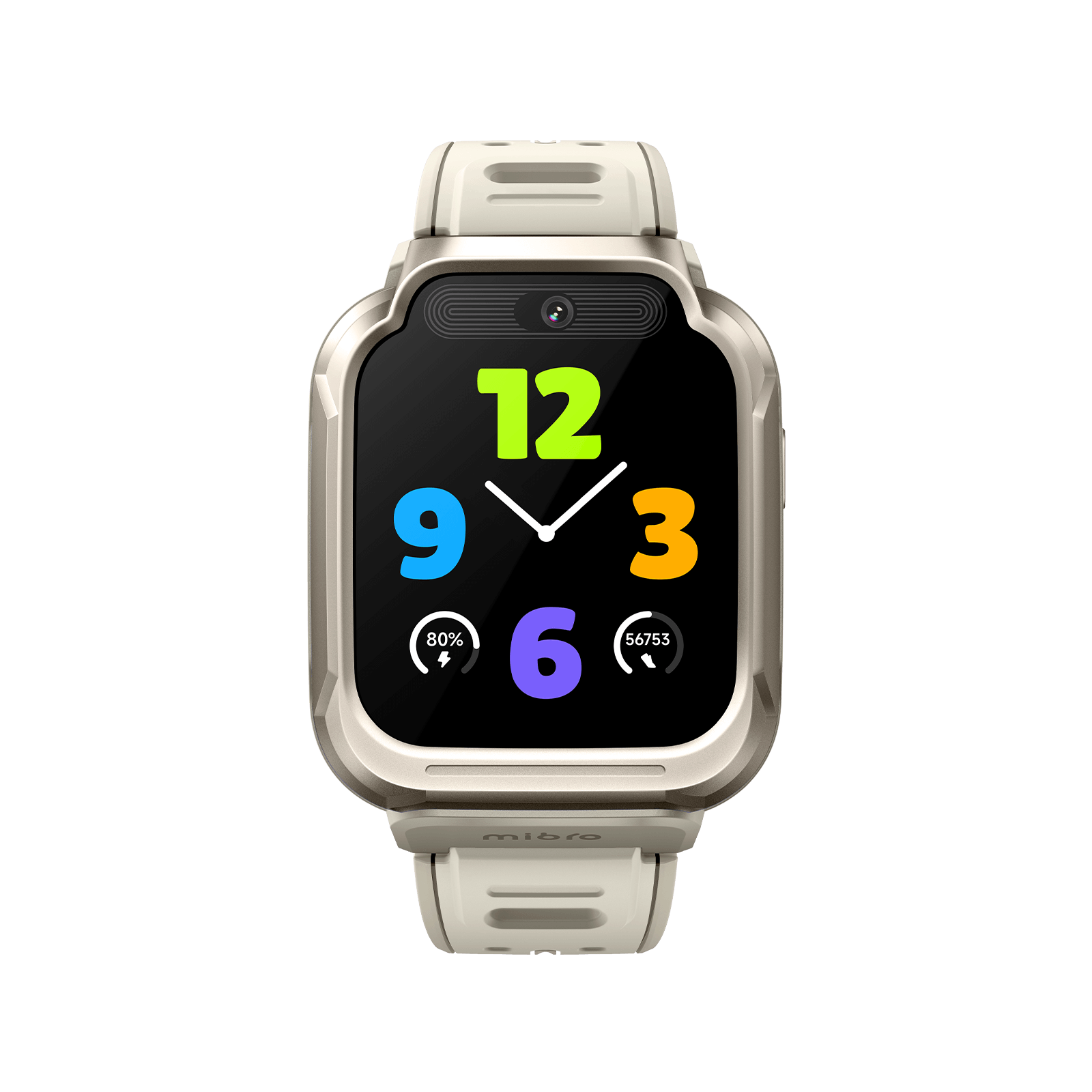
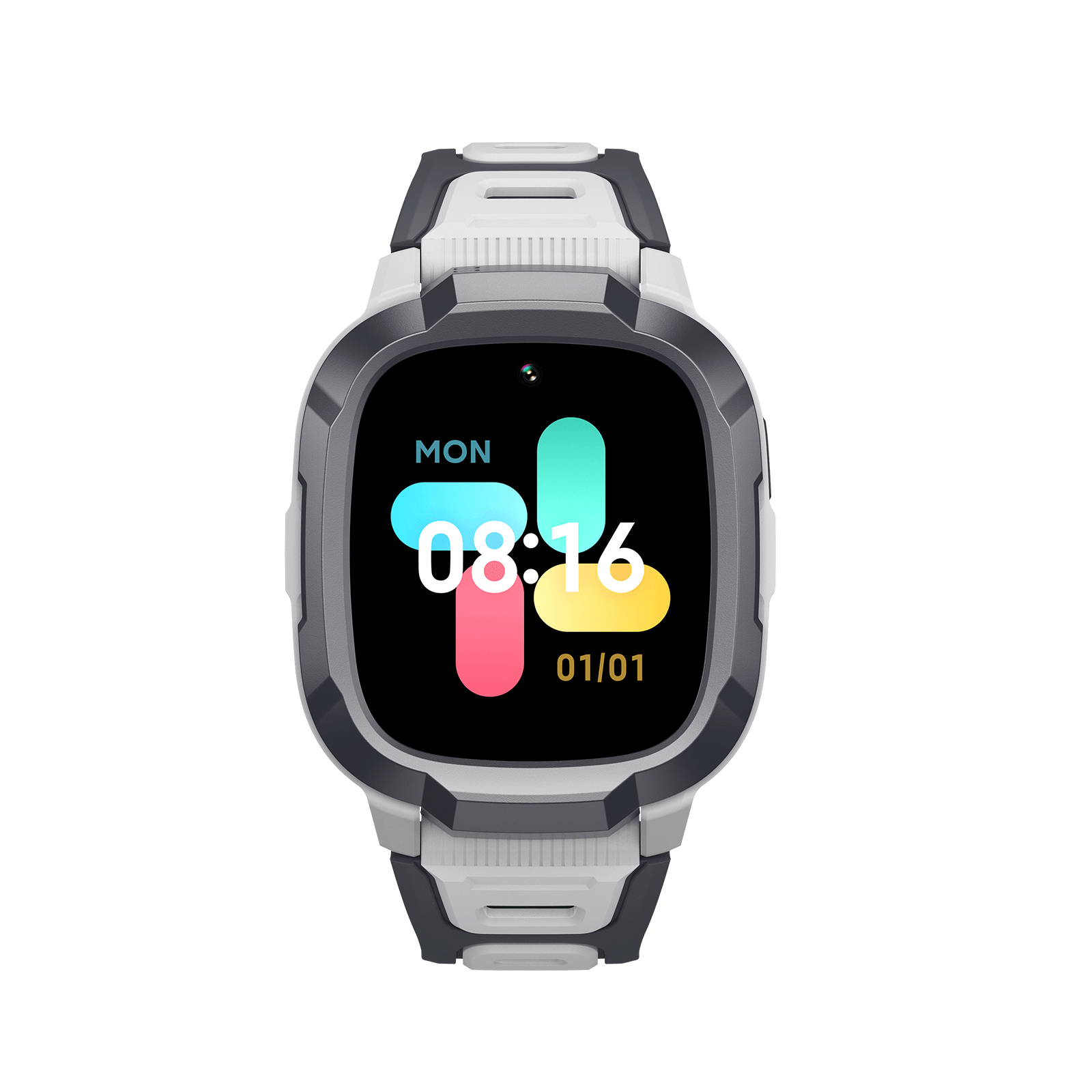
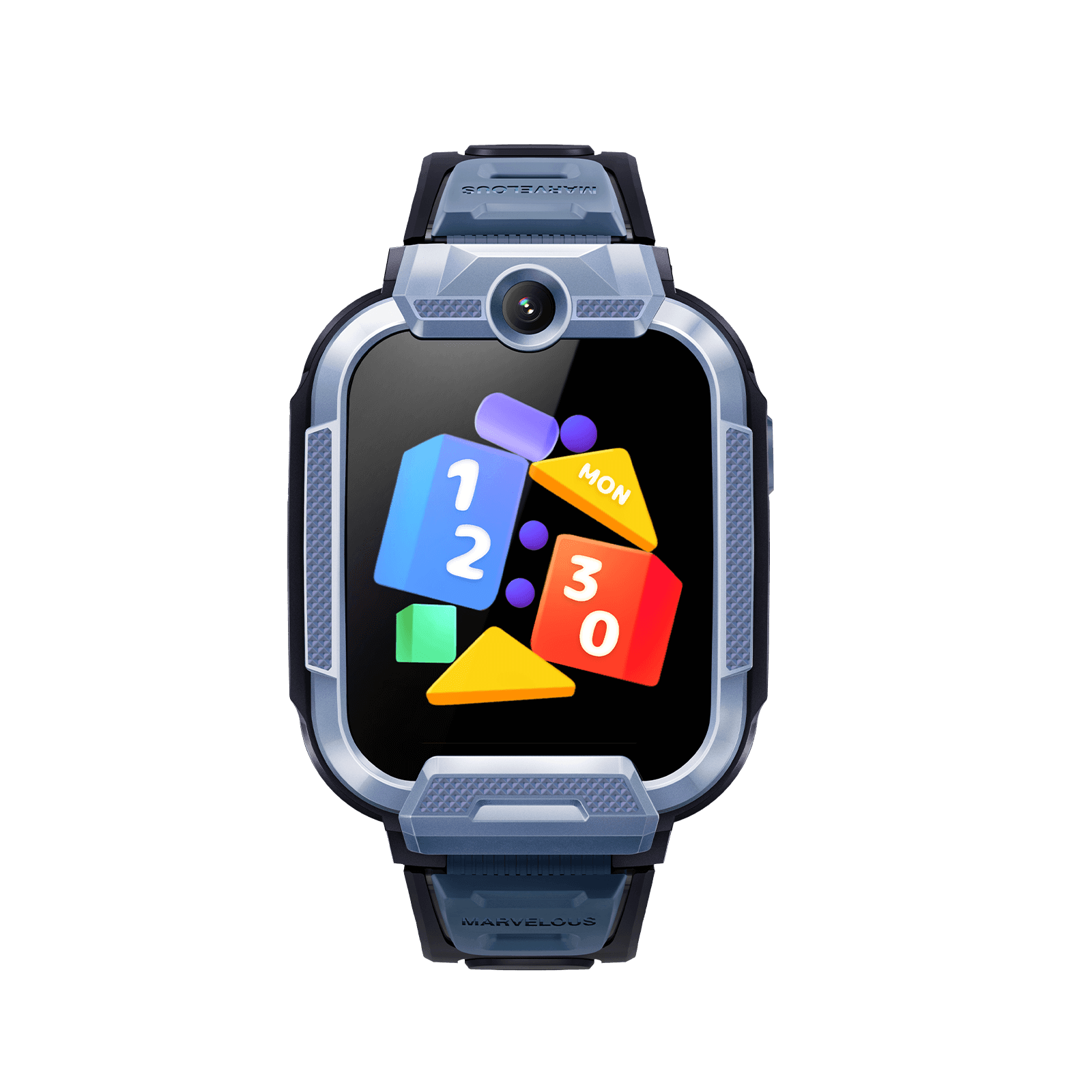
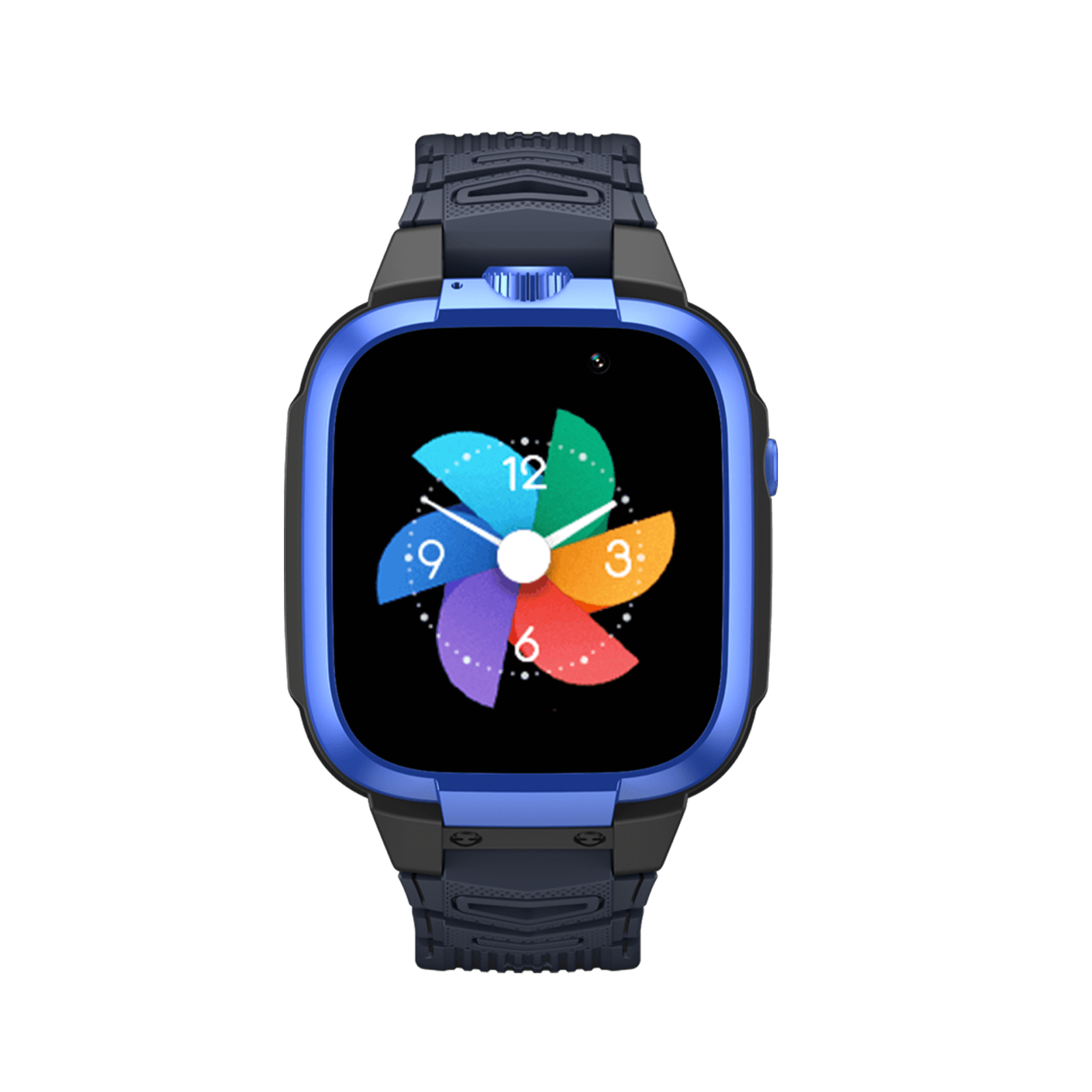
From its humble beginnings in a Mexican backyard to a global phenomenon with over 35 million players, padel tennis has proven its appeal. It's a doubles-based, wall-enclosed game that blends elements of tennis and squash, played with specialized rackets, low-pressure balls, and turf-friendly shoes. While the padel rules are beginner-friendly, mastering the walls, positioning, and key shots takes practice. And if you're serious about improvement, consider tracking your progress with a dedicated tool like the Mibro GS Series — smartwatches with a built-in padel mode. Using a 6-dimensional matrix, it analyzes strokes, swing speed, and movement patterns, giving you the data to turn weaknesses into strengths. So grab a racket, find a partner, and start your padel journey today — whether for fun or improvement, the court is waiting.
FAQs About Padel Sport
Why is padel so expensive?
Padel can be expensive because court construction and maintenance costs are relatively high, while the sport's growing popularity has increased demand for court time. Padel also requires specialized rackets, balls, and clothing. However, costs vary by location, club, and equipment, and playing with others can make it more affordable.
Is padel the same as pickleball?
No. Padel and pickleball are different racket sports. Padel is played on an enclosed court with walls and uses a solid racket and pressurized ball, while pickleball is played on a smaller open court with a perforated paddle and plastic ball. Their rules, court sizes, and playing styles also differ.
References
- https://www.macron.com/wo/what-is-padel
- https://www.redbull.com/us-en/what-is-padel-tennis-guide
- https://www.head.com/en_US/rs/stories/what-is-padel
- https://www.padelnewzealand.org.nz/what-is-padel
- https://www.padelnewzealand.org.nz/padel-rules
- https://padel-magazine.co.uk/sept-faits-que-vous-ne-connaissez-pas-sur-lhistoire-du-padel/
- https://www.ltapadel.org.uk/what-we-do/what-is-the-history-of-padel/
- https://padelfederation.ie/tournament-rules/ball-racket-equipment/
- https://www.padelcourtsfinder.com/blog/best-padel-balls
- https://www.networldsports.co.uk/buyers-guides/padel-court-guide
- https://www.menshealth.com/uk/gym-wear/g70818179/best-padel-shoes/
- https://www.sportsdirect.hu/the-zone/what-to-wear/padel-game

